
Did you know that breast cancer can also affect men? Despite it being less common, male breast cancer is still a possibility that many people are unaware of. This article aims to shed light on this often overlooked topic, providing important information about the signs, symptoms, and treatment options available for male breast cancer. By raising awareness about breast cancer in males, we hope to encourage early detection and improve survival rates for those affected by this disease. So, let’s join together and empower everyone with the knowledge they need to recognize and combat breast cancer, regardless of gender.
Understanding Breast Cancer in Males
Breast cancer is typically associated with women, but it’s important to recognize that men can also be affected by this disease. Male breast cancer refers to the presence of malignant cells in the breast tissue of men. While breast cancer is more prevalent in women, it’s crucial to understand the unique aspects of male breast cancer to ensure early detection and effective treatment.
Definition of male breast cancer
Male breast cancer is characterized by the development of malignant cells in the breast tissue of a man. Like women, men have breast tissue, and this tissue can undergo malignant transformation, leading to the formation of cancerous tumors. The anatomy of male breasts differs from that of female breasts, with less glandular tissue, but the presence of breast tissue means that men can also be susceptible to breast cancer.
Prevalence and incidence rates
Although male breast cancer is rare compared to female breast cancer, it still affects a significant number of men worldwide. On average, the incidence of male breast cancer is approximately 1 in every 1000 cases. The prevalence may vary across different countries and populations, but it is generally estimated that around 1% of all breast cancer cases occur in men.
Risk factors
Several risk factors have been identified that can increase the likelihood of developing breast cancer in males. These risk factors include advancing age, family history of breast cancer, inherited gene mutations (such as BRCA1 and BRCA2), exposure to estrogen-related medications, obesity, liver disease, and radiation exposure. It’s important to recognize these risk factors and take appropriate measures for early detection and prevention.
Symptoms and warning signs
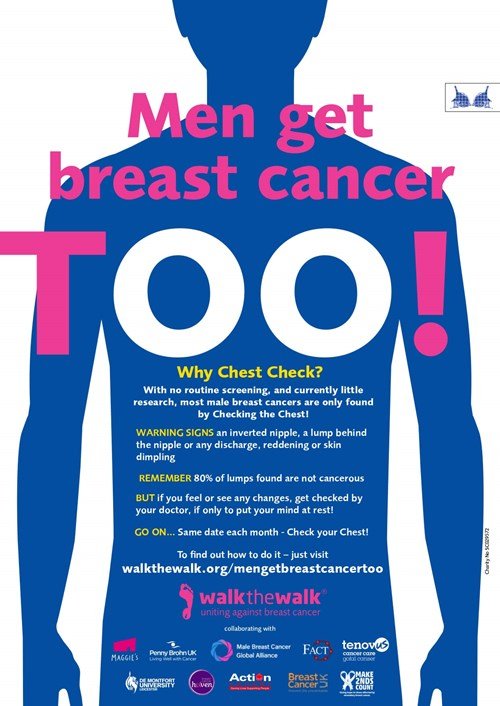
Awareness of the symptoms and warning signs of male breast cancer is crucial for early detection. Some common signs to look out for include a lump or thickening in the breast tissue, changes in the nipple, such as nipple retraction or discharge, changes in breast size or shape, redness or scaly skin on the breast, and swollen lymph nodes under the arm. If any of these symptoms are noticed, it is essential to consult a healthcare professional for further evaluation and diagnosis.
Importance of Early Detection
Detecting male breast cancer in its early stages is crucial for successful treatment and improved outcomes. However, there are unique challenges in diagnosing breast cancer in males, leading to delayed diagnosis and advanced disease at the time of presentation.
Challenges in diagnosing breast cancer in males
One of the key challenges in diagnosing breast cancer in males is the lack of awareness and knowledge about this disease among men and healthcare professionals. The common misconception that breast cancer only affects women can prevent men from seeking medical help when they observe symptoms. Additionally, the relative rarity of male breast cancer can result in unfamiliarity and a lack of experience among healthcare providers, leading to delayed diagnosis and appropriate treatment.
Screening recommendations and guidelines
Given the lower incidence of male breast cancer compared to females, there is no established nationwide screening program specifically for men. However, considering the importance of early detection, it is recommended that men with a known genetic predisposition to breast cancer or with certain risk factors should undergo regular screenings. This may include clinical breast exams and mammography, along with a comprehensive evaluation of their medical history.
Benefits of early detection
Early detection of male breast cancer not only improves treatment outcomes but also reduces the need for extensive interventions. When the disease is diagnosed at an early stage, there is a higher likelihood of successful surgical removal of the tumor, potentially resulting in a complete cure. Furthermore, early detection allows for more conservative treatment approaches, minimizing the impact on physical and emotional well-being.
Promoting Self-Examination
Self-examination is a simple yet effective method for detecting breast abnormalities, including lumps or changes in the breast tissue. Educating men about self-examination is vital to empower them with the knowledge and skills necessary for early detection.
Educating males about self-examination
Raising awareness among males about the importance of self-examination can help in identifying potential breast abnormalities at an early stage. Public health campaigns, educational materials, and online resources can play a crucial role in disseminating information and debunking misconceptions surrounding male breast cancer. Through targeted efforts, men can be encouraged to take an active role in their health and regularly examine their breasts.
Step-by-step guide to performing a self-exam
Performing a self-examination involves a systematic approach to thoroughly examine the breast tissue. Start by visually inspecting the breasts for any changes in size, shape, or skin texture. Then, using the fingers, gently palpate the entire breast and surrounding areas, including the armpits. Pay attention to any lumps, thickening, or asymmetry. If any abnormalities are detected, it is essential to seek medical advice promptly.
Frequency and best practices
It is recommended that men perform self-examinations on a monthly basis, ideally a few days after the completion of their menstrual cycle. By establishing a routine, individuals can become more familiar with their breast tissue and better able to identify any changes or potential concerns. It’s important to remember that self-examination should not replace regular medical check-ups, but rather be used as a valuable tool for early detection.
Understanding Treatment Options
Treatment for male breast cancer typically involves a multidisciplinary approach, focusing on eradicating the cancer and preventing its recurrence. Various treatment modalities, such as surgery, radiation therapy, chemotherapy, hormonal therapy, and targeted therapy, may be utilized alone or in combination, depending on the specific characteristics of the cancer and individual patient factors.
Surgery as a primary treatment
Surgery is often the primary treatment for male breast cancer, aiming to remove the tumor and any affected lymph nodes. Depending on the extent of the disease, a lumpectomy (removal of the tumor) or mastectomy (removal of the entire breast) may be performed. In some cases, reconstructive surgery can also be pursued to restore the appearance of the breast.
Radiation therapy and chemotherapy
Radiation therapy involves the use of high-energy beams to target and destroy cancer cells. It is typically recommended after surgery to target any remaining cancer cells and reduce the risk of recurrence. Chemotherapy, on the other hand, involves the use of medications to destroy cancer cells throughout the body and is frequently used when the cancer has spread beyond the breast.
Hormonal therapy
Hormonal therapy is often utilized in cases where the cancer is hormone receptor-positive, meaning that it relies on the hormones estrogen or progesterone to grow. This form of therapy aims to block the effects of these hormones or reduce their production, thereby preventing the growth and spread of cancer cells.
Targeted therapy
Targeted therapy is a more recent advancement in cancer treatment, specifically targeting molecular or genetic alterations within the cancer cells. These therapies are designed to disrupt specific pathways that promote cancer growth, leading to more precise and effective treatment options. Targeted therapies can be used in conjunction with other treatment modalities or as standalone treatments, depending on the specific characteristics of the cancer.
Potential side effects and management
While treatment options for male breast cancer have advanced significantly, they may still be associated with certain side effects. These can vary depending on the type and combination of treatments used, as well as individual factors. Common side effects may include fatigue, nausea, hair loss, changes in appetite, and emotional distress. Healthcare professionals will work closely with patients to manage these side effects and ensure optimal quality of life throughout the treatment process.

Supportive Care and Survivorship
Supportive care plays a crucial role in addressing the physical, emotional, and psychological needs of male breast cancer patients. Alongside medical treatment, various interventions and resources can contribute to improved survivorship outcomes.
Psychological and emotional support
A diagnosis of male breast cancer can have significant psychological and emotional implications. Patients may experience fear, anxiety, depression, and uncertainty about the future. Ongoing emotional support, including counseling, support groups, and access to mental health professionals, can help patients and their loved ones navigate the emotional challenges and optimize their well-being.
Nutritional guidance
Maintaining a healthy diet during and after treatment is important for overall well-being and recovery. Adequate nutrition can support the immune system, aid in healing, and reduce the risk of complications. Healthcare professionals, including registered dietitians, can provide guidance on proper nutrition and help develop personalized meal plans tailored to individual needs.
Physical activity and exercise
Engaging in regular physical activity and exercise can have numerous health benefits for male breast cancer patients. Physical activity can help reduce fatigue, improve physical function, enhance mood, and boost overall quality of life. It’s important to consult with healthcare professionals to determine appropriate exercise routines and make adjustments based on individual capabilities and limitations.
Follow-up care and monitoring
Following completion of primary treatment, regular follow-up care is essential to monitor for potential recurrence or new cancer developments. These follow-up visits typically involve physical examinations, imaging studies, and laboratory tests to detect any signs of disease progression. Open communication with healthcare providers regarding any new symptoms or concerns is crucial throughout the survivorship period.
Resources for support
Numerous resources and support organizations exist to provide assistance, guidance, and a sense of community for male breast cancer patients and their families. These organizations offer educational materials, access to support groups, helplines, and online forums, and can help individuals navigate the challenges associated with the disease. By availing themselves of these resources, patients and their loved ones can find a supportive network to help them through their journey.
Risk Reduction Strategies
While it may not be possible to completely eliminate the risk of developing male breast cancer, certain strategies can help mitigate the risk and promote good health.
Maintaining a healthy lifestyle
Adopting a healthy lifestyle can play a significant role in lowering the risk of various diseases, including male breast cancer. This includes maintaining a balanced diet, engaging in regular physical activity, managing stress, and avoiding tobacco and excessive alcohol consumption. These simple lifestyle modifications can contribute to overall health and well-being.
Understanding family history and genetic testing
Individuals with a family history of breast cancer, particularly male breast cancer, may have an increased risk of developing the disease. It’s important to be aware of your family history and discuss it with your healthcare provider. Depending on the family history and risk factors, genetic testing may be recommended to assess the presence of known high-risk gene mutations, such as BRCA1 and BRCA2.
Avoiding exposure to environmental risk factors
Certain environmental factors have been linked to an increased risk of developing breast cancer. These include exposure to estrogen-mimicking chemicals, ionizing radiation, and certain workplace chemicals. Minimizing exposure to these factors, when possible, can help reduce the risk. It’s advisable to follow safety guidelines, wear protective equipment, and be vigilant about potential hazards in the environment.
Regular medical check-ups and consultations
Routine medical check-ups and consultations with healthcare providers are essential for maintaining optimal health and detecting any early signs of disease. Regular screenings, as recommended based on individual risk factors and age, can help identify potential health issues, including male breast cancer, at an early stage. Active participation in one’s healthcare by attending regular check-ups fosters a proactive approach to well-being.

Advocacy and Support Organizations
Advocacy organizations play a crucial role in raising awareness about male breast cancer, educating the public, and advocating for research funding and government policies that support individuals affected by the disease.
Role of advocacy organizations in raising awareness
Advocacy organizations play a vital role in raising awareness about male breast cancer and dispelling misconceptions surrounding the disease. Their activities include organizing awareness campaigns, educational initiatives, and community outreach programs. By engaging with the public, these organizations contribute to a greater understanding of male breast cancer and foster a supportive environment for those affected.
Resources and services provided by support organizations
Support organizations offer a wide range of resources and services to male breast cancer patients and their families. These may include helplines, online forums, support groups, financial assistance programs, and access to information regarding treatment options and survivorship. These organizations understand the unique needs of male breast cancer patients and provide tailored support to help individuals navigate their journey.
Prominent organizations working towards male breast cancer awareness
Numerous organizations are dedicated to raising awareness about male breast cancer and supporting those affected by the disease. Some notable organizations include the Male Breast Cancer Coalition, Breast Cancer Now, and the American Cancer Society. These organizations collaborate with healthcare providers, researchers, and advocacy groups to address the unique challenges faced by male breast cancer patients and work towards achieving better outcomes.
Breaking Stigma and Challenging Stereotypes
Males diagnosed with breast cancer often face social stigma and stereotypes that can contribute to delays in seeking medical help and a lack of support. Breaking the stigma surrounding this disease is crucial for raising awareness, fostering a more inclusive narrative, and encouraging open communication.
Dispelling myths and misconceptions
There are several myths and misconceptions surrounding male breast cancer that contribute to stigma and misunderstanding. Dispelling these myths through targeted educational campaigns is essential to promote an accurate understanding of the disease. By providing clear and concise information, it becomes easier to challenge these misconceptions and create a more supportive environment.
Addressing societal taboos
Breast cancer is often considered a “woman’s disease” due to its higher prevalence among females. This societal perception can create taboos and prevent men from discussing their symptoms or seeking help. By openly addressing these taboos and promoting conversations about male breast cancer, the stigma can be diminished, leading to increased awareness and early detection.
Encouraging open communication
Creating an environment that supports open communication is crucial for individuals affected by male breast cancer. Encouraging men to share their experiences, emotions, and concerns with their loved ones, healthcare providers, and support organizations can help break down barriers and foster a sense of community. By sharing their stories and challenges, individuals can inspire others and help challenge stereotypes associated with male breast cancer.

Success Stories and Inspirational Figures
Sharing success stories and recognizing individuals who have made a significant impact in the field of male breast cancer can provide inspiration, hope, and support to those currently facing the disease.
Sharing stories of male breast cancer survivors
Sharing stories of male breast cancer survivors can offer a sense of hope and resilience to individuals currently undergoing treatment or in recovery. These stories highlight the courage, determination, and strength of individuals who have successfully fought against the disease. By sharing their experiences, survivors can provide reassurance and encouragement to others on their journey.
Recognizing individuals who have made a significant impact
Various individuals have made significant contributions to raising awareness and advocating for male breast cancer. Recognizing their efforts and achievements can serve as inspiration for others to get involved and make a positive impact. From researchers to activists, healthcare professionals to survivors, these individuals contribute to advancements in male breast cancer awareness and make a lasting difference.
Importance of role models in destigmatization
Having role models who openly discuss their experience with male breast cancer and actively engage in raising awareness can help destigmatize the disease. These role models serve as beacons of hope, dispelling common misconceptions and inspiring individuals to take action. By empowering others and challenging stereotypes, role models can play a pivotal role in the destigmatization process.
Collaborative Research and Progress
Ongoing research is crucial for advancing our understanding of male breast cancer and improving diagnostic and treatment strategies. Collaborative efforts between researchers, healthcare professionals, advocacy groups, and funding bodies are essential to drive progress in this field.
Advancements in male breast cancer research
Research in male breast cancer has significantly expanded our knowledge of the disease, leading to advancements in diagnostic techniques, treatment options, and survivorship care. Ongoing studies focus on identifying genetic risk factors, developing targeted therapies, and understanding the biological differences between male and female breast cancer. By investing in research, we can continue to uncover new avenues for prevention, diagnosis, and treatment.
Importance of funding and support
Funding and support are crucial to sustain and accelerate advancements in male breast cancer research. Grants, donations, and fundraising initiatives enable researchers and healthcare professionals to undertake critical studies and clinical trials, ultimately leading to improved outcomes for male breast cancer patients. By supporting research efforts, we propel the field forward and provide hope for those affected by the disease.
Ongoing clinical trials and future directions
Clinical trials play a significant role in evaluating novel treatment approaches, identifying new therapeutic targets, and improving patient outcomes. Ongoing clinical trials specifically focusing on male breast cancer offer promising avenues for personalized treatments and advancements in precision medicine. By participating in clinical trials, individuals have the opportunity to contribute to medical progress and potentially benefit from cutting-edge treatment options.
In conclusion, understanding breast cancer in males is crucial for early detection, effective treatment, and improved outcomes. By raising awareness, promoting self-examination, and challenging stereotypes, we can provide support, debunk misconceptions, and empower men affected by this disease. Efforts from advocacy organizations, research collaborations, and individual involvement all contribute to advancing our understanding and combating male breast cancer. Together, we can make a difference in the lives of those affected by this often-neglected form of cancer.
