
Imagine a world where you can enjoy a pleasant evening with friends, free from stress and worries. Cannabis, for some, seems like the perfect companion for these moments. But what if this seemingly harmless plant could lead to addiction, affecting not only your physical health but also your personal relationships and overall well-being? In this article, we aim to shed light on the often overlooked dangers of cannabis addiction, helping you understand the potential risks and consequences that come with prolonged use. So, sit back, relax, and let’s explore a subject that deserves our attention.
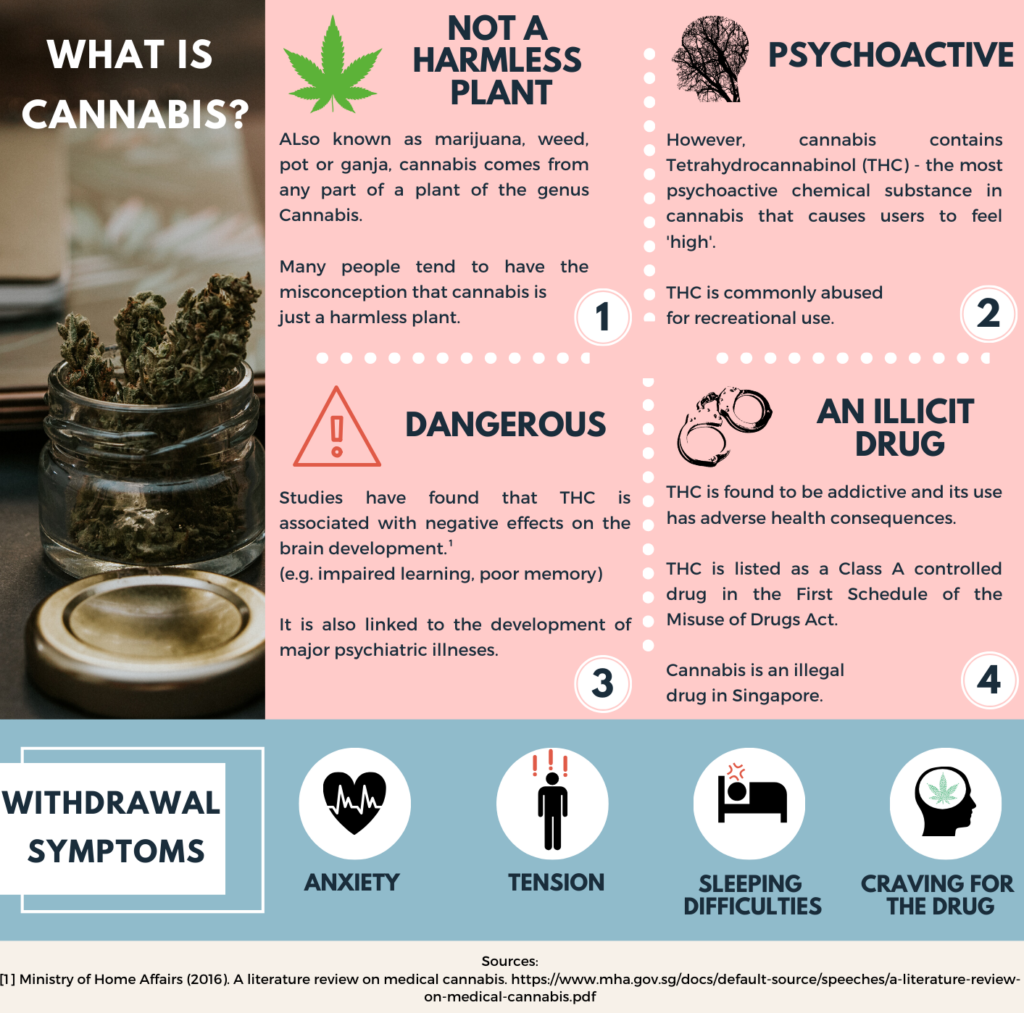
Physical Effects of Cannabis Addiction
Short-term effects
When you consume cannabis, whether through smoking or other methods, you may experience immediate physical effects. These can include red eyes, dry mouth, increased heart rate, and impaired coordination. These effects are temporary and tend to subside within a few hours. However, it’s important to note that these short-term effects can still impact your daily life and functioning.
Long-term effects
With continued and excessive cannabis use, you may begin to experience long-term physical effects. These can include respiratory issues such as chronic bronchitis and lung damage. Additionally, cannabis addiction has been linked to an increased risk of cardiovascular problems, particularly for individuals with pre-existing heart conditions. It is crucial to be aware of these potential long-term health consequences and take steps to address cannabis addiction early on.
Psychological Effects of Cannabis Addiction
Cognitive impairments
Cannabis addiction can have significant psychological effects, particularly on cognitive function. Regular use of cannabis can impair your ability to concentrate, remember things, and process information. This can have a negative impact on your academic and professional life, as well as your overall cognitive abilities.
Mental health disorders
Cannabis addiction has also been associated with the development or exacerbation of mental health disorders. Studies have shown a correlation between cannabis use and conditions such as anxiety, depression, and psychosis. It is important to seek professional help if you are experiencing mental health issues as a result of cannabis addiction.

Withdrawal Symptoms of Cannabis Addiction
Physical symptoms
When you stop using cannabis after a period of regular use, you may experience physical withdrawal symptoms. These can include irritability, insomnia, decreased appetite, and headaches. While these symptoms are uncomfortable, they are typically not life-threatening. However, it is important to seek support and guidance from healthcare professionals when going through cannabis withdrawal.
Psychological symptoms
In addition to physical symptoms, cannabis withdrawal can also present psychological symptoms. These can include mood swings, anxiety, and depression. The severity and duration of these symptoms can vary from person to person. Seeking professional help and participating in therapy or counseling can greatly aid in managing these psychological symptoms during the withdrawal process.
Negative Impacts on Relationships and Social Life
Strained relationships
Cannabis addiction can strain relationships with family, friends, and romantic partners. Your loved ones may become concerned about your well-being and the impact of your addiction on their own lives. They may feel neglected, frustrated, or worried about your health and future. It is important to recognize the strain your addiction may put on relationships and seek help to rebuild and strengthen these connections.
Isolation and social withdrawal
As cannabis addiction takes hold, it can lead to social isolation and withdrawal. You may find yourself spending more time alone or in the company of other cannabis users, while withdrawing from social activities and obligations. This isolation can exacerbate feelings of loneliness, depression, and anxiety, making it even more difficult to break free from the grips of addiction. It is important to reach out for support and reconnect with your social circle to help combat these negative effects.
Impact on Academic and Professional Life
Decline in academic performance
Cannabis addiction can have a detrimental impact on your academic performance. The cognitive impairments caused by cannabis use can make it more difficult to concentrate, retain information, and perform well in school or university. This decline in academic performance can limit future opportunities and impede your personal and professional growth.
Loss of career opportunities
Similarly, cannabis addiction can hinder your professional life. The negative impact on cognitive function and the potential for impaired judgment and decision-making can lead to poor job performance and missed career opportunities. It is important to address and overcome cannabis addiction to ensure a successful and fulfilling professional life.
Legal Consequences of Cannabis Addiction
Possession and distribution charges
Engaging in cannabis addiction can lead to potential legal consequences. The possession and distribution of cannabis in many jurisdictions is illegal unless for medical or recreational purposes in specific locations where it is regulated. If caught in possession of cannabis or involved in its distribution, you may face fines, probation, or even imprisonment, depending on the severity of the offense and the laws in your jurisdiction.
Impaired driving penalties
Operating a vehicle under the influence of cannabis can result in severe legal penalties. Driving while impaired by cannabis can impair judgment, coordination, and reaction times, increasing the risk of accidents and harm to yourself and others on the road. Legal consequences for impaired driving can include fines, driver’s license suspension, mandatory education programs, and even imprisonment in some cases.

Cannabis Addiction in Adolescents
Increased risk of addiction
Adolescents and young adults are particularly vulnerable to the risks of cannabis addiction. Studies have shown that the earlier an individual starts using cannabis, the higher the risk of developing addiction. The developing brains of adolescents are more susceptible to the effects of cannabis, making it crucial to educate and support young people in understanding the potential risks and consequences of cannabis use.
Long-term negative impact on brain development
Cannabis addiction in adolescents can have a lasting negative impact on brain development. The brain continues to develop until the mid-20s, and excessive cannabis use during this critical period can disrupt normal brain functioning and impair cognitive abilities. It can affect memory, learning, decision-making, and emotional regulation. Early intervention and prevention efforts are essential in protecting the long-term well-being and potential of young individuals.
Gateway Drug Theory and Cannabis Addiction
Introduction to the gateway drug theory
The gateway drug theory suggests that using cannabis can lead individuals to experiment with harder drugs. It posits that cannabis acts as a gateway, opening the door to the use of substances with higher addictive potential and increased risks. This theory has been influential in shaping drug policies and public opinion.
Debunking the gateway drug theory
While the gateway drug theory has gained traction, research has not provided strong evidence to support it. Studies have shown that not everyone who uses cannabis goes on to use harder drugs. Other factors, such as individual circumstances and personal choices, play a more significant role in drug use progression. It is important to base drug prevention and intervention efforts on current scientific evidence and individual needs rather than relying solely on a gateway drug theory.

Health Risks Associated with Cannabis Addiction
Respiratory problems
Regular cannabis smoking can lead to respiratory problems similar to those experienced by tobacco smokers. The inhalation of cannabis smoke can irritate the lungs and airways, leading to coughing, wheezing, and increased phlegm production. It can also increase the risk of chronic bronchitis and respiratory infections. Choosing alternative methods of cannabis consumption, such as edibles or vaporizers, can help mitigate these respiratory risks.
Cardiovascular issues
Cannabis use has been linked to cardiovascular issues. It can increase heart rate and blood pressure, potentially putting strain on the cardiovascular system. This is particularly concerning for individuals with pre-existing heart conditions or those at risk for heart disease. It is important to be aware of these potential risks and consult with healthcare professionals if you have any concerns regarding your cardiovascular health.
Treatment Options and Recovery for Cannabis Addiction
Therapy and counseling
Therapy and counseling are effective treatment options for individuals struggling with cannabis addiction. Cognitive-behavioral therapy (CBT) can help individuals identify and change problematic thoughts and behaviors associated with addiction. Motivational interviewing and contingency management techniques are also commonly used to promote lasting change and support recovery.
Support groups and self-help programs
Support groups, such as Narcotics Anonymous (NA), can provide individuals with a network of peers who understand their struggles and provide support. These groups offer a non-judgmental space to share experiences, seek advice, and gain inspiration from others who have successfully overcome cannabis addiction. Additionally, self-help programs, online resources, and mobile applications can complement therapy and support avenues, providing additional tools for recovery.
Understanding the dangers and consequences of cannabis addiction is crucial in addressing this issue. By recognizing the physical, psychological, social, and legal impacts of cannabis addiction, individuals can seek help, make informed decisions, and take steps towards recovery and a healthier life. Remember, you are not alone in this journey, and there is support available to help you overcome cannabis addiction and regain control of your life.