
Are you struggling with marijuana addiction and searching for a way to break free from its grasp? Look no further than “Breaking Free: Overcoming Marijuana Addiction.” In this article, we will explore the challenges of cannabis marijuana addiction and offer practical strategies to overcome it. Whether you’re seeking personal insights or hoping to help a loved one in need, this article will provide you with valuable information and guidance on the path to recovery.
Understanding Marijuana Addiction
Marijuana addiction, also known as cannabis addiction, is a condition characterized by the compulsive and uncontrollable use of marijuana, despite its negative consequences on various aspects of life. It is essential to understand what marijuana addiction entails, its causes, and the signs and symptoms associated with it in order to address and overcome this condition effectively.
What is Marijuana Addiction?
Marijuana addiction refers to the psychological and physical dependence on cannabis. When you become addicted to marijuana, you may experience intense cravings and a loss of control over your marijuana use. Despite negative consequences such as impaired cognitive function, compromised relationships, and decreased motivation, individuals with marijuana addiction find it challenging to cut back or stop using the substance.
Causes of Marijuana Addiction
There are several factors that can contribute to the development of marijuana addiction. Understanding these causes can help shed light on the nature of this addiction and provide insight into how to effectively address and overcome it.
Some individuals may be more predisposed to addiction due to genetic factors, while others may develop an addiction as a result of social or environmental influences. Additionally, co-occurring mental health disorders, such as anxiety or depression, can also contribute to the development of marijuana addiction.
Signs and Symptoms of Marijuana Addiction
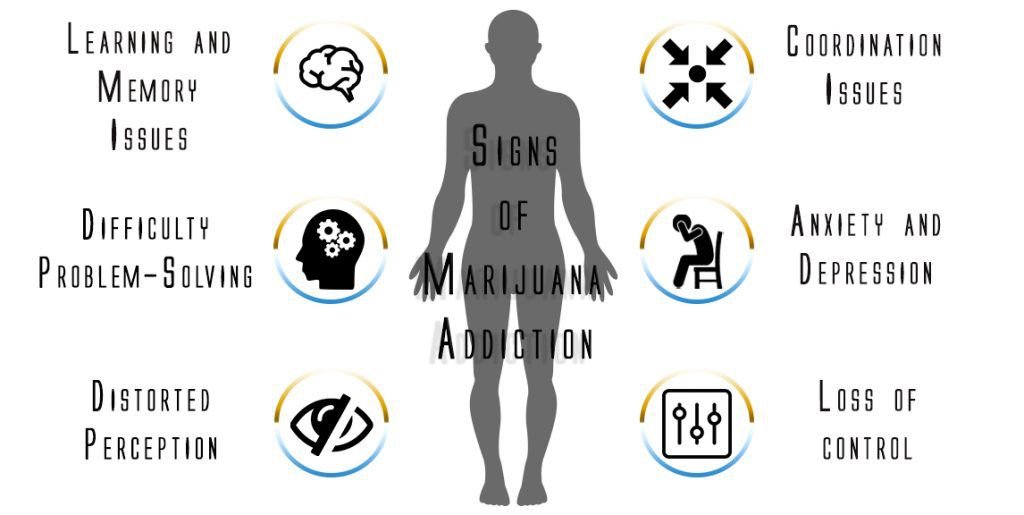
Recognizing the signs and symptoms of marijuana addiction is crucial for understanding whether you or someone you care about may be struggling with this condition. The following are some common indicators of marijuana addiction:
- Increased tolerance, requiring higher amounts of marijuana to achieve the desired effects
- Experiencing withdrawal symptoms when attempting to stop using marijuana
- Neglecting responsibilities, such as work or school, due to marijuana use
- Spending a significant amount of time obtaining, using, and recovering from marijuana
- Failed attempts to cut back or quit using marijuana
- Using marijuana in risky or dangerous situations
- Social withdrawal and neglecting previously enjoyed activities
The Effects of Marijuana Addiction
Marijuana addiction can have both short-term and long-term effects on various aspects of an individual’s life. Understanding these effects is essential to fully comprehend the impact of this addiction and motivate individuals to seek help and overcome it.
Short-term Effects of Marijuana Addiction
Short-term effects of marijuana addiction can range from mild to severe, depending on the level of use and the individual’s overall health. Some common short-term effects include:
- Impaired cognitive function, including difficulty with memory and attention
- Altered perception and sensory experiences
- Impaired coordination and motor skills
- Anxiety and paranoia
- Increased heart rate and blood pressure
- Respiratory issues, such as coughing and lung irritation
Long-term Effects of Marijuana Addiction
Long-term marijuana addiction can significantly impact an individual’s physical and mental well-being. Some potential long-term effects include:
- Persistent cognitive impairments, especially in memory and learning abilities
- Increased risk of mental health disorders, such as depression and anxiety
- Chronic respiratory issues, including bronchitis and lung diseases
- Impaired immune system function
- Relationship and social problems
- Poor work or academic performance
Breaking the Stigma
As with any addiction, marijuana addiction carries a certain amount of social stigma. It is important to challenge the beliefs and misconceptions surrounding marijuana addiction to promote understanding and support for those struggling with this condition.
Addressing the Beliefs and Misconceptions
One common misconception about marijuana addiction is that it is not a real addiction, but rather a harmless habit. However, research has shown that marijuana addiction can have significant negative effects on an individual’s overall well-being and should be treated as a legitimate addiction.
Another belief is that individuals with marijuana addiction lack willpower or are morally weak. It is important to understand that addiction is a complex disease influenced by various factors, including genetics and environmental influences. Judging individuals struggling with marijuana addiction hinders their ability to seek help and recover.
Educating the Public about Marijuana Addiction
Educating the public about marijuana addiction is crucial for breaking the stigma and ensuring individuals with this condition receive the support they need. Sharing accurate information, personal stories of recovery, and the available resources for treatment can help dispel misconceptions and promote empathy and understanding.
By raising awareness about the impact of marijuana addiction and the available avenues for recovery, we can encourage individuals to seek help without fear of judgment or shame.
Seeking Help for Marijuana Addiction
Recognizing the need for help and seeking it is an important step towards overcoming marijuana addiction. Understanding the options for treatment can provide individuals with the knowledge and resources needed to embark on their recovery journey successfully.
Recognizing the Need for Help
If you or someone you care about is struggling with marijuana addiction, it is crucial to recognize the need for help. Some signs that indicate it may be time to seek assistance include:
- Inability to control or cut back on marijuana use
- Neglecting responsibilities and activities due to marijuana use
- Increased tolerance and experiencing withdrawal symptoms
- Failed attempts to quit or cut back on marijuana use
- Relationship problems or isolation due to marijuana addiction
Types of Treatment Available
Various treatment options are available for individuals seeking help for marijuana addiction. It is important to choose a treatment approach that suits your needs and preferences. Some common types of treatment for marijuana addiction include:
- Inpatient rehabilitation programs: These programs provide comprehensive, structured treatment within a live-in facility, offering a supportive environment for individuals to focus on their recovery.
- Outpatient rehabilitation programs: These programs offer treatment while allowing individuals to live at home and continue with their daily responsibilities. Outpatient programs often include therapy, counseling, and support groups.
- Counseling and therapy: Individual therapy, group therapy, and family therapy can play a crucial role in addressing the underlying causes and psychological aspects of addiction.
- Support groups: Participating in support groups, such as Marijuana Anonymous, can provide individuals with a sense of community and support throughout their recovery journey.

Self-help Strategies for Overcoming Marijuana Addiction
While professional help is important, individuals can also employ various self-help strategies to support their recovery from marijuana addiction. These strategies can complement formal treatment and empower individuals to take an active role in their own healing.
Developing a Support Network
Building a strong support network is vital for overcoming marijuana addiction. Surrounding yourself with individuals who understand your struggles and provide encouragement and accountability can greatly enhance your chances of success. This network can include trusted friends and family members, support groups, or online communities.
Setting Realistic Goals for Recovery
Setting realistic goals for recovery is crucial to maintain motivation and track progress. Breaking down the recovery process into smaller, achievable goals can help you stay focused and celebrate milestones along the way. It is essential to remember that recovery is a journey, and progress may not always be linear.
Engaging in Alternative Activities
Finding and engaging in alternative activities can help individuals redirect their focus and energy away from marijuana use. Hobbies, exercise, volunteering, or exploring new interests can provide a sense of purpose and fulfillment, reducing the desire to turn to substances for escape or relaxation.
Coping with Withdrawal Symptoms
When individuals stop using marijuana, they may experience withdrawal symptoms, both physical and psychological. Understanding what to expect during this stage and employing effective coping strategies can support individuals through the challenging process of withdrawal.
Understanding Withdrawal Symptoms
Withdrawal symptoms from marijuana addiction can vary in intensity and duration. Some common symptoms include:
- Irritability and mood swings
- Sleep disturbances
- Loss of appetite and digestive issues
- Headaches and body aches
- Anxiety and restlessness
It is important to remember that withdrawal symptoms are temporary and a sign that the body is adjusting to the absence of marijuana. With proper support and coping strategies, individuals can overcome these symptoms and progress towards lasting recovery.
Managing Withdrawal Symptoms
Several strategies can help individuals manage withdrawal symptoms effectively:
- Seeking medical support: Consulting a healthcare professional who specializes in addiction medicine can provide guidance and medical interventions to alleviate withdrawal symptoms.
- Relaxation techniques: Engaging in relaxation techniques, such as deep breathing exercises, meditation, or practicing mindfulness, can help reduce anxiety and promote overall well-being during withdrawal.
- Proper nutrition and hydration: Eating a balanced diet and staying hydrated can support the body in coping with withdrawal symptoms and promote physical and mental recovery.
- Engaging in physical activity: Regular exercise can help reduce withdrawal symptoms, alleviate stress, and improve sleep patterns. Engaging in activities such as walking, jogging, or yoga can be beneficial.
- Supportive therapies: Additional therapies, such as acupuncture or massage therapy, can aid in managing withdrawal symptoms by promoting relaxation and overall well-being.

Preventing Relapse
Preventing relapse is a vital aspect of long-term recovery from marijuana addiction. Understanding and identifying triggers and high-risk situations, developing healthy coping mechanisms, and building resilience are key strategies for maintaining sobriety.
Identifying Triggers and High-Risk Situations
Triggers and high-risk situations can prompt the desire to return to marijuana use. Identifying these triggers, which can be internal (emotional distress, cravings) or external (social settings, specific environments), can help individuals develop strategies to avoid or cope with them effectively. Common triggers include stress, peer pressure, and availability of marijuana.
Developing Healthy Coping Mechanisms
Having healthy coping mechanisms is crucial in preventing relapse. Instead of relying on marijuana as a means of escape or dealing with distressing emotions, individuals can develop alternative, constructive ways of managing stress and difficult situations. Some healthy coping mechanisms include:
- Engaging in mindfulness or meditation practices
- Practicing relaxation techniques, such as deep breathing or yoga
- Seeking support from loved ones or a support group
- Expressing emotions through creative outlets, such as art or writing
- Engaging in physical activities or hobbies
- Keeping a journal to process thoughts and emotions
Building Resilience
Building resilience is vital for maintaining long-term sobriety. Resilience refers to the ability to bounce back from adversity and setbacks. Developing resilience involves building healthy habits, cultivating positive relationships, and practicing self-care. Taking care of your physical, mental, and emotional well-being allows you to navigate life’s challenges without turning to substance use as a coping mechanism.
Supporting a Loved One with Marijuana Addiction
If you have a loved one struggling with marijuana addiction, it is important to provide understanding, empathy, and support throughout their recovery journey. By taking certain steps, you can positively impact their motivation to seek help and maintain their overall well-being.
Providing Understanding and Empathy
It is crucial to approach your loved one with understanding and empathy when addressing their marijuana addiction. Recognize that addiction is a disease rather than a moral failing, and avoid judgment or blame. By demonstrating compassion, you create a safe space for your loved one to share their struggles and seek the help they need.
Encouraging Treatment and Recovery
Encouraging your loved one to seek treatment and supporting their recovery efforts is essential. Engage in open and honest conversations about the negative consequences of marijuana addiction, the available treatment options, and the benefits of professional help. Let them know that you are there to support and assist them throughout their recovery journey.
Setting Boundaries
Setting boundaries is essential for both your well-being and that of your loved one. It is crucial to establish clear expectations and consequences regarding marijuana use. Communicate these boundaries calmly and firmly, and follow through with appropriate actions if they are crossed. By setting boundaries, you maintain a healthy relationship and promote accountability for your loved one’s recovery.
The Role of Therapy and Counseling
Therapy and counseling play a critical role in the treatment and recovery from marijuana addiction. Confronting the underlying causes and learning healthy coping mechanisms are key elements of therapy and counseling, helping individuals address their addiction and maintain long-term sobriety.
Individual Therapy
Individual therapy provides a safe and confidential space for individuals to explore their thoughts, feelings, and experiences related to marijuana addiction. Through one-on-one sessions with a therapist, individuals can gain insight into the underlying causes of their addiction, develop coping strategies, and work towards their recovery goals.
Group Therapy
Group therapy involves individuals with similar experiences and struggles coming together to share their stories, provide support, and learn from one another. This form of therapy allows individuals with marijuana addiction to connect with others who understand and can relate to their experiences. Group therapy fosters a sense of community, encourages accountability, and provides a space for individuals to practice social skills and receive feedback.
Family Therapy
Family therapy involves the participation of loved ones in the addiction recovery process. This form of therapy aims to improve communication, resolve conflicts, and strengthen support systems within the family. Family therapy can be instrumental in rebuilding relationships strained by marijuana addiction and promoting an environment conducive to long-term recovery.
Life after Marijuana Addiction
Recovering from marijuana addiction opens the door to a healthier and more fulfilling life. While it may pose challenges, maintaining sobriety, rebuilding relationships, and embracing a healthier lifestyle can contribute to a brighter future.
Maintaining Sobriety
Maintaining sobriety requires ongoing commitment and support. Engaging in continuing care, such as regular therapy sessions or participating in support groups, can help individuals stay focused on their recovery goals. Practicing healthy coping mechanisms, staying connected with a support network, and avoiding triggers are also crucial in maintaining long-term sobriety.
Rebuilding Relationships
Marijuana addiction can strain relationships with loved ones. Engaging in the recovery process allows individuals to rebuild trust and repair damaged relationships. Open and honest communication, seeking forgiveness, and demonstrating consistent change are essential in rebuilding these connections. Patience and understanding from both parties are vital during this healing process.
Embracing a Healthier Lifestyle
Recovering from marijuana addiction often involves making positive changes in various areas of life. Embracing a healthier lifestyle can support long-term sobriety. This includes engaging in regular exercise, adopting a balanced and nutritious diet, practicing good sleep hygiene, and finding healthy outlets for stress and emotions. Embracing new hobbies and interests can also provide a sense of purpose and fulfillment in life after addiction.
In conclusion, understanding marijuana addiction is essential for individuals struggling with this condition and their loved ones. By addressing the causes, signs, and effects of marijuana addiction, breaking the stigma, seeking help, implementing self-help strategies, coping with withdrawal symptoms, preventing relapse, and providing support, individuals can overcome marijuana addiction and build a brighter future free from addiction. With the right support and resources, recovery is achievable, and a healthier, more fulfilling life awaits beyond addiction.