
Imagine a world where a potential solution to addiction exists, one that is both natural and accessible. This article delves into the effects of cannabis on addiction, specifically focusing on marijuana. By exploring the potential benefits and drawbacks of cannabis in combatting addiction, you will gain a better understanding of how this controversial plant can potentially reshape the field of addiction treatment. So, put on your open-minded hat and let’s explore the intriguing relationship between cannabis and addiction.
Overview of Addiction
Definition of Addiction
Addiction refers to a complex condition characterized by compulsive drug use despite negative consequences. It is a chronic brain disease that affects the reward and motivation systems, leading to a strong desire to engage in the addictive behavior. It is important to note that addiction is not limited to substances but can also include behaviors such as gambling or gaming.
Signs and Symptoms of Addiction
Identifying addiction can be challenging as it can manifest differently in individuals. However, some common signs and symptoms include an inability to control substance use, increased tolerance, withdrawal symptoms when trying to quit, neglecting responsibilities or relationships due to drug use, and continued use despite negative consequences. It is crucial to recognize these signs and seek help if addiction is suspected.
Types of Addiction
Addiction can involve various substances or activities. The most commonly known addictions are related to substances like alcohol, nicotine, opioids, and cannabis. Additionally, individuals can become addicted to behaviors such as gambling, shopping, or the internet. While each addiction may have unique characteristics, they all share the underlying pattern of compulsive engagement despite adverse effects.
Effects of Cannabis on the Brain
Chemical Compounds in Cannabis
Cannabis contains over 100 chemical compounds known as cannabinoids, the most well-known being delta-9-tetrahydrocannabinol (THC) and cannabidiol (CBD). THC is responsible for the psychoactive effects, while CBD has been believed to have potential therapeutic benefits. These cannabinoids interact with specific receptors in the brain and impact various cognitive and physiological processes.
Interaction with the Endocannabinoid System
The endocannabinoid system (ECS) plays a crucial role in regulating various physiological functions, including pain, mood, appetite, and sleep. Cannabinoids in cannabis bind to the receptors in the ECS, primarily CB1 and CB2 receptors. This interaction affects neurotransmitter release and modulates the functioning of the nervous system.
Neurotransmitter Effects
Cannabis use influences the release of neurotransmitters in the brain, particularly dopamine, which plays a role in the brain’s reward system. THC stimulates the release of dopamine, leading to pleasurable sensations that can reinforce drug use. This mechanism contributes to the potential addictive properties of cannabis.
Changes in Brain Structure
Long-term cannabis use has been associated with structural changes in the brain. Specifically, studies have shown alterations in the volume and density of brain regions such as the hippocampus, prefrontal cortex, and amygdala. These changes can impact cognitive functions, memory, emotion regulation, and decision-making processes.
Implications for Addiction
Given the impact of cannabis on the brain’s reward system and its potential for structural changes, it is important to recognize that cannabis use can lead to addiction. While not everyone who uses cannabis will develop an addiction, factors such as genetic predisposition, frequency of use, potency of the cannabis, and co-occurring mental health conditions can increase the risk.

Cannabis Use and Risk of Addiction
Statistics on Cannabis Use
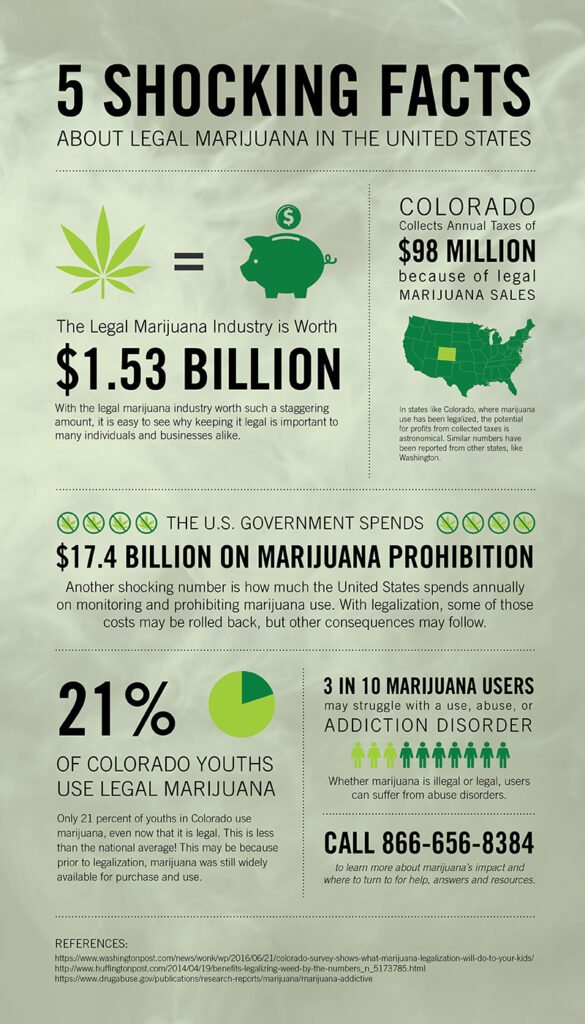
The prevalence of cannabis use varies across different regions and age groups. In recent years, there has been an increase in cannabis use, partially due to the changing attitudes and the legalization of cannabis in some jurisdictions. According to national survey data, approximately 9% of cannabis users may develop an addiction.
Factors Contributing to Addiction Risk
Various factors contribute to the risk of developing an addiction to cannabis. These include genetic predisposition, early initiation of use, frequent and heavy use, co-occurring mental health conditions, and environmental factors such as peer influence or availability of the drug. Understanding these risk factors can help identify individuals who may be at a higher risk of developing an addiction.
Association with Other Substance Use Disorders
Cannabis use has been found to be associated with an increased risk of developing other substance use disorders. Individuals who use cannabis may be more likely to experiment with other substances, such as alcohol or illicit drugs. The exact relationship between cannabis use and subsequent substance use disorders is still a topic of ongoing research.
Marijuana as a Gateway Drug
Definition of Gateway Drug
The concept of a gateway drug suggests that using one substance, such as cannabis, may lead to the use of other more addictive or harmful substances. The term “gateway drug” implies a causal relationship, although the evidence supporting this concept is still debated among researchers.
Research on Cannabis as a Gateway Drug
Numerous studies have examined the relationship between cannabis use and subsequent use of other substances. While some studies suggest a correlation between cannabis use and increased likelihood of trying other substances, the evidence for a causal connection is inconclusive. The gateway theory remains a subject of ongoing debate and further research is needed to fully understand this phenomenon.
Theoretical Explanations
Several theories attempt to explain the potential gateway effect of cannabis use. One theory suggests that early cannabis use may alter the brain’s reward system and sensitivity, making individuals more susceptible to seeking out other substances. Another theory proposes that social factors, such as exposure to drug-using peers, play a significant role in the progression to other substances.
Controversy and Conflicting Evidence
The gateway drug theory is not without controversy, and many researchers question its validity. Some argue that the association between cannabis and subsequent substance use can be explained by common risk factors or shared vulnerability to addictive behaviors. Additionally, confounding variables and methodological limitations in certain studies make it challenging to draw definitive conclusions.

Cannabis Addiction: Diagnosis and Symptoms
Diagnostic Criteria for Cannabis Use Disorder
The Diagnostic and Statistical Manual of Mental Disorders (DSM-5) outlines specific diagnostic criteria for cannabis use disorder (CUD). These criteria include problematic cannabis use resulting in clinically significant impairment or distress, unsuccessful attempts to cut down or control use, tolerance, withdrawal symptoms, and continued use despite negative consequences. Severity is further classified as mild, moderate, or severe based on the number of symptoms present.
Common Symptoms and Behaviors
Individuals with cannabis use disorder may exhibit various symptoms and behaviors. These can include cravings, spending a significant amount of time seeking or using cannabis, neglecting obligations or social, recreational, or occupational activities due to cannabis use, and persistent use despite the knowledge of its harmful effects. These symptoms can significantly impact an individual’s overall functioning and well-being.
Severity Levels
Cannabis use disorder can vary in severity, with mild cases showing fewer symptoms and less impairment compared to severe cases. Assessing the severity of the disorder is crucial for determining appropriate treatment approaches and interventions. Early identification and intervention can help prevent the progression of the disorder and its associated negative consequences.
Withdrawal and Dependence
Physical and Psychological Dependence
Cannabis use can lead to both physical and psychological dependence. Physical dependence is characterized by the development of withdrawal symptoms when cannabis use is reduced or discontinued. Psychological dependence refers to the emotional and mental reliance on cannabis to cope with stress, regulate emotions, or experience pleasure.
Withdrawal Symptoms
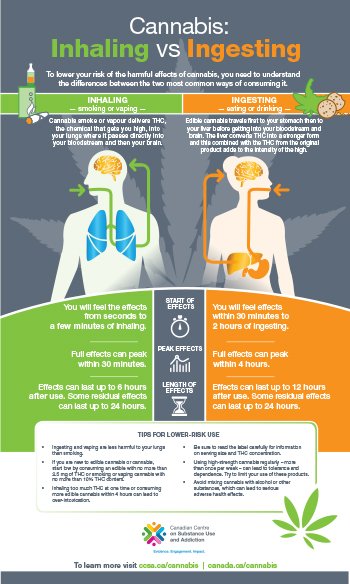
When individuals with cannabis dependence stop or reduce their use, they may experience withdrawal symptoms. These symptoms can include irritability, insomnia, anxiety, depression, appetite changes, and restlessness. Withdrawal symptoms typically peak within the first week of abstinence and can last for a couple of weeks.
Timeline and Duration of Withdrawal
The duration and intensity of cannabis withdrawal can vary among individuals. Generally, withdrawal symptoms begin within 1 to 3 days after the last use and subside within 2 weeks. However, certain factors such as the frequency and duration of use, potency of the cannabis, and individual differences can influence the timeline and duration of withdrawal.
Treatment Options for Cannabis Addiction
Psychotherapy and Counseling
Psychotherapy, such as cognitive-behavioral therapy (CBT), is a common treatment approach for cannabis addiction. CBT helps individuals identify and modify dysfunctional thoughts and behaviors related to drug use. Counseling can also provide support, education, and coping strategies to help individuals maintain abstinence and address underlying issues contributing to addiction.
Behavioral Interventions
Various behavioral interventions, such as motivational interviewing, contingency management, and relapse prevention strategies, can be effective in treating cannabis addiction. These approaches aim to enhance motivation for change, reinforce positive behaviors, and develop skills to cope with cravings and high-risk situations.
Pharmacological Approaches
Although there are currently no medications approved specifically for cannabis addiction, certain medications can be used to manage withdrawal symptoms and co-occurring mental health conditions. These medications may include antidepressants, anti-anxiety medications, or sleep aids. It is important to consult with a healthcare professional to determine the most appropriate medication options.
Support Groups and Self-Help
Support groups, such as Marijuana Anonymous, can provide a valuable source of support, encouragement, and accountability for individuals recovering from cannabis addiction. Additionally, self-help resources, such as books, online forums, and mobile applications, may offer guidance and tools to help individuals maintain sobriety and navigate the recovery process.
Impact of Cannabis Legalization on Addiction Rates
Overview of Cannabis Legalization
In recent years, several countries and states have implemented various forms of cannabis legalization, including medical and/or recreational use. The legalization of cannabis has sparked debates regarding its potential impact on addiction rates and public health.
Effects on Cannabis Use and Addiction
The impact of cannabis legalization on addiction rates is a complex and ongoing topic of study. Some argue that legalization leads to increased availability and use, potentially contributing to higher rates of addiction. Others contend that regulation and control measures associated with legalization can help mitigate the risks and provide opportunities for harm reduction strategies.
Public Health Implications
Cannabis legalization has implications for public health, including the need for education and prevention programs, regulation of potency and labeling, and monitoring of cannabis use and its associated risks. It is essential for policymakers and healthcare professionals to work collaboratively to ensure that public health measures are in place to address potential challenges and promote responsible use.
Critiques and Concerns
Critics of cannabis legalization express concerns about the potential normalization of cannabis use, particularly among vulnerable populations such as adolescents. They also caution against the potential negative consequences of increased cannabis availability, such as impaired driving, workplace safety issues, and potential long-term health effects. Ongoing research and comprehensive monitoring are necessary to address these concerns effectively.
Cannabis Use Disorder and Co-Occurring Mental Health Conditions
Common Comorbidities
Individuals with cannabis use disorder often have co-occurring mental health conditions. Some of the most common comorbidities include anxiety disorders, depression, bipolar disorder, and schizophrenia. The presence of these conditions can complicate the treatment process and require a comprehensive approach addressing both substance use and mental health concerns.
Bidirectional Relationship
The relationship between cannabis use disorder and mental health conditions is often bidirectional. Cannabis use may be a form of self-medication to alleviate symptoms of mental health disorders, while the substance use itself can worsen or trigger mental health symptoms. It is crucial to address both the substance use disorder and the co-occurring mental health condition to optimize treatment outcomes.
Understanding the Link
The underlying mechanisms linking cannabis use disorder and mental health conditions are still being studied. It is believed that genetic, environmental, and neurobiological factors may contribute to the development of both disorders. Additionally, shared vulnerabilities, such as impaired impulse control or dysfunctional coping mechanisms, may also play a role in the co-occurrence.
Treatment Considerations
Treating cannabis use disorder in the presence of co-occurring mental health conditions requires an integrated and multidimensional approach. Comprehensive assessment, individualized treatment planning, and ongoing monitoring are necessary to address both disorders effectively. Treatment may involve a combination of psychotherapy, medication management, and support services tailored to the individual’s unique needs.
Long-Term Effects of Cannabis Addiction
Cognitive and Memory Impairments
Long-term cannabis addiction has been associated with cognitive impairments, particularly in areas such as attention, memory, and executive functioning. Heavy and prolonged cannabis use during adolescence, when the brain is still developing, may have more pronounced effects on cognitive function.
Psychological and Emotional Consequences
Chronic cannabis addiction can have psychological and emotional consequences. Individuals may experience increased anxiety, depression, irritability, or mood swings. These effects can impact overall mental well-being and interfere with daily functioning and quality of life.
Impact on Educational and Occupational Functioning
Cannabis addiction can significantly impair educational and occupational functioning. Chronic use may lead to decreased motivation, poor academic or work performance, absenteeism, or difficulty maintaining employment. These challenges can have long-term implications on an individual’s educational attainment and career prospects.
Physical Health Effects
While the long-term physical health effects of cannabis addiction are still being studied, chronic cannabis use has been associated with potential respiratory problems, cardiovascular risks, and cannabinoid hyperemesis syndrome. It is important to consider the potential physical health consequences of cannabis addiction and prioritize overall well-being.
In conclusion, understanding the effects of cannabis on the brain and its potential for addiction is crucial in addressing the complexities surrounding cannabis use. Recognizing the signs and symptoms of addiction, considering the risk factors associated with cannabis use, and exploring treatment options are important steps to support individuals dealing with cannabis addiction. Additionally, ongoing research and continuous monitoring of the impact of cannabis legalization are necessary to inform public health policies and interventions. As with any addiction, early identification, intervention, and access to comprehensive and tailored treatment can make a significant difference in promoting recovery and overall well-being.