
In the fight against cervical cancer, vaccination and safe practices play a vital role in prevention. By protecting yourself through vaccination, you can significantly reduce the risk of developing this potentially life-threatening disease. Additionally, adopting safe practices such as regular screenings and practicing safe sex can further enhance your protection against cervical cancer. This article explores the importance of vaccination and safe practices in preventing cervical cancer, offering valuable insights and advice on how to safeguard your health.
Preventing Cervical Cancer: Vaccination and Safe Practices
Welcome to an informative article on preventing cervical cancer! This article will provide you with a comprehensive understanding of cervical cancer, the importance of prevention, and the key preventive measures you can take, including vaccination and adopting safe practices. By being proactive, you can greatly reduce the risk of developing this potentially life-threatening disease.
Understanding Cervical Cancer
Cervical cancer is a type of cancer that affects the cervix, the lower part of the uterus. It primarily occurs due to persistent infection with certain strains of the human papillomavirus (HPV), a sexually transmitted infection. Without proper prevention and early detection, cervical cancer can spread to other parts of the body and become difficult to treat.
Importance of Prevention
Prevention is crucial when it comes to cervical cancer. By taking proactive steps, you can significantly reduce your risk of developing the disease. Prevention not only saves lives but also reduces the burden on healthcare systems and individuals. By understanding the preventive measures available and adopting safe practices, you can protect yourself and contribute to the overall reduction in cervical cancer cases.
Vaccination: A Key Preventive Measure
Vaccination is one of the most important preventive measures for cervical cancer. It offers protection against the HPV strains most commonly associated with cervical cancer. Let’s explore the details of the HPV vaccine, the recommended schedule, and its safety and side effects.

1. HPV Vaccine
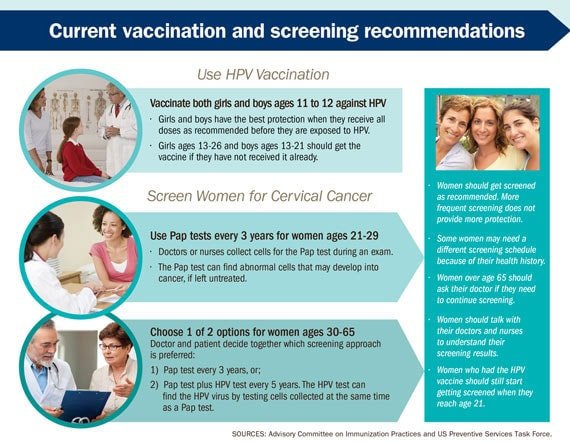
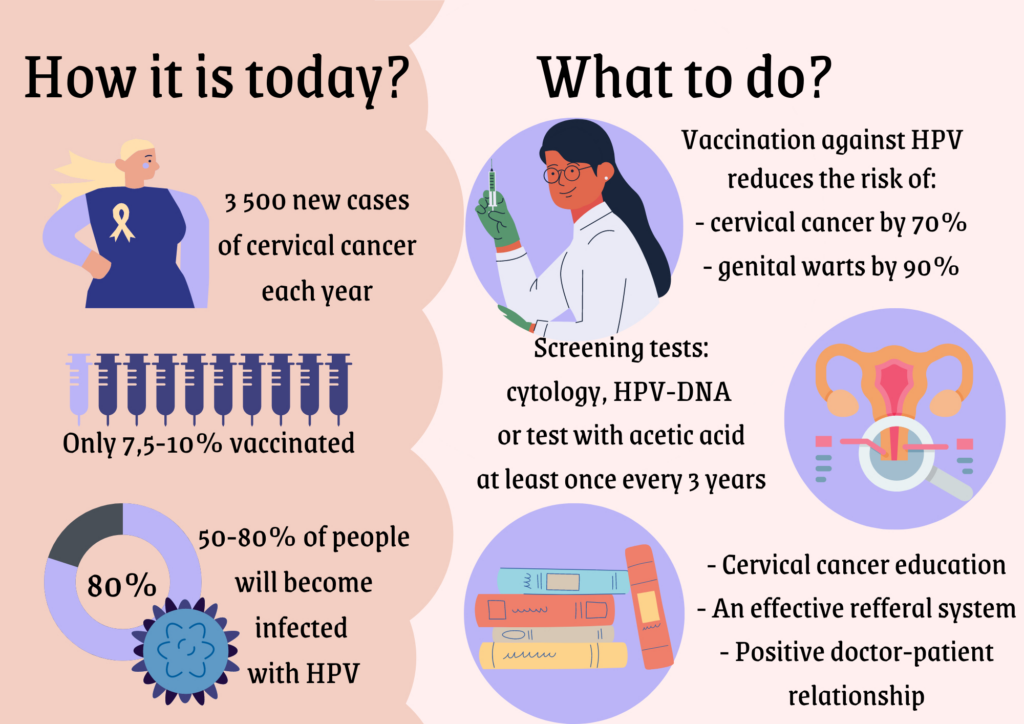
The HPV vaccine is a highly effective tool for preventing cervical cancer. It works by stimulating the body’s immune response to recognize and fight off the specific strains of HPV that can lead to cervical cancer. The vaccine is typically administered in two or three doses, depending on the age at which it is initiated. It is important to note that the HPV vaccine is most effective when administered before the onset of sexual activity.
2. Vaccine Schedule
The recommended vaccine schedule varies depending on the age of the individual receiving the vaccine. For individuals aged 9-14, two doses of the HPV vaccine are recommended, with an interval of six to twelve months between doses. If the vaccine is initiated after the age of 15, three doses are recommended, with the second dose administered one to two months after the first dose, and the third dose administered six months after the first dose.
3. Vaccine Safety and Side Effects
The HPV vaccine is considered safe, and millions of doses have been administered worldwide. Common side effects are generally mild and temporary, including pain at the injection site, low-grade fever, and dizziness. Serious side effects are extremely rare. It is important to consult with a healthcare professional to address any concerns or questions you may have before receiving the vaccine.
Safe Practices for Cervical Cancer Prevention
In addition to vaccination, adopting safe practices is crucial for preventing cervical cancer. Let’s explore some of these practices:
1. Regular Pap Tests
Regular Pap tests, also known as Pap smears, are essential for cervical cancer prevention. This screening test involves collecting cells from the cervix to detect any abnormal changes. Through regular Pap tests, any precancerous or cancerous cells can be identified early, allowing for prompt treatment and prevention of the development of invasive cervical cancer.
2. HPV Testing
Along with Pap tests, HPV testing can be done to identify the presence of high-risk HPV strains. This can be done simultaneously with a Pap test or as a separate test. HPV testing is particularly useful to determine the presence of persistent infection with high-risk strains, which can help guide the appropriate management and preventive measures.
3. Safe Sexual Practices
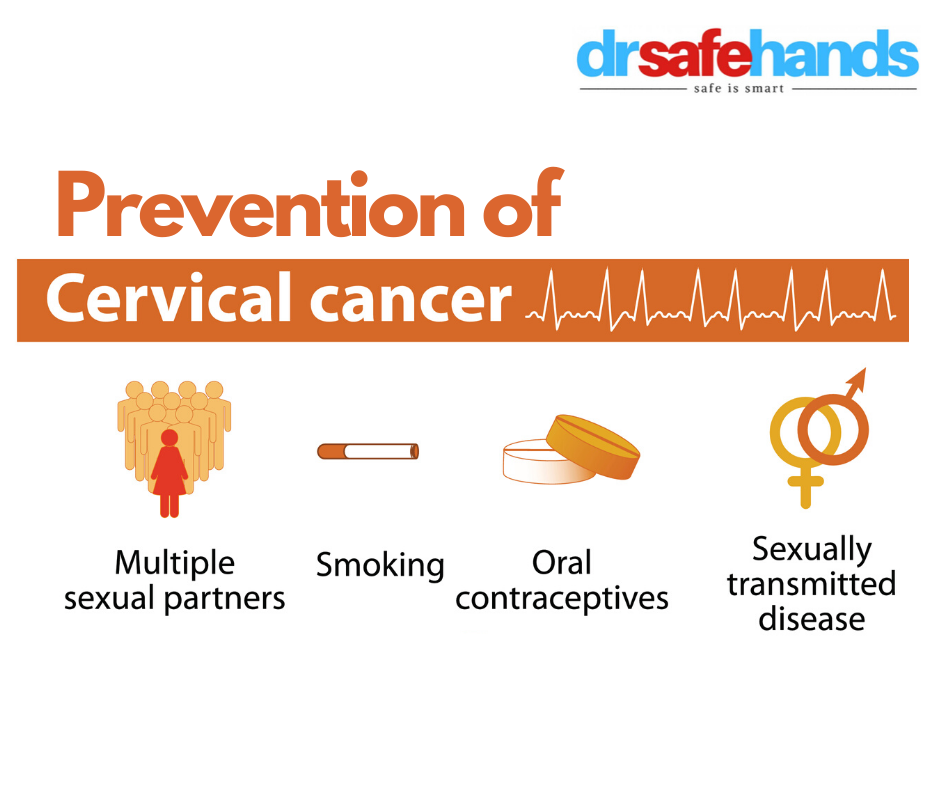
Practicing safe sex is crucial in preventing cervical cancer. This includes consistent and correct condom use, reducing the number of sexual partners, and engaging in healthy sexual relationships. By minimizing the risk of contracting and transmitting HPV, you can greatly reduce your chances of developing cervical cancer.
4. Avoiding High-Risk Behaviors
Certain behaviors can increase the risk of developing cervical cancer. These include smoking, which can impair the immune system and increase the likelihood of HPV persistence; engaging in early sexual activity, which can increase exposure to HPV; and having multiple sexual partners, which increases the risk of HPV transmission. By avoiding these high-risk behaviors, you can reduce your chances of developing cervical cancer.
Screening Guidelines and Early Detection
To ensure early detection of cervical cancer, it is essential to adhere to recommended screening guidelines. Let’s explore some guidelines related to Pap test frequency, the age of initial screening, and follow-up tests and treatment.

1. Pap Test Frequency
The frequency of Pap tests can vary depending on the individual’s age and previous results. In general, women aged 21-29 should have a Pap test every three years, while women aged 30-65 can opt for a Pap test every three years or a combination of a Pap test and HPV test every five years.
2. Age of Initial Screening
Most healthcare providers recommend initiating cervical cancer screening at the age of 21, regardless of sexual activity. It is important to note that even individuals who have received the HPV vaccine should still undergo regular cervical cancer screening as the vaccine does not protect against all types of HPV.
3. Follow-Up Tests and Treatment
If an abnormal result is detected during a Pap test, further testing, such as a colposcopy or biopsy, may be recommended. Treatment options for precancerous or cancerous cervical cells can vary depending on the extent and stage of the disease. It is essential to follow the guidance of healthcare professionals and seek appropriate treatment when necessary.
Educating Women and Raising Awareness
Education and awareness are vital in the fight against cervical cancer. Let’s explore how the importance of knowledge, promoting vaccination, and encouraging regular screening can contribute to prevention efforts.
1. Importance of Knowledge
By educating women about cervical cancer risk factors, prevention methods, and the importance of regular screening, we can empower individuals to make informed decisions about their health. Knowledge is key in understanding the potential risks and taking the necessary steps for prevention.
2. Promoting Vaccination
Promoting the HPV vaccine is crucial in preventing cervical cancer. By highlighting its safety and efficacy, addressing misconceptions, and encouraging parents and healthcare providers to prioritize vaccination, we can ensure a higher vaccination rate and protect more individuals from this preventable disease.
3. Encouraging Regular Screening
Regular screening plays a vital role in the early detection and prevention of cervical cancer. By raising awareness about the importance of Pap tests and HPV testing, we can encourage women to prioritize their regular screenings and ensure timely detection of any abnormalities.
Global Efforts and Challenges
Cervical cancer prevention is a global effort, but there are some challenges that need to be addressed. Let’s explore the accessibility and affordability of vaccines, cultural and social barriers, and how to overcome misconceptions.
1. Vaccine Accessibility and Affordability
In order for vaccination to be effective on a global scale, it is important to ensure accessibility and affordability of the HPV vaccine. Efforts should be made to make the vaccine widely available, especially in low-income countries where resources may be limited.
2. Cultural and Social Barriers
Cultural and social barriers can hinder preventive efforts against cervical cancer. Stigmas, misinformation, and lack of awareness can prevent women from seeking vaccination and engaging in regular screenings. By addressing cultural and social barriers, we can ensure that all women have access to preventive measures.
3. Overcoming Misconceptions
Misconceptions surrounding vaccination and cervical cancer can be a significant barrier to prevention. It is crucial to address these misconceptions through comprehensive education and awareness campaigns. By providing accurate information, we can combat misinformation and promote the uptake of preventive measures.
Conclusion
By understanding the importance of prevention and adopting appropriate measures, we can significantly reduce the burden of cervical cancer. Vaccination, combined with safe practices and regular screenings, is key to preventing this potentially life-threatening disease. It is our collective responsibility to educate women, raise awareness, and address global challenges to effectively combat cervical cancer. Remember, by taking proactive steps, you can protect yourself and contribute to a healthier future for everyone. Stay informed, stay safe, and prioritize your health!