
Croup can be a distressing experience for both you and your little one, as their cough becomes harsh and barking. But fear not, because there are natural remedies that can help soothe their cough and provide relief. In this article, we will explore some effective and safe ways to alleviate the symptoms of croup, allowing your child to breathe easier and sleep better. From steam therapy to honey and herbal teas, we’ve got you covered with these gentle remedies that will bring comfort to your little one during this challenging time.
Understanding Croup
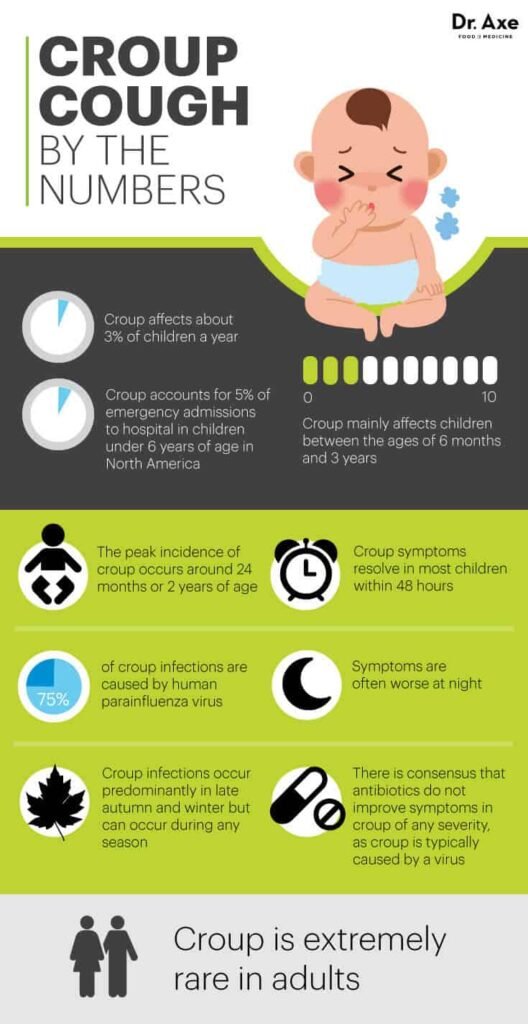
Croup is a common respiratory condition that primarily affects young children, causing inflammation and narrowing of the airways, particularly in the throat and voice box. It is most commonly caused by a viral infection, namely the parainfluenza virus, but can also be triggered by other respiratory viruses. Croup is characterized by a distinctive barking cough, hoarseness, and difficulty breathing. While it can be alarming for both children and parents, understanding the causes, symptoms, and appropriate treatment measures can help manage croup effectively.
What is croup?
Croup, also known as laryngotracheitis, is a condition characterized by inflammation of the voice box and trachea, resulting in airway constriction and difficulty breathing. It primarily affects young children between the ages of six months and three years, although it can occur in older children as well. The most common cause of croup is the parainfluenza virus, which leads to swelling of the throat, voice box, and windpipe. Croup often presents itself with a distinctive barking cough, hoarseness, and a harsh, raspy sound when breathing in, often described as a “seal-like” cough.
Causes of croup
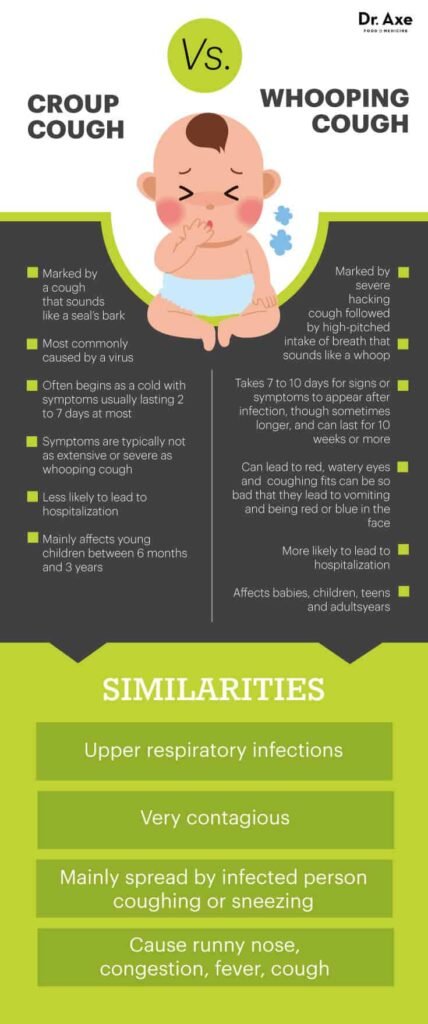
Croup is primarily caused by viral infections, with the parainfluenza virus being the most common culprit. Other respiratory viruses, such as influenza, adenovirus, and respiratory syncytial virus (RSV), can also lead to croup. These viruses are easily transmitted from person to person through respiratory droplets, making young children more susceptible due to their immature immune systems and close proximity to other children in daycare or school settings.
Symptoms of croup
Common symptoms of croup include a distinctive barking cough, hoarseness, and difficulty breathing. The cough may worsen at night or when the child is agitated. Additional symptoms may include a low-grade fever, runny nose, and a harsh, raspy sound when breathing in, also known as stridor. In severe cases, the child may exhibit retractions, where the skin between the ribs and above the collarbone sinks in with each breath, indicating significant respiratory distress.
When to Seek Medical Attention
While croup can often be managed at home with natural remedies and comfort measures, there are severe symptoms that should not be ignored. If your child experiences any of the following, it is essential to seek immediate medical attention:
Severe symptoms to watch for
- Struggling to breathe or significant difficulty breathing
- Blue-tinged lips or face
- Extreme restlessness or agitation
- Fatigue or lethargy
- High fever
- Difficulty swallowing or excessive drooling
- Inability to speak or make sounds
When to call the doctor
If your child’s croup symptoms persist or worsen despite home remedies, it is advisable to contact your healthcare provider. They can provide guidance on managing your child’s symptoms and may recommend further evaluation or treatment if necessary.
Natural Remedies for Soothing Croup
Although croup can be distressing for both children and parents, there are several natural remedies that can help alleviate symptoms and provide comfort to your little one. It is important to note that these remedies are supportive measures and should not replace professional medical advice. Always consult with your healthcare provider before trying any new treatments for croup.
Humidifiers and steam
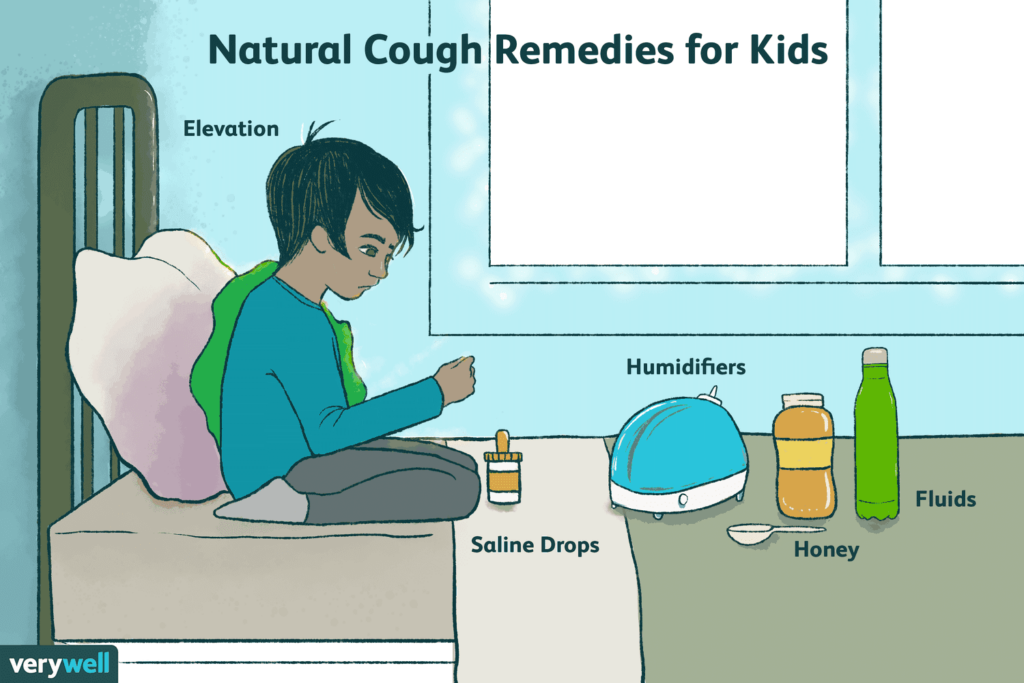
Using a humidifier in your child’s bedroom, especially during the colder months, can help add moisture to the air and ease breathing. Alternatively, creating a steam-filled environment by running a hot shower and allowing your child to breathe in the steam can also provide temporary relief from croup symptoms.
Steamy bathroom
In addition to using a humidifier, taking your child into a steamy bathroom can help moisten their airways and alleviate symptoms. Close the bathroom door and run hot water in the shower to create a steamy environment. Sit with your child in the bathroom for about 10-15 minutes, taking care to ensure their safety and comfort.
Cool mist vaporizers
Cool mist vaporizers, which emit a fine mist of water vapor into the air, can help soothe your child’s airways and ease their breathing. These devices are particularly useful during the night when croup symptoms tend to worsen.

Boosting Immunity
By strengthening your child’s immune system, you can help prevent and manage croup more effectively. Promoting proper nutrition, hydration, rest, and sleep, as well as incorporating immune-boosting foods into your child’s diet, can contribute to overall wellness.
Proper nutrition
A well-balanced diet rich in fruits, vegetables, whole grains, and lean proteins provides essential vitamins and minerals that support the immune system. Incorporate immune-boosting foods such as citrus fruits, berries, leafy greens, and yogurt into your child’s meals and snacks.
Hydration
Ensuring your child stays well-hydrated is crucial for their overall health and immune function. Encourage them to drink plenty of water throughout the day and offer fluids such as warm herbal teas or broths to soothe their throat.
Rest and sleep
Adequate rest and sleep are essential for your child’s immune system to function optimally. Establish a consistent bedtime routine and create a calm and comfortable sleep environment to promote quality sleep.
Vitamin C-rich foods
Vitamin C is known for its immune-boosting properties. Include foods such as oranges, strawberries, bell peppers, and kiwi in your child’s diet to provide a natural source of this important nutrient.
Soothing the Cough
The persistent cough associated with croup can be both uncomfortable and distressing for your child. Fortunately, several natural remedies can help alleviate their cough and provide relief.
Honey
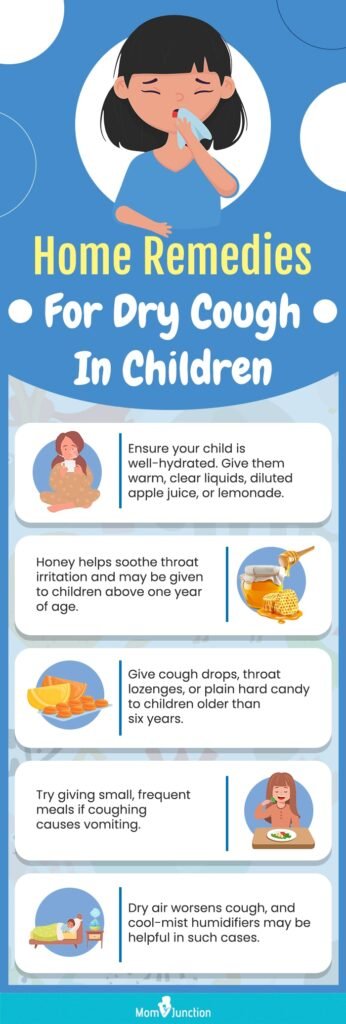
Honey has long been used as a natural cough suppressant due to its soothing properties. However, it is important to note that honey should not be given to children under one year of age due to the risk of infant botulism. For older children, adding a teaspoon of honey to warm herbal tea or giving them a spoonful of honey can help soothe their cough.
Liquorice root tea
Liquorice root tea has been used for centuries as a natural remedy for cough and respiratory conditions. Steep a tablespoon of liquorice root in boiling water for 10-15 minutes, then strain and allow the tea to cool before offering it to your child. The natural compounds in liquorice root can help reduce inflammation and soothe the throat.
Marshmallow root syrup
Marshmallow root syrup, derived from the marshmallow plant, has demulcent properties that can help coat and soothe the throat. You can find marshmallow root syrup at health food stores or prepare your own by simmering marshmallow root in water for several hours, straining, and adding honey for taste if desired. Offer a teaspoon of marshmallow root syrup to help alleviate your child’s cough.
Ease Breathing
To ease your child’s breathing during a croup episode, certain essential oils can be beneficial. However, it is important to use caution and follow appropriate dilution guidelines when using essential oils around children.
Eucalyptus oil
Eucalyptus oil has been traditionally used to relieve congestion and promote easier breathing. Mix a couple of drops of eucalyptus oil with a carrier oil, such as coconut or almond oil, and gently massage the diluted oil onto your child’s chest or back. The soothing aroma can help clear their airways and provide relief.
Peppermint oil
Peppermint oil is known for its cooling sensation and ability to open up congested airways. Similar to eucalyptus oil, dilute a few drops of peppermint oil in a carrier oil and massage onto your child’s chest or back. The invigorating scent can help ease breathing and alleviate discomfort.
Menthol rub
Over-the-counter menthol rubs, also known as chest rubs, can provide temporary relief from respiratory symptoms. Apply a thin layer of menthol rub to your child’s chest and back before bedtime to help ease their breathing throughout the night.
Gargling Solutions for Relief
Gargling with certain solutions can help soothe your child’s sore throat and alleviate discomfort. It is important to note that gargling is most suitable for older children who can safely perform this action without swallowing the solution.
Saltwater gargle
Saltwater gargles have been used for generations to relieve sore throats. Mix half a teaspoon of salt in a cup of warm water, ensuring the salt is fully dissolved. Have your child gargle with the solution for 30 seconds and then spit it out. Repeat this process several times a day to help reduce throat inflammation.
Apple cider vinegar gargle
Apple cider vinegar has antimicrobial properties and can help create an inhospitable environment for bacteria in the throat. Mix a tablespoon of apple cider vinegar with a cup of warm water and have your child gargle with the solution. It is important to emphasize rinsing the mouth with clean water afterward to prevent the acid in vinegar from affecting tooth enamel.
Chamomile tea gargle
Chamomile tea has soothing and anti-inflammatory properties that can help relieve throat discomfort. Brew a cup of chamomile tea, allow it to cool, and have your child gargle with the lukewarm tea. The gentle warmth and soothing properties of chamomile can provide temporary relief.
Soothing Sound Therapy
Sound therapy can be used as a non-invasive and comforting measure to help your child relax and alleviate the distress associated with croup symptoms.
White noise
Playing soft white noise, such as the sound of a fan or a gentle rainstorm, can help drown out any loud or distressing sounds, providing a calming effect for your child. White noise machines designed specifically for infants and children are widely available and can be a valuable addition to your child’s sleep routine.
Lullabies
Soothing lullabies and gentle music can create a relaxing atmosphere and help your child drift off to sleep. Singing or playing soft lullabies can also provide a sense of comfort and security during moments of coughing or discomfort.
Nature sounds
Nature sounds, such as ocean waves, chirping birds, or a tranquil forest, can create a peaceful ambiance and promote relaxation. Various mobile apps and devices offer a wide range of nature sounds that can be adjusted to suit your child’s preferences.
Comfort Measures
Alongside the natural remedies and therapies mentioned above, implementing comfort measures can help ease your child’s discomfort and provide a soothing environment.
Warm compress
Placing a warm compress or warm towel on your child’s chest or throat can help relieve congestion and loosen mucus, making breathing easier. Ensure the compress is not too hot and adjust the temperature to your child’s comfort.
Elevate the head
Raising the head of your child’s bed or crib slightly can help promote better airflow and reduce the severity of croup symptoms, particularly at night. Be mindful of safety and ensure that your child is securely positioned and comfortable.
Loose clothing
Dressing your child in loose-fitting clothing can minimize any pressure on their throat and chest, allowing for easier and more comfortable breathing. Opt for soft, breathable fabrics that do not restrict movement.
Non-Medical Treatment Techniques
In addition to natural remedies and comfort measures, certain non-medical treatments can help manage croup symptoms effectively.
Chest physical therapy
Chest physical therapy involves specific techniques to help loosen mucus and promote drainage in the lungs. This therapy is typically performed by healthcare professionals trained in respiratory care. If deemed necessary, your healthcare provider may recommend chest physical therapy as part of your child’s croup management.
Steam inhalation
Steam inhalation can help moisturize the airways and loosen mucus, making it easier for your child to cough it up. Create a steam tent by having your child inhale warm steam from a bowl of hot water. Take caution to prevent any accidents or burns by supervising your child closely during the process.
Herbal remedies
Some herbal remedies, such as licorice root and slippery elm bark, are believed to have soothing properties and may help alleviate croup symptoms. However, it is important to consult with a healthcare professional or a qualified herbalist before administering any herbal remedies to your child.
In conclusion, understanding croup and its symptoms is crucial for effectively managing this common respiratory condition in children. While natural remedies, comfort measures, and non-medical treatment techniques can provide relief, it is essential to seek medical attention for severe symptoms or if croup symptoms worsen. By incorporating these strategies and following the advice of healthcare professionals, you can support your little one’s recovery and provide them with the comfort they need during this challenging time. Remember to always consult with a healthcare provider before making any changes to your child’s treatment plan or introducing new remedies.