
In this article, you will gain a deeper understanding of Dementia with Lewy Bodies (DLB), a condition that affects millions of individuals worldwide. DLB is a complex progressive disorder that involves both cognitive and physical symptoms, making it one of the most challenging forms of dementia. Through exploring the key characteristics and common symptoms associated with DLB, you will be equipped with valuable knowledge that can help in recognizing, diagnosing, and providing support for those affected by this condition. So, let’s embark on this informative journey together and unravel the complexities of Dementia with Lewy Bodies.

What is Dementia with Lewy Bodies?
Dementia with Lewy Bodies (DLB) is a neurodegenerative disorder characterized by abnormal protein deposits in the brain called Lewy bodies. These protein aggregates are found in specific regions of the brain responsible for cognitive, psychiatric, and motor functions. DLB is considered one of the most common forms of dementia, accounting for about 10% to 15% of all cases, and it shares some similarities with both Alzheimer’s disease and Parkinson’s disease.
Definition
DLB is defined by the presence of Lewy bodies in the brain, which are abnormal clumps of alpha-synuclein protein. These protein clumps disrupt the normal functioning of brain cells, leading to a range of cognitive, psychiatric, and motor symptoms. DLB is often associated with fluctuations in cognitive abilities, visual hallucinations, and parkinsonism (movement problems similar to Parkinson’s disease).
Prevalence
DLB affects a significant number of individuals worldwide. It is estimated that DLB accounts for approximately 10% to 15% of all dementia cases, making it the second most common form of neurodegenerative dementia after Alzheimer’s disease. DLB tends to be more prevalent in older adults, with the risk of developing the disease increasing with age. It is crucial to raise awareness about DLB to ensure early diagnosis and appropriate management of symptoms.
Causes and Risk Factors
The exact causes of DLB are still unclear, but research suggests a combination of underlying mechanisms, genetic factors, and environmental influences.
Underlying Mechanisms
DLB is associated with the abnormal accumulation of alpha-synuclein protein in the brain, forming Lewy bodies. These protein aggregates disrupt communication between brain cells, causing neuronal dysfunction and ultimately leading to the symptoms of DLB. Additionally, researchers have also identified alterations in other proteins and neurotransmitters in individuals with DLB, contributing to the progression of the disease.
Genetic Factors
Although the majority of DLB cases occur sporadically without a known genetic cause, there is evidence that genetic factors may influence an individual’s susceptibility to develop DLB. Variations in certain genes, such as the APOE gene, have been associated with an increased risk of developing DLB. Further research is needed to fully understand the genetic components of DLB and their interactions with other factors.
Environmental Factors
Environmental factors, such as exposure to certain toxins or chemicals, may also play a role in the development of DLB. However, the specific environmental triggers have not been fully identified. Continued research is necessary to elucidate the relationship between environmental factors and DLB.
Signs and Symptoms
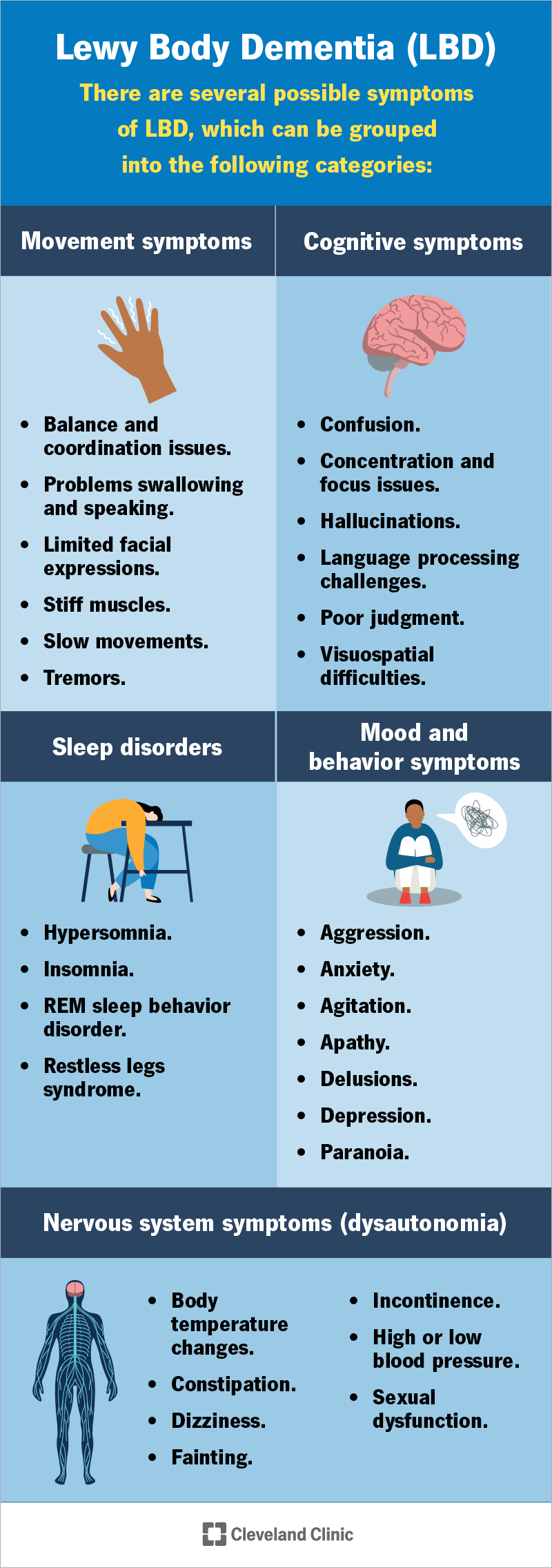
DLB is characterized by a combination of cognitive, psychiatric, and motor symptoms. The symptoms can vary from person to person and may fluctuate throughout the course of the disease.
Cognitive Symptoms
Cognitive symptoms in DLB often include difficulties with memory, attention, and executive functions. Individuals may experience fluctuations in their cognitive abilities, with periods of clarity followed by periods of confusion or disorientation. These fluctuations can make it challenging to perform daily tasks and impact overall quality of life.
Psychiatric Symptoms
Psychiatric symptoms are also common in DLB and may include visual hallucinations, which are typically vivid and detailed. Delusions, often paranoid in nature, can also occur. Additionally, individuals with DLB may experience depression, anxiety, apathy, and emotional lability, further impacting their psychological well-being.
Motor Symptoms
Similar to Parkinson’s disease, DLB is associated with motor symptoms such as stiffness, slowness of movement, and tremors. These parkinsonian features can significantly affect mobility and independence. In some cases, individuals with DLB may also experience instability and falls, which can lead to injuries.
Diagnosis
Diagnosing DLB can be challenging due to its overlapping symptoms with other neurodegenerative disorders. A comprehensive evaluation is necessary to establish a definitive diagnosis.
Medical History and Physical Examination
Obtaining a thorough medical history, including details of symptom onset and progression, is crucial in the diagnostic process. A physical examination is also conducted to assess motor symptoms, muscle stiffness, and other physical signs that may indicate DLB.
Cognitive and Neurological Assessments
Cognitive assessments, such as memory tests and attention tests, are performed to evaluate the extent of cognitive impairment and assess specific cognitive domains affected by DLB. Neurological assessments, including assessments of motor function and reflexes, help identify any parkinsonian features present.
Imaging and Biomarker Tests
Imaging tests, such as magnetic resonance imaging (MRI) or positron emission tomography (PET), may be conducted to assess the structure and function of the brain. These tests can help identify any significant abnormalities consistent with DLB. Biomarker tests, such as cerebrospinal fluid analysis, may also be used to detect certain proteins indicative of DLB.

Treatment Options
While there is currently no cure for DLB, several treatment options can help manage the symptoms and improve quality of life for individuals with the condition.
Medications
Medications can be prescribed to address specific symptoms of DLB. Cholinesterase inhibitors, such as donepezil, rivastigmine, and galantamine, are commonly used to manage cognitive symptoms. These medications work by increasing levels of acetylcholine, a neurotransmitter involved in memory and cognitive processes. Other medications, such as antipsychotics, may be prescribed cautiously to manage psychiatric symptoms, including hallucinations and delusions.
Non-pharmacological Approaches
Non-pharmacological approaches are an essential part of managing DLB and can significantly contribute to symptom management and overall well-being. These approaches may include occupational therapy to improve daily functioning, physical therapy to address motor symptoms and enhance mobility, and speech therapy to address any communication difficulties. Additionally, caregiver support and education are crucial to ensure a supportive environment for individuals with DLB.
Living with Dementia with Lewy Bodies
A diagnosis of DLB can be challenging for both the individual and their family members. However, there are various coping strategies and support systems available to help manage the condition effectively.
Coping Strategies for Individuals
Individuals with DLB can benefit from implementing certain coping strategies to manage their daily lives. Establishing a routine and maintaining a structured environment can help reduce stress and confusion. Using memory aids, such as calendars, notes, and reminders, can assist with memory difficulties. Engaging in mentally stimulating activities, such as puzzles and cognitive exercises, may also help maintain cognitive functioning.
Support for Family and Caregivers
DLB not only affects the individual diagnosed but also has a significant impact on their family and caregivers. Seeking support from healthcare professionals, support groups, and community organizations can provide valuable information, resources, and emotional support. Caregivers should prioritize self-care and ensure they have access to respite care when needed. Open communication within the family can foster understanding and enhance the caregiving experience.

Managing Symptoms and Complications
DLB is associated with various symptoms and complications that require specific management strategies.
Sleep Disturbances
Sleep disturbances, such as excessive daytime sleepiness, rapid eye movement (REM) sleep behavior disorder, and insomnia, are common in DLB. Non-pharmacological approaches, such as maintaining a regular sleep schedule, avoiding stimulants before bedtime, and creating a restful environment, may help improve sleep quality. In some cases, medications can be prescribed to manage sleep disturbances.
Hallucinations and Delusions
Visual hallucinations and delusions can be distressing for individuals with DLB and their caregivers. Non-pharmacological interventions, including distraction techniques and reassurance, can help manage these symptoms. When necessary, medications may be prescribed carefully to alleviate hallucinations and delusions.
Falls and Mobility Issues
Parkinsonian features and balance problems put individuals with DLB at an increased risk of falls and mobility issues. Physical therapy and exercise programs tailored to individual needs can help improve balance, strength, and mobility, reducing the risk of falls. Safety modifications in the home environment, such as installing handrails and removing tripping hazards, can also help prevent accidents.
Prognosis and Progression
The progression of DLB varies from person to person, making it difficult to predict the exact course of the disease. However, DLB generally follows a progressive pattern with distinct stages.
Stages of Dementia with Lewy Bodies
DLB is often categorized into three stages: mild, moderate, and severe. In the mild stage, individuals may experience subtle cognitive changes, such as difficulties with memory and attention. The moderate stage is characterized by more pronounced cognitive decline, worsening motor symptoms, and increased dependence on others. In the severe stage, individuals with DLB may require round-the-clock care and experience severe cognitive and motor impairments.
Predicting the Disease Course
Predicting the disease course of DLB remains challenging due to the variability in symptom progression among individuals. Factors such as age, overall health, and the presence of comorbidities can influence the rate of disease progression. Regular medical follow-ups and ongoing assessments are essential to monitor changes and adjust treatment strategies accordingly.

Research and Advances
Ongoing research aims to deepen our understanding of DLB and develop innovative therapies and interventions to improve the lives of individuals affected by the condition.
Current Studies
Researchers are actively investigating various aspects of DLB, including its underlying mechanisms, genetic factors, and potential biomarkers. Studies are underway to explore the effectiveness of new medications, non-pharmacological interventions, and psychosocial support programs. By participating in research studies, individuals with DLB and their families can contribute to the advancement of knowledge and potential breakthroughs.
Potential Therapies and Interventions
Promising therapies and interventions are being explored to target specific symptoms and slow the progression of DLB. These include novel medications that target the accumulation of alpha-synuclein protein and potential disease-modifying treatments. Additionally, advances in technology, such as wearable devices and assistive technologies, may offer new avenues for symptom management and support.
Conclusion
Dementia with Lewy Bodies is a complex neurodegenerative disorder characterized by cognitive, psychiatric, and motor symptoms. Although there is currently no cure for DLB, early diagnosis, comprehensive management strategies, and ongoing research offer hope for improving the lives of individuals with this condition. With increased awareness, support from healthcare professionals, and a strong support network, individuals with DLB and their families can navigate the challenges of the disease and maintain a fulfilling life.