
Imagine finding yourself in a situation where a loved one starts experiencing memory loss, confusion, and changes in behavior. It’s important to understand that this could be a symptom of a condition called Dementia with Lewy Bodies (DLB). In this article, we will explore the causes and risk factors associated with DLB, shedding light on this complex condition and providing you with the knowledge you need to navigate this journey with empathy and support.
Overview of Dementia with Lewy Bodies
Dementia with Lewy Bodies (DLB) is a progressive neurodegenerative disorder that affects brain function. It is characterized by the presence of abnormal deposits of a protein called alpha-synuclein, known as Lewy bodies, in the brain. These Lewy bodies disrupt the normal functioning of nerve cells and lead to a decline in cognitive abilities, as well as other physical and behavioral symptoms.
Definition
DLB is a type of dementia that shares features with both Parkinson’s disease and Alzheimer’s disease. It is considered to be the second most common form of dementia after Alzheimer’s disease and accounts for approximately 10-15% of all dementia cases. DLB is often underdiagnosed or misdiagnosed due to the complexity of its symptoms and the overlap with other neurodegenerative disorders.
Prevalence
The prevalence of DLB varies across different populations and age groups. It is more commonly diagnosed in individuals over the age of 60, with the risk of developing DLB increasing with age. Studies suggest that men have a slightly higher risk of developing DLB compared to women. However, more research is needed to fully understand the prevalence and risk factors of this condition.
Symptoms
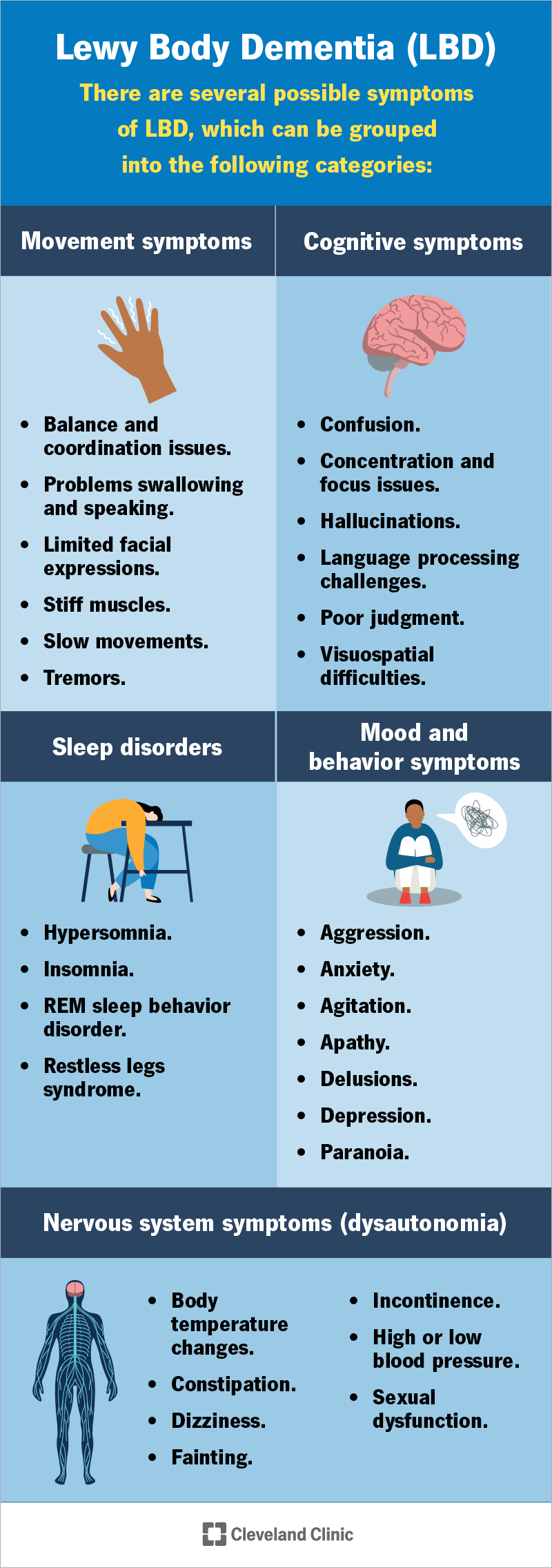
DLB is characterized by a range of symptoms that can vary among individuals. Cognitive symptoms include memory loss, confusion, and difficulties with attention and problem-solving. Visual hallucinations are also common in DLB, along with fluctuations in alertness and attention. Additionally, motor symptoms like stiffness, tremors, and problems with balance and coordination may occur. Sleep disturbances, depression, and anxiety are also frequently observed in individuals with DLB. The combination of these symptoms can significantly impact daily functioning and quality of life.
Causes of Dementia with Lewy Bodies
The exact cause of DLB is not known, but it is believed to result from a combination of genetic and environmental factors.
Genetic Factors
There is evidence to suggest that genetic factors play a role in the development of DLB. Mutations in certain genes, such as the SNCA gene that encodes for alpha-synuclein, have been linked to the development of DLB. However, these genetic mutations are relatively rare and are only found in a small percentage of individuals with DLB.
Alpha-synuclein Accumulation
The accumulation of alpha-synuclein in the brain is a hallmark feature of DLB. Alpha-synuclein is a protein involved in the regulation of neurotransmitter release in the brain. In DLB, this protein forms abnormal clumps called Lewy bodies, which disrupt the normal functioning of nerve cells. These Lewy bodies are thought to contribute to the neurodegenerative process and the development of cognitive and motor symptoms seen in DLB.

Risk Factors for Dementia with Lewy Bodies
While the exact cause of DLB remains unclear, several risk factors have been identified that may increase the likelihood of developing the condition.
Age
Advancing age is one of the strongest risk factors for DLB. The risk of developing DLB increases with age, particularly after the age of 60. It is important to note, however, that DLB can also affect younger individuals, although it is relatively less common in this age group.
Gender
Some studies suggest that DLB may occur slightly more frequently in men compared to women. However, more research is needed to fully understand the gender-specific risk factors associated with this condition.
Family History
Having a family history of DLB or other neurodegenerative disorders, such as Parkinson’s disease or Alzheimer’s disease, may increase the risk of developing DLB. Although the exact genetic factors involved are still being studied, it is believed that certain genetic variations or mutations may predispose individuals to the development of DLB.
Medical Conditions Linked to Dementia with Lewy Bodies
DLB shares several similarities with other neurodegenerative disorders, and individuals with certain medical conditions may have an increased risk of developing DLB.
Parkinson’s Disease
DLB and Parkinson’s disease are closely related, with some studies suggesting that they may be part of a spectrum of diseases. Both conditions involve the accumulation of Lewy bodies in the brain and share similar motor symptoms, such as stiffness, tremors, and balance problems. In some cases, individuals initially diagnosed with Parkinson’s disease may later develop cognitive symptoms that meet the criteria for a diagnosis of DLB.
Alzheimer’s Disease
DLB and Alzheimer’s disease often coexist in individuals, making it challenging to differentiate between the two. These two conditions share common symptoms, such as memory loss and cognitive decline. However, in DLB, the presence of visual hallucinations and fluctuations in attention and alertness are more prominent. The coexistence of DLB and Alzheimer’s disease is sometimes referred to as “Lewy body variant of Alzheimer’s disease.”
Depression
There is a bidirectional relationship between depression and DLB, with depression being both a risk factor for and a common symptom of DLB. Depression can precede the onset of cognitive symptoms in DLB, and individuals with DLB may experience worsening depressive symptoms. The exact mechanisms underlying this relationship are still not fully understood and require further investigation.

Neurochemical Abnormalities in Dementia with Lewy Bodies
DLB is associated with various neurochemical abnormalities that contribute to the pathophysiology of the condition.
Dopamine Deficiency
DLB is characterized by a significant loss of dopamine-producing cells in the brain. Dopamine is a neurotransmitter involved in motor control, mood regulation, and cognitive function. The loss of dopamine in DLB contributes to the motor symptoms and cognitive decline seen in the condition.
Acetylcholine Imbalance
Acetylcholine is another important neurotransmitter involved in learning, memory, and attention. In DLB, there is an imbalance in the levels of acetylcholine, with decreased levels contributing to cognitive impairment. Treatments targeting the restoration of acetylcholine balance have shown some effectiveness in improving cognitive symptoms in individuals with DLB.
Serotonin Dysfunction
Serotonin is a neurotransmitter involved in mood regulation and sleep-wake cycles. Dysfunction of the serotonin system is commonly observed in DLB and may contribute to the development of depression, anxiety, and sleep disturbances frequently seen in individuals with this condition.
Impact of Lewy Bodies on Brain Function
The presence of Lewy bodies in DLB has a significant impact on brain function, leading to a range of symptoms and impairments.
Neurotransmitter Disruption
The accumulation of Lewy bodies in the brain disrupts the normal functioning of nerve cells and interferes with the release and transmission of neurotransmitters. This disruption affects various brain regions involved in memory, attention, mood regulation, and motor control, leading to the wide array of symptoms seen in DLB.
Impaired Cognitive Abilities
DLB primarily affects cognitive function, with individuals experiencing a decline in memory, attention, language, and problem-solving skills. The severity of cognitive impairment can vary between individuals, but it generally progresses over time, affecting daily functioning and independence.
Motor Dysfunction
Motor symptoms, including stiffness, tremors, and problems with balance and coordination, are common in DLB. These symptoms are often similar to those seen in Parkinson’s disease and are thought to be a result of the disruption of dopamine pathways in the brain.

Diagnostic Criteria for Dementia with Lewy Bodies
Accurate diagnosis of DLB is crucial for providing appropriate care and management. Diagnostic criteria have been established to guide healthcare professionals in identifying individuals with DLB.
Clinical Symptoms
DLB is diagnosed based on a combination of clinical symptoms. Major and supportive criteria have been established, with major criteria consisting of cognitive fluctuations, visual hallucinations, and parkinsonism. Supportive criteria include rapid eye movement (REM) sleep behavior disorder and severe sensitivity to neuroleptic medications.
Neuropsychological Testing
Neuropsychological testing is often used to assess cognitive function in individuals suspected of having DLB. These tests evaluate various cognitive domains, including memory, attention, language, and executive function. The results of these tests can provide valuable information to support the diagnosis of DLB.
Brain Imaging
Brain imaging techniques, such as magnetic resonance imaging (MRI) and positron emission tomography (PET), may be used to assess structural and functional changes in the brain associated with DLB. These imaging studies can help identify the presence of Lewy bodies and rule out other potential causes of cognitive decline.
Management and Treatment Options for Dementia with Lewy Bodies
Management of DLB involves a comprehensive approach aimed at addressing the cognitive, motor, and behavioral symptoms associated with the condition.
Pharmacological Therapies
There are currently no medications specifically approved for the treatment of DLB. However, certain medications used to manage symptoms in other neurodegenerative disorders, such as cholinesterase inhibitors and dopaminergic medications, may be prescribed off-label to address cognitive and motor symptoms in DLB.
Non-Pharmacological Approaches
Non-pharmacological approaches, such as cognitive stimulation therapy, physical exercise, and occupational therapy, can also play a crucial role in managing the symptoms of DLB. These interventions aim to maintain cognitive function, improve physical mobility, and enhance overall quality of life.
Supportive Care
Providing appropriate support and care is essential for individuals with DLB. This may involve creating a structured environment, ensuring safety at home, and offering emotional support to both the individual with DLB and their caregivers. Support groups and respite services can also help alleviate caregiver burden and provide valuable resources for coping with the challenges of DLB.

Prognosis and Outlook for Individuals with Dementia with Lewy Bodies
The prognosis for individuals with DLB varies and is influenced by factors such as the severity of cognitive impairment, the presence of other medical conditions, and the availability of supportive care. DLB is a progressive disorder, and over time, individuals may experience a decline in cognitive abilities, functional impairment, and an increased risk of developing other health complications.
Progression of Symptoms
The progression of symptoms in DLB is typically gradual, with cognitive decline often occurring alongside worsening motor symptoms. However, the rate of progression can vary among individuals, and some individuals may experience periods of relative stability followed by rapid deterioration.
Impact on Quality of Life
DLB can significantly impact an individual’s quality of life, as it affects various aspects of daily functioning, including cognition, mobility, and social interactions. The combination of cognitive and motor symptoms can lead to difficulties in performing everyday tasks and maintaining independence.
Caregiver Burden
DLB not only affects individuals with the condition but also places a significant burden on caregivers. Providing care for individuals with DLB can be physically and emotionally demanding, and caregivers may experience increased stress, fatigue, and social isolation. Access to support services, respite care, and educational resources is crucial to help alleviate caregiver burden and improve the overall well-being of both individuals with DLB and their caregivers.
Research Advances in Dementia with Lewy Bodies
Ongoing research in DLB aims to improve our understanding of the underlying mechanisms, develop reliable diagnostic tools, and identify novel treatment options.
Identification of Biomarkers
Researchers are investigating various biomarkers, such as levels of specific proteins in the cerebrospinal fluid or changes in brain imaging, that may aid in the early and accurate diagnosis of DLB. The identification of biomarkers could help improve the specificity and sensitivity of diagnostic criteria and facilitate early intervention.
Development of Disease-Specific Interventions
Efforts are underway to develop disease-specific interventions that target the underlying mechanisms of DLB. These interventions aim to slow down or halt the progression of the disease and improve cognitive function, motor symptoms, and overall quality of life for individuals with DLB.
Improved Diagnostic Methods
Advancements in brain imaging and genetic testing techniques may lead to improved diagnostic methods for DLB. These advancements could help differentiate DLB from other neurodegenerative disorders and improve diagnostic accuracy, allowing for earlier diagnosis and appropriate management.
In conclusion, Dementia with Lewy Bodies is a complex neurodegenerative disorder that presents with a combination of cognitive, motor, and behavioral symptoms. While the exact cause of DLB remains unclear, genetic factors and the accumulation of Lewy bodies in the brain are thought to play a role. Early diagnosis and a comprehensive approach to management, including pharmacological and non-pharmacological interventions, can help address the symptoms and improve the quality of life for individuals with DLB. Ongoing research is striving to enhance our understanding of the condition and develop more targeted and effective therapies.