
Living with Diabetes Mellitus can have a significant impact on your heart health. Diabetes Mellitus is a chronic condition characterized by high blood sugar levels, and if left unmanaged, it can lead to various complications, including heart disease. This article explores the relationship between Diabetes Mellitus and heart health, highlighting the importance of managing your diabetes to reduce the risk of heart problems. By understanding the connection between these two conditions and implementing healthy lifestyle choices, you can take control of your overall well-being and promote a healthier heart.

Complications of Diabetes Mellitus on Heart Health
Increased risk of cardiovascular diseases
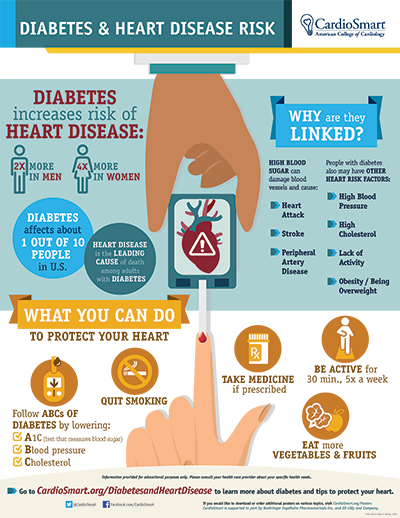
Having diabetes mellitus significantly increases your risk of developing cardiovascular diseases. In fact, it is widely recognized as one of the most significant risk factors for heart disease. The presence of diabetes doubles your chances of experiencing a heart attack or stroke compared to individuals without diabetes. This increased risk is due to various factors that will be discussed further in this article.
Coronary artery disease
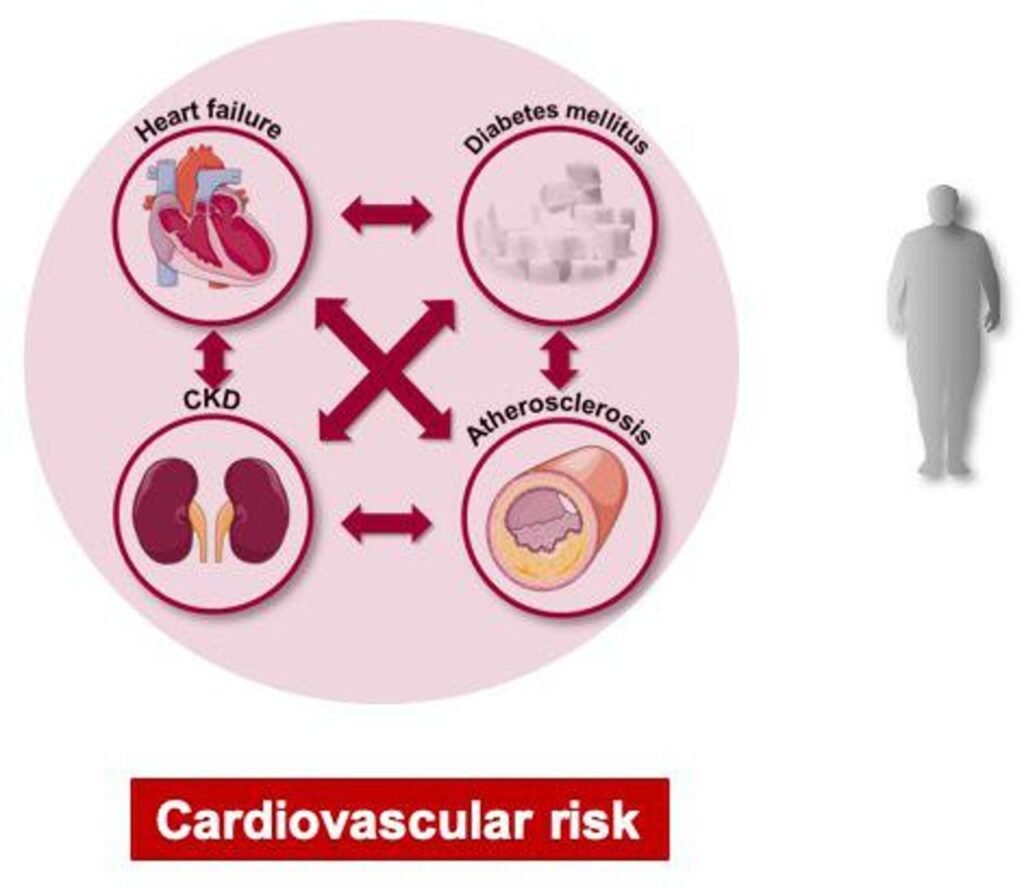
Coronary artery disease is one of the most common cardiovascular complications associated with diabetes mellitus. It occurs when the arteries that supply blood to the heart become narrowed or blocked by the buildup of fatty plaques, known as atherosclerosis. The combination of high blood glucose levels, insulin resistance, and inflammation in diabetes contributes to the development and progression of coronary artery disease. This can lead to chest pain, heart attack, or even sudden cardiac death.
Heart failure
Diabetes mellitus can also lead to heart failure, which occurs when the heart is unable to pump enough blood to meet the body’s needs. The high blood glucose levels in diabetes can damage the blood vessels and nerves that control the heart, causing the heart muscle to weaken over time. This weakened heart muscle reduces the heart’s ability to effectively pump blood, leading to symptoms such as fatigue, shortness of breath, and fluid retention.
Hypertension
Hypertension, or high blood pressure, is common in individuals with diabetes mellitus. The combination of insulin resistance, obesity, and other factors related to diabetes can contribute to elevated blood pressure levels. Hypertension further increases the risk of developing heart disease, stroke, and other cardiovascular complications. It is essential to manage blood pressure effectively through lifestyle modifications and medication to minimize the detrimental effects on your heart health.
Myocardial infarction
Myocardial infarction, commonly known as a heart attack, is a life-threatening event that occurs when the blood flow to a part of the heart is blocked. People with diabetes mellitus are more prone to experiencing a heart attack due to the underlying factors associated with diabetes, such as high blood glucose levels, insulin resistance, and the presence of other cardiovascular risk factors. It is crucial to be aware of the signs and symptoms of a heart attack and seek immediate medical attention if you experience chest pain, shortness of breath, or discomfort in the upper body.
Link Between Diabetes Mellitus and Heart Disease
Insulin resistance and inflammation
Insulin resistance, a key characteristic of diabetes mellitus, plays a significant role in the development of heart disease. Insulin is responsible for regulating glucose levels in the body, and when the cells become resistant to its effects, glucose accumulates in the bloodstream. This excess glucose can contribute to inflammation in the blood vessels, impair their function, and promote the formation of atherosclerotic plaques. This inflammatory response further exacerbates insulin resistance, creating a vicious cycle that increases the risk of heart disease.
Dyslipidemia
Dyslipidemia, an abnormal lipid profile characterized by elevated levels of LDL cholesterol and triglycerides and reduced levels of HDL cholesterol, is commonly observed in individuals with diabetes mellitus. The presence of dyslipidemia in diabetes contributes to the development and progression of atherosclerosis, which can lead to coronary artery disease and other cardiovascular complications. It is crucial to manage lipid levels through lifestyle modifications and medication to reduce the risk of heart disease.
High blood glucose levels
High blood glucose levels, a hallmark of diabetes mellitus, have detrimental effects on the cardiovascular system. Prolonged exposure to elevated glucose levels can damage the blood vessels, leading to endothelial dysfunction and impaired blood flow to the heart. Additionally, high glucose levels increase oxidative stress, which can further contribute to the development of atherosclerosis and other cardiovascular diseases. Controlling blood glucose levels effectively through medication and lifestyle modifications is crucial for preserving heart health.
Oxidative stress
Diabetes mellitus is associated with increased oxidative stress, which occurs when there is an imbalance between free radicals and antioxidants in the body. This oxidative stress can damage the blood vessels, promote inflammation, and contribute to the development of atherosclerosis and other cardiovascular complications. To minimize oxidative stress and its impact on heart health, it is essential to incorporate antioxidant-rich foods into your diet and engage in regular physical activity.
Endothelial dysfunction
Endothelial dysfunction refers to impaired function of the inner lining of blood vessels, known as the endothelium. In individuals with diabetes mellitus, the high blood glucose levels, insulin resistance, and oxidative stress can disrupt the normal function of the endothelium, leading to vasoconstriction, inflammation, and impaired blood flow. This endothelial dysfunction plays a critical role in the development of atherosclerosis and other cardiovascular diseases.
Atherosclerosis
Atherosclerosis, the buildup of fatty plaques in the arteries, is a common complication of diabetes mellitus that contributes to heart disease. The combination of high blood glucose levels, insulin resistance, dyslipidemia, inflammation, oxidative stress, and endothelial dysfunction in diabetes creates an ideal environment for the development and progression of atherosclerosis. This narrowing of the arteries can lead to reduced blood flow to the heart, increasing the risk of heart attacks, angina, and other cardiovascular events.

Impact of Diabetes Mellitus on Cardiac Structure and Function
Diabetic cardiomyopathy
Diabetic cardiomyopathy refers to structural and functional changes in the heart muscle that occur in individuals with diabetes mellitus, independent of other cardiovascular risk factors. These changes can lead to heart failure and other complications. The exact mechanisms underlying diabetic cardiomyopathy are complex and involve the effects of high blood glucose levels, insulin resistance, inflammation, oxidative stress, and metabolic abnormalities on the heart muscle. Regular cardiac screening and appropriate management are essential for detecting and managing diabetic cardiomyopathy.
Left ventricular hypertrophy
Left ventricular hypertrophy refers to the thickening of the heart’s main pumping chamber, the left ventricle. In individuals with diabetes mellitus, the combination of high blood pressure, insulin resistance, and other factors associated with diabetes can lead to left ventricular hypertrophy. This condition places additional stress on the heart, reducing its efficiency and increasing the risk of heart failure and other cardiovascular complications. Close monitoring and effective management of blood pressure and blood glucose levels are crucial in preventing and managing left ventricular hypertrophy.
Ventricular diastolic dysfunction
Ventricular diastolic dysfunction refers to impaired relaxation and filling of the heart during its resting phase, known as diastole. Diabetes mellitus is a common cause of ventricular diastolic dysfunction due to the direct effects of high blood glucose levels on the heart muscle and blood vessels. This dysfunction can lead to elevated pressures within the heart, reduced cardiac output, and an increased risk of heart failure. Early detection and optimal management of ventricular diastolic dysfunction are essential in preventing further deterioration of heart function.
Impaired cardiac contractility
Diabetes mellitus can impair the contractility of the heart muscle, reducing its ability to pump blood effectively. This impairment is often associated with the development of diabetic cardiomyopathy and can contribute to the progression of heart failure. The underlying mechanisms of impaired cardiac contractility in diabetes involve abnormalities in calcium handling, mitochondrial dysfunction, and oxidative stress. Appropriate medical treatment, lifestyle modifications, and close monitoring are necessary to prevent and manage impaired cardiac contractility.
Autonomic neuropathy and heart rate variability
Autonomic neuropathy, a complication of diabetes mellitus, affects the nerves that control involuntary bodily functions, including heart rate regulation. In individuals with diabetes, autonomic neuropathy can lead to abnormalities in heart rate variability, which refers to the changes in heart rate that occur in response to various stimuli. Reduced heart rate variability is associated with an increased risk of cardiovascular events and overall mortality. Regular cardiac screening and appropriate management of autonomic neuropathy are essential to preserve heart health.
Risk Factors for Heart Disease in Diabetes Mellitus Patients
Duration of diabetes
The duration of diabetes plays a significant role in determining the risk of heart disease. As the duration of diabetes increases, the cumulative effects of elevated blood glucose levels, insulin resistance, inflammation, and other factors contribute to a higher risk of cardiovascular complications. It is crucial to manage diabetes effectively from the time of diagnosis and closely monitor heart health as the disease progresses.
Poor glycemic control
Poor glycemic control, characterized by consistently high blood glucose levels, significantly increases the risk of heart disease in individuals with diabetes mellitus. Elevated glucose levels contribute to inflammation, oxidative stress, endothelial dysfunction, and the development of atherosclerosis. Achieving and maintaining target blood glucose levels through appropriate medication, diet, and exercise is essential in reducing the risk of heart disease.
Obesity
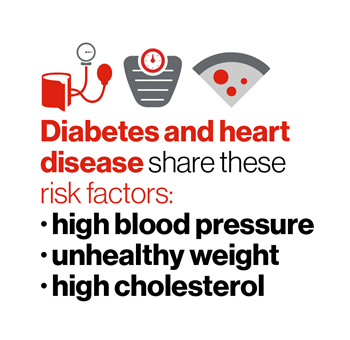
Obesity is strongly associated with an increased risk of both diabetes mellitus and heart disease. Excess body weight, particularly abdominal fat, contributes to insulin resistance, dyslipidemia, hypertension, inflammation, and other metabolic abnormalities that promote the development of cardiovascular complications. Weight management through a balanced diet, regular physical activity, and lifestyle modifications is crucial for improving heart health in individuals with diabetes mellitus.
High blood pressure
High blood pressure, or hypertension, is a common comorbidity in individuals with diabetes mellitus and significantly increases the risk of heart disease. The combination of diabetes and hypertension places additional stress on the heart and blood vessels, increasing the risk of coronary artery disease, heart failure, and other cardiovascular complications. Effective management of blood pressure through medication, lifestyle modifications, and regular monitoring is essential in reducing the risk of heart disease.
Dyslipidemia
Dyslipidemia, characterized by abnormal lipid levels, is a common feature of both diabetes mellitus and heart disease. Elevated levels of LDL cholesterol and triglycerides, along with reduced levels of HDL cholesterol, contribute to the development and progression of atherosclerosis. Controlling lipid levels through lifestyle modifications and medication is crucial in minimizing the adverse effects of dyslipidemia on heart health.
Smoking
Smoking is a significant risk factor for heart disease in individuals with diabetes mellitus. Smoking not only increases the risk of atherosclerosis and cardiovascular events but also exacerbates the detrimental effects of diabetes on the heart and blood vessels. Quitting smoking is one of the most effective ways to reduce the risk of heart disease in individuals with both diabetes and smoking habits.
Family history of heart disease
Having a family history of heart disease significantly increases the risk of developing heart disease in individuals with diabetes mellitus. Genetic factors can predispose individuals to conditions such as dyslipidemia, hypertension, and endothelial dysfunction, making them more susceptible to cardiovascular complications. It is crucial to be aware of your family history and inform your healthcare provider to ensure appropriate risk assessment and management.
Diagnostic Tools for Detecting Diabetes Mellitus-related Heart Disease
Electrocardiogram (ECG)
An electrocardiogram (ECG) is a widely used diagnostic tool for assessing the electrical activity of the heart. It can help identify abnormal heart rhythms, conduction abnormalities, and signs of myocardial ischemia (insufficient blood flow to the heart muscle). ECG findings can provide valuable insights into the presence of heart disease and its severity in individuals with diabetes mellitus.
Echocardiography
Echocardiography is a non-invasive imaging technique that uses sound waves to create detailed images of the heart’s structure and function. It can assess various parameters of cardiac health, including the size and thickness of the heart chambers, the strength of the heart muscle, and the integrity of the heart valves. Echocardiography is invaluable in diagnosing and monitoring heart disease in individuals with diabetes mellitus.
Stress testing
Stress testing, also known as exercise testing or a treadmill test, assesses how the heart responds to physical exertion. During a stress test, you will be asked to walk on a treadmill while your heart rate, blood pressure, and ECG activity are monitored. This test helps evaluate the heart’s ability to cope with increased demands and detect any signs of ischemia or abnormal heart rhythms. Stress testing can provide valuable information about heart health in individuals with diabetes mellitus.
Cardiac catheterization
Cardiac catheterization, also known as coronary angiography, involves the insertion of a catheter into a blood vessel, usually in the groin or wrist, and threading it up to the heart. This procedure allows for the injection of a contrast dye that helps visualize the coronary arteries on X-ray images. Cardiac catheterization is a more invasive diagnostic tool used when other tests suggest significant blockages in the coronary arteries. It provides detailed information about the extent and severity of coronary artery disease, enabling healthcare providers to plan appropriate treatment strategies.
Cardiac biomarkers
Cardiac biomarkers are substances released into the bloodstream when the heart is damaged or under stress. Common cardiac biomarkers used in the diagnosis of heart disease include troponin, creatine kinase (CK), and brain natriuretic peptide (BNP). These biomarkers can help healthcare providers assess the presence and severity of heart disease in individuals with diabetes mellitus. Cardiac biomarker testing is often performed in conjunction with other diagnostic tools to provide a comprehensive evaluation of cardiac health.
Prevention Strategies for Diabetes Mellitus-related Heart Disease
Achieving and maintaining target blood glucose levels
One of the essential strategies in preventing diabetes mellitus-related heart disease is achieving and maintaining target blood glucose levels. Optimal glycemic control helps minimize the adverse effects of high blood glucose levels on the heart and blood vessels. This can be achieved through a combination of medication, regular blood glucose monitoring, a healthy diet, regular physical activity, and appropriate lifestyle modifications. Working closely with your healthcare team to develop an individualized management plan is crucial for maintaining optimal blood glucose control.
Managing blood pressure and cholesterol levels
Effectively managing blood pressure and cholesterol levels is vital in preventing heart disease in individuals with diabetes mellitus. Medications, lifestyle modifications, and regular monitoring are essential components of managing these risk factors. Blood pressure control often involves the use of antihypertensive medications, diet modifications (reduced sodium intake), regular exercise, weight management, and stress reduction. Cholesterol management may include the use of lipid-lowering medications (such as statins), a heart-healthy diet, regular exercise, and smoking cessation.
Promoting a healthy lifestyle (exercise, balanced diet)
Promoting a healthy lifestyle is key to preventing diabetes mellitus-related heart disease. Regular physical activity, such as aerobic exercise and strength training, helps improve cardiovascular fitness, maintain a healthy weight, lower blood glucose levels, and reduce the risk of heart disease. A balanced diet that includes whole grains, lean proteins, fruits, vegetables, and healthy fats is essential for maintaining optimal blood glucose levels, managing weight, and reducing the risk of cardiovascular complications.
Smoking cessation
Smoking is a significant risk factor for heart disease, particularly in individuals with diabetes mellitus. Quitting smoking is one of the most important steps you can take to improve your heart health. Smoking cessation has numerous health benefits, including a reduced risk of heart disease, improved blood circulation, and decreased inflammation. If you need assistance in quitting smoking, consult your healthcare provider, who can provide resources and support to help you successfully quit.
Regular cardiac screening
Regular cardiac screening is crucial in the prevention and early detection of heart disease in individuals with diabetes mellitus. This screening may involve periodic visits to your healthcare provider for a comprehensive evaluation of your cardiovascular health. It may include tests such as blood pressure measurement, lipid profile analysis, electrocardiograms, echocardiography, and other diagnostic tools, depending on your specific risk factors and medical history. By undergoing regular cardiac screening, potential issues can be detected early, allowing for timely intervention and management.
Treatment Approaches for Diabetes Mellitus and Heart Disease
Medications to control blood glucose levels (insulin, oral hypoglycemic agents)
Medications are often prescribed to control blood glucose levels and manage diabetes mellitus. Insulin, either through injections or an insulin pump, is commonly used for individuals with type 1 diabetes and may also be prescribed for some individuals with type 2 diabetes. Additionally, oral hypoglycemic agents, such as metformin, sulfonylureas, and DPP-4 inhibitors, may be prescribed to enhance the action of insulin or improve insulin secretion. It is crucial to work closely with your healthcare provider to determine the most appropriate medication regimen for your specific needs.
Medications to manage blood pressure and cholesterol (ACE inhibitors, statins)
In individuals with diabetes mellitus and heart disease, medications are often prescribed to manage blood pressure and cholesterol levels. Angiotensin-converting enzyme (ACE) inhibitors or angiotensin II receptor blockers (ARBs) are commonly used to lower blood pressure and protect the kidneys. Statins are frequently prescribed to lower cholesterol levels and prevent the progression of atherosclerosis. Other medications, such as beta-blockers and diuretics, may also be prescribed to manage specific cardiovascular risk factors. Compliance with medication regimens and regular monitoring of blood pressure and cholesterol levels are crucial for effective management.
Lifestyle modifications (exercise, diet)
Lifestyle modifications play a significant role in the treatment of diabetes mellitus and heart disease. Regular physical activity, such as aerobic exercise and strength training, helps improve cardiovascular fitness, manage weight, lower blood glucose levels, and reduce the risk of heart disease. A heart-healthy diet that emphasizes fruits, vegetables, whole grains, lean proteins, and healthy fats is essential for maintaining optimal blood glucose and lipid levels. Lifestyle modifications should be personalized based on individual needs and preferences and supported by ongoing education and guidance from healthcare providers.
Cardiac rehabilitation programs
Cardiac rehabilitation programs are multidisciplinary programs that focus on managing and improving heart health in individuals with heart disease, including those with diabetes mellitus. These programs typically involve supervised exercise sessions tailored to individual needs, education and counseling on heart-healthy lifestyle modifications, and support for emotional well-being. Cardiac rehabilitation can be beneficial in improving cardiac function, managing risk factors, and enhancing overall quality of life in individuals with diabetes mellitus and heart disease.
Surgical interventions (coronary artery bypass graft, angioplasty)
In some cases, surgical interventions may be necessary to manage heart disease in individuals with diabetes mellitus. Coronary artery bypass graft (CABG) is a surgical procedure that involves bypassing blocked or narrowed arteries with blood vessels taken from other parts of the body. This procedure helps restore proper blood flow to the heart muscle. Angioplasty, also known as percutaneous coronary intervention (PCI), involves inserting a balloon-tipped catheter into the narrowed or blocked artery and inflating the balloon to widen the vessel. In some cases, a stent may be placed to help keep the artery open. Surgical interventions are typically reserved for individuals with significant coronary artery disease that is not adequately managed with medication and lifestyle modifications.
Importance of Multidisciplinary Care for Diabetes Mellitus and Heart Health
Collaboration between endocrinologists, cardiologists, and primary care physicians
Multidisciplinary care involves collaboration between healthcare providers from different specialties to provide comprehensive and coordinated care for individuals with diabetes mellitus and heart disease. Endocrinologists, cardiologists, and primary care physicians play essential roles in managing different aspects of these conditions. Close communication and collaboration ensure that the individual’s medical needs are met holistically and that potential interactions between treatments and medications are considered.
Integrated care approach in preventing and managing heart disease in diabetes mellitus patients
An integrated care approach involves the coordination and integration of healthcare services across different settings to ensure the seamless delivery of care. In the context of diabetes mellitus and heart disease, an integrated care approach allows healthcare providers to work together to prevent and manage heart disease effectively. This includes regular monitoring and evaluation of risk factors, adherence to medication regimens, lifestyle modification support, and timely interventions when necessary. Integrated care reduces fragmentation, enhances patient outcomes, and improves the overall quality of care.
Education and support for patients in self-management
Education and support for individuals with diabetes mellitus and heart disease are crucial components of comprehensive care. Healthcare providers should empower patients with knowledge and skills to actively participate in their self-management. This includes education on medication management, blood glucose monitoring, lifestyle modifications, symptom recognition, and adherence to treatment plans. Supportive resources, such as educational materials, online platforms, and access to diabetes educators and support groups, can help individuals effectively manage their conditions and optimize their heart health.
Novel Therapies and Research Advances in Diabetes Mellitus and Heart Health
Cardiovascular outcome trials of antidiabetic medications
In recent years, there has been an increased focus on the cardiovascular safety and efficacy of antidiabetic medications. Various cardiovascular outcome trials have been conducted to assess the impact of these medications on heart health. These trials provide valuable insights into the effects of specific medications, such as SGLT-2 inhibitors and GLP-1 receptor agonists, on cardiovascular outcomes in individuals with diabetes mellitus. The findings from these trials guide healthcare providers in selecting the most appropriate medications for optimal diabetes and heart disease management.
Potential role of newer drugs like SGLT-2 inhibitors and GLP-1 receptor agonists
Sodium-glucose cotransporter-2 (SGLT-2) inhibitors and glucagon-like peptide-1 (GLP-1) receptor agonists are newer classes of antidiabetic medications that have shown promising cardiovascular benefits. Beyond their glucose-lowering effects, these medications have been associated with reductions in heart failure hospitalizations, improved renal outcomes, and, in some cases, reduced cardiovascular mortality. The potential cardioprotective effects of SGLT-2 inhibitors and GLP-1 receptor agonists make them valuable options in the management of individuals with diabetes mellitus and heart disease.
Biomarkers for early detection and risk assessment
The identification of biomarkers that can accurately predict the development and progression of heart disease in individuals with diabetes mellitus is an active area of research. Researchers are exploring various blood markers that may provide early indications of cardiovascular risk, allowing for targeted interventions and personalized treatment plans. By identifying individuals who are at high risk of heart disease, healthcare providers can intervene earlier, potentially preventing the development of severe complications.
Stem cell therapy for cardiac regeneration
Stem cell therapy holds promise in the field of cardiac regeneration, offering potential benefits for individuals with diabetes mellitus and heart disease. Stem cells have the ability to differentiate into various cell types, including heart muscle cells, and may help regenerate damaged cardiac tissue. Clinical trials are underway to evaluate the safety and efficacy of stem cell therapies in improving heart function and reducing the burden of heart disease in individuals with diabetes mellitus. Although still in the investigational stage, the use of stem cells in cardiac regeneration shows potential for future therapeutic interventions.
Gene therapy and personalized medicine approaches
Advances in genetic research and understanding of the molecular pathways involved in heart disease and diabetes mellitus offer opportunities for personalized medicine approaches. Gene therapy, which involves the modification or introduction of genes, aims to correct genetic defects associated with these conditions. Personalized medicine approaches involve tailoring treatment plans based on an individual’s genetic profile, allowing for more targeted and effective interventions. Ongoing research in these areas has the potential to revolutionize the management of diabetes mellitus and heart disease, leading to improved outcomes and quality of life.
Future Directions in Diabetes Mellitus and Heart Health
Targeted therapies for specific subgroups of diabetes mellitus patients
As research continues to unravel the complex relationship between diabetes mellitus and heart disease, there is a growing recognition of the need for targeted therapies for specific subgroups of individuals with diabetes. Not all individuals with diabetes have the same cardiovascular risk profile or treatment response. By identifying specific subgroups based on genetic, metabolic, or clinical characteristics, healthcare providers can tailor treatments to address the unique needs of each individual, optimizing outcomes and minimizing potential complications.
Early interventions to prevent the development of heart disease
Early detection and intervention are key in preventing the development of heart disease in individuals with diabetes mellitus. The identification of early biomarkers, risk assessment tools, and novel diagnostic techniques may enable healthcare providers to detect subtle changes in cardiac structure and function at an early stage. Early interventions, such as aggressive risk factor management, lifestyle modifications, and appropriate medication regimens, can help prevent or delay the progression of heart disease and reduce the associated morbidity and mortality.
Use of artificial intelligence and big data analytics in risk prediction and personalized treatment
The integration of artificial intelligence (AI) and big data analytics holds tremendous potential in the field of diabetes mellitus and heart health. AI algorithms can analyze vast amounts of data related to genetics, clinical history, electronic health records, and lifestyle factors to develop predictive models for heart disease risk. This information can be used to stratify individuals based on their risk profile and guide personalized treatment plans. The use of AI and big data analytics can revolutionize risk prediction and treatment optimization, leading to more precise and personalized care.
Patient-centered care approaches
Patient-centered care approaches prioritize the preferences, needs, and values of individuals with diabetes mellitus and heart disease. By actively involving patients in their care decisions, healthcare providers can better address individual concerns, tailor treatment plans, and enhance patient satisfaction and adherence. Patient education, shared decision-making, and regular communication between healthcare providers and patients are key elements of patient-centered care. This approach fosters a collaborative relationship between patients and healthcare providers, ultimately improving treatment outcomes and overall well-being.
Continued research to unravel the complex relationship between diabetes mellitus and heart disease
The relationship between diabetes mellitus and heart disease is multifaceted and complex, with numerous mechanisms and interactions at play. Continued research efforts are essential to further unravel this relationship and identify novel strategies for prevention, early intervention, and treatment. Ongoing studies in areas such as genetics, advanced imaging techniques, biomarker discovery, and targeted therapies will contribute to a deeper understanding of these conditions and pave the way for more effective interventions. As research progresses, the ultimate goal is to improve the outcomes and quality of life for individuals with diabetes mellitus and heart disease.