
Want to learn how to prevent diarrhea and maintain a healthy digestive system? Look no further! In this article, you will discover the essential strategies that can help keep those unpleasant stomachaches and frequent trips to the bathroom at bay. With a focus on simple yet effective methods, you’ll find everything you need to know to avoid this common ailment and enjoy a more comfortable and worry-free life. Say goodbye to the discomfort of diarrhea and say hello to a happier, healthier you!
Preventing Diarrhea: Essential Strategies
Diarrhea is a common ailment that affects millions of people worldwide, causing discomfort, inconvenience, and sometimes even serious health complications. Luckily, there are several essential strategies you can implement in your daily life to prevent diarrhea and keep yourself and those around you healthy and happy.
Understanding Diarrhea and its Causes
Before diving into preventive measures, it’s important to understand what diarrhea is and what causes it. Diarrhea is characterized by frequent loose, watery stools, often accompanied by abdominal cramps and dehydration. The most common causes of diarrhea include viral or bacterial infections, food intolerances, contaminated water, and poor personal hygiene.
Maintaining Personal Hygiene
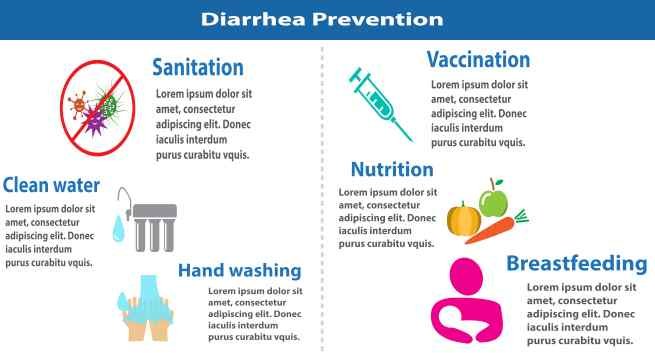
One of the most effective ways to prevent diarrhea is by maintaining good personal hygiene. This includes regularly washing your hands with soap and clean water, especially before preparing or consuming food, after using the toilet, and after handling any potentially contaminated items. Proper handwashing helps eliminate harmful bacteria and viruses that can cause diarrhea.

Ensuring Access to Clean Water
Access to clean water is crucial in preventing diarrheal diseases. Contaminated water sources can harbor various pathogens that cause diarrhea. To ensure access to clean water, it is essential to use safe drinking water sources, such as treated tap water or properly boiled water, and avoid drinking from potentially contaminated sources like rivers or lakes. Additionally, using water filters or water purification tablets can further ensure the safety of the water you consume.
Practicing Safe Food Handling
Another key aspect of preventing diarrhea is practicing safe food handling. Contaminated food, especially when consumed raw or undercooked, can be a significant source of diarrhea-causing pathogens. To minimize the risk, it is crucial to wash fruits and vegetables thoroughly before consumption, cook food to proper temperatures, avoid cross-contamination between raw and cooked foods, and store food properly to prevent bacterial growth.

Promoting Vaccinations
Vaccinations play a vital role in preventing diarrhea, especially in children. Vaccines against rotavirus, a common cause of severe diarrhea in infants and young children, have been widely successful in reducing diarrheal cases and related complications. It is essential to ensure that you and your loved ones are up to date with all recommended vaccinations to protect against vaccine-preventable diarrheal illnesses.
Improving Sanitation and Waste Management
Inadequate sanitation and poor waste management are major contributors to the spread of diarrheal diseases. Implementing proper sanitation measures, such as building and using latrines or toilets, can greatly reduce the contamination of water sources and prevent the transmission of diarrheal pathogens. Additionally, proper disposal of human waste, including using toilets and septic systems, is vital in preventing the spread of diarrheal illnesses.
Educating Communities and Individuals
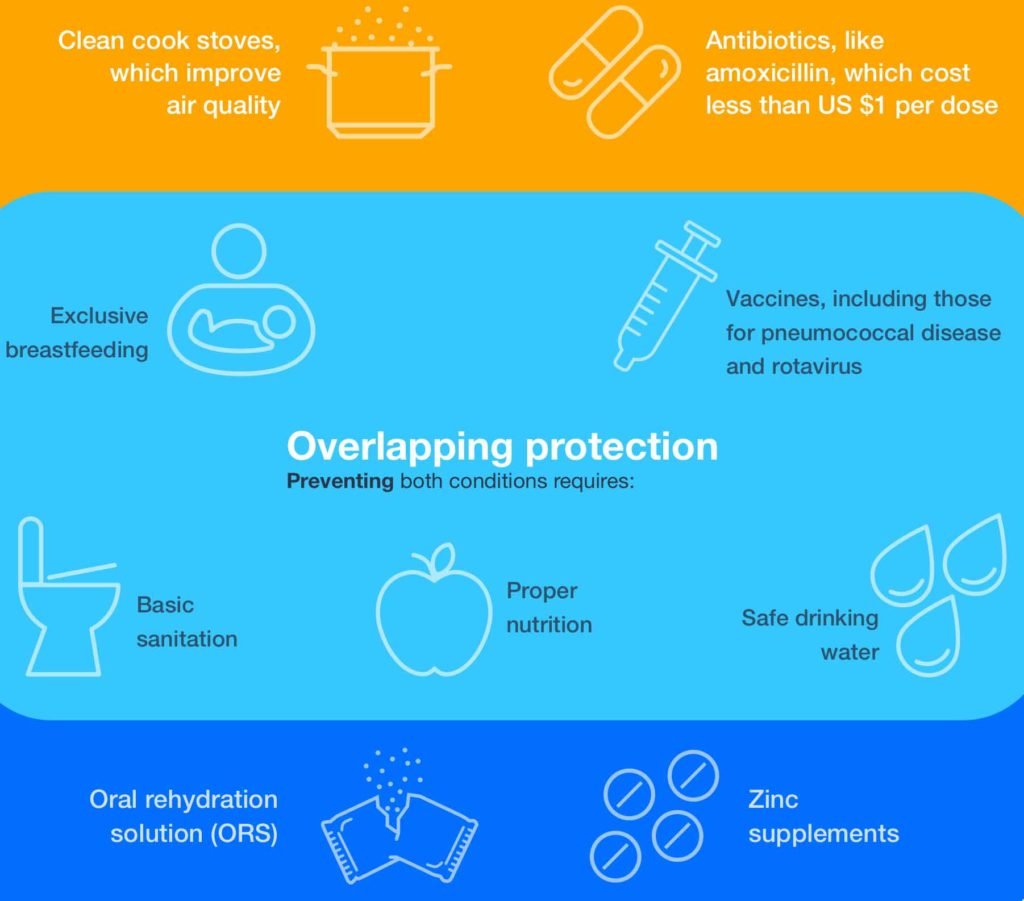
Raising awareness and educating communities and individuals about the importance of diarrhea prevention is essential in reducing diarrheal cases. By promoting knowledge about proper handwashing, safe food handling, and sanitation practices, communities can empower individuals to take proactive steps in preventing diarrhea. Education can be done through various means, including community health campaigns, school programs, and workshops.
Promoting Breastfeeding and Good Nutrition
Breastfeeding provides infants with vital nutrients and antibodies that help protect them against diarrhea and other diseases. Promoting breastfeeding and ensuring that mothers have access to the necessary support and resources can significantly reduce the risk of diarrheal infections in infants. Alongside breastfeeding, maintaining a balanced diet rich in vitamins, minerals, and fiber is important for overall gut health, reducing the likelihood of diarrhea.

Implementing Handwashing Practices
Handwashing is a simple yet powerful practice that can prevent the spread of diarrheal pathogens. It is crucial to educate individuals on the correct handwashing technique, which involves using soap and rubbing hands together for at least 20 seconds, ensuring all surfaces are thoroughly washed. Encouraging handwashing at critical times, such as before preparing meals, after using the toilet, and after touching potentially contaminated surfaces, can significantly reduce the risk of diarrhea transmission.
Preventing Traveler’s Diarrhea
Traveler’s diarrhea is a common affliction for those traveling to regions with different hygiene practices and food handling standards. To prevent traveler’s diarrhea, it is important to consume only safe, properly cooked food and drink water from sealed bottles or other reliable sources. Avoiding raw or undercooked foods, unpeeled fruits, and street food can also minimize the risk of contracting diarrhea while traveling. Additionally, carrying hand sanitizers or disinfectant wipes can provide an extra layer of protection when clean water and soap are not readily available.
In conclusion, preventing diarrhea involves a multifaceted approach that encompasses personal hygiene, access to clean water, safe food handling, vaccinations, sanitation measures, education, breastfeeding, proper nutrition, handwashing practices, and precautions when traveling. By implementing these essential strategies, you can proactively reduce the risk of developing diarrhea and contribute to a healthier community and world. Remember, prevention is always better than a cure when it comes to diarrhea!