
Having a support system is crucial when facing a diagnosis like Ewing Sarcoma. This article aims to provide valuable information and resources for individuals navigating through their Ewing Sarcoma journey. From emotional support to practical resources, we will explore various avenues that can help patients and their loved ones cope with the challenges of this rare form of cancer. Whether you are a patient yourself or someone seeking assistance for a loved one, this article will guide you towards the available support and resources specifically tailored to Ewing Sarcoma patients.

Introduction
Welcome to this comprehensive article on Ewing Sarcoma, a rare type of cancer that primarily affects children and young adults. In this article, we will explore what Ewing Sarcoma is, its causes and risk factors, the ways it is diagnosed and treated, and the various support resources available for patients and their families. We will also touch on educational resources, ongoing research and clinical trials, rehabilitation and survivorship support, as well as intimate patient perspectives and coping strategies. By the end of this article, you will have a better understanding of Ewing Sarcoma and the multitude of resources available to those affected by this disease.
Understanding Ewing Sarcoma
What is Ewing Sarcoma?
Ewing Sarcoma is a type of bone and soft tissue cancer that primarily affects children and young adults. This rare cancer usually originates in the bones, most commonly in the long bones such as the femur or tibia, but can also occur in soft tissues around the bones. Ewing Sarcoma is characterized by the growth of malignant cells in these areas, which can then spread to other parts of the body if left untreated. While the exact cause of Ewing Sarcoma is unknown, scientists believe that it may be related to certain genetic mutations.
Causes of Ewing Sarcoma
The exact cause of Ewing Sarcoma is still unknown, but researchers suspect that genetic mutations may play a role in its development. Specifically, changes in the DNA of cells in the bone and soft tissues may result in the uncontrolled growth and division of cells, leading to the formation of a tumor. However, further research is needed to fully understand the underlying causes of this disease.
Risk Factors for Ewing Sarcoma
Although the exact cause of Ewing Sarcoma is unknown, certain risk factors have been identified. The condition is more prevalent in children and young adults, with the majority of cases occurring between the ages of 10 and 20. Boys are slightly more commonly affected than girls. Additionally, a family history of Ewing Sarcoma or other bone tumors may increase the risk of developing the disease. It’s important to note that having a risk factor does not necessarily mean that an individual will develop Ewing Sarcoma, and many cases occur in individuals with no known risk factors.
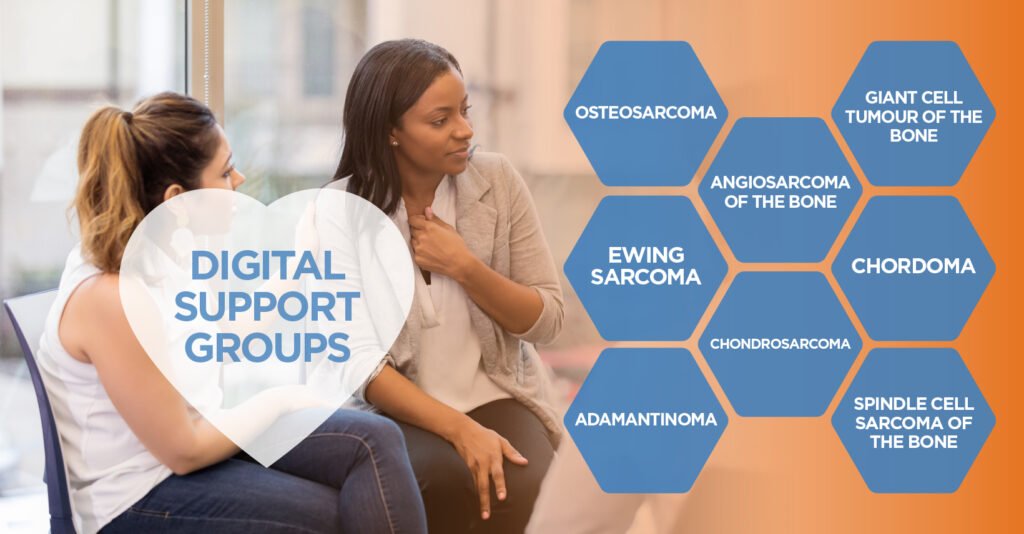
Diagnosis and Treatment
Diagnosing Ewing Sarcoma
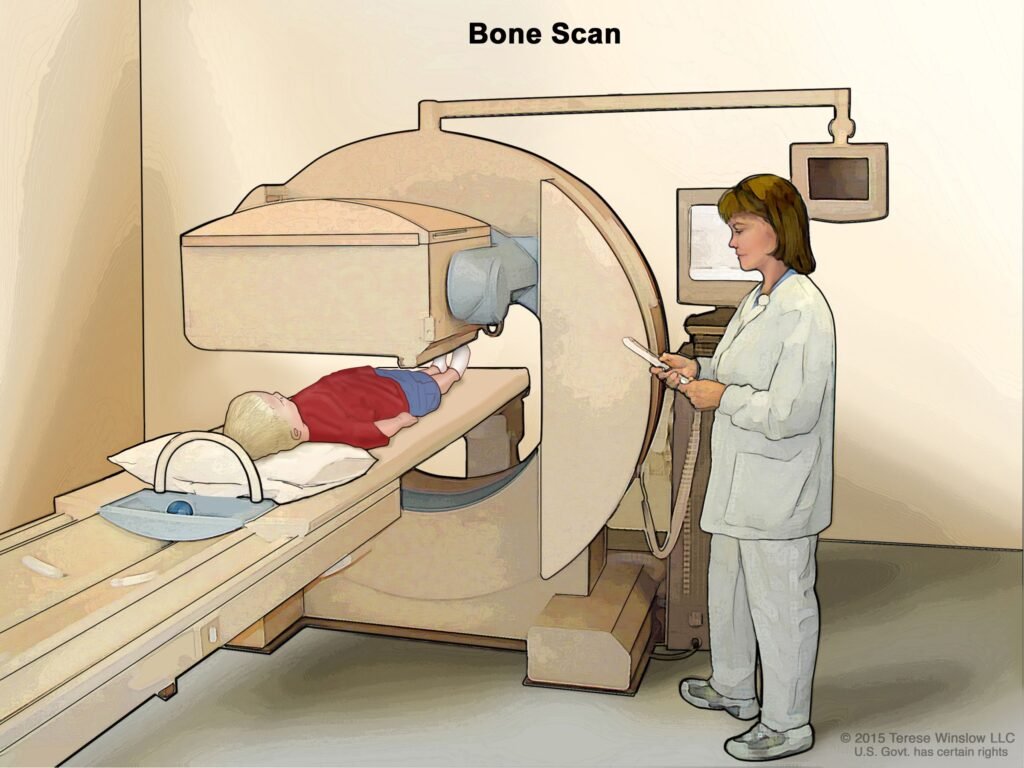
Diagnosing Ewing Sarcoma typically involves a combination of medical history analysis, physical examination, and various imaging tests. These imaging tests may include X-rays, CT scans, MRIs, and PET scans, which help to visualize any tumors or abnormal growths in the bones or soft tissues. If a suspicious mass is found, a biopsy may be performed to collect a tissue sample for further examination under a microscope. This helps confirm the presence of Ewing Sarcoma and determine the specific type and stage of the disease.
Treatment Options and Approaches
The treatment of Ewing Sarcoma is typically a multidisciplinary approach involving a team of healthcare professionals. The primary treatment options for Ewing Sarcoma include chemotherapy, surgery, and radiation therapy. In most cases, a combination of these treatments is used to target the tumor and prevent its spread to other parts of the body. Chemotherapy is often administered before surgery to shrink the tumor, and radiation therapy may be used after surgery to kill any remaining cancer cells. In some cases, a bone marrow transplant may be necessary. The specific treatment plan will depend on the individual’s age, overall health, and the extent of the disease.
Common Side Effects and Management
While the primary goal of treatment is to eradicate the cancer and promote recovery, patients may experience various side effects due to the aggressive nature of the treatment. Common side effects of chemotherapy and radiation therapy include fatigue, hair loss, nausea, and an increased risk of infections. It’s important for patients and their families to communicate with their healthcare team about any side effects they may be experiencing, as strategies can often be implemented to manage or alleviate these symptoms. Additionally, supportive care measures such as adequate nutrition and adequate rest can help mitigate the impact of treatment side effects.
Support Organizations and Foundations
American Childhood Cancer Organization
The American Childhood Cancer Organization (ACCO) is a non-profit organization dedicated to improving the lives of children and families affected by childhood cancer. ACCO provides a wide range of resources and support services, including educational materials, advocacy efforts, and financial assistance programs. They also offer various support programs and events such as support groups, family camps, and educational conferences.
St. Baldrick’s Foundation
The St. Baldrick’s Foundation is a volunteer-driven charity dedicated to funding research to find cures for childhood cancers, including Ewing Sarcoma. They organize fundraising events where participants shave their heads to show solidarity with children undergoing cancer treatment. The funds raised by St. Baldrick’s Foundation are used to support pediatric cancer research and provide grants to scientists and clinicians working towards improving the outcomes for children with cancer.
CureSearch for Children’s Cancer
CureSearch for Children’s Cancer is a national non-profit organization that funds research to accelerate the development of new and effective treatments for childhood cancer. They work closely with leading pediatric oncologists and researchers to identify and prioritize areas of research with the potential to have the greatest impact on children’s cancer. CureSearch also provides resources and support for families affected by childhood cancer, including educational materials, webinars, and support programs.
Pediatric Cancer Foundation
The Pediatric Cancer Foundation is a leading non-profit organization dedicated to funding and supporting research focused on finding safer, more effective treatments for pediatric cancers, including Ewing Sarcoma. They collaborate with researchers and scientists to advance breakthrough discoveries and innovative therapies. The Pediatric Cancer Foundation also provides patient and family support services, including financial assistance, advocacy efforts, and psychosocial support programs.
National Children’s Cancer Society
The National Children’s Cancer Society (NCCS) is committed to improving the quality of life for children with cancer, as well as their families. They offer a wide range of programs and services, including financial assistance for medical expenses, emotional support resources, and educational scholarships. NCCS also provides helpful tools and resources for families navigating the challenges of a childhood cancer diagnosis, including tips for coping and advocating for their child’s needs.
Support Programs for Patients and Families
Psychosocial Support and Counseling Services
Receiving a diagnosis of Ewing Sarcoma can be emotionally challenging for both the patient and their family. Psychosocial support and counseling services play a vital role in helping individuals cope with the emotional impact of the disease. Many hospitals and medical centers have dedicated social workers or psychologists who can provide individual or family counseling. Additionally, support organizations and foundations often offer counseling services specifically tailored to the needs of children and families affected by cancer.
Siblings and Parents Support Groups
Caring for a child with Ewing Sarcoma can have a significant impact on the entire family, including siblings and parents. Support groups for siblings and parents can provide a safe space to connect with others who are going through similar experiences, share advice, and find emotional support. These support groups may be facilitated by hospitals, local community organizations, or national support organizations.
Financial Assistance Programs
Cancer treatment can be financially burdensome for many families. Fortunately, there are numerous financial assistance programs available to help alleviate some of these financial challenges. Support organizations and foundations often offer grants and financial aid programs to assist with medical expenses, transportation costs, and other related expenses. Social workers or financial counselors at hospitals or treatment centers can often provide guidance and information on accessing these resources.
Transportation and Accommodation Support
For individuals traveling long distances to receive treatment or accessing specialized care, transportation and accommodation support can be crucial. Many hospitals and support organizations offer programs that provide assistance with transportation to and from medical appointments, as well as discounted or subsidized accommodations for patients and their families. These services can help alleviate some of the logistical and financial challenges associated with receiving treatment away from home.
Educational Resources
Ewing Sarcoma Awareness and Education Materials
Education and awareness about Ewing Sarcoma are key to promoting early detection and effective treatment. Many support organizations and foundations provide educational materials specifically designed to raise awareness about childhood cancer, including Ewing Sarcoma. These materials may include brochures, pamphlets, and online resources that provide information about the disease, its symptoms, and the available treatment options.
Online Educational Programs and Webinars
In addition to printed materials, online educational programs and webinars offer convenient access to informative content about Ewing Sarcoma. Many organizations provide virtual learning opportunities and webinars led by medical professionals and experts in the field. These programs cover a wide range of topics related to Ewing Sarcoma, including treatment options, coping strategies, and survivorship. Online platforms also offer the opportunity to interact with other patients and families affected by Ewing Sarcoma, fostering a sense of community and mutual support.
Print Materials and Brochures
Print materials and brochures continue to play a valuable role in providing comprehensive information about Ewing Sarcoma. Many hospitals, treatment centers, and support organizations distribute printed materials that outline the basics of the disease, treatment options, and available resources. These materials can be shared with family members, friends, and healthcare providers to help raise awareness and educate others about Ewing Sarcoma.
Clinical Trials and Research Programs
Understanding Clinical Trials for Ewing Sarcoma
Clinical trials are research studies conducted to evaluate new treatments and therapies for Ewing Sarcoma. They play an essential role in advancing medical knowledge and improving outcomes for patients. Participating in a clinical trial may provide access to experimental treatments or therapies that are not yet widely available. It’s important to discuss the potential benefits and risks of participating in a clinical trial with the healthcare team, who can provide guidance and help determine if a clinical trial is an appropriate option.
Research Institutes and Centers
Numerous research institutes and centers focus on studying Ewing Sarcoma and developing more effective treatments. These institutes often collaborate with hospitals and medical centers to conduct research and clinical trials. They are dedicated to advancing scientific knowledge and improving outcomes for patients through cutting-edge research and innovative therapies.
Current Research and Breakthroughs
Continuous research efforts are constantly being made to better understand Ewing Sarcoma and develop new treatment approaches. Researchers are exploring various avenues, including targeted therapies, immunotherapy, and gene therapy, to improve the outcomes for patients. Breakthroughs in understanding the biology of Ewing Sarcoma have led to the identification of potential new treatment targets. However, further research is still needed to fully harness these breakthroughs and translate them into effective therapies.
Rehabilitation and Survivorship Support
Rehabilitation Programs and Therapies
Rehabilitation plays a crucial role in helping individuals recover from the physical effects of Ewing Sarcoma treatment. Physical therapy, occupational therapy, and speech therapy are commonly used rehabilitative approaches to restore strength, function, and mobility. These therapies aim to minimize the long-term physical effects of treatment and help individuals regain their optimal level of functioning. Rehabilitation programs are personalized based on the individual’s specific needs and may continue for an extended period of time.
Long-term Survivorship Care Plans
Survivorship care plans outline the recommended follow-up care for individuals who have completed treatment for Ewing Sarcoma. These plans typically include regular medical check-ups, screenings, and specific recommendations for managing the long-term effects of treatment. Survivorship care plans are designed to address both the physical and emotional needs of cancer survivors and help them transition to a healthy and fulfilling life after treatment.
Transitioning to Adult Oncology Care
As individuals with Ewing Sarcoma transition from pediatric to adult oncology care, it is important to ensure a smooth transition and continuity of care. Transition clinics or programs are often available to help guide this process and provide support to young individuals as they navigate the complexities of adult healthcare systems. These programs may offer assistance with the transfer of medical records, help with scheduling appointments, and provide additional resources to address the unique needs of young adults with Ewing Sarcoma.
Living with Ewing Sarcoma: Patient Perspectives
Patient Stories and Experiences
Hearing the stories and experiences of others who have gone through a similar journey can provide inspiration, hope, and reassurance to individuals and families dealing with Ewing Sarcoma. Many support organizations and foundations share patient stories on their websites or through other channels, offering firsthand accounts of the challenges, triumphs, and unique perspectives of those who have battled Ewing Sarcoma. These stories can demonstrate the resilience of individuals affected by Ewing Sarcoma and provide insights into coping strategies and personal growth.
Coping Strategies and Tips
Coping with the physical, emotional, and practical challenges of living with Ewing Sarcoma can be overwhelming for patients and their families. Sharing coping strategies and tips can help individuals navigate the complexities of the disease and its impact on daily life. Support organizations often provide resources and guidance on various coping strategies, including stress management techniques, healthy lifestyle habits, and ways to communicate effectively with healthcare providers and loved ones.
Advocacy and Empowerment
Advocacy and empowerment play a vital role in empowering individuals and families affected by Ewing Sarcoma. Many patients and their families become advocates for increased awareness, improved access to care, and funding for research. Support organizations often offer resources and guidance on how to become an effective advocate, including information on legislative initiatives, fundraising events, and opportunities to raise awareness within local communities. Empowerment can come from knowing that one’s voice and experiences can make a difference in the lives of others.
Conclusion
In conclusion, Ewing Sarcoma is a rare type of cancer that primarily affects children and young adults. While the exact cause of the disease is unknown, ongoing research and clinical trials are providing valuable insights and advancements in treatment options. A wide range of support organizations, foundations, and resources exist to help patients and their families navigate the complexities of Ewing Sarcoma, including psychosocial support, financial assistance programs, transportation support, educational resources, and survivorship care plans. By accessing these comprehensive resources and drawing strength from patient perspectives and coping strategies, individuals affected by Ewing Sarcoma can find hope, support, and empowerment throughout their journey.