
In this article, you will explore the diagnosis and treatment options for Ewing Sarcoma, a rare type of cancer that primarily affects children and young adults. By delving into the various methods used to diagnose this condition, including imaging tests and biopsies, you will gain a better understanding of how healthcare professionals identify and confirm the presence of Ewing Sarcoma. Additionally, you will discover the range of treatment options available, such as surgery, chemotherapy, and radiation therapy, that can help to combat this aggressive disease. So, let’s dive into the world of Ewing Sarcoma and learn more about how it is diagnosed and managed.
Diagnosis
Ewing Sarcoma is a rare type of cancer that primarily affects bone and soft tissue. Diagnosing Ewing Sarcoma involves a combination of physical examination, imaging tests, and a biopsy.
Physical examination
During a physical examination, your healthcare provider will look for symptoms and signs of Ewing Sarcoma. They may assess the affected area for any swelling, tenderness, or pain. They will also evaluate your overall health and check for any other symptoms that may suggest the presence of Ewing Sarcoma.
Imaging tests
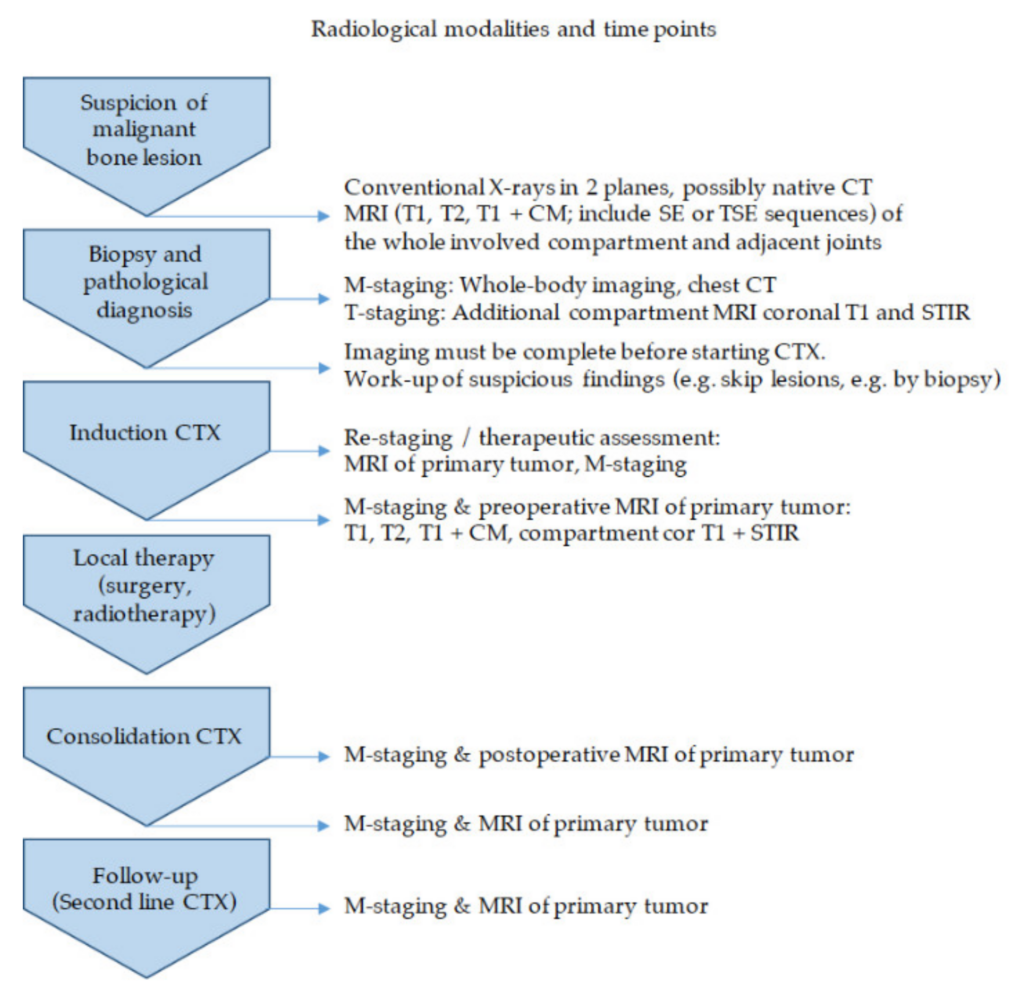
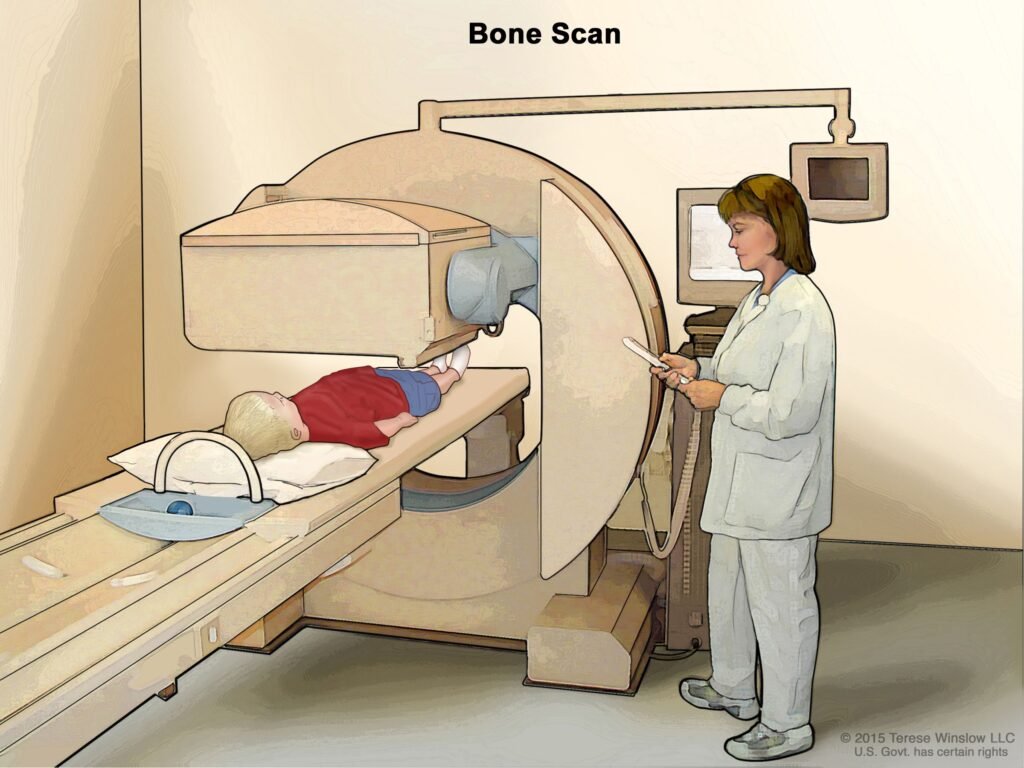
Imaging tests play a crucial role in diagnosing Ewing Sarcoma. These tests help visualize the affected area in detail and determine the extent of the disease. Commonly used imaging tests include X-rays, computed tomography (CT) scans, magnetic resonance imaging (MRI), and positron emission tomography (PET) scans. These imaging tests can identify tumors, assess their size and location, and detect if the cancer has spread to other parts of the body.
Biopsy
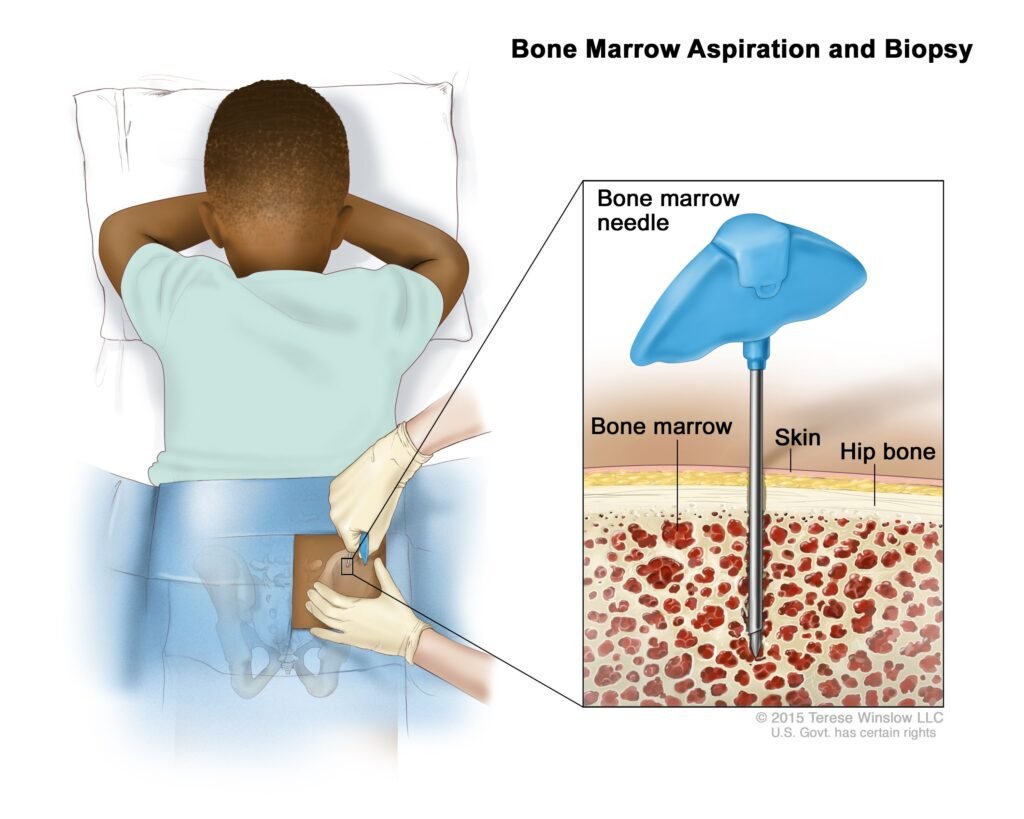
A biopsy is the definitive diagnostic test for Ewing Sarcoma. During a biopsy, a small sample of the tumor or affected tissue is collected for examination under a microscope. This helps confirm the presence of Ewing Sarcoma and determine its specific characteristics. The biopsy may be performed using a needle or through a surgical procedure, depending on the location and size of the tumor. The tissue sample is then analyzed by a pathologist who specializes in diagnosing and classifying different types of cancer.
Staging
Staging plays a crucial role in determining the extent of Ewing Sarcoma and helps guide treatment decisions. The TNM staging system and prognostic factors are commonly used to stage Ewing Sarcoma.
TNM staging system
The TNM staging system is based on the size of the tumor (T), the involvement of lymph nodes (N), and the presence of metastasis (M). The staging system helps classify Ewing Sarcoma into different stages, ranging from localized to metastatic disease. This information is important in determining the appropriate treatment plan and predicting the prognosis.
Prognostic factors
Prognostic factors are additional factors that can influence the outcome of Ewing Sarcoma. Some of the prognostic factors include the age of the patient, the size and location of the tumor, the presence of metastasis, and the response to initial treatment. These factors provide valuable information regarding the likelihood of disease progression and survival rates, which can help guide treatment decisions and provide insight into long-term outcomes.
Treatment Options
Treatment for Ewing Sarcoma typically involves a combination of chemotherapy, surgery, and radiation therapy. The specific treatment plan may vary depending on the stage of the disease, the location and size of the tumor, and the individual patient’s overall health.
Chemotherapy
Chemotherapy is a systemic treatment that uses drugs to kill cancer cells throughout the body. It is typically administered before surgery or radiation therapy to shrink the tumor and reduce the risk of recurrence. Common chemotherapy drugs used for Ewing Sarcoma include vincristine, doxorubicin, cyclophosphamide, and ifosfamide. The specific chemotherapy regimen may vary depending on the individual patient and the treatment response.
Surgery
Surgery plays a crucial role in the treatment of Ewing Sarcoma, especially for localized tumors. The goal of surgery is to remove the tumor and surrounding affected tissue while preserving the function of the affected limb or organ. Depending on the location and extent of the tumor, different surgical interventions may be performed, including limb-salvage surgery, amputation, or resection of metastatic lesions.
Radiation therapy
Radiation therapy uses high-energy beams to kill cancer cells and shrink tumors. It is often used in combination with surgery and/or chemotherapy to increase the effectiveness of treatment. The specific radiation therapy technique may vary depending on the location and size of the tumor. Common techniques include external beam radiation therapy, brachytherapy, and proton beam therapy.
Chemotherapy Regimens
Chemotherapy regimens for Ewing Sarcoma consist of different combinations and dosages of chemotherapy drugs. The choice of regimen depends on various factors such as the stage of the disease, the location and size of the tumor, and the individual patient’s response to treatment.
VAC regimen
The VAC regimen is a commonly used chemotherapy regimen for Ewing Sarcoma. It consists of vincristine, doxorubicin, and cyclophosphamide. This combination is administered in cycles, typically over a predefined period of time. The VAC regimen has shown effectiveness in reducing tumor size, shrinking metastatic lesions, and improving overall survival rates.
IE regimen
The IE regimen is another chemotherapy regimen used for Ewing Sarcoma. It consists of ifosfamide and etoposide. This combination has shown effectiveness in killing cancer cells and reducing tumor size. The IE regimen is often used in combination with other treatments to increase the chances of a successful outcome.
Ifosfamide and etoposide regimen
The ifosfamide and etoposide regimen is a chemotherapy combination commonly used for Ewing Sarcoma. It aims to kill cancer cells and reduce tumor size. This regimen is often administered in cycles over a predefined period of time, and its effectiveness may vary depending on the individual patient and their overall response to treatment.
Surgical Interventions
Surgical interventions play a crucial role in the treatment of Ewing Sarcoma, especially for localized tumors. The choice of surgery depends on various factors such as the location and size of the tumor, the extent of the disease, and the functional goals of treatment.
Limb-salvage surgery
Limb-salvage surgery is a surgical intervention aimed at removing the tumor while preserving the function of the affected limb. This procedure involves removing the tumor and surrounding affected tissue, followed by reconstructive surgery to restore the limb’s function and appearance. Limb-salvage surgery is the preferred option whenever feasible, as it allows patients to maintain a good quality of life and functional abilities.
Amputation
In cases where limb-salvage surgery is not possible or effective, amputation may be considered. Amputation involves the complete removal of the affected limb or extremity. While it may be a daunting prospect, amputation can be a life-saving measure in certain situations, especially when the tumor is aggressive or has spread extensively.
Resection of metastatic lesions
In cases where Ewing Sarcoma has spread to other parts of the body, surgical resection of metastatic lesions may be considered. This involves removing tumors or affected tissues at distant sites to reduce the overall cancer burden. Resection of metastatic lesions is often combined with other treatment modalities, such as chemotherapy or radiation therapy, to improve outcomes and increase the chances of long-term survival.
Radiation Therapy Techniques
Radiation therapy plays a crucial role in the treatment of Ewing Sarcoma, especially for localized tumors or residual disease after surgery. Various radiation therapy techniques may be employed depending on the location and size of the tumor.
External beam radiation therapy
External beam radiation therapy is a commonly used radiation technique for Ewing Sarcoma. It involves delivering high-energy radiation beams to the targeted area from outside the body. The radiation beams specifically target the tumor and attempt to kill cancer cells while sparing surrounding healthy tissues. External beam radiation therapy is often administered over multiple sessions to ensure that the appropriate dose is delivered to the tumor.
Brachytherapy
Brachytherapy is a radiation therapy technique that involves placing radioactive sources directly into or near the tumor. This technique allows for the precise delivery of radiation to the tumor while minimizing exposure to surrounding healthy tissues. Brachytherapy is often used for smaller tumors or as a boost treatment after external beam radiation therapy.
Proton beam therapy
Proton beam therapy is an advanced form of radiation therapy that uses protons instead of traditional X-rays. Protons have a unique ability to deposit a high dose of radiation precisely at the tumor site, while sparing nearby healthy tissues. Proton beam therapy is particularly beneficial for treating tumors near critical structures or in pediatric patients, where minimizing long-term side effects is crucial.
Clinical Trials
Clinical trials play a crucial role in advancing the treatment options and outcomes for Ewing Sarcoma. Clinical trials are research studies that aim to evaluate the effectiveness and safety of new treatments, procedures, or therapeutic approaches.
Purpose of clinical trials
The purpose of clinical trials in Ewing Sarcoma is to improve upon existing treatment options, identify potential breakthroughs, and explore innovative treatment approaches. These trials help researchers gather data to determine the effectiveness and safety of new treatments and guide future treatment decisions.
Inclusion criteria
Inclusion criteria are specific requirements that individuals must meet to participate in a clinical trial. These criteria often include factors such as age, stage of disease, previous treatment history, and overall health status. Inclusion criteria ensure the safety of participants and the validity of the trial results.
Benefits and risks
Participating in a clinical trial offers potential benefits, such as access to cutting-edge treatments before they become widely available, close monitoring by a team of healthcare professionals, and the opportunity to contribute to medical knowledge and future treatment advancements. However, it is important to understand that clinical trials also carry risks, such as potential side effects from the experimental treatments and increased time commitment for regular evaluations and follow-ups. It is essential to discuss the potential risks and benefits with your healthcare provider before considering participation in a clinical trial.
Follow-up and Surveillance
After the completion of primary treatment for Ewing Sarcoma, follow-up and surveillance play a crucial role in monitoring for disease recurrence, managing late effects, and addressing quality of life considerations.
Post-treatment surveillance
Post-treatment surveillance involves regular follow-up appointments with your healthcare provider to monitor for any signs of disease recurrence or progression. These appointments may involve physical examinations, imaging tests, and blood work to detect any changes that may indicate a recurrence. The frequency and duration of post-treatment surveillance appointments may vary depending on the individual patient and their specific treatment plan.
Monitoring for late effects
As with any cancer treatment, there is a risk of late effects or long-term side effects from the treatment itself. Monitoring for late effects involves evaluating potential complications or adverse effects that may arise months or years after treatment completion. This may include assessing for cardiovascular problems, second cancers, hormone imbalances, or musculoskeletal issues, among others. Early detection and intervention can help manage these late effects and improve the quality of life for survivors.
Quality of life considerations
Ewing Sarcoma and its treatment can have a significant impact on a person’s overall quality of life. It is important to address the physical, emotional, and psychosocial aspects of living with or beyond cancer. Supportive care services, including pain management, psychosocial support, and nutritional support, can help individuals manage the challenges associated with Ewing Sarcoma and enhance their well-being.

Supportive Care
Supportive care is an essential component of the comprehensive treatment approach for Ewing Sarcoma. It focuses on managing symptoms, addressing side effects, and improving the overall well-being of individuals living with the disease.
Pain management
Pain management plays a crucial role in addressing the physical discomfort associated with Ewing Sarcoma and its treatment. It may involve a combination of pharmacological interventions, such as pain-relieving medications, as well as non-pharmacological approaches, such as physical therapy, acupuncture, or relaxation techniques. The goal is to minimize pain, improve function, and enhance the individual’s overall quality of life.
Psychosocial support
Ewing Sarcoma can have a significant psychological and emotional impact on individuals and their families. Psychosocial support services, such as counseling, support groups, and access to mental health professionals, can provide a safe and supportive environment for addressing emotional needs, coping with the challenges of the disease, and enhancing overall well-being.
Nutritional support
Maintaining good nutrition is crucial during and after treatment for Ewing Sarcoma. The disease itself, as well as treatment side effects, can impact appetite, digestion, and overall nutritional status. Nutritional support may involve working with a registered dietitian to develop a personalized meal plan, addressing specific dietary needs and ensuring adequate nutrient intake. This helps optimize energy levels, support the immune system, and aid in the recovery process.
Future Research and Advances
Future research and advances in Ewing Sarcoma are focused on improving treatment outcomes, identifying new therapeutic targets, and exploring innovative treatment approaches.
Genomic profiling
Advances in genomic profiling have provided insights into the specific genetic characteristics of Ewing Sarcoma. Understanding the molecular alterations and genetic markers associated with the disease can help guide treatment decisions and develop targeted therapies.
Targeted therapies
Targeted therapies are designed to specifically target cancer cells based on their molecular characteristics. These therapies aim to block specific molecules or pathways involved in the growth and survival of cancer cells, while minimizing damage to healthy cells. Targeted therapies are being studied and developed for Ewing Sarcoma, with the goal of enhancing treatment efficacy and reducing side effects.
Immunotherapy
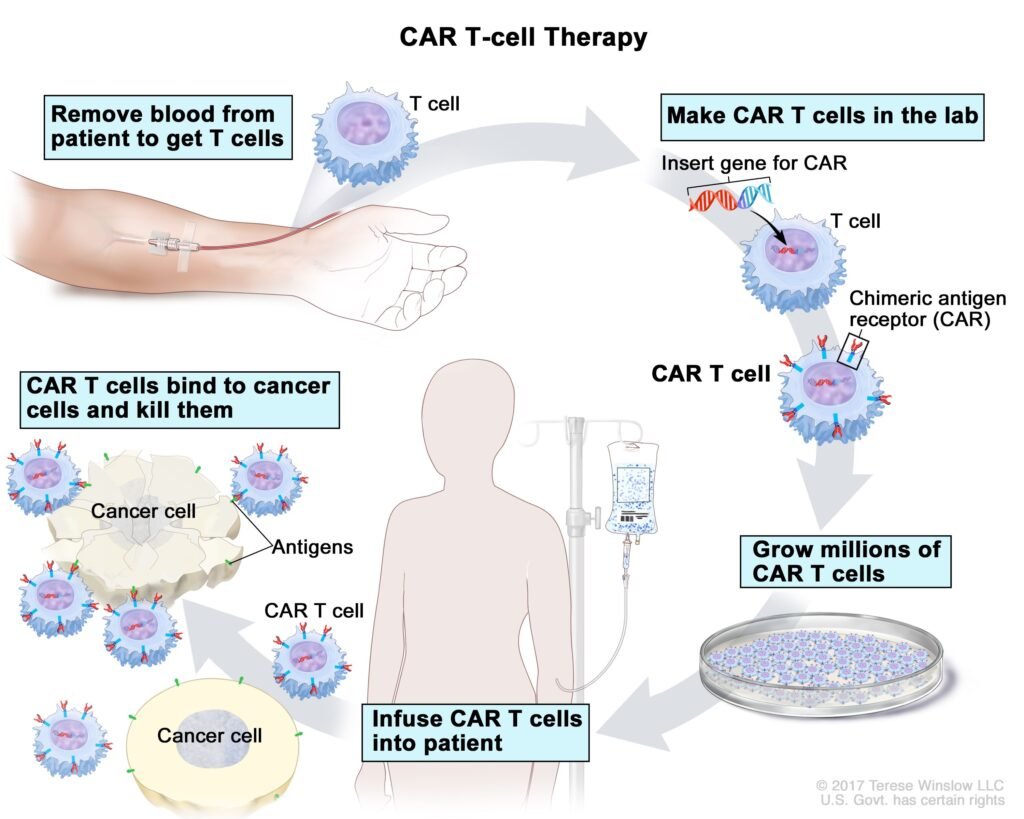
Immunotherapy is an emerging field in cancer treatment that harnesses the power of the immune system to fight cancer. It involves stimulating the body’s immune response or enhancing its ability to recognize and destroy cancer cells. Immunotherapy is being explored as a potential treatment option for Ewing Sarcoma, and early studies have shown promising results. Further research is needed to understand the potential benefits and limitations of immunotherapy in Ewing Sarcoma.
In conclusion, the diagnosis and treatment of Ewing Sarcoma involve a comprehensive approach that combines physical examination, imaging tests, biopsies, chemotherapy, surgery, radiation therapy, and supportive care. Advances in research and ongoing clinical trials offer hope for improved outcomes and innovative treatment approaches. By understanding the various aspects of Ewing Sarcoma, individuals and healthcare providers can make informed decisions and provide the best possible care for those affected by this rare cancer.