
Did you know that your eyes are vulnerable to cancer? It may not be a topic that often comes up in conversations about cancer, but eye cancer is a real and serious condition that can affect anyone. In this article, we will explore some simple yet important tips that you can follow to protect your vision and reduce the risk of developing eye cancer. By implementing these practices into your daily routine, you can take proactive steps towards safeguarding your eyes and preserving your visual health.
Understanding Eye Cancer
Eye cancer, also known as ocular cancer, is a rare form of cancer that develops in the eye. It can affect any part of the eye, including the eyelid, iris, or optic nerve. Understanding the different types of eye cancer, the causes and symptoms, as well as how it is diagnosed, is important for early detection and treatment.
Types of Eye Cancer
There are several types of eye cancer that can occur. The most common type is called uveal melanoma, which affects the cells that produce pigment in the eye. Other types of eye cancer include retinoblastoma, which mainly affects children, and conjunctival melanoma, which affects the conjunctiva, the thin membrane that covers the white part of the eye.
Causes of Eye Cancer
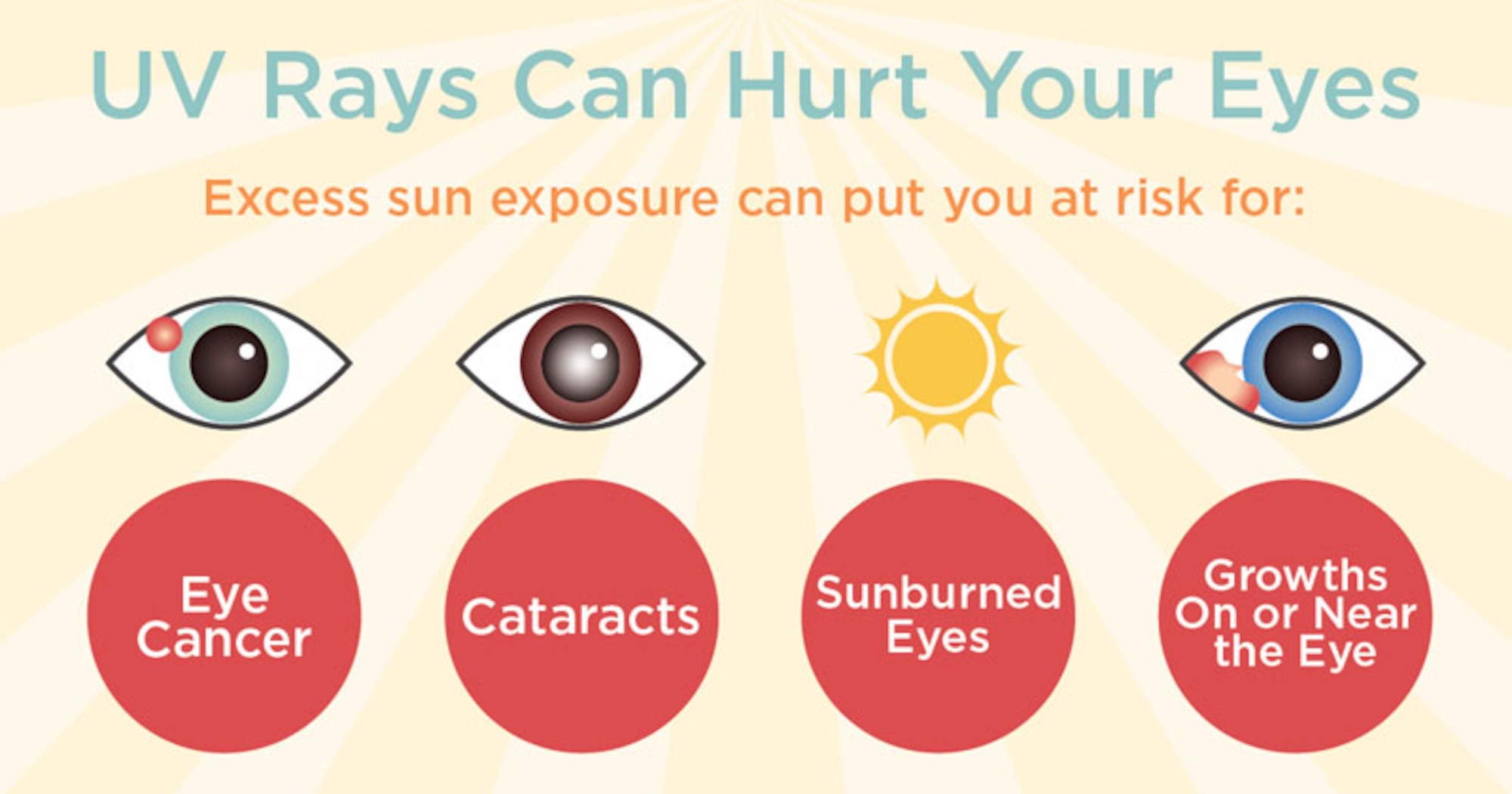
The exact cause of eye cancer is still unknown, but there are certain risk factors that may increase the likelihood of developing it. Exposure to UV rays from the sun, certain genetic conditions, and radiation exposure are some of the factors that have been associated with eye cancer. It is important to be aware of these risk factors and take necessary precautions to reduce the chances of developing this condition.
Signs and Symptoms of Eye Cancer
Early detection of eye cancer is crucial for successful treatment. Being aware of the signs and symptoms can help in identifying potential cases. Some common signs of eye cancer include blurred vision, a change in the shape or size of the pupil, a visible lump on the eyelid, or color changes in the iris. If you experience any unusual symptoms or notice changes in your vision, it is important to consult an eye specialist for further evaluation.
Diagnosing Eye Cancer
If eye cancer is suspected, various diagnostic tests may be conducted to confirm the diagnosis. These tests may include a comprehensive eye examination, imaging tests such as an ultrasound or MRI, and a biopsy to collect a tissue sample for further analysis. Once the diagnosis is confirmed, appropriate treatment options can be discussed with a healthcare professional.

Tips for Preventing Eye Cancer
While the exact cause of eye cancer is unknown, there are certain steps you can take to reduce your risk and protect your eyes from potential harm. By incorporating these tips into your daily routine, you can actively work towards preventing eye cancer and maintaining good eye health.
Protect Your Eyes from UV Rays
One of the most important steps in preventing eye cancer is protecting your eyes from harmful UV rays. Whenever you are outdoors, make sure to wear sunglasses that provide 100% UV protection. Additionally, consider wearing a wide-brimmed hat or seeking shade to further minimize direct exposure to the sun.
Wear Protective Eyewear
Whether you are participating in sports, working with hazardous materials, or engaging in any activity that poses a risk to your eyes, wearing protective eyewear is essential. Safety glasses or goggles can shield your eyes from potential injuries and prevent long-term damage.
Avoid Smoking and Secondhand Smoke
Cigarette smoke contains numerous harmful chemicals that can increase the risk of various cancers, including eye cancer. By avoiding smoking and secondhand smoke, you are not only protecting your lungs but also reducing the chances of developing eye cancer and other related health issues.
Eat a Healthy Diet
Maintaining a healthy diet is important for overall well-being, including eye health. Incorporate nutritious foods such as fruits, vegetables, and omega-3 fatty acids into your diet. These nutrients can help protect against eye damage caused by free radicals and reduce the risk of developing eye cancer.
Practice Good Hygiene
Practicing good hygiene, especially when it comes to your eyes, is crucial for preventing eye cancer. Avoid touching your eyes with dirty hands and make sure to regularly clean your contact lenses as instructed by your eye care professional. By keeping your eyes clean and free from infection, you reduce the risk of developing any eye-related conditions, including cancer.
Get Regular Eye Check-ups
Regular eye check-ups are essential for maintaining good eye health and detecting any potential issues early on. Schedule regular visits with an eye care professional, who can examine your eyes thoroughly, monitor any changes, and provide appropriate guidance regarding your eye health. Early detection of eye cancer significantly increases the chances of successful treatment and recovery.

Protecting Your Vision
While preventing eye cancer is important, it is equally crucial to protect your vision and maintain overall eye health. By adopting a healthy lifestyle and following certain guidelines, you can reduce the risk of vision problems and preserve your eyesight for years to come.
Maintain a Healthy Lifestyle
Maintaining a healthy lifestyle can have a positive impact on your overall vision. Incorporate a balanced diet, regular exercise, and sufficient sleep into your daily routine. These lifestyle choices can promote good eye health and reduce the risk of vision-related issues.
Exercise Regularly
Regular exercise, such as brisk walking or swimming, can improve blood circulation and promote eye health. Engaging in physical activity regularly can help prevent conditions like glaucoma and age-related macular degeneration, which can lead to vision loss if left untreated.
Manage Chronic Conditions
Managing chronic conditions such as diabetes, hypertension, and high cholesterol is crucial for protecting your vision. These conditions can increase the risk of eye diseases that can eventually lead to vision impairment. Work closely with your healthcare provider to ensure control of these conditions through medication, a healthy lifestyle, and regular check-ups.
Limit Screen Time
In today’s digital age, many of us spend a significant amount of time in front of screens, whether it be for work or leisure. Prolonged screen time can cause eye strain and discomfort. To protect your vision, make sure to take regular breaks, blink frequently, and adjust the screen brightness and contrast settings to a comfortable level.
Reduce Eye Strain
Eye strain can occur due to various factors such as using electronic devices for extended periods, reading in low light, or improper lighting conditions. To reduce eye strain, make sure to maintain proper lighting, position screens or reading materials at an appropriate distance, and take breaks to rest your eyes.
Follow Safety Guidelines at Work
If you work in an industry that involves hazardous materials or potential eye injuries, make sure to follow safety guidelines and wear appropriate protective eyewear. Taking these precautions can help prevent occupational eye injuries and ensure the long-term health of your eyes.

Supporting Someone with Eye Cancer
Finding out that a loved one has been diagnosed with eye cancer can be difficult and overwhelming. Being supportive and understanding during this time is crucial for their emotional well-being. Here are some ways you can provide support to someone going through eye cancer:
Be Understanding and Supportive
Offer a listening ear and be understanding of their feelings and emotions. Let them know that you are there for them and that they can lean on you for support. Avoid judgment or pushing them to “stay positive.” Instead, offer empathy and encouragement throughout their journey.
Offer Practical Help
Practical assistance can go a long way in supporting someone with eye cancer. Offer to accompany them to doctor’s appointments, help with household chores, or run errands on their behalf. Small gestures like these can make a significant difference in alleviating some of the burdens they may be facing.
Encourage Open Communication
Encourage open communication and provide a safe space for them to share their fears, concerns, and questions. Be patient and understanding, and offer reassurance whenever needed. Keep in mind that everyone copes differently, so it is important to respect their individuality and provide support in the way that works best for them.
Educate Yourself about Eye Cancer
Take the time to educate yourself about eye cancer and its treatment options. Understanding the condition can help you provide meaningful support and answer any questions your loved one may have. Stay updated on the latest research and treatment advancements to better assist them throughout their journey.
Seek Professional Help if Needed
If you notice that your loved one is struggling with their emotional well-being, do not hesitate to encourage them to seek professional help. Emotional support from mental health professionals or support groups can provide them with the guidance and tools needed to cope with the challenges they are facing.

Conclusion
Understanding eye cancer and taking steps to prevent it is essential for maintaining good eye health. By protecting your eyes from UV rays, wearing protective eyewear, adopting a healthy lifestyle, and seeking regular eye check-ups, you can reduce the risk of eye cancer and other vision-related issues. Additionally, providing support to someone with eye cancer by being understanding, offering practical help, and encouraging open communication can make a significant difference in their journey towards recovery. Remember, your eyes are precious, so take care of them and prioritize your vision health.