
In today’s modern world, we rely heavily on digital devices for work, education, and entertainment. However, this increasing screen time can often lead to a common ailment known as eye fatigue. Eye fatigue, also referred to as computer vision syndrome, occurs when our eyes strain and become tired due to prolonged use of screens. With symptoms like dryness, blurred vision, and headaches, it is crucial to understand and prevent eye fatigue to maintain healthy vision. In this article, you will explore the causes of eye fatigue and discover helpful tips to alleviate and prevent this common issue.

Understanding Eye Fatigue
Definition of Eye Fatigue
Eye fatigue, also known as eyestrain or asthenopia, refers to the discomfort or tiredness felt in or around the eyes. It occurs when the eyes are overused or strained, typically due to extended periods of intense visual concentration or exposure to digital screens. Eye fatigue is a common condition that affects people of all ages, causing temporary discomfort but rarely leading to long-term damage.
Causes of Eye Fatigue
There are several factors that can contribute to eye fatigue. One of the primary causes is digital eye strain, which occurs when you spend prolonged periods looking at digital screens such as computers, smartphones, or tablets. The high levels of blue light emitted by these devices can cause eye fatigue by overstimulating the retinas and disrupting the natural sleep-wake cycle.
Other causes of eye fatigue include poor lighting conditions, especially when working or reading in low light environments. Insufficient or excessive lighting can strain the eyes and make it difficult to focus properly. Additionally, glare from bright lights or reflective surfaces can also contribute to eye fatigue.
Inadequate eye rest and prolonged periods of near work, such as reading or focusing on small objects, can lead to eye strain. These activities require continuous use of the eye muscles, leading to fatigue over time. Additionally, certain underlying conditions such as dry eyes, allergies, or refractive errors can make the eyes more susceptible to fatigue.
Symptoms of Eye Fatigue
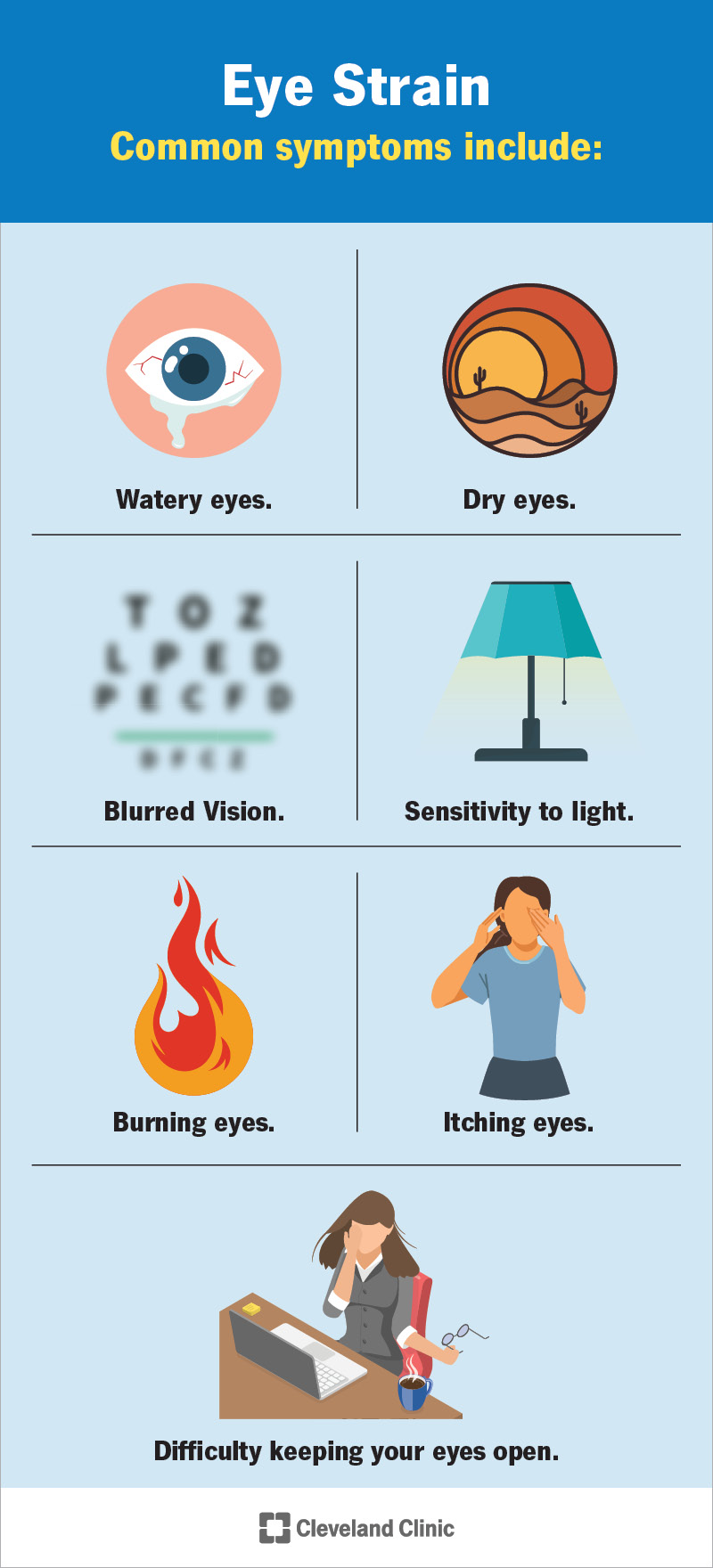
Eye fatigue can present in various ways and may vary from person to person. Some common symptoms include:
- Dry or watery eyes
- Blurred or double vision
- Eye redness or irritation
- Eye twitching
- Sensitivity to light
- Headaches
- Difficulty focusing
- Sore or tired eyes
If you experience any of these symptoms regularly, it is important to address them promptly to prevent further eye strain and discomfort.
Impact of Eye Fatigue on Vision
Extended periods of eye fatigue can have a significant impact on your vision. Prolonged strain on the eye muscles can result in reduced visual acuity, making it harder to see clearly and focus properly on both near and distant objects. Eye fatigue can also affect depth perception and increase the risk of accidents or injuries, particularly when driving or operating heavy machinery.
Additionally, untreated eye fatigue can contribute to other visual problems such as dry eyes, eye floaters, or even chronic migraines. It is crucial to recognize the signs of eye fatigue and take appropriate measures to prevent its adverse effects on vision.
Preventing Eye Fatigue
Maintaining Proper Lighting
Ensuring adequate lighting is essential to prevent eye fatigue. When reading or working on close-up tasks, it is important to have sufficient light that is evenly distributed across the workspace. Avoid reading or working in dimly lit areas, as it can strain the eyes and make it harder to focus. On the other hand, excessive lighting can cause glare and discomfort. Finding the right balance of lighting is crucial for optimal eye health and preventing fatigue.
Reducing Glare
Glare from various sources, such as bright lights, reflections, or glossy surfaces, can strain the eyes and contribute to eye fatigue. To reduce glare, position your workspace or reading area away from direct sources of light, or use curtains, blinds, or filters to minimize the amount of light entering the room. If you wear glasses, consider getting an anti-reflective coating on your lenses to reduce glare and improve visual comfort.
Taking Breaks
Taking frequent breaks from prolonged periods of near work or screen time is crucial in preventing eye fatigue. The American Academy of Ophthalmology recommends the 20-20-20 rule, which means taking a 20-second break every 20 minutes to look at something at least 20 feet away. This allows the eyes to rest and refocus, reducing strain on the eye muscles.
Practicing the 20-20-20 Rule
In addition to taking regular breaks, practicing the 20-20-20 rule can further help prevent eye fatigue. By consciously shifting your focus to a distant object every 20 minutes, you give your eyes a chance to relax and readjust from the intense concentration required for near work. This simple practice can significantly reduce eye strain and promote overall eye health.
Adjusting Display Settings
Adjusting the display settings of your digital devices can make a significant difference in preventing eye fatigue. Increase the font size and adjust the brightness and contrast levels of your screen to reduce eyestrain. Additionally, using a warmer color temperature or enabling the blue light filter feature on your device can help minimize the exposure to harmful blue light, which can contribute to eye fatigue.
Using the Correct Display
Using the correct display for your specific needs can also help prevent eye fatigue. Consider using monitors or screens with larger sizes, higher resolutions, and reduced flickering. High-resolution displays provide sharper images, reducing the need for the eyes to strain, while screens with minimal flickering help minimize eye irritation and fatigue. Investing in a quality display can go a long way in maintaining your eye health.
Optimizing Workstation Ergonomics
Proper workstation ergonomics play a crucial role in preventing eye fatigue. Ensure that your chair, desk, and computer screen are positioned correctly for maximum comfort and efficiency. Maintain a comfortable distance between your eyes and the screen, with the top of the monitor slightly below eye level. Use an ergonomic chair with proper back support, and adjust the height and angle of your chair and desk to achieve an optimal working posture. These ergonomic adjustments can help reduce strain on the eyes and minimize the risk of eye fatigue.
Minimizing Eye Strain with Restful Techniques
In addition to taking breaks, there are several restful techniques that you can incorporate into your daily routine to minimize eye strain and prevent eye fatigue. These include:
-
Palming: Rub your palms together to generate warmth and place them gently over closed eyes. Relax and enjoy the darkness for a few minutes, allowing your eyes to rejuvenate.
-
Blinking: Blinking regularly helps to keep the eyes moist and refreshes the tear film, reducing the risk of dry eyes and eye fatigue.
-
Eye exercises: Simple eye exercises, such as rolling your eyes clockwise and counterclockwise or focusing on distant objects, can help improve eye muscle flexibility and reduce eye strain.
-
Warm compresses: Applying a warm compress over closed eyes can help soothe tired and achy eyes, promoting relaxation and relieving eye fatigue.
Wearing Computer Eyewear
Computer eyewear, such as specialized glasses or contact lenses, can provide additional protection against eye fatigue. These eyewear options are designed to reduce the strain on the eyes caused by prolonged screen time and minimize the effects of blue light exposure. Consult with an eye care professional to determine if computer eyewear is suitable for your needs.
Consulting an Eye Care Professional
If you are experiencing persistent or severe eye fatigue, it is important to consult an eye care professional. They can evaluate your symptoms, perform a comprehensive eye examination, and provide personalized recommendations and treatment options tailored to your specific needs. Regular eye exams are also essential for maintaining good eye health and preventing eye fatigue.
By understanding the causes, symptoms, and impact of eye fatigue, as well as implementing preventive measures, you can effectively protect your eyes and maintain optimal vision. Remember to prioritize rest, relaxation, and proper eye care to keep your eyes healthy and comfortable, especially in today’s digital age.
