Imagine a world where you can protect your child from the unpredictable and often terrifying experience of febrile seizures. Febrile seizures, although usually harmless, can be a distressing experience for both the child and the parent. In this article, we will explore effective measures one can take to prevent febrile seizures, providing peace of mind and ensuring the well-being of your loved ones. From managing high fevers to maintaining a healthy lifestyle, we will guide you through the steps to safeguard your child and minimize the risk of febrile seizures.
Introduction to Febrile Seizures
What are Febrile Seizures?
Febrile seizures are convulsions or involuntary muscle movements that occur in infants and young children, usually between the ages of 6 months and 5 years. These seizures are triggered by a sudden spike in body temperature, often in response to an infection or illness. Febrile seizures are quite common, affecting around 2-5% of children. They can be frightening to witness, but they are usually harmless and do not cause any long-term damage.
Types of Febrile Seizures
There are two main types of febrile seizures: simple and complex.
-
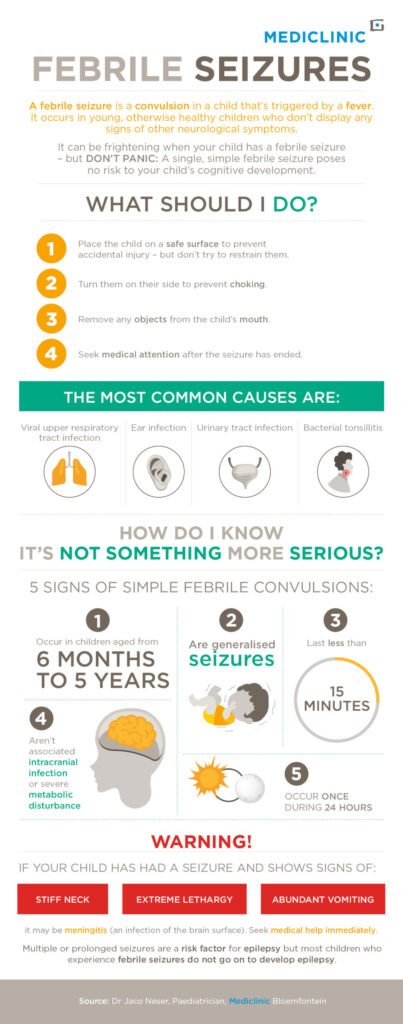
Simple Febrile Seizures: Simple febrile seizures are the most common type and usually last for less than 15 minutes. During a simple febrile seizure, your child may lose consciousness and experience shaking or jerking movements in the arms and legs. They may also be unresponsive or have changes in breathing patterns. After the seizure, your child may feel tired or sleepy.
-
Complex Febrile Seizures: Complex febrile seizures are less common and tend to last longer, typically more than 15 minutes. They may involve only one side of the body or be accompanied by a higher temperature (over 102.2°F or 39°C). Complex febrile seizures may cause confusion, prolonged unconsciousness, or repeated seizures within a short period.
Understanding Febrile Seizures
Causes of Febrile Seizures
Febrile seizures are usually triggered by a rapid increase in body temperature, often in response to a fever caused by a viral or bacterial infection. The exact cause of febrile seizures is still unknown. However, there are several factors that may increase the likelihood of a seizure occurring, such as a family history of febrile seizures, a low threshold for temperature elevation, and certain genetic factors.
Risk Factors for Febrile Seizures
While febrile seizures can occur in any child, there are some factors that may increase the risk:
- Age: Febrile seizures are most common in children between 6 months and 5 years old.
- Family History: If a close family member, such as a sibling or parent, has had febrile seizures, the risk may be higher.
- Fever History: Children who have had a previous febrile seizure are more likely to experience another one.
- Developmental Delays: Children with developmental delays or neurological conditions may have an increased risk of febrile seizures.
Symptoms of Febrile Seizures
Febrile seizures can present in different ways depending on whether they are simple or complex. Some common symptoms include:
- Loss of Consciousness: The child may become unresponsive during the seizure.
- Shaking or Jerking Movements: There may be involuntary movements in the arms, legs, or entire body.
- Change in Breathing: Breathing may become shallow or irregular during the seizure.
- Fever: Febrile seizures are typically triggered by a fever of 100.4°F (38°C) or higher.
Diagnosing Febrile Seizures
Physical Examination
To diagnose febrile seizures, a healthcare provider will conduct a physical examination of the child, paying attention to their vital signs and looking for any signs of infection or underlying conditions. They will also ask about the child’s medical history and any family history of seizures or febrile seizures.
Medical History
During the medical history assessment, the healthcare provider will ask questions about the child’s seizure episode, including the duration, the presence of fever, and any other symptoms experienced. They will also inquire about any previous febrile seizures, family history of seizures, and the child’s overall medical history. This information helps in ruling out other possible causes of the seizure and determining the appropriate course of action.
Diagnostic Tests
In most cases, febrile seizures do not require extensive diagnostic testing. However, under certain circumstances, the healthcare provider may recommend tests to rule out other potential causes or identify any underlying conditions:
- Blood Tests: Blood tests can help determine the presence of infections or electrolyte imbalances.
- Urinalysis: A urine test may be taken to check for signs of urinary tract infection or other related conditions.
- Imaging Studies: In rare cases, imaging studies such as an electroencephalogram (EEG) or magnetic resonance imaging (MRI) may be ordered to evaluate brain activity or structure.
Preventive Measures for Febrile Seizures
While it is not always possible to prevent febrile seizures, there are several steps you can take to reduce their likelihood:
Maintaining a Low Fever
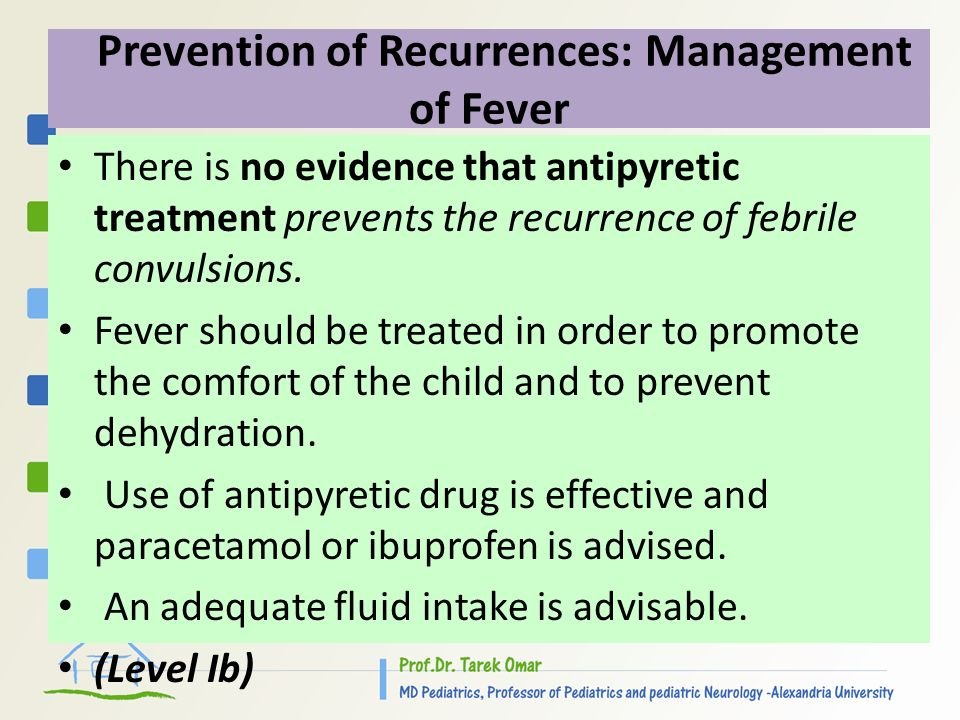
Try to manage your child’s fever by using fever-reducing medications and appropriate cooling methods like tepid sponging or cool baths. Avoid overdressing them, as this can increase body temperature.
Administering Fever-Reducing Medications
Over-the-counter fever-reducing medications like acetaminophen or ibuprofen can be given according to the recommended dosage for your child’s age and weight. These medications help bring down the fever and may reduce the risk of a febrile seizure.
Dress Appropriately
Dress your child in light, breathable clothing that allows for air circulation and heat dissipation. Avoid overdressing, especially during warmer weather conditions.
Maintain a Comfortable Environment
Keep the room at a comfortable temperature to prevent overheating. Use fans, open windows, or air conditioning if necessary. Ensure proper ventilation in your child’s sleeping area.
Ensure Proper Hydration
Encourage your child to drink plenty of fluids, such as water or electrolyte solutions, to maintain hydration levels during fever episodes. Dehydration can contribute to the onset of febrile seizures.
Balanced Diet
A healthy and balanced diet helps support overall health and immunity. Ensure your child eats a variety of fruits, vegetables, whole grains, and protein sources to keep their body strong and prepared to fight infections.
Avoid Overheating
Take measures to prevent overheating, such as avoiding excessive sun exposure, using sunscreen, and providing shade during outdoor activities. High ambient temperatures can increase the risk of febrile seizures.
Manage Underlying Conditions
If your child has an underlying medical condition that predisposes them to febrile seizures, work closely with their healthcare provider to manage and monitor the condition effectively. This may involve regular check-ups, medication management, and following a specific treatment plan.
Managing Febrile Seizures
First Aid during a Seizure
If your child experiences a febrile seizure, here’s what you can do to ensure their safety:
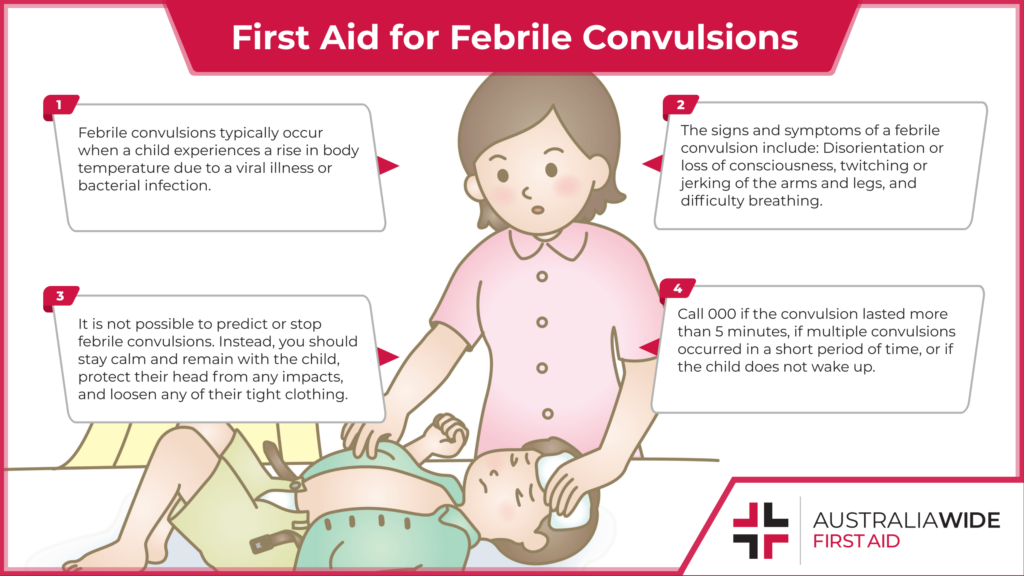
- Stay Calm: As difficult as it may be, remaining calm is crucial. Panicking can worsen the situation.
- Protect the Child: Clear the surrounding area to prevent injury. Remove any sharp or dangerous objects.
- Turn the Child onto their Side: Gently roll your child onto their side to prevent choking or aspiration.
- Watch and Time the Seizure: Observe and note the duration of the seizure. If it lasts longer than 5 minutes or is followed by another seizure, seek immediate medical help.
- Do Not Restrain or Insert Objects: Never try to restrain or insert objects into your child’s mouth during a seizure. This can cause harm.
- Stay with Your Child: Offer comfort and reassurance once the seizure has ended. It may take some time for your child to fully recover.
Seeking Medical Help
In most cases, febrile seizures do not require emergency medical assistance. However, there are certain instances when you should seek immediate medical help:
- Seizure Lasts Longer Than 5 Minutes: If the seizure lasts longer than 5 minutes, it is considered a medical emergency.
- Repeated Seizures: If your child experiences multiple seizures within a short period or has difficulty breathing after the seizure, seek medical attention.
- Loss of Consciousness or Abnormal Behavior: If your child does not regain consciousness or exhibits abnormal behavior after the seizure, consult a healthcare professional.
- Injury or Difficulty Breathing: If your child sustains an injury during the seizure or has difficulty breathing, seek immediate medical assistance.
Febrile Seizure Action Plan
Work with your child’s healthcare provider to develop an action plan for managing febrile seizures. This plan should include specific instructions on when to administer medications, who to contact in case of a seizure, and when to seek emergency help. Share this plan with other caregivers, such as teachers or family members, so they know how to respond in the event of a seizure.
Coping with Febrile Seizures
Providing Emotional Support
Febrile seizures can be distressing for both the child and the parents. It is essential to provide emotional support to your child, reassuring them that seizures are typically harmless and that they are not alone in this experience. Stay positive, offer comfort, and answer any questions they may have.
Educating Family and Caregivers
Educate family members, childcare providers, and other caregivers about febrile seizures. Explain what to do during a seizure, when to seek medical help, and how to manage fever episodes appropriately. This knowledge will help them provide adequate care and support to your child.
Connecting with Support Groups
Joining support groups or online communities of parents who have experienced febrile seizures can provide a sense of understanding and support. Sharing experiences, concerns, and coping strategies with others who are going through similar situations can be beneficial in managing the emotional aspects of having a child with febrile seizures.
In conclusion, febrile seizures can be a worrisome experience for parents, but with the right knowledge and preventive measures, the risk can be minimized. By maintaining a low fever, administering fever-reducing medications, ensuring a comfortable environment, and seeking medical help when necessary, you can effectively manage febrile seizures. Remember to provide emotional support to your child and educate those around you about febrile seizures. With a proactive approach and a supportive network, you can navigate through febrile seizures and ensure the well-being of your child.