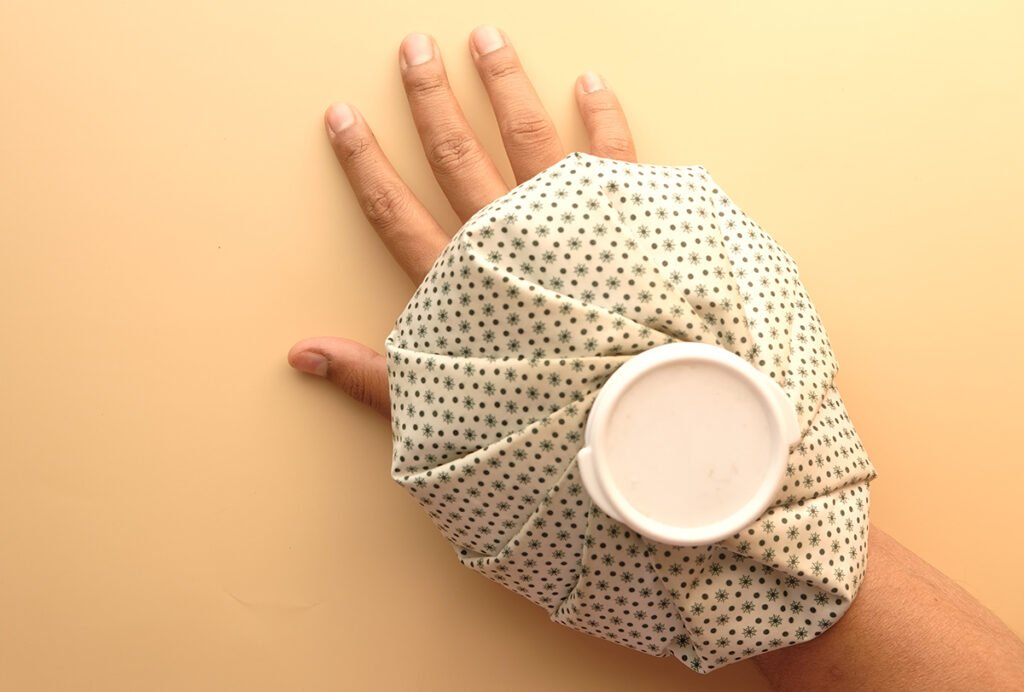
If you’ve ever noticed a small, fluid-filled lump on your wrist or hand, chances are you may be dealing with a ganglion cyst. These benign growths can be quite bothersome, but the good news is that there are natural remedies and prevention tips that can help you manage them from the comfort of your own home. By understanding what ganglion cysts are and implementing some simple strategies, you can alleviate discomfort, reduce their size, and potentially prevent their recurrence. In this article, we will explore these effective at-home approaches, empowering you to take control of your ganglion cysts and find relief.
What is a Ganglion Cyst?
A ganglion cyst is a noncancerous lump that most commonly forms along the tendons or joints of the wrists or hands, although they can also occur in the feet. These cysts are filled with a jelly-like fluid and are typically smooth and round in shape. Ganglion cysts can vary in size, ranging from pea-sized to an inch or more in diameter. While ganglion cysts are usually harmless, they can cause discomfort, pain, and limited range of motion if they press on nearby nerves or interfere with joint function.
Causes of Ganglion Cysts
Although the exact cause of ganglion cysts is unknown, several factors may contribute to their development. Some of the common causes include:
Joint or tendon irritation
Activities or occupations that involve repetitive movements or excessive strain on the joints and tendons can contribute to the development of ganglion cysts. The repeated irritation can lead to the accumulation of fluid and the formation of a cyst.
Injury or trauma
A previous injury, such as a sprain or fracture, can increase the risk of developing a ganglion cyst. It is believed that the trauma triggers the body’s healing response, causing the tissue surrounding the joint or tendon to bulge and form a cyst.
Repetitive movements
Engaging in repetitive motions, such as typing or playing a musical instrument, can put stress on the joints and tendons, leading to the development of ganglion cysts over time.
Osteoarthritis
Osteoarthritis, a degenerative joint disease, can also contribute to the formation of ganglion cysts. The wear and tear on the joints can cause fluid to accumulate and form a cyst.
Genetic predisposition
Some individuals may be genetically predisposed to developing ganglion cysts. If there is a family history of ganglion cysts, the likelihood of developing one may be higher.

Symptoms of Ganglion Cysts
Ganglion cysts may or may not cause symptoms, and the severity of these symptoms can vary from person to person. Some common symptoms of ganglion cysts include:
Visible lump or swelling
The most noticeable symptom of a ganglion cyst is a visible lump or swelling. The lump is usually firm and can be felt with touch.
Tenderness or pain
Ganglion cysts can be tender to the touch or cause localized pain, especially when pressure is applied to the affected area. The pain may worsen with certain movements or activities.
Limited range of motion
If a ganglion cyst is pressing on a nearby joint or tendon, it can restrict the range of motion in that area. This limitation can make certain movements uncomfortable or difficult.
Numbness or tingling
In some cases, ganglion cysts may put pressure on nearby nerves, resulting in numbness or tingling sensations in the affected area. This symptom is less common but can occur if the cyst grows large enough to compress a nerve.
Diagnosis of Ganglion Cysts
If you suspect you have a ganglion cyst, it is important to see a healthcare professional for a proper diagnosis. The following methods are commonly used to diagnose ganglion cysts:
Physical examination
During a physical examination, your healthcare provider will inspect the lump and assess its characteristics, such as size, location, and mobility. They may also ask you about your symptoms and medical history.
Imaging tests
In some cases, imaging tests like X-rays or ultrasounds may be ordered to provide a clearer view of the cyst’s location, size, and any potential effects on nearby structures, such as bones or nerves.
Aspiration and analysis of cyst fluid
Aspiration is a procedure in which a needle is used to drain the fluid from the cyst. This can serve both diagnostic and therapeutic purposes. The fluid can be sent to a laboratory for analysis to confirm the diagnosis and rule out any other underlying conditions.
Biopsy (rarely required)
In rare circumstances, a biopsy may be necessary to further investigate the cyst and rule out any other potential causes for the lump. During a biopsy, a small sample of tissue is removed from the cyst and examined under a microscope.

Medical Treatment for Ganglion Cysts
The appropriate treatment for a ganglion cyst depends on various factors, including the size and location of the cyst, as well as the severity of symptoms. Some common medical treatment options for ganglion cysts include:
Observation
If the ganglion cyst is small, painless, and not causing any functional limitations, your healthcare provider may recommend a wait-and-see approach. Ganglion cysts often resolve on their own without treatment, and observation allows for monitoring any changes in size or symptoms.
Immobilization
In some cases, immobilizing the affected joint with a splint or brace can help alleviate symptoms and prevent further aggravation of the cyst. This can be particularly beneficial if the cyst is caused by repetitive movements or overuse of the joint.
Aspiration and injection
Aspiration involves draining the fluid from the cyst using a needle. This procedure can provide temporary relief of symptoms, but the cyst may recur. In certain cases, a corticosteroid injection may be administered after aspiration to reduce inflammation and decrease the likelihood of the cyst returning.
Surgery
If non-surgical treatments have been ineffective or if the cyst is causing significant pain and limited mobility, surgical removal may be recommended. During the surgery, the cyst and its stalk are typically removed to minimize the risk of recurrence.
Natural Remedies for Managing Ganglion Cysts
In addition to medical treatments, there are several natural remedies that may help alleviate discomfort and promote the healing of ganglion cysts. It is important to note that these remedies are not a substitute for medical advice, and consulting with a healthcare professional is essential. Some natural remedies that may be beneficial in managing ganglion cysts include:
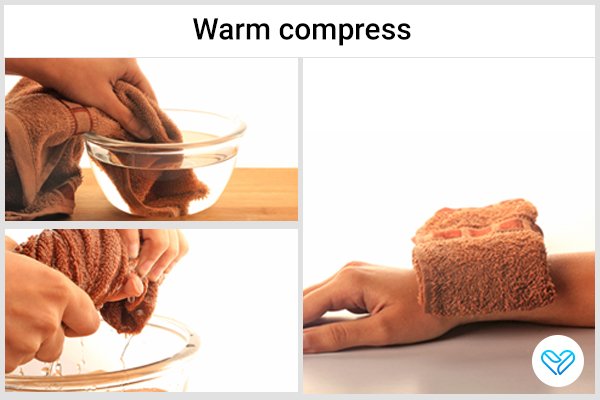
Hot compresses
Applying a hot compress to the affected area can help reduce pain and inflammation associated with ganglion cysts. Use a warm towel or heating pad and apply it for 15-20 minutes at a time, several times a day.
Castor oil packs
Castor oil has anti-inflammatory properties and can be used to soothe ganglion cysts. To make a castor oil pack, soak a cloth or a piece of flannel in castor oil, apply it to the cyst, and cover it with plastic wrap. Leave it on for a few hours or overnight, repeating this process regularly.
Epsom salt soak
Epsom salt contains magnesium, which can help reduce inflammation and promote relaxation. Soaking the affected area in warm water mixed with Epsom salt for 15-20 minutes a few times a week may provide relief.
Turmeric paste
Turmeric has anti-inflammatory properties, and applying a paste made of turmeric powder and water directly to the cyst can help alleviate pain and swelling. Leave the paste on the cyst for 15-20 minutes before rinsing off.
Frankincense oil
Frankincense oil has anti-inflammatory and analgesic properties and can be applied topically to the ganglion cyst. Mix a few drops of frankincense oil with a carrier oil, such as coconut or almond oil, and gently massage it into the cyst.
Ginger poultice
Ginger has natural anti-inflammatory properties and can be used in the form of a poultice to reduce cyst-related pain and swelling. Grate fresh ginger, wrap it in a clean cloth, and apply it to the cyst. Leave it on for 15-20 minutes and repeat as needed.
Arnica gel
Arnica gel, derived from the arnica plant, has anti-inflammatory properties and can be applied topically to reduce pain and swelling associated with ganglion cysts. Follow the instructions on the packaging for proper application and dosage.
Salicylates-containing creams
Salicylates, found in many topical creams, have pain-relieving and anti-inflammatory properties. Applying a cream containing salicylates to the cyst can provide temporary relief of symptoms.
Bromelain supplements
Bromelain, a mixture of enzymes found in pineapple, has anti-inflammatory properties that can help reduce the size of ganglion cysts. Consult with a healthcare professional before taking any supplements, as they may interact with certain medications or have side effects.
Apple cider vinegar
Apple cider vinegar has been used as a natural remedy for a variety of conditions, and some people find relief from ganglion cysts by applying it topically. Soak a cotton ball in apple cider vinegar and apply it to the cyst for 15-20 minutes, repeating this process regularly.
Prevention Tips for Ganglion Cysts
While there is no foolproof way to prevent ganglion cysts, there are several strategies that may help reduce the risk of their development. Consider the following prevention tips:
Take breaks during repetitive activities
If your work or hobbies involve repetitive motions, take regular breaks to give your joints and tendons a rest. Stretching and performing exercises that target the affected areas can also help prevent the formation of ganglion cysts.
Maintain proper ergonomics
Ensure that your workspace and equipment are ergonomically designed to minimize strain on your joints. This can include using wrist rests, adjustable chairs, and proper keyboard positioning to maintain a neutral wrist and hand position.
Avoid excessive strain on joints
Avoid overexerting or putting excessive strain on your joints, especially when lifting heavy objects or engaging in activities that require repetitive movements. Use proper lifting techniques, and consider using assistive devices if needed.
Protect your joints
When engaging in activities that pose a risk of joint injury, such as sports or manual labor, wear protective gear like wrist guards or gloves to minimize the risk of trauma.
Strengthen your muscles
Strengthening the muscles surrounding your joints can provide added support and stability, reducing the likelihood of developing ganglion cysts. Incorporate resistance training and exercises targeting the specific joints at risk.
Wear supportive footwear
Choosing shoes with proper support and cushioning can help distribute your body weight evenly and reduce stress on your joints, including those in your feet and ankles.
Manage underlying conditions
Keep any underlying conditions, such as osteoarthritis, under control through appropriate management strategies. This can include following a healthy diet, engaging in regular physical activity, and working closely with your healthcare provider to develop an individualized treatment plan.
Maintain a healthy weight
Excess body weight can put additional stress on your joints, increasing the likelihood of developing ganglion cysts. Aim to maintain a healthy weight through a balanced diet and regular exercise.
Complications of Ganglion Cysts
While ganglion cysts are generally benign, they can lead to complications in some cases. Some potential complications include:
Nerve compression
If a large ganglion cyst presses on nearby nerves, it can cause nerve compression, resulting in pain, tingling, or numbness in the affected area. This can interfere with normal sensory and motor function.
Joint damage
In rare cases, untreated or recurrent ganglion cysts can cause damage to the nearby joints or tendons. The pressure exerted on the joint by the cyst can weaken the surrounding structures, leading to joint instability or degeneration over time.
Limited mobility
When a ganglion cyst restricts the range of motion in a joint, it can cause functional limitations and affect daily activities. This limited mobility can result in difficulty performing tasks or participating in certain sports or hobbies.
When to Seek Medical Attention
While most ganglion cysts do not require immediate medical attention, there are certain circumstances when you should consult with a healthcare professional. Seek medical attention if you experience any of the following:
Increasing pain or discomfort
If the pain associated with the ganglion cyst becomes severe or progressively worsens over time, it is important to seek medical advice. This may indicate a more serious underlying issue that requires intervention.
Growing lump
If you notice that the size of the cyst is increasing or if the lump becomes more uncomfortable or visually bothersome, it is recommended to consult with a healthcare professional. Persistent growth may require medical treatment or surgical intervention.
Changes in skin color or texture
If the overlying skin of the cyst becomes increasingly discolored, red, or shows signs of infection, it is essential to seek medical attention. This may indicate an infection or a more severe complication.
Loss of normal joint function
If the ganglion cyst is interfering with your ability to move a joint or causing significant functional limitations, it is important to have it evaluated by a healthcare professional. It is possible that the cyst is causing damage to the joint or surrounding structures.
Conclusion
Ganglion cysts are common noncancerous lumps that can form on tendons or joints, most frequently in the wrists or hands. While ganglion cysts are generally harmless and may resolve on their own, they can cause discomfort, pain, and limited range of motion if they press on nearby structures. Medical treatment options for ganglion cysts include observation, immobilization, aspiration, and surgery. In addition to medical treatments, natural remedies like hot compresses, castor oil packs, and ginger poultices may provide relief. Prevention tips include taking breaks during repetitive activities, maintaining proper ergonomics, and protecting your joints. It is important to seek medical attention if the cyst causes increasing pain, grows in size, changes in appearance, or interferes with joint function.