
Living with Graves Disease can present unique challenges, but with the right lifestyle changes and tips, you can effectively manage the symptoms and improve your overall well-being. From maintaining a balanced diet to managing stress levels, this article will provide you with practical advice and valuable insights to navigate life with Graves Disease. Whether you’ve recently been diagnosed or have been managing the condition for years, these tips will help you feel empowered and in control of your health. So, let’s embark on this journey together and discover how small changes in your daily routine can make a big difference in managing Graves Disease.

Graves Disease Overview
Graves Disease is an autoimmune disorder that causes an overactive thyroid gland, also known as hyperthyroidism. This condition occurs when your immune system mistakenly attacks the thyroid gland, causing it to produce excess thyroid hormone. Graves Disease is the most common cause of hyperthyroidism, affecting millions of people worldwide.
What is Graves Disease?
Graves Disease, named after the Irish physician Robert J. Graves who first described the condition in the early 19th century, is an autoimmune disorder that primarily affects the thyroid gland. The thyroid gland, located in the front of your neck, plays a vital role in regulating metabolism, energy levels, and other bodily functions. In Graves Disease, the immune system stimulates the thyroid gland to produce more thyroid hormone than the body needs, leading to hyperthyroidism.
Symptoms of Graves Disease
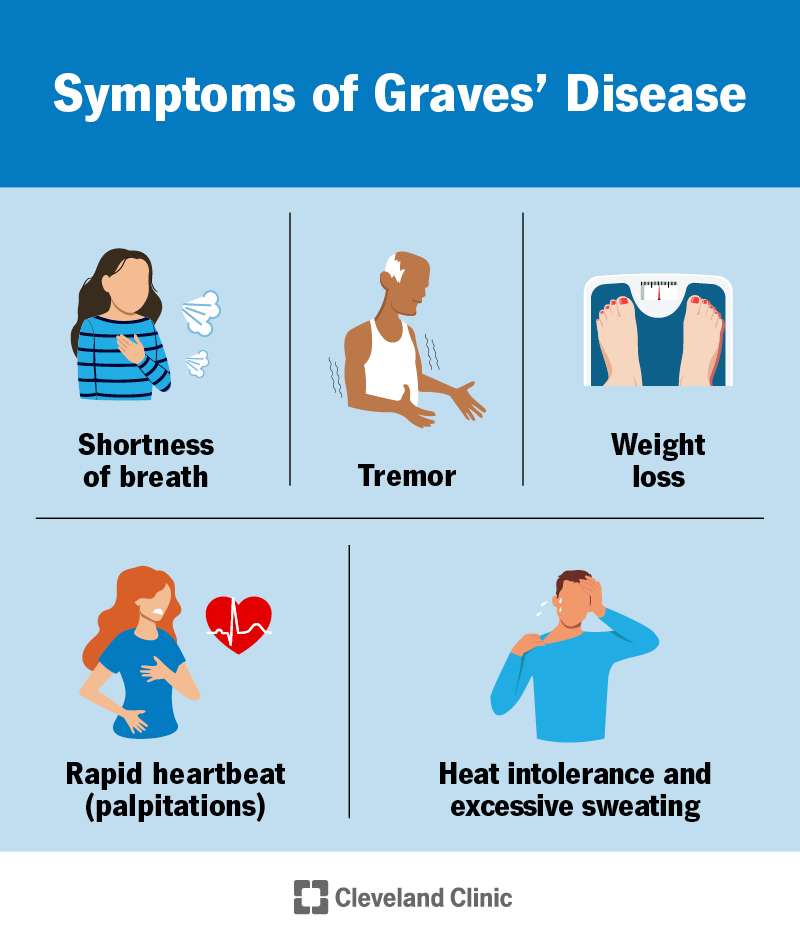
When you have Graves Disease, your body experiences various symptoms due to the excessive production of thyroid hormone. Some common symptoms include:
- Rapid heartbeat
- Unexplained weight loss
- Tremors or shaking hands
- Increased perspiration
- Anxiety and irritability
- Fatigue and weakness
- Difficulty sleeping
- Heat sensitivity
- Changes in menstrual cycles
Causes of Graves Disease
The exact cause of Graves Disease is still unknown, but it is believed to stem from a combination of genetic and environmental factors. Research suggests that certain genes may predispose individuals to develop autoimmune diseases, including Graves Disease. Additionally, factors such as stress, hormonal changes, and infections can trigger the onset of this condition in susceptible individuals.
Diagnosis of Graves Disease
To diagnose Graves Disease, your healthcare provider will perform a thorough physical examination and assess your symptoms. They may also order certain tests, such as blood tests to measure thyroid hormone levels and antibodies. Imaging tests like ultrasound or radioactive iodine uptake scans may be used to evaluate the size and activity of the thyroid gland. A definitive diagnosis is made based on clinical findings and the presence of specific antibodies associated with Graves Disease.
Medical Treatments for Graves Disease
Graves Disease requires proper medical treatment to manage its symptoms and prevent complications. Here are some common treatment options:
Antithyroid Medications
Antithyroid medications, such as methimazole and propylthiouracil, are commonly used as a first-line treatment for Graves Disease. These medications work by slowing down the production of thyroid hormone. They may be prescribed for a specified period, usually one to two years, to achieve remission and stabilize thyroid hormone levels.
Radioactive Iodine Therapy
Radioactive iodine therapy is another treatment option for Graves Disease. In this approach, a radioactive form of iodine is taken orally, which is then absorbed by the overactive thyroid gland. The radiation from the iodine destroys the thyroid cells, gradually reducing the production of thyroid hormone. This therapy is usually a one-time treatment.
Thyroid Surgery
In some cases, when other treatment options are not suitable or desired, thyroid surgery may be recommended. A surgical procedure known as a thyroidectomy involves the removal of all or part of the thyroid gland. This procedure is typically reserved for individuals with severe symptoms, large goiters, or those who have not responded well to other treatments. Following surgery, lifelong thyroid hormone replacement therapy is required.

Lifestyle Changes for Managing Graves Disease
In addition to medical treatments, making lifestyle changes can greatly contribute to effectively managing Graves Disease. Here are some key lifestyle modifications to consider:
Stress Management Techniques
Stress can exacerbate symptoms of Graves Disease. Therefore, incorporating stress management techniques into your daily routine is crucial. Engaging in activities like deep breathing exercises, meditation, yoga, or even spending time in nature can help reduce stress levels and promote overall well-being.
Regular Exercise
Regular exercise can play a significant role in managing Graves Disease. It helps reduce stress, improve cardiovascular health, strengthen muscles, and increase bone density. Engaging in activities such as walking, swimming, cycling, or yoga can be beneficial. However, it is important to consult with your healthcare provider to determine the appropriate level and intensity of exercise for your individual needs.
Proper Diet and Nutrition
Maintaining a healthy diet is essential for managing Graves Disease. Consuming a well-balanced diet rich in fruits, vegetables, whole grains, and lean proteins can support overall health and provide the necessary nutrients for optimal thyroid function. It is also important to limit consumption of caffeine, sugar, and processed foods, as they can exacerbate symptoms. Consulting with a registered dietitian can help develop a personalized meal plan tailored to your specific needs.
Adequate Sleep and Rest
Getting sufficient sleep and rest is vital for individuals with Graves Disease. Fatigue and irregular sleep patterns are common symptoms of this condition. Establishing a regular sleep schedule, creating a relaxing bedtime routine, and ensuring a comfortable sleep environment can significantly help improve the quality and duration of sleep. Adequate rest throughout the day is also important to conserve energy and promote overall well-being.
Tips for Managing Graves Disease
Managing Graves Disease can be challenging at times, but there are several strategies that can help you effectively navigate the condition. Here are some helpful tips:
Educate Yourself About the Condition
Knowledge is power, especially when it comes to managing a chronic condition like Graves Disease. Take the time to educate yourself about the disease, its treatment options, and potential complications. Understanding your condition will empower you to make informed decisions, communicate effectively with your healthcare team, and advocate for your own well-being.
Stay Compliant with Medications
Adhering to medications prescribed by your healthcare provider is crucial for managing Graves Disease. Antithyroid medications, for instance, help control the production of thyroid hormone and stabilize thyroid levels. Skipping doses or discontinuing medications without medical supervision can lead to a relapse of symptoms. Maintain open communication with your healthcare provider to discuss any concerns or side effects you may experience.
Monitor Your Thyroid Levels Regularly
Regular monitoring of thyroid hormone levels is essential to ensure optimal management of Graves Disease. Your healthcare provider will periodically check your levels using blood tests and adjust medication dosages accordingly. It is important to attend these follow-up appointments and communicate any changes in symptoms or concerns you may have.
Create a Supportive Network
Living with Graves Disease can feel overwhelming at times. Building a supportive network of friends, family, and fellow individuals with the condition can provide emotional support and a safe space to share experiences. Joining support groups, both in-person and online, enables you to connect with others who can relate to your journey. Remember, you are not alone, and having a support system can make a significant difference in managing the challenges associated with Graves Disease.

Healthcare Support for Graves Disease
In addition to lifestyle changes and self-management strategies, working closely with a healthcare team specialized in treating Graves Disease is crucial. Here are some professionals who can provide valuable support:
Endocrinologist
An endocrinologist is a medical specialist who specializes in diagnosing and treating disorders of the endocrine system, including Graves Disease. They have extensive knowledge and experience in managing hormonal imbalances and can provide expert guidance in the medical treatment of your condition.
Primary Care Physician
Your primary care physician, often a family doctor or internist, plays a crucial role in managing your overall health and coordinating your healthcare needs. They can help monitor your overall well-being, provide general medical care, and refer you to other specialists as needed.
Registered Dietitian
A registered dietitian is a valuable resource for individuals with Graves Disease. They can help design a personalized meal plan that takes into consideration your specific needs and dietary restrictions. A well-balanced diet can support thyroid function and overall health, and a dietitian can provide essential guidance in achieving optimal nutrition.
Psychologist
Living with a chronic condition like Graves Disease can take a toll on your mental well-being. A psychologist or mental health professional can provide support and guidance in managing any emotional challenges you may encounter. They can help you develop coping strategies, manage stress, and promote overall mental well-being.
Alternative Therapies for Graves Disease
In addition to conventional medical treatments, some individuals with Graves Disease may find alternative therapies beneficial. While these therapies may not replace traditional medical interventions, they can complement overall management strategies. Here are a few alternative therapies worth considering:
Acupuncture
Acupuncture, an ancient Chinese practice, involves the insertion of thin needles into specific points in the body to stimulate energy flow. Some individuals find that acupuncture helps relieve symptoms associated with Graves Disease, such as anxiety, fatigue, and sleep disturbances.
Herbal Supplements
Certain herbal supplements, when used under the guidance of a healthcare provider, may provide relief of Graves Disease symptoms. For example, bugleweed and lemon balm are herbs that may help regulate thyroid function and reduce the production of thyroid hormone. However, it is essential to consult with your healthcare provider before incorporating any herbal supplements into your treatment plan.
Mind-Body Techniques
Practices such as meditation, deep breathing exercises, and guided imagery can help manage stress and promote relaxation. These techniques can be incorporated into your daily routine to alleviate anxiety, improve sleep, and enhance overall well-being. It is important to research and seek guidance from experts in mind-body techniques to ensure safe and effective practice.
Potential Complications of Graves Disease
If left unmanaged, Graves Disease can lead to various complications. Being aware of these potential complications can help you take proactive measures to minimize their impact. Here are some common complications associated with Graves Disease:
Graves Ophthalmopathy
Graves Ophthalmopathy, also known as thyroid eye disease, is a condition characterized by inflammation and swelling of the tissues around the eyes. It can cause eye bulging, double vision, dryness, and sensitivity to light. Regular eye examinations and working closely with an ophthalmologist can help detect and manage this complication.
Thyroid Storm
Thyroid storm is a rare but life-threatening complication of Graves Disease. It occurs when excessive amounts of thyroid hormone are released into the bloodstream, leading to severe symptoms such as high fever, rapid heart rate, confusion, and organ failure. Prompt medical attention is required in case of suspected thyroid storm.
Heart Problems
Graves Disease can have adverse effects on the cardiovascular system. The increased production of thyroid hormone can lead to rapid heart rate, palpitations, irregular heartbeat, and high blood pressure. Regular monitoring of heart function and working closely with your healthcare provider is important to detect and manage any cardiovascular complications.
Bone Health
Hyperthyroidism associated with Graves Disease can increase the risk of bone loss, leading to osteoporosis. It is essential to prioritize bone health through proper nutrition, regular weight-bearing exercises, and adequate intake of calcium and vitamin D. Your healthcare provider may also recommend bone density testing and supplementation if necessary.
Pregnancy and Graves Disease
Managing Graves Disease during pregnancy requires special attention due to potential risks to both the mother and the baby. Here are some important considerations:
Effects of Graves Disease on Pregnancy
Graves Disease can have implications on pregnancy, including an increased risk of preterm birth, low birth weight, preeclampsia, and thyroid problems in the baby. Pregnant individuals with Graves Disease need close monitoring by an obstetrician/gynecologist specialized in high-risk pregnancies and coordination of care between an endocrinologist and primary care physician.
Management of Graves Disease during Pregnancy
Treatment options for Graves Disease during pregnancy require careful consideration due to the potential effects on the developing fetus. Antithyroid medications may be adjusted to maintain stable thyroid hormone levels without compromising the health of the mother or the baby. Monitoring thyroid levels regularly, along with regular prenatal check-ups, is essential for a healthy pregnancy outcome.

Supportive Resources for Graves Disease
Living with Graves Disease can be emotionally and mentally challenging. However, there are numerous supportive resources available to help you navigate this condition effectively. Here are some resources worth exploring:
Graves Disease Support Groups
Joining a support group specifically designed for individuals with Graves Disease can provide a sense of community and understanding. These groups offer a platform to share experiences, exchange information, and seek emotional support from others who can relate to your journey.
Educational Websites
Educational websites dedicated to Graves Disease can provide valuable information and resources. Websites such as those affiliated with reputable medical organizations, thyroid advocacy groups, or academic institutions offer reliable and evidence-based information on the condition, treatment options, and self-management strategies.
Books on Graves Disease
There are several books available that provide in-depth knowledge about Graves Disease, its management, and personal experiences of individuals living with the condition. Reading books authored by healthcare professionals or individuals who have firsthand experience with Graves Disease can offer insights and valuable tips for effectively managing the condition.
Online Forums
Engaging in online forums and discussion boards focused on Graves Disease can help you connect with individuals facing similar challenges. These platforms provide an opportunity to ask questions, share concerns, and gain practical advice from others who have firsthand experience with the condition. However, it is important to use these forums as a supplemental resource and consult with your healthcare provider for personalized medical advice.
Conclusion
Living with Graves Disease requires a comprehensive and multifaceted approach to manage symptoms, prevent complications, and improve overall well-being. By implementing lifestyle changes, working closely with your healthcare team, and staying informed about your condition, you can achieve a balanced lifestyle while effectively managing Graves Disease. Remember to prioritize self-care, establish a support network, and seek out reliable resources to empower yourself on your journey towards better health. With the right strategies in place, recognizing and managing symptoms of Graves Disease becomes an attainable goal, allowing you to live life to the fullest.