
In this article, you will gain a comprehensive understanding of a medical condition known as hyperkalemia. Hyperkalemia refers to high levels of potassium in the blood, posing potential health risks. By delving into the causes, symptoms, and treatment options, you will be equipped with the knowledge necessary to recognize and address this condition effectively. Stick around to learn more about hyperkalemia and take charge of your health!

Definition
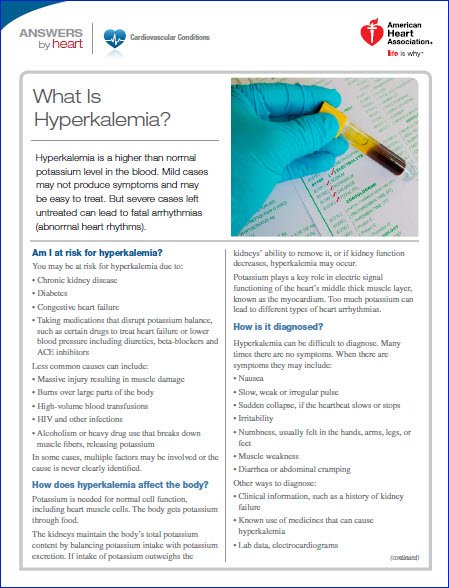
Hyperkalemia is a medical condition characterized by an elevated level of potassium in the blood. Potassium is an essential electrolyte that plays a crucial role in maintaining proper cell function and nerve transmission. However, when potassium levels become too high, it can disrupt the normal functioning of the heart, muscles, and other organs. Hyperkalemia is typically defined as a serum potassium level greater than 5.0 milliequivalents per liter (mEq/L).
Signs and Symptoms
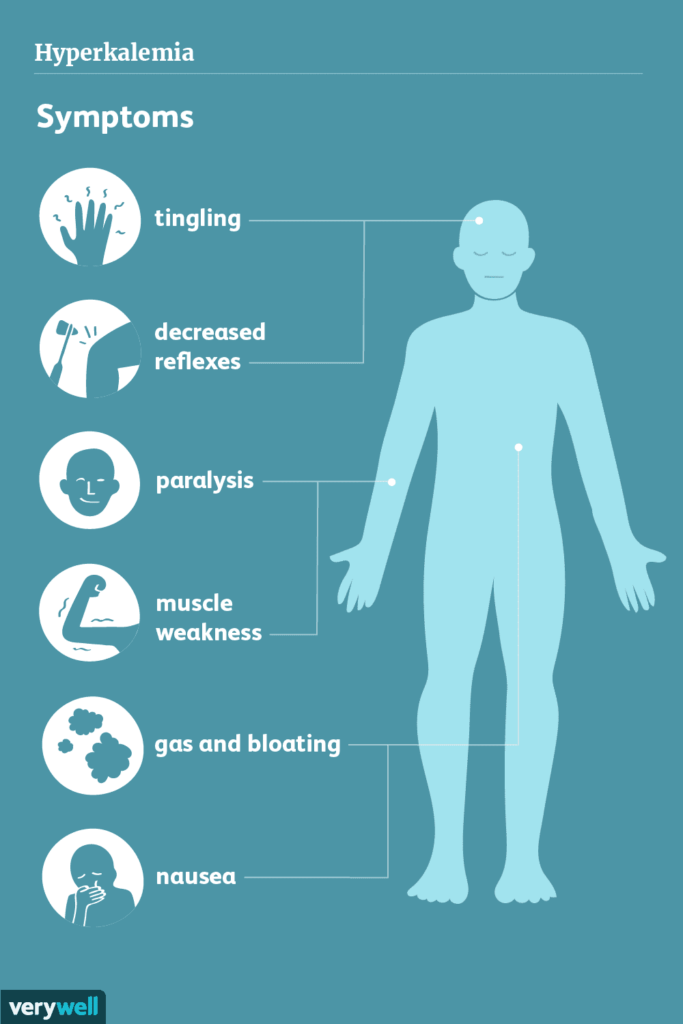
The signs and symptoms of hyperkalemia can vary depending on the severity of the condition. Mild cases may not cause any noticeable symptoms, while more severe cases can lead to serious complications. Common symptoms include muscle weakness, fatigue, palpitations or irregular heartbeat, numbness or tingling sensation, and nausea. In severe cases, hyperkalemia can cause cardiac arrhythmias, which can be life-threatening.
Causes
Hyperkalemia can occur due to various factors. One of the most common causes is impaired kidney function, as the kidneys play a critical role in excreting excess potassium from the body. Chronic kidney disease, acute kidney injury, or certain medications that impair kidney function can lead to hyperkalemia. Other causes include excessive intake of dietary potassium, certain medications (such as potassium-sparing diuretics), adrenal insufficiency, and tissue injury (e.g., burns, trauma) that releases potassium into the bloodstream.
Diagnosis
Diagnosing hyperkalemia involves a combination of physical examination, blood tests, electrocardiogram (ECG), and 24-hour urine collection.
Physical Examination
During a physical examination, your healthcare provider will assess your heart rate, blood pressure, and look for any signs of muscle weakness or irregularities in nerve function. They may also check for any edema or swelling, as this can indicate fluid and electrolyte imbalances.
Blood Tests
Blood tests are essential for diagnosing hyperkalemia and determining the underlying cause. A basic metabolic panel (BMP) will measure the levels of potassium and other electrolytes in your blood. Additionally, your healthcare provider may order tests to assess kidney function, hormone levels (such as aldosterone and cortisol), and other blood markers.
Electrocardiogram (ECG)
An electrocardiogram (ECG) is a painless test that records the electrical activity of your heart. It can help identify any abnormalities in the heart’s rhythm and detect any potential cardiac arrhythmias associated with hyperkalemia.
24-hour Urine Collection
A 24-hour urine collection test may be recommended to measure the amount of potassium being excreted in your urine. This test can provide valuable information about kidney function and can help determine if there are any underlying issues contributing to hyperkalemia.
Treatment
The treatment of hyperkalemia aims to lower the potassium levels in the blood and address the underlying cause. The approach may vary depending on the severity of the condition and the presence of any complications.
Initial Management
In severe cases of hyperkalemia, immediate interventions may be required to stabilize the condition. This may involve administering calcium gluconate intravenously, which can help protect the heart from the potential harmful effects of high potassium levels.
Calcium Gluconate Administration
Calcium gluconate can help counteract the effects of excess potassium on the heart. It does not lower potassium levels but can stabilize the heart’s activity and prevent life-threatening arrhythmias.
Diuretic Therapy
Diuretics, such as loop diuretics or thiazide diuretics, may be prescribed to increase urine production and promote potassium excretion. These medications help remove excess potassium from the body, thereby reducing blood potassium levels.
Sodium Polystyrene Sulfonate (Kayexalate)
Sodium polystyrene sulfonate, also known as Kayexalate, is a medication that helps remove potassium from the body through the gastrointestinal tract. It works by exchanging sodium ions for potassium ions in the intestines, facilitating the elimination of excess potassium in the stool.
Other Medications
In some cases, medications may be prescribed to enhance the movement of potassium from the bloodstream into the cells or to decrease potassium production. These medications can be used to manage chronic hyperkalemia or prevent recurrence.
Emergent and Long-Term Treatment Options
In certain situations, when hyperkalemia is life-threatening or difficult to control with conventional measures, emergent treatments such as hemodialysis or continuous renal replacement therapy (CRRT) may be considered. These procedures help filter the blood and remove excess potassium. Long-term management may involve identifying and addressing the underlying cause of hyperkalemia, making necessary dietary modifications, and adjusting medications if needed.
Prevention
Preventing hyperkalemia involves a combination of dietary modifications and medication management.
Dietary Modifications
If you are at risk for hyperkalemia or have experienced episodes in the past, it is essential to monitor your potassium intake. Foods high in potassium, such as bananas, oranges, tomatoes, and potatoes, should be consumed in moderation. Your healthcare provider or a registered dietitian can provide specific dietary recommendations based on your individual needs.
Medication Management
If you are taking medications that can affect potassium levels, it is crucial to closely follow the prescribed dosage and inform your healthcare provider of any concerns. Potassium-sparing diuretics, certain blood pressure medications, and other medications that can increase potassium levels should be carefully monitored and adjusted if necessary.

Complications
If left untreated or uncontrolled, hyperkalemia can lead to several complications affecting multiple body systems.
Cardiac Arrhythmias
One of the most significant complications of hyperkalemia is the risk of developing cardiac arrhythmias. High levels of potassium can disrupt the electrical signals in the heart, leading to irregular heart rhythms. Severe arrhythmias can be life-threatening and require immediate medical attention.
Muscle Weakness
Hyperkalemia can affect the muscles, leading to weakness and potentially paralysis. This muscle weakness can affect various muscle groups, including those responsible for breathing, resulting in respiratory difficulties.
Renal Dysfunction
Chronic hyperkalemia and an underlying kidney disease can result in progressive renal dysfunction. The kidneys may struggle to excrete excess potassium, contributing to a cycle of worsening hyperkalemia and kidney damage.
Prognosis
The prognosis for hyperkalemia depends on various factors, including the underlying cause, severity of the condition, and timely management.
Outcomes
With appropriate diagnosis and treatment, hyperkalemia can often be effectively managed, and potassium levels can be brought back to normal. However, the long-term prognosis may vary depending on the underlying health conditions contributing to hyperkalemia.
Risk Factors for Poor Prognosis
Certain risk factors can increase the likelihood of experiencing a poor prognosis. These include severe hyperkalemia, underlying kidney disease, heart conditions, and delayed or inadequate treatment.

Epidemiology
Hyperkalemia is a relatively common electrolyte disorder that can affect people of all ages. However, certain populations may be more prone to developing hyperkalemia than others.
Prevalence
The exact prevalence of hyperkalemia is challenging to determine due to variations in diagnostic criteria and study populations. However, it is estimated to occur in approximately 1-10% of hospitalized patients and may be more prevalent in those with kidney disease or other underlying health conditions.
At-Risk Populations
Individuals with chronic kidney disease, acute kidney injury, or those taking medications that affect kidney function are at a higher risk of developing hyperkalemia. Additionally, older adults, individuals with heart conditions, and those with uncontrolled diabetes may also be more susceptible to this condition.
Related Conditions
Hyperkalemia is closely related to a few other electrolyte imbalances and can often coincide with these conditions.
Hypokalemia
While hyperkalemia is characterized by high levels of potassium in the blood, hypokalemia refers to low potassium levels. Both conditions can have adverse effects on the body and require appropriate diagnosis and management.
Hypocalcemia
Hypocalcemia is a condition characterized by low levels of calcium in the blood. Although it is distinct from hyperkalemia, they can be interconnected as certain underlying medical conditions or medication use can contribute to both imbalances.
Hyponatremia
Hyponatremia refers to low levels of sodium in the blood and is another electrolyte disorder that can occur independently or alongside hyperkalemia. It is crucial to address imbalances in multiple electrolytes to ensure optimal health.
Research and Innovation
The field of hyperkalemia research continues to explore advancements in treatment options and emerging therapies to improve patient outcomes.
Advancements in Treatment Options
Researchers are investigating new medications and interventions for hyperkalemia management. Some potential areas of interest include the development of selective potassium excretion agents, novel potassium binders, and advancements in extracorporeal therapies.
Emerging Therapies
Emerging therapies for hyperkalemia may involve innovative approaches to target specific mechanisms involved in potassium regulation and excretion. These may include the use of gene therapy, small molecule inhibitors, or targeted drug delivery systems.
Conclusion
Hyperkalemia, characterized by elevated potassium levels in the blood, can have significant implications for overall health and well-being. It is essential to recognize the signs and symptoms, undergo appropriate diagnostic tests, and receive timely treatment to prevent complications. By following proper dietary modifications, managing medications, and addressing any underlying conditions, individuals can take steps toward preventing and managing hyperkalemia effectively. Ongoing research and advancements in treatment options offer hope for improved outcomes and a better understanding of this condition.