
Have you ever wondered what hyperthyroidism is and how it affects your body? In this article, we will provide you with a comprehensive overview of hyperthyroidism, a condition where your thyroid gland produces an excessive amount of thyroid hormone. You’ll learn about the common symptoms, potential causes, and available treatment options. So, grab a cup of tea, sit back, and let’s dive into the world of hyperthyroidism together!
What is Hyperthyroidism?
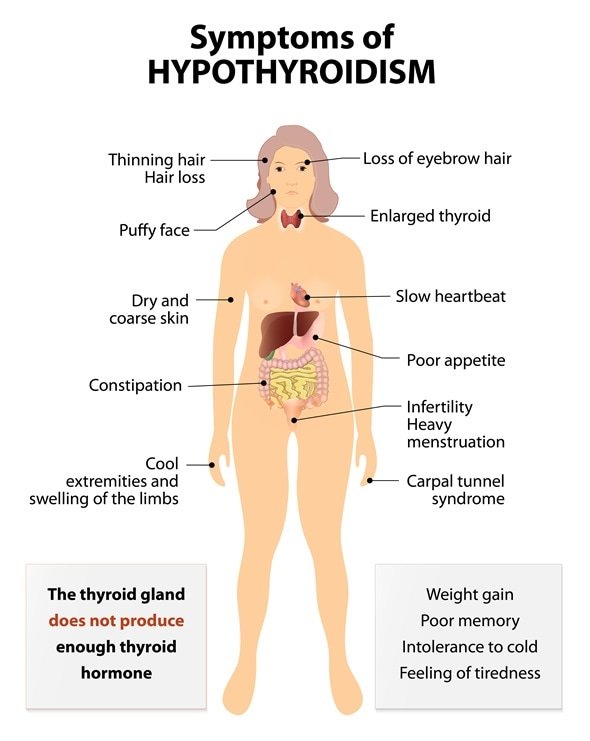
Hyperthyroidism is a condition that occurs when the thyroid gland produces an excess amount of thyroid hormone. This hormone plays a crucial role in regulating the body’s metabolism, so having too much of it can cause various complications. It is important to understand the definition, causes, symptoms, diagnosis, treatment options, management strategies, potential complications, and the impact of hyperthyroidism on pregnancy. Let’s explore each of these topics in detail.
Definition of Hyperthyroidism
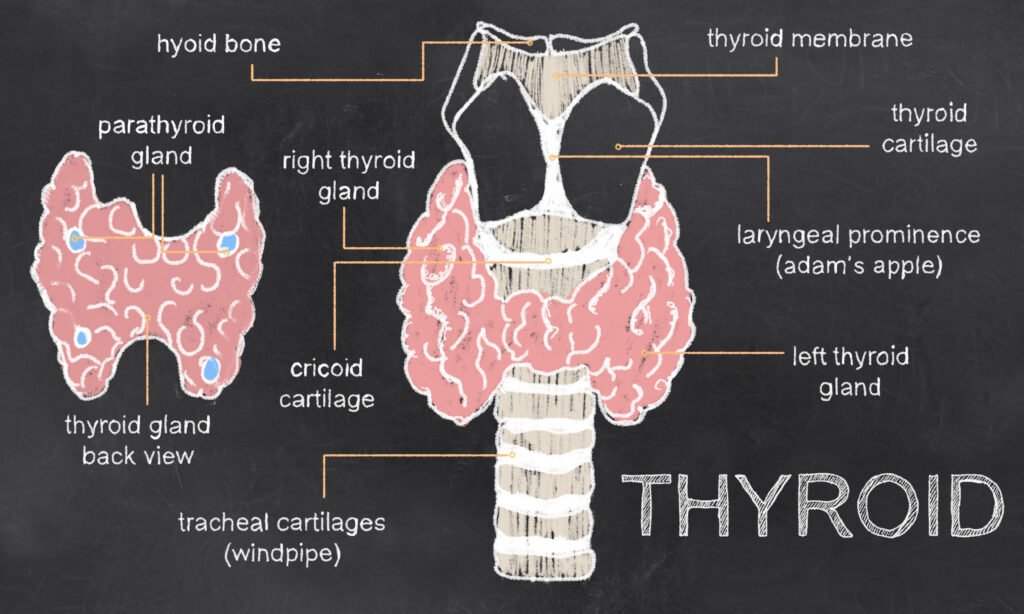
Hyperthyroidism, also known as overactive thyroid, is a condition characterized by excessive production of thyroid hormone. The thyroid gland, which is located in the front of your neck, produces hormones that regulate your metabolism, energy levels, and other vital functions. When the thyroid gland becomes overactive, it produces an excess amount of these hormones, leading to hyperthyroidism.
Causes of Hyperthyroidism
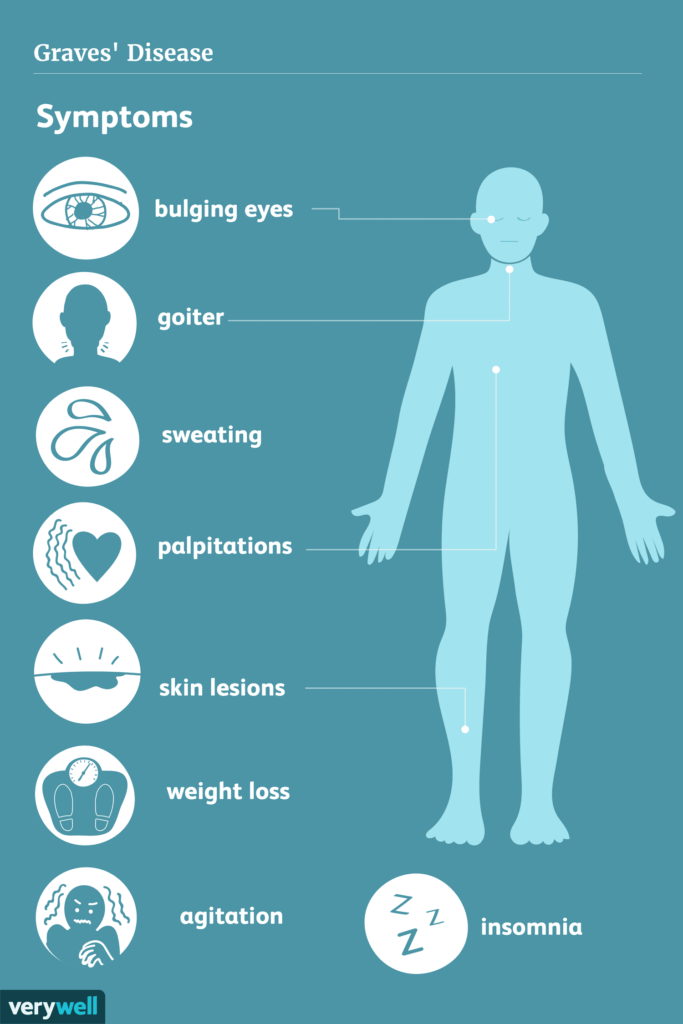
There are several possible causes of hyperthyroidism. The most common cause is an autoimmune disorder called Graves’ disease, in which the immune system mistakenly attacks the thyroid gland, causing it to produce excess thyroid hormone. Other causes include nodules or tumors on the thyroid gland, inflammation of the thyroid, certain medications or supplements, and rare conditions such as thyroiditis.
Symptoms of Hyperthyroidism
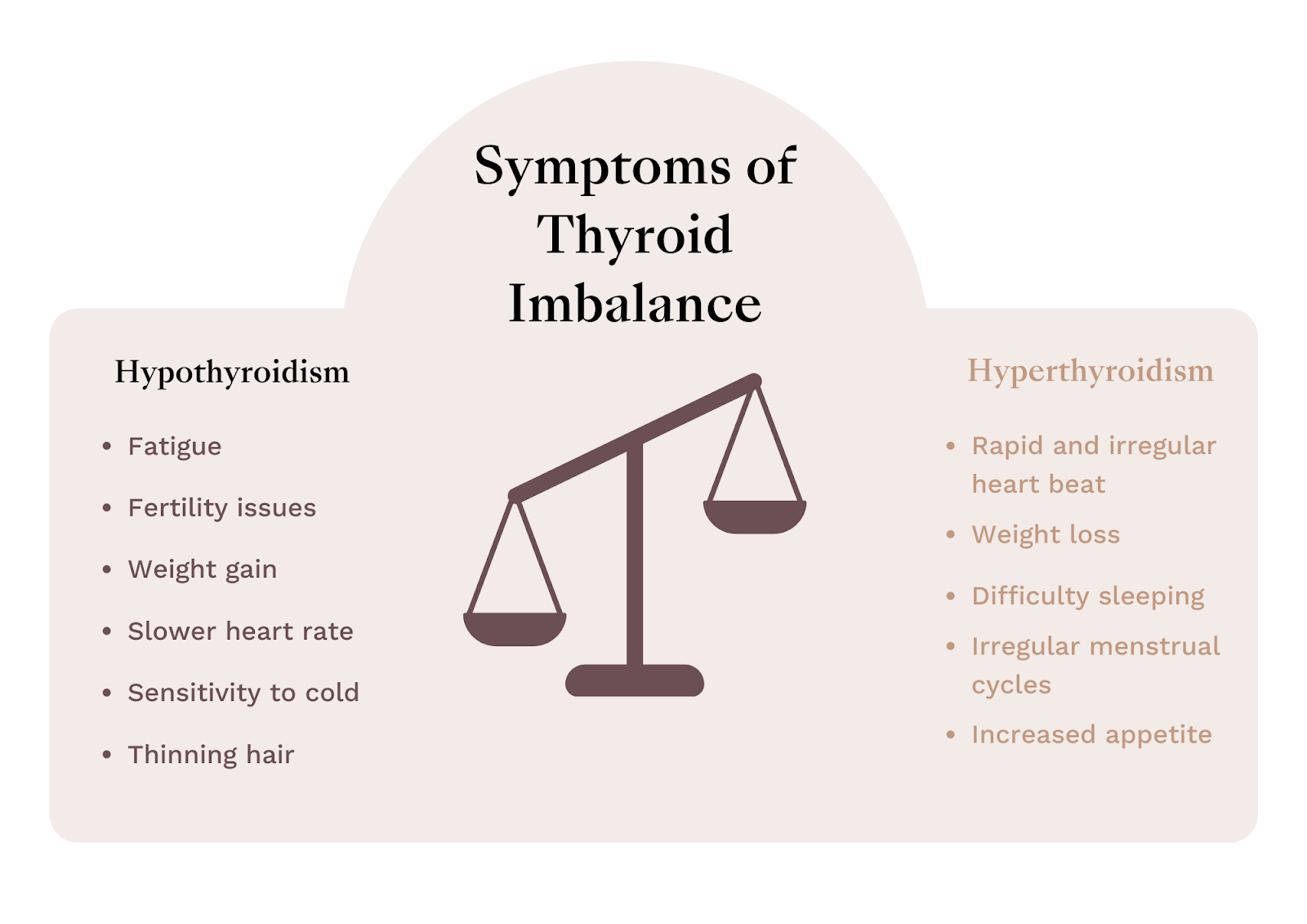
The symptoms of hyperthyroidism can vary from person to person, but some common signs include:
- Unexplained weight loss
- Rapid or irregular heartbeat
- Tremors or shaking hands
- Increased sweating
- Nervousness or anxiety
- Restlessness or irritability
- Fatigue or muscle weakness
- Difficulty sleeping
- Changes in bowel patterns
- Heat intolerance
- Changes in menstrual patterns
- Enlargement of the thyroid gland (goiter)
If you are experiencing any of these symptoms, it is important to consult with a healthcare professional for a proper diagnosis.
Diagnosing Hyperthyroidism
To diagnose hyperthyroidism, your healthcare provider will perform a thorough physical examination and review your medical history. They may also order blood tests to measure the levels of thyroid-stimulating hormone (TSH), free thyroxine (T4), and triiodothyronine (T3) in your blood. These tests can help determine if your thyroid hormone levels are elevated, indicating hyperthyroidism.
In some cases, imaging tests such as ultrasound or thyroid scan may be recommended to evaluate the structure and function of the thyroid gland. Additionally, a radioactive iodine uptake test may be performed to assess how much iodine your thyroid gland absorbs, which can provide valuable information about the underlying cause of hyperthyroidism.
Treatment Options for Hyperthyroidism
Once a diagnosis of hyperthyroidism is confirmed, there are several treatment options available depending on the underlying cause and individual patient factors. The main treatment options include:
Medications to control thyroid hormone production
Antithyroid medications, such as methimazole or propylthiouracil, are commonly prescribed to reduce the production of thyroid hormone. These medications work by inhibiting the thyroid gland from making excessive amounts of hormone. They can be effective in managing hyperthyroidism symptoms and can be taken for an extended period.
Radioactive iodine therapy
Radioactive iodine therapy involves taking a radioactive form of iodine orally, which is absorbed by the thyroid gland. The radiation emitted by the iodine destroys the overactive thyroid cells while sparing the healthy cells. This treatment aims to reduce the production of thyroid hormone, leading to a decrease in symptoms. It is a highly effective and commonly used treatment for hyperthyroidism but may result in hypothyroidism in some cases.
Thyroid surgery
In certain situations, such as large goiters or when other treatments are not suitable, thyroid surgery may be recommended. A surgical procedure called thyroidectomy involves removing all or part of the thyroid gland, which can eliminate the excess production of thyroid hormone. This option is usually reserved for more severe cases or when other treatments have not been successful.
Managing Hyperthyroidism Symptoms
In addition to medical treatments, there are various strategies to help manage hyperthyroidism symptoms and improve your overall well-being. These may include:
Reducing stress and maintaining a healthy lifestyle
Stress can worsen hyperthyroidism symptoms, so finding healthy ways to cope with stress is important. Engaging in relaxation techniques like deep breathing exercises, yoga, or meditation can help reduce stress levels. It is also crucial to maintain a balanced diet, exercise regularly, get enough sleep, and avoid substances that can aggravate symptoms, such as caffeine and alcohol.
Monitoring and adjusting medication
If you are taking medication to control hyperthyroidism, regular monitoring of your thyroid hormone levels is necessary. Your healthcare provider will assess your response to the medication and may adjust the dosage as needed to maintain a balance. It is essential to attend scheduled follow-up appointments to ensure optimal management of your condition.
Addressing specific symptoms
Certain symptoms of hyperthyroidism, such as palpitations, tremors, or anxiety, may require specific interventions. Beta-blockers, for example, can help reduce heart rate and alleviate symptoms like rapid heartbeat. Your healthcare provider can provide guidance on managing specific symptoms and suggest appropriate interventions.
Complications of Hyperthyroidism
If left untreated or not properly managed, hyperthyroidism can lead to several complications, including:
Osteoporosis and bone loss
Excess thyroid hormone can accelerate bone turnover, leading to decreased bone density and increased risk of fractures. It is important to address hyperthyroidism promptly to prevent long-term effects on bone health.
Thyrotoxic crisis
In rare cases, hyperthyroidism can progress to a life-threatening condition called a thyrotoxic crisis. This is characterized by symptoms such as high fever, severe agitation, delirium, rapid and irregular heartbeat, and breathlessness. Immediate medical attention is required in such cases.
Heart problems
Hyperthyroidism can strain the heart, leading to an increased risk of heart conditions such as atrial fibrillation, high blood pressure, and heart failure. Managing thyroid hormone levels and addressing any underlying heart issues is crucial to prevent long-term complications.

Hyperthyroidism and Pregnancy
Hyperthyroidism can have implications for pregnant individuals, as well as the development of the fetus. It is essential to manage hyperthyroidism properly during pregnancy to ensure the well-being of both the parent and the baby. Some key considerations include:
Effects of hyperthyroidism on pregnancy
Uncontrolled hyperthyroidism during pregnancy can increase the risk of complications, such as preterm birth, low birth weight, preeclampsia, and fetal thyroid dysfunction. It is crucial to work closely with a healthcare provider to monitor thyroid hormone levels and adjust treatment as needed.
Management and treatment during pregnancy
Certain antithyroid medications can be safely used during pregnancy, while radioactive iodine therapy and thyroid surgery are generally avoided. Regular monitoring of thyroid hormone levels, close communication with healthcare providers, and proper prenatal care are vital for managing hyperthyroidism during pregnancy.
Frequently Asked Questions about Hyperthyroidism
Let’s address some common questions about hyperthyroidism:
Can hyperthyroidism be cured?
Hyperthyroidism can often be effectively managed, but in some cases, it may be a chronic condition. The goal of treatment is to control symptoms and maintain thyroid hormone levels within a normal range. In some instances, hyperthyroidism may go into remission, but long-term monitoring is necessary.
Can hyperthyroidism lead to weight gain?
Hyperthyroidism typically causes weight loss rather than weight gain, as it speeds up the metabolism and causes increased calorie burning. However, individual experiences may vary, and some people may gain weight due to other factors or underlying health conditions.
Can hyperthyroidism be prevented?
Not all cases of hyperthyroidism can be prevented, as certain causes, such as autoimmune disorders, are not preventable. However, regular check-ups, early detection, and prompt treatment of any thyroid abnormalities can help manage the condition effectively and prevent complications.
Support and Resources for People with Hyperthyroidism
Managing hyperthyroidism can be challenging, but there are resources and support available to help individuals navigate their journey. Some valuable support options include:
Online support groups and forums
Joining online communities dedicated to hyperthyroidism can provide a sense of community, shared experiences, and valuable information. These platforms allow individuals to connect with others facing similar challenges and offer a supportive environment to discuss concerns, ask questions, and share tips.
Educational resources and books
Numerous educational resources, books, and websites provide comprehensive information on hyperthyroidism, its treatment options, and management strategies. These resources can help individuals gain a deeper understanding of their condition and make informed decisions about their health.
Finding a healthcare provider specialized in thyroid disorders
Consulting with a healthcare provider who specializes in thyroid disorders can be highly beneficial in managing hyperthyroidism. These professionals have expertise and knowledge specific to thyroid conditions, allowing for more personalized and effective care.
Conclusion
Hyperthyroidism is a condition characterized by an overactive thyroid gland, leading to excessive production of thyroid hormone. It can cause a range of symptoms and complications, but with the right diagnosis, treatment, and management strategies, individuals with hyperthyroidism can lead healthy and fulfilling lives. It is important to work closely with healthcare providers, make lifestyle modifications, and stay informed about available resources to effectively manage the condition. Remember, you are not alone, and there is support and help available to navigate your hyperthyroidism journey.