
Having an ingrown toenail can often be a painful and frustrating experience. However, fret not! This article will provide you with a range of treatment options that can help alleviate the discomfort and get you back on your feet in no time. From simple home remedies to professional medical interventions, you’ll discover effective ways to address this common foot ailment. So sit back, relax, and let’s explore your options for treating an ingrown toenail!
Treatment Options for an Ingrown Toenail
Ingrown toenails can be painful and frustrating to deal with. Fortunately, there are several treatment options available to help alleviate the discomfort and promote healing. In this article, we will explore various methods for treating an ingrown toenail, ranging from self-care remedies to professional treatments. Whether you prefer taking care of the problem at home or seeking professional help, you’ll find valuable information here to guide you in finding the best course of action for your ingrown toenail.

Self-care Remedies
When faced with an ingrown toenail, there are several self-care remedies you can try to alleviate the pain and reduce inflammation. First and foremost, soaking your affected foot in warm water can help soften the nail and reduce swelling. Add a tablespoon of Epsom salt to the water for added relief. It is recommended to soak your foot for about 15-20 minutes, three times a day.
After soaking, gently lift the corner of the ingrown nail using a clean cotton swab or dental floss. This can help with pain relief and prevent further ingrowth. Applying an over-the-counter antibiotic ointment on the affected area can help prevent infection.
Medication Options
Over-the-counter pain relievers, such as acetaminophen or ibuprofen, can help manage the pain and reduce inflammation associated with an ingrown toenail. Always follow the recommended dosage instructions and consult with a healthcare professional if you have any concerns or questions.
Topical antibiotics and antiseptics can also be used to prevent infection and promote healing. These products are available in various forms, including creams, ointments, and sprays. Consult with a pharmacist or healthcare professional to determine the most suitable option for your specific situation.
Professional Treatments
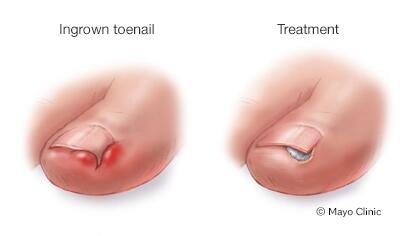
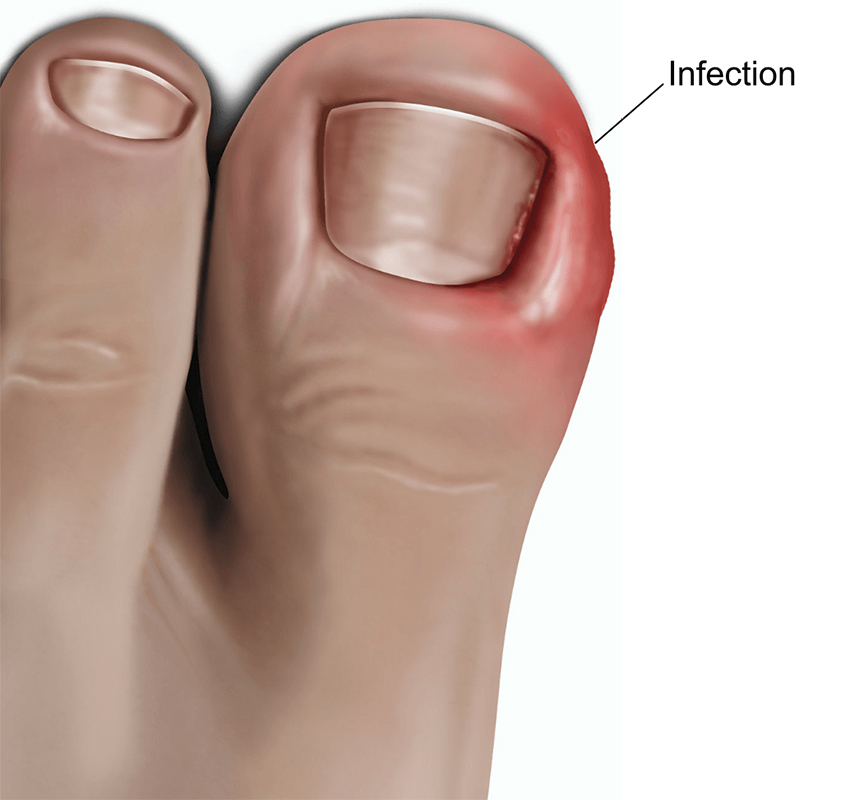
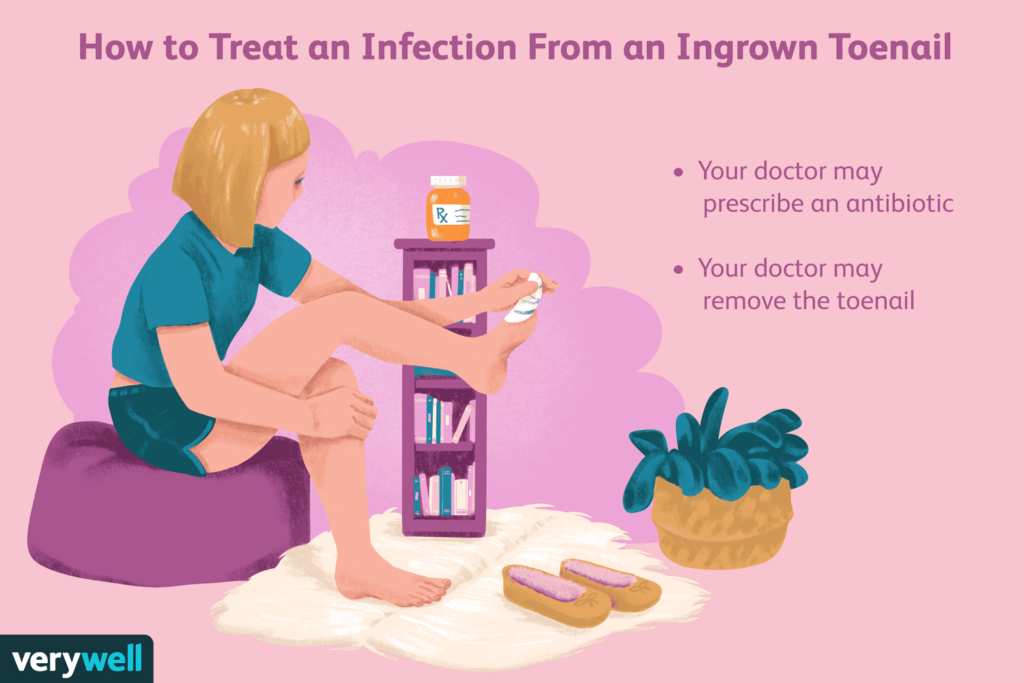
If self-care remedies do not provide significant relief or if the ingrown toenail becomes infected, it may be necessary to seek professional treatment. A podiatrist, or foot specialist, can provide various treatment options to address the issue effectively.
One common professional treatment is partial nail plate avulsion. This procedure involves removing a portion of the ingrown toenail to relieve the pressure and allow the nail to grow properly. Local anesthesia is typically used to minimize discomfort during the procedure.
For severe or recurrent cases of ingrown toenails, a total nail plate avulsion may be recommended. This involves the complete removal of the affected toenail. While this may sound drastic, it can be an effective solution for chronic ingrown toenails, allowing for a new, healthy nail to grow in its place.
Home Treatments
In addition to self-care remedies, there are various home treatments that can help alleviate the discomfort of an ingrown toenail. One popular method is to use cotton or dental floss to gently lift the edge of the ingrown nail. This can relieve pressure and promote proper growth.
Applying a topical antibiotic ointment and covering the affected area with a sterile bandage can help prevent infection and provide protection. It is important to change the bandage regularly to maintain cleanliness and promote healing.
Preventive Measures
Taking preventive measures can significantly reduce the likelihood of experiencing ingrown toenails. One crucial preventive measure is to trim your nails straight across, avoiding rounded edges. This helps prevent the nails from growing into the surrounding skin.
Wearing properly-fitting footwear is also essential to prevent ingrown toenails. Shoes that are too tight or too narrow can increase the risk of nail deformities and ingrowth. Opt for shoes with a wider toe box to allow your toes enough space to move comfortably.
Partial Nail Plate Avulsion
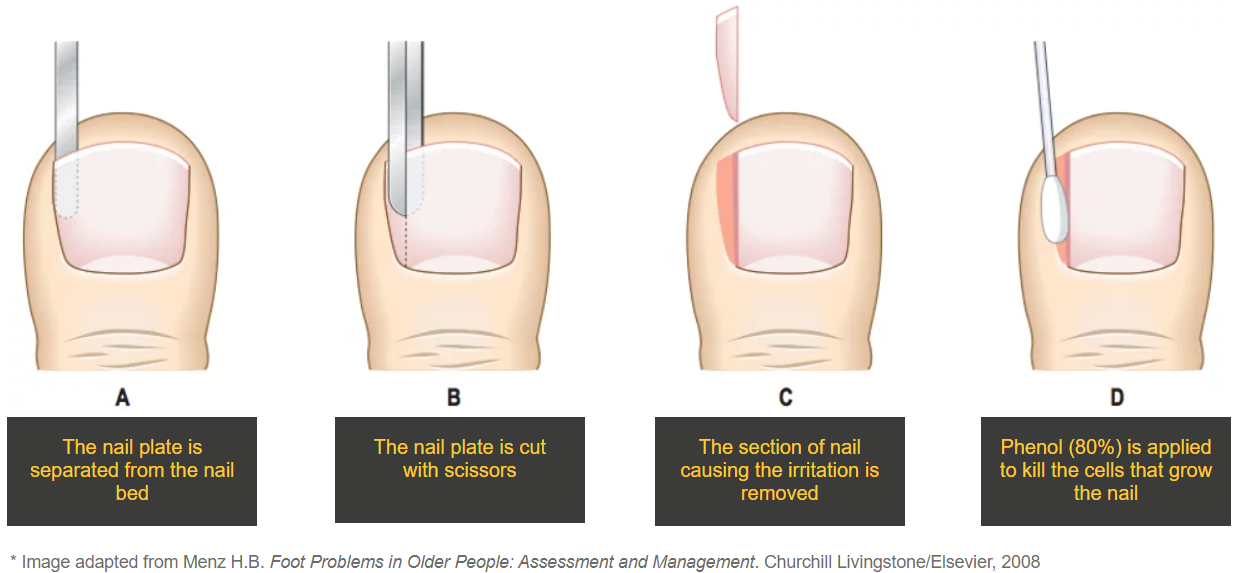
Partial nail plate avulsion is a professional treatment option that involves removing a portion of the ingrown toenail. This procedure is performed under local anesthesia to minimize discomfort. By removing the problematic part of the nail, the pressure is alleviated, and the nail can grow properly in the future.
The procedure starts with numbing the affected toe with an anesthetic injection. Once the area is numb, the podiatrist will carefully lift the ingrown nail edge and trim it to remove the ingrowth. In some cases, a chemical called phenol may be applied to the nail matrix to prevent regrowth of the ingrown portion.
Partial nail plate avulsion is a relatively simple procedure that can provide lasting relief for individuals suffering from ingrown toenails. It is often recommended for moderate cases where infection is not present.
Total Nail Plate Avulsion
Total nail plate avulsion is a more extensive procedure that involves the complete removal of the affected toenail. This treatment option is usually reserved for severe or recurring cases of ingrown toenails, as it eliminates the entire nail and allows for a fresh, healthy nail to grow back.
Similar to partial nail plate avulsion, total nail plate avulsion is performed under local anesthesia to ensure patient comfort. The podiatrist will carefully remove the entire nail, including the problematic edge that is causing the ingrowth. The area will then be thoroughly cleaned, and a sterile dressing will be applied.
While the thought of completely removing a toenail may seem intimidating, total nail plate avulsion can be an effective solution for chronic ingrown toenails that have not responded to other treatment methods. It allows for a new nail to grow in its place, potentially resolving the issue permanently.
Zadek Procedure
The Zadek procedure, also known as a lateral matricectomy, is a surgical treatment option for severe or recurrent ingrown toenails. This procedure involves the removal of a portion of the nail matrix, the tissue responsible for nail growth, on the affected side of the toe.
During the Zadek procedure, the podiatrist will administrate local anesthesia to numb the area. Once the anesthesia takes effect, the ingrown portion of the nail and a small section of the nail matrix are removed. This prevents further ingrowth and encourages proper nail growth.
The Zadek procedure is typically reserved for cases in which other treatments have failed to provide relief. It is considered a more invasive option but can have excellent long-term results for individuals suffering from chronic ingrown toenails.
Electrosurgery
Electrosurgery is a specialized treatment option that uses electrical currents to remove the problematic portion of an ingrown toenail. This procedure is often chosen when the ingrowth is extensive or recurring, and conservative treatment methods have not been successful.
Under local anesthesia, the podiatrist will carefully remove the affected portion of the nail using an electrosurgical instrument. This instrument produces electrical currents that simultaneously cut and cauterize the tissue, promoting proper healing. Electrosurgery is often considered an effective and efficient option, providing long-term relief for individuals with severe ingrown toenails.
Laser Treatment
Laser treatment is a relatively new and innovative option for addressing ingrown toenails. It utilizes laser technology to selectively target and remove the problematic portion of the nail without affecting the surrounding tissue. This treatment method is typically recommended for chronic ingrown toenails that have not responded to other conservative treatments.
During laser treatment, the podiatrist will administer local anesthesia to numb the toe. The laser device is then used to gently remove the ingrown portion of the nail while minimizing discomfort and promoting fast healing. Laser treatment offers the advantage of precision and minimal invasiveness, making it an appealing option for individuals seeking a quicker recovery and long-term relief.
In conclusion, finding the right treatment option for an ingrown toenail depends on the severity of the condition and individual preferences. From self-care remedies and medication options to professional treatments like partial nail plate avulsion and total nail plate avulsion, there are various approaches to choose from. Additionally, advanced procedures such as the Zadek procedure, electrosurgery, and laser treatment offer effective solutions for more severe or recurrent cases. Remember to consult with a healthcare professional or podiatrist to determine the most suitable treatment for your specific situation. By addressing an ingrown toenail promptly and effectively, you can alleviate pain, prevent complications, and promote healthy nail growth.