
Leg cramps can be incredibly painful and disruptive, often occurring at the most inconvenient times. Whether it happens during a workout or in the middle of the night, leg cramps can leave you searching for relief. Instead of reaching for medication, why not try some natural remedies? In this article, we will explore seven effective and easy-to-implement remedies for leg cramps that will have you back on your feet in no time. From simple stretches to herbal supplements, these natural remedies are sure to provide the soothing relief you need. Say goodbye to leg cramps and hello to comfort!
Understanding Leg Cramps
What Are Leg Cramps?
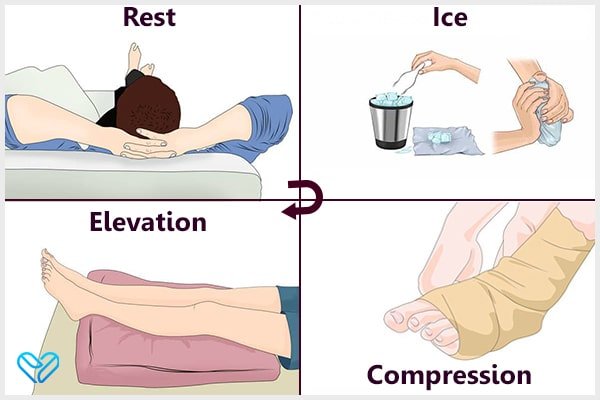
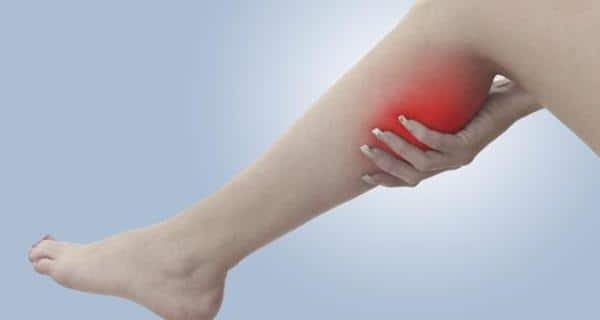
Leg cramps, also known as muscle spasms, are sudden and involuntary contractions of the muscles in your legs. They can range from a mild discomfort to intense pain and can last for a few seconds to several minutes. Leg cramps usually occur in the calf muscles but can also affect the thighs and feet.
Causes of Leg Cramps
There are several factors that can contribute to the occurrence of leg cramps. Dehydration, muscle fatigue, electrolyte imbalances (such as low levels of magnesium, potassium, or calcium), and poor blood circulation are common causes. Activities that strain the muscles, such as intense workouts or prolonged periods of sitting or standing, can also trigger leg cramps. In some cases, underlying medical conditions such as diabetes, nerve disorders, or vascular diseases may be responsible for the cramps.
Symptoms of Leg Cramps
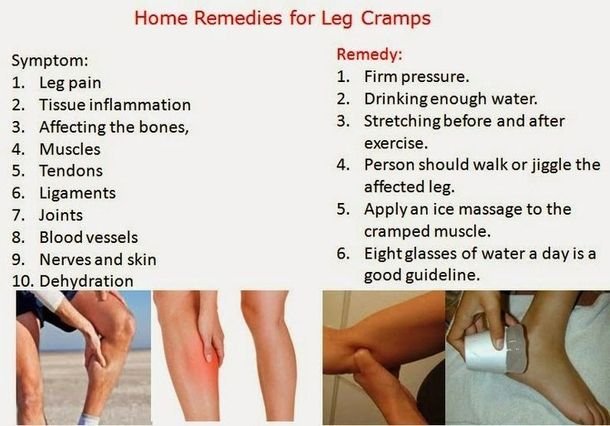
The main symptom of leg cramps is a sudden and sharp pain in the muscles of the leg. The pain is often described as a tightening or knotting sensation that may radiate down the leg. Muscle hardness or tightness in the affected area can also be experienced. Cramps can happen during physical activity or even at rest, waking you up in the middle of the night. While most leg cramps resolve on their own, severe or persistent cramps may require medical attention.
Preventing Leg Cramps
Stay Hydrated
One of the most important steps in preventing leg cramps is to stay hydrated. Dehydration can lead to muscle imbalances and electrolyte deficiencies, which can trigger cramps. Make sure to drink enough water throughout the day, especially when engaging in physical activities or during hot weather. Electrolyte sports drinks can also be beneficial for replenishing lost electrolytes.
Maintain a Balanced Diet
Eating a balanced diet that is rich in essential minerals and nutrients can help prevent leg cramps. Include foods that are high in magnesium, potassium, and calcium, such as bananas, leafy greens, almonds, and dairy products. These minerals play a crucial role in muscle function and can help regulate muscle contractions.
Stretch Regularly
Regular stretching can improve flexibility, enhance blood circulation, and reduce the risk of leg cramps. Focus on stretching the calf muscles, hamstrings, and quadriceps. Incorporate gentle warm-up exercises before physical activities or workouts, and cool down with stretches afterward. This will help prepare the muscles and prevent cramps from occurring.
Natural Remedies for Leg Cramps
Magnesium Supplements
Taking magnesium supplements can help prevent leg cramps, especially in individuals with a deficiency in this mineral. Magnesium plays a vital role in muscle relaxation and contraction. Consult with a healthcare professional to determine the appropriate dosage and form of magnesium supplement for your needs.
Potassium-Rich Foods
Consuming foods rich in potassium can help regulate muscle function and prevent leg cramps. Bananas, sweet potatoes, avocados, and citrus fruits are excellent sources of potassium. Incorporate these foods into your diet to maintain adequate potassium levels and reduce the risk of cramps.
Calcium Intake
Calcium is essential for muscle function, and a deficiency in this mineral can contribute to leg cramps. Ensure your diet includes calcium-rich foods like dairy products, leafy greens, and fortified cereals. If necessary, consider taking calcium supplements under medical supervision to meet your daily requirements.
Hydrating with Electrolytes
In addition to drinking water, hydrating with electrolyte solutions can help prevent leg cramps. Electrolytes like sodium, potassium, and magnesium are crucial for proper muscle function. Look for electrolyte drinks or powders that can be mixed with water and consumed before or after physical activities to replenish lost electrolytes.
Warm Compresses
Applying warm compresses to the affected muscles can help relax the muscles and provide relief from leg cramps. The warmth increases blood flow to the area, promoting healing and reducing muscle tension. Use a heating pad, warm towel, or take a warm bath to alleviate the discomfort caused by leg cramps.
Exercises to Relieve Leg Cramps
Walking
Engaging in regular walking exercises can help prevent and relieve leg cramps. Walking promotes blood circulation, stretches the muscles, and improves muscle tone. Aim for at least 30 minutes of brisk walking every day to keep your legs healthy and cramp-free.
Calf Raises
Calf raises are an effective exercise to relieve and strengthen the calf muscles, reducing the frequency of leg cramps. Simply stand with your feet hip-width apart, rise onto the balls of your feet, and slowly lower your heels back down. Repeat this exercise for several sets, gradually increasing the repetitions as your muscles become stronger.
Hamstring Stretches
Stretching the hamstring muscles can alleviate cramps and improve flexibility. Sit on the edge of a chair or bench, extend one leg straight out in front of you, and gently lean forward, reaching for your toes. Hold this stretch for 20 to 30 seconds, then switch legs. Perform this stretch a few times a day to keep your hamstrings loose and prevent cramping.
Toe Stretches
Toe stretches can help relieve cramps and improve the flexibility of the foot and calf muscles. Sit on a chair, cross one leg over the other, and gently pull your toes back toward your shin. Hold this stretch for 20 to 30 seconds, then release. Repeat with the other leg to stretch both sides evenly.

Massage Techniques for Leg Cramps
Deep Tissue Massage
Deep tissue massage can help relieve muscle tension and reduce the occurrence of leg cramps. A massage therapist applies firm pressure to the deeper layers of muscle tissue, promoting relaxation and increased blood flow. Schedule regular deep tissue massages to prevent muscle imbalances and keep your legs cramp-free.
Trigger Point Therapy
Trigger point therapy focuses on specific trigger points within the muscles that can contribute to leg cramps. By applying pressure to these points, a therapist can help release tense areas and relieve cramps. Consider seeking the expertise of a trained therapist for targeted trigger point therapy sessions.
Swedish Massage
Swedish massage is a gentle yet effective massage technique that can help relax and reduce muscle tension. The long, flowing strokes and kneading motions stimulate blood circulation and promote overall muscle relaxation. Regular Swedish massages can improve muscle health and minimize the occurrence of leg cramps.
Applying Heat and Cold
Hot Baths or Showers
Taking a hot bath or shower can provide temporary relief from leg cramps. The heat helps relax the muscles and increases blood flow to the area. Soak in a warm bath or direct a stream of hot water onto the cramped muscles for 10 to 15 minutes to alleviate the discomfort.
Ice Packs
Applying ice packs to the affected muscles can help reduce inflammation and relieve pain caused by leg cramps. Wrap a cold pack or a bag of ice in a thin towel and apply it to the cramping area for 15 to 20 minutes. The cold temperature numbs the area and reduces muscle spasms, providing immediate relief.

Yoga Poses for Leg Cramp Relief
Child’s Pose
Child’s pose is a relaxing yoga pose that can help stretch the muscles of the back and legs, providing relief from leg cramps. Start by kneeling on the floor, then lower your chest to your thighs and extend your arms forward. Hold this pose for a few minutes, focusing on deep breaths and gentle stretching.
Downward Facing Dog
Downward facing dog is a rejuvenating pose that stretches the entire body, including the legs. Start on your hands and knees, then lift your hips up and back, forming an inverted V shape with your body. Press your heels toward the ground and hold the pose for several breaths, allowing your legs to lengthen and release tension.
Seated Forward Bend
Seated forward bend is a seated yoga pose that stretches the hamstrings and calves, promoting flexibility and preventing leg cramps. Sit on the floor with your legs extended in front of you, then fold forward from the hips, reaching for your toes or ankles. Hold the position for a few breaths, feeling the stretch in the back of your legs.
Using Essential Oils
Lavender Oil
Lavender oil is renowned for its calming and relaxing properties. Applying diluted lavender oil to the cramped muscles can provide relief from leg cramps. Mix a few drops of lavender oil with a carrier oil, such as coconut or almond oil, and gently massage it onto the affected area. The soothing scent and anti-inflammatory properties of lavender oil can help alleviate pain and relax the muscles.
Peppermint Oil
Peppermint oil has a cooling effect that can help relieve muscle spasms and reduce the intensity of leg cramps. Dilute a few drops of peppermint oil in a carrier oil and massage it onto the cramped muscles. The refreshing aroma and analgesic properties of this oil can provide immediate relief and promote muscle relaxation.
Eucalyptus Oil
Eucalyptus oil is known for its analgesic and anti-inflammatory properties, making it an excellent choice for relieving leg cramps. Dilute a few drops of eucalyptus oil in a carrier oil and gently massage it onto the affected area. The cooling sensation and therapeutic benefits of eucalyptus oil can ease muscle tension and reduce the occurrence of leg cramps.
Over-the-Counter Remedies
Pain Relievers
Over-the-counter pain relievers, such as nonsteroidal anti-inflammatory drugs (NSAIDs), can help alleviate pain and reduce inflammation associated with leg cramps. Ibuprofen and naproxen sodium are commonly used NSAIDs that can provide temporary relief from cramps. Follow the recommended dosage and consult with a healthcare professional if you have any concerns.
Topical Creams
Topical creams or gels containing ingredients like menthol, camphor, or capsaicin can be applied directly to the affected muscles to provide relief from leg cramps. These creams work by numbing the area and distracting the brain from the sensation of pain. Look for creams specifically formulated for muscle cramps and follow the instructions for safe and effective use.
When to Seek Medical Attention
Persistent or Severe Cramps
While most leg cramps can be treated and prevented with home remedies and lifestyle changes, persistent or severe cramps may require medical attention. If the cramps do not improve with natural remedies or if they are accompanied by other concerning symptoms, such as swelling, redness, or muscle weakness, it is advisable to consult with a healthcare professional to rule out any underlying medical conditions.
Underlying Medical Condition
If you have a known medical condition, such as diabetes, neuropathy, or peripheral artery disease, that may be contributing to leg cramps, it is important to work closely with your healthcare provider to manage your symptoms. They can provide appropriate guidance and treatment options to address the underlying condition and alleviate leg cramps.
In conclusion, leg cramps can be a painful and disruptive condition, but with proper understanding, prevention, and natural remedies, they can be managed effectively. By following a balanced diet, staying hydrated, regularly stretching, and incorporating exercises and massages into your routine, you can prevent leg cramps and find relief when they occur. Remember to listen to your body and seek medical attention if necessary to ensure your overall leg health and well-being.