
Are you curious about lipomas? Well, you’ve come to the right place! In this article, we will be exploring everything you need to know about lipomas – those benign, fatty lumps that can develop under your skin. From their causes and symptoms to treatment options, we’ll cover it all. So, sit back, relax, and get ready to delve into the fascinating world of lipomas! By the end of this article, you’ll be equipped with the knowledge to understand and manage this common condition. Let’s get started!
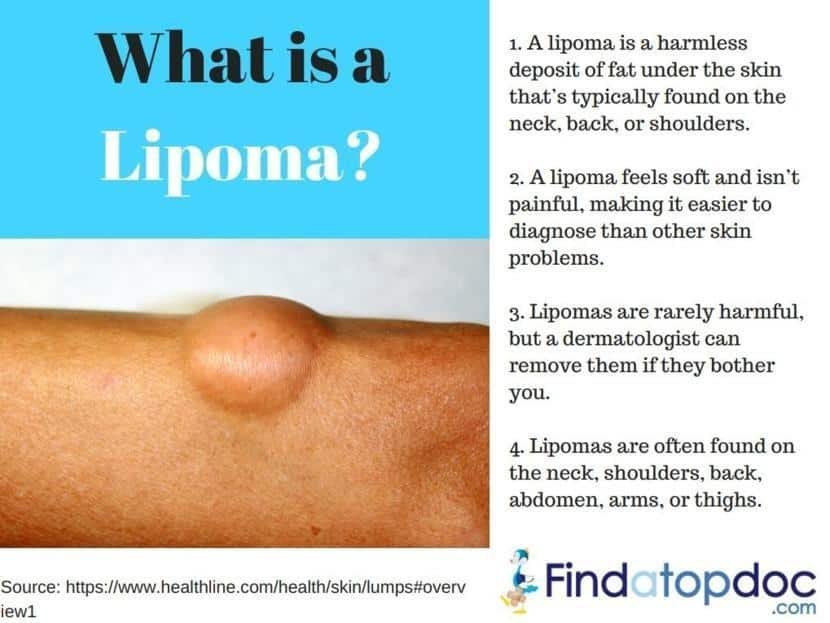
What is a Lipoma?
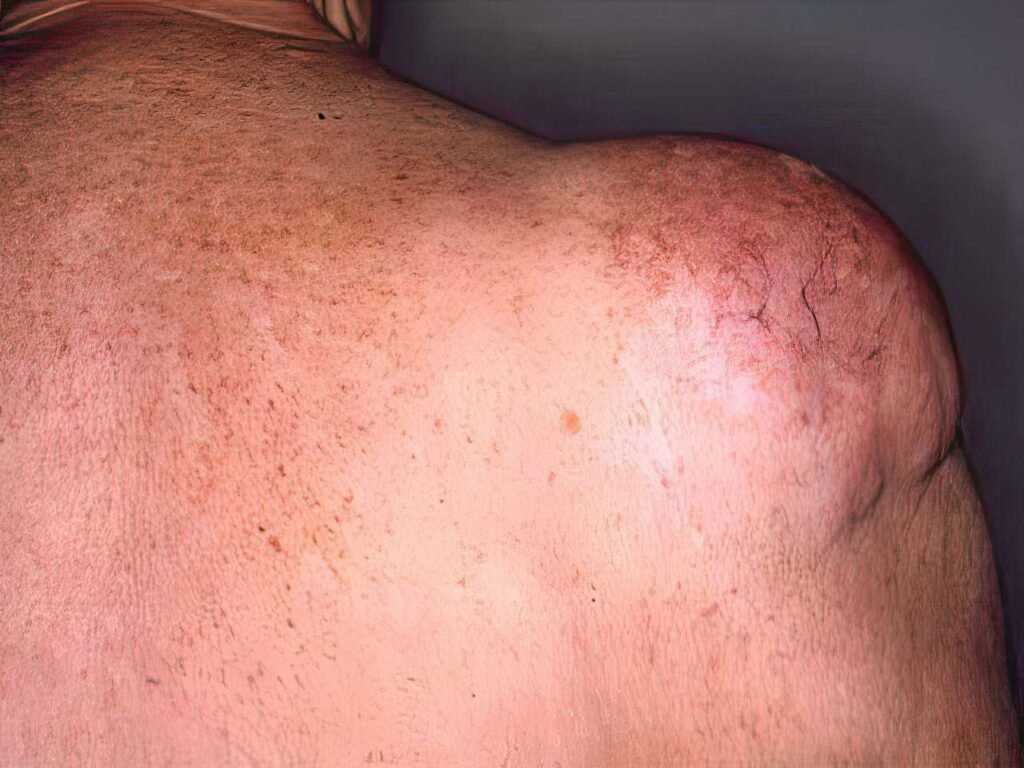
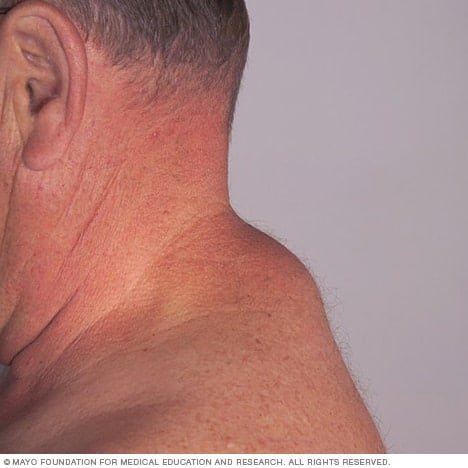
A Lipoma is a common benign (non-cancerous) tumor that forms underneath the skin. It is made up of fat cells and is typically soft to the touch. Lipomas can occur anywhere on the body where there is fat tissue, but they are most commonly found on the neck, shoulders, back, and arms. While Lipomas are usually harmless and do not require treatment, some may cause discomfort or cosmetic concerns, prompting individuals to seek medical advice.
Definition of Lipoma
A Lipoma is a tumor composed of fatty tissue that develops beneath the skin. It is typically a soft, movable lump that is painless unless it presses against nearby nerves or structures.
Characteristics of Lipoma
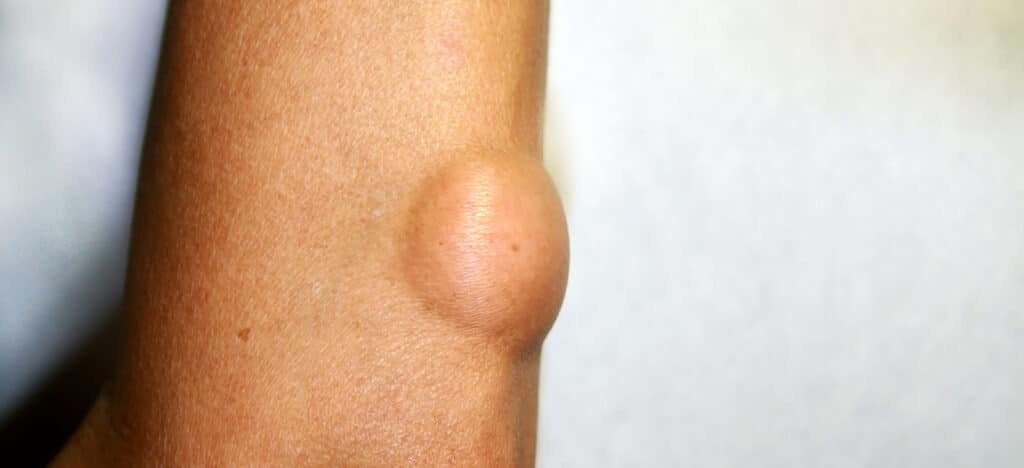
Lipomas are usually small, less than 2 inches in diameter, and have a rubbery or dough-like consistency. They can occur as single growths or appear in clusters. Most Lipomas grow slowly over time and tend to be easily movable under the skin. Colors can vary, but they are often similar to the surrounding skin tone.
Causes of Lipoma
While the exact cause of Lipomas is still unknown, several factors have been linked to their development:
Genetic Factors
Research suggests that genetics play a role in the development of Lipomas. There may be certain gene mutations that make some individuals more susceptible to developing these fatty tumors.
Inherited Conditions
Certain inherited conditions, such as adiposis dolorosa and familial multiple lipomatosis, can increase the likelihood of developing Lipomas.
Familial Multiple Lipomatosis
Familial multiple lipomatosis is a rare condition characterized by the presence of multiple Lipomas throughout the body. This condition tends to run in families.
Adiposis Dolorosa
Adiposis dolorosa, also known as Dercum’s disease, is a rare disorder that causes painful Lipomas to form. It primarily affects middle-aged women and often leads to generalized obesity.
Angiolipomas
Angiolipomas are a subtype of Lipoma that develop in blood vessels and tend to be painful. These Lipomas are more commonly found on the arms, upper legs, and trunk.
Spinal Lipomas
Spinal Lipomas form on or around the spinal cord. They are often present at birth or develop during early childhood. These Lipomas can cause spinal deformities and neurological issues.
Trauma or Injury
While the exact mechanism is unclear, trauma or injury to an area of the body has been observed to occasionally trigger the growth of Lipomas.

Signs and Symptoms
Most Lipomas are small and do not cause any symptoms. However, some individuals may experience the following signs or symptoms:
Soft, movable lump
A Lipoma is typically a soft lump that can be easily moved under the skin. It may feel doughy or rubbery to the touch.
Painless lump
Lipomas are usually painless unless they come into contact with nerves, muscles, or other structures, leading to discomfort or pressure in the affected area.
Increased size over time
In some cases, Lipomas may increase in size slowly over time. However, rapid growth is rare and should be evaluated by a medical professional.
Pressure or discomfort
Lipomas that grow in size or are in locations where they can cause pressure on nerves or organs may result in discomfort or tenderness.
Rare cases of pain
While Lipomas are typically painless, in some cases, especially with angiolipomas or in locations where they impinge on nerves, individuals may experience pain.
Diagnosis of Lipoma
To diagnose a Lipoma, a healthcare professional will consider the physical appearance, location, and presentation of the lump. Additional tests may be performed to confirm the diagnosis and rule out other conditions. The following methods are commonly used for diagnosing Lipomas:
Physical Examination
During a physical examination, the doctor will assess the size, texture, and location of the lump. They may also inquire about any associated symptoms and perform a thorough medical history review.
Imaging Tests
In some cases, imaging tests such as ultrasound, MRI, or CT scans might be used to visualize the Lipoma more clearly. These tests help determine the size, depth, and relationship of the Lipoma with surrounding structures.
Biopsy
In certain situations where the diagnosis remains uncertain, a biopsy may be performed. A small sample of the Lipoma tissue is extracted and sent to the laboratory for analysis under a microscope. This helps confirm the diagnosis and rule out the possibility of malignant growth.
Treatment Options for Lipoma
Most Lipomas do not require treatment unless they cause discomfort, interfere with movement, or are of cosmetic concern to the individual. However, treatment options are available for those who wish to address their Lipomas. The following are some common treatment options:
Watchful Waiting
For individuals with asymptomatic Lipomas or minimal symptoms, a “watchful waiting” approach is often recommended. This involves monitoring the Lipoma for any changes in size, symptoms, or appearance over time.
Surgical Excision
Surgical excision is the most common treatment for Lipomas that require removal. It involves a minor surgical procedure under local anesthesia to remove the Lipoma completely. This option is generally chosen when the Lipoma causes pain, grows rapidly, or affects the individual’s quality of life.
Liposuction
In some cases, Liposuction may be used to remove Lipomas. This technique involves the insertion of a thin tube through a small incision to suction out the fatty tissue. Liposuction is typically reserved for larger Lipomas or when multiple Lipomas need to be removed.
Steroid Injections
Steroid injections are sometimes used for smaller Lipomas. The injection of a steroid medication into the Lipoma can help reduce its size or alleviate discomfort. This treatment option is generally considered for individuals who wish to avoid surgery.
Complications and Risks
Although Lipomas are benign and usually harmless, certain complications or risks may arise, especially during surgical removal:
Cosmetic Concerns
Depending on the location and size of the Lipoma, its removal may result in scarring or changes in the appearance of the skin.
Infection
Any surgical procedure carries the inherent risk of infection. Proper sterile techniques and wound care are crucial in minimizing this risk.
Recurrence
Lipomas have the potential to recur after surgical removal. The likelihood of recurrence varies depending on factors such as the size, location, and completeness of removal.
Nerve Damage
During the surgical excision of Lipomas located near nerves, there is a small risk of nerve damage. This can lead to temporary or permanent numbness, weakness, or altered sensation in the affected area.
Damage to adjacent structures
In rare cases, surgical removal of Lipomas near blood vessels, muscles, or organs can result in inadvertent damage to these structures, leading to bleeding, impaired function, or other complications.
Prevention
While there is no guaranteed way to prevent the development of Lipomas, the following measures may help reduce the risk:
Maintaining a Healthy Weight
Maintaining a healthy weight and body mass index (BMI) may potentially reduce the risk of developing Lipomas. Regular exercise and a well-balanced diet can aid in weight management.
Avoiding Trauma or Injury
Minimizing trauma or injury to the body may decrease the likelihood of Lipoma development. This includes taking precautions during physical activities and avoiding unnecessary pressure or trauma to the skin.
When to See a Doctor
While Lipomas are generally harmless, it is advisable to consult a healthcare professional in the following situations:
Unusual or rapidly growing lump
If you notice a lump that grows rapidly or appears unusual in size, shape, or texture, it is recommended to seek medical evaluation. Prompt assessment can help rule out any potential complications or more serious conditions.
Lump causing pain or discomfort
If a Lipoma becomes painful, tender, or causes discomfort due to pressure on surrounding nerves or structures, it is important to consult a healthcare provider. They can evaluate the situation and recommend appropriate treatment options.
Changes in appearance or texture
If a Lipoma changes in appearance, becomes red, develops an irregular surface, or has any other significant changes, it is essential to have it examined by a healthcare professional. These changes may warrant further investigation to rule out malignancy.
FAQs about Lipoma
Are Lipomas cancerous?
No, Lipomas are non-cancerous tumors. They are composed of benign fatty tissue and do not have the potential to metastasize or spread to other parts of the body.
Can Lipomas go away on their own?
In some cases, Lipomas may spontaneously resolve or shrink in size over time. However, this is rare, and most Lipomas are considered permanent unless medical intervention occurs.
Can Lipomas be prevented?
As mentioned earlier, it is not currently possible to prevent the development of Lipomas entirely. However, maintaining a healthy weight and minimizing trauma or injury to the body may potentially reduce the risk.
Can Lipomas cause pain?
Lipomas are typically painless unless they press against nerves or adjacent structures. However, in certain cases, such as with angiolipomas or if they are located in areas where they impinge on nerves, individuals may experience pain.
Can Lipomas be removed without surgery?
While surgical excision is the most common method of removing Lipomas, other techniques such as steroid injections or liposuction may be suitable for certain cases. The most appropriate treatment option depends on factors such as the size, location, and individual’s preference.
Conclusion
Lipomas are common benign tumors composed of fatty tissue that develop underneath the skin. They are typically soft, movable, and painless. While Lipomas are generally harmless and do not require treatment, options such as surgical excision, liposuction, or steroid injections are available for those who wish to address their Lipomas. It is important to consult a healthcare professional if there are any changes in appearance, rapid growth, or discomfort associated with a Lipoma. By understanding the causes, signs, and treatment options for Lipomas, individuals can make informed decisions regarding their management and well-being.