
In this article, we will explore the causes and risks associated with Mad Cow Disease, a condition that has raised concerns worldwide. Going beyond headlines and rumors, we will provide you with factual information to help you better understand this illness that affects cattle and can potentially be transmitted to humans. By exploring the origins and potential dangers, we aim to shed light on this topic and empower you to make informed decisions regarding your health and safety. So grab a cup of tea, sit back, and let’s dive into the world of Mad Cow Disease together!
Definition of Mad Cow Disease
What is Mad Cow Disease?
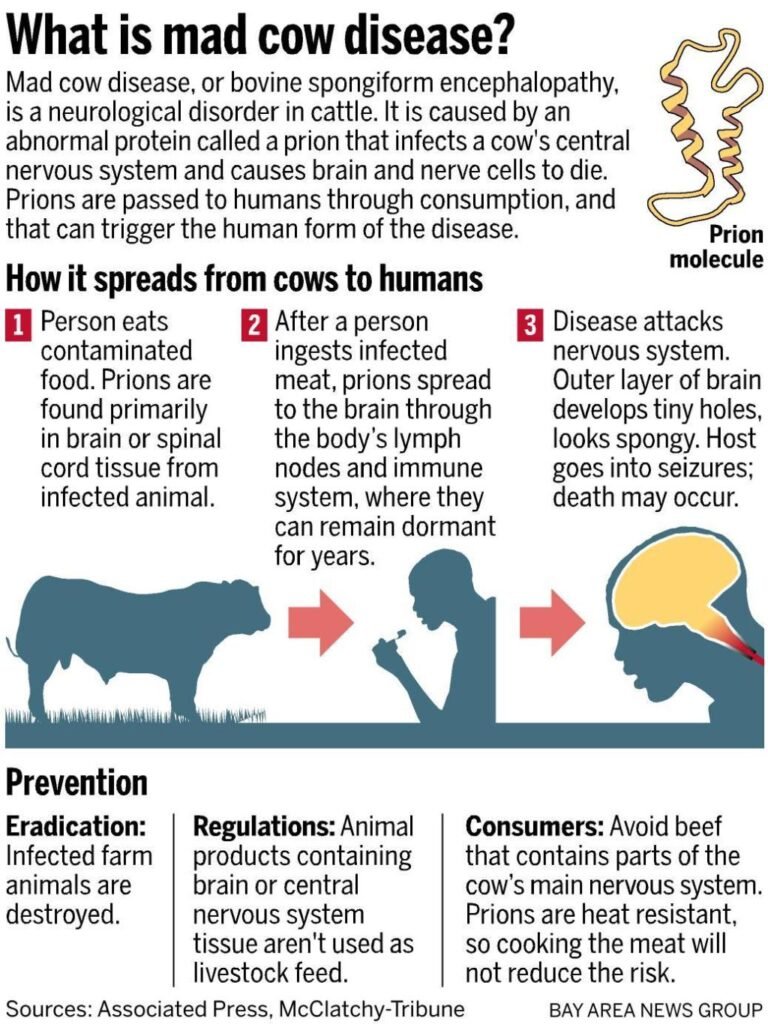
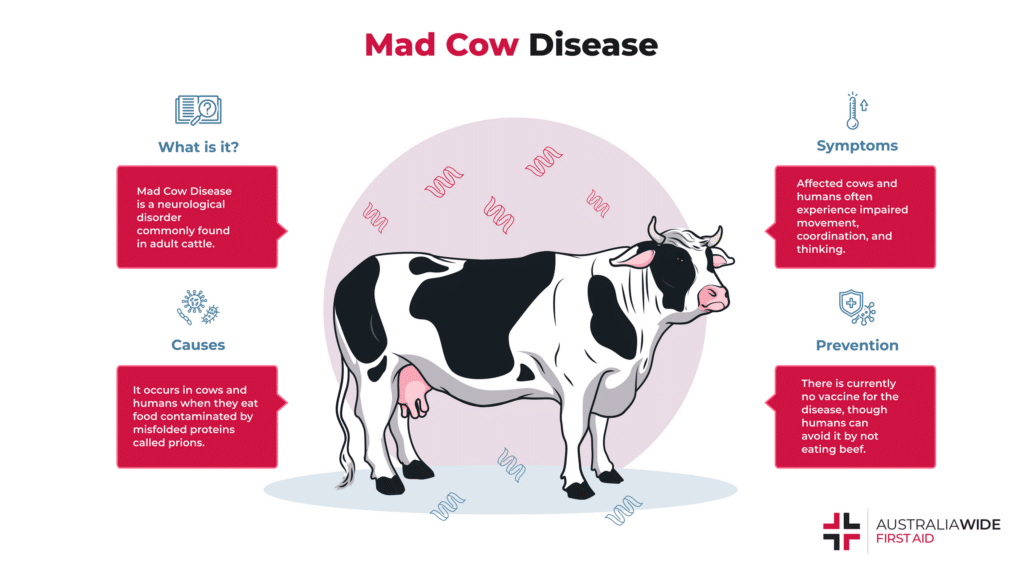
Mad Cow Disease, also known as bovine spongiform encephalopathy (BSE), is a degenerative neurological disorder that affects the central nervous system of cattle. It is a fatal condition that results in the destruction of brain tissue, leading to various neurological symptoms. This disease belongs to a family of diseases known as transmissible spongiform encephalopathies (TSEs).
The scientific name of Mad Cow Disease
The scientific name for Mad Cow Disease is bovine spongiform encephalopathy (BSE). It is called “bovine” because it primarily affects cattle, and “spongiform encephalopathy” because it causes the brain tissue of infected animals to develop sponge-like holes. This name reflects the key characteristics of the disease – its occurrence in bovines and the sponge-like appearance of the brain tissue.
Causes of Mad Cow Disease
Prion Protein Mutation
One of the main causes of Mad Cow Disease is a mutation in the prion protein, which is a normal protein found in the body. The mutated prion protein has an abnormal shape, leading to the accumulation of the misfolded protein in the brain. This build-up of misfolded prion protein results in the destruction of brain tissue and the characteristic symptoms of the disease.
Consuming Infected Animal Products
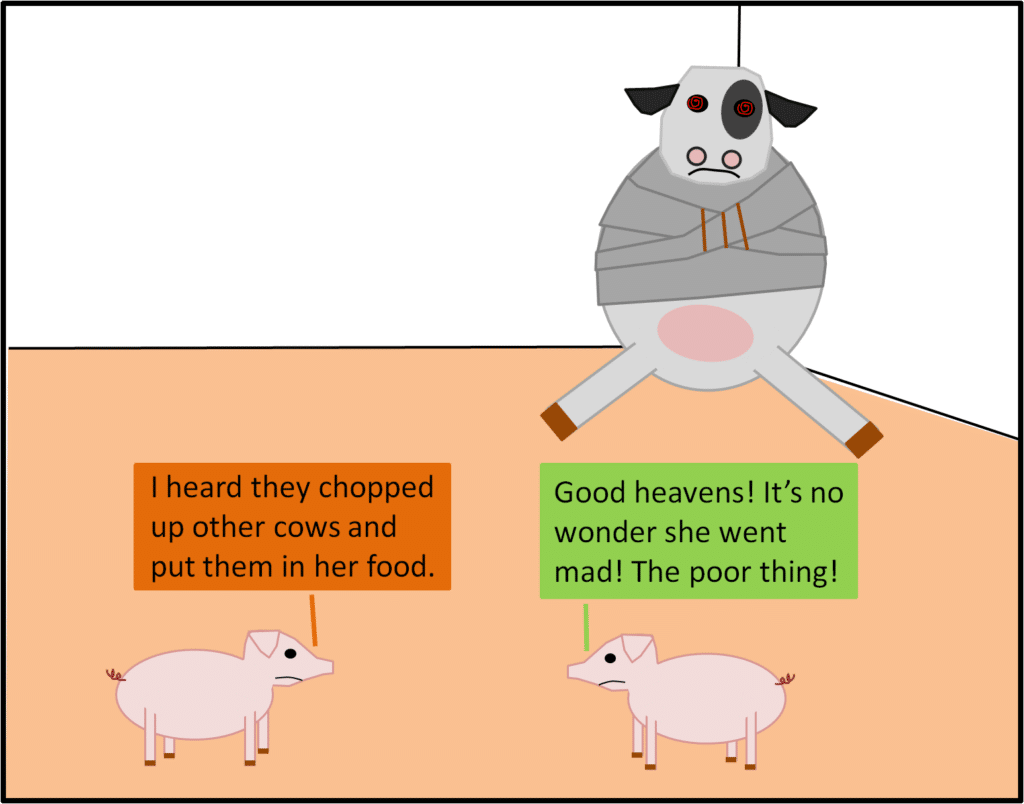
Another cause of Mad Cow Disease is the consumption of infected animal products, particularly meat and bone meal that contains contaminated nervous system tissues. If an animal consumes feed contaminated with the infectious prions, it can contract the disease. When humans consume meat from an infected animal, there is a risk of transmission to humans, leading to variant Creutzfeldt-Jakob Disease (vCJD).
Transmission via Blood Transfusions
Transmission of Mad Cow Disease can also occur through blood transfusions. If a person receives blood from an individual who is infected with the disease, there is a risk of the prions being present in the transfused blood. This can result in the recipient developing the disease, particularly if the donor is in the early stages of infection and the prions are present in their blood.
Cross-contamination during Meat Processing
Cross-contamination during the processing of meat can also contribute to the spread of Mad Cow Disease. If equipment or surfaces used in the slaughter and processing of infected animals are not properly cleaned and sanitized, there is a risk of contamination. The prions present in the infected tissues can contaminate other meat and meat products, potentially leading to the transmission of the disease to consumers.
Symptoms of Mad Cow Disease
Early Symptoms
In the early stages of Mad Cow Disease, infected cattle may exhibit subtle symptoms such as changes in behavior, decreased milk production, and difficulty in coordination. These early symptoms are often overlooked or mistaken for other common ailments in cattle, making early detection and diagnosis challenging.
Advanced Symptoms
As the disease progresses, affected cattle may experience weight loss, decreased appetite, and abnormalities in movement, such as staggering or swaying. They may also display signs of nervousness and aggression. These advanced symptoms are more apparent and serve as key indicators of the presence of Mad Cow Disease in animals.
Neurological Symptoms
The most notable and severe symptoms of Mad Cow Disease are the neurological abnormalities that occur as the disease progresses. Cattle may experience uncontrolled movements, involuntary muscle contractions, and difficulty standing or walking. They may become paralyzed and ultimately suffer from seizures and death. These neurological symptoms result from the damage caused by the accumulation of misfolded prion proteins in the brain.
Diagnosis of Mad Cow Disease
Physical Examination
Diagnosing Mad Cow Disease in cattle typically involves a thorough physical examination by a veterinarian. The vet will observe the animal’s behavior, movement, and coordination, looking for any signs of abnormalities. They may also assess the animal’s overall health and collect samples for further testing.
Laboratory Tests
Laboratory tests are crucial for confirming the presence of Mad Cow Disease. Tissue samples, particularly from the brain, are examined for the presence of abnormal prion proteins. Techniques such as immunohistochemistry and Western blotting are commonly used to detect and identify the mutated prions. These tests provide definitive evidence of infection and help differentiate Mad Cow Disease from other similar conditions.
Brain Biopsy
In some cases, a brain biopsy may be necessary to confirm the diagnosis. A small sample of brain tissue is collected from an affected animal and examined for the characteristic microscopic changes caused by the presence of abnormal prion proteins. Brain biopsies are more invasive and less commonly used compared to laboratory tests, but they can provide valuable information in certain situations.
Transmission of Mad Cow Disease
Human-to-Human Transmission
While rare, Mad Cow Disease can potentially be transmitted from human to human. This occurs through the consumption of infected tissues, particularly the brain or nervous system tissues, of individuals with variant Creutzfeldt-Jakob Disease (vCJD). Cases of vCJD have been reported in individuals who consumed beef products contaminated with the prions responsible for Mad Cow Disease.
Animal-to-Human Transmission
The primary route of transmission of Mad Cow Disease to humans is through the consumption of infected animal products. When humans consume meat from an infected cow, they can contract variant Creutzfeldt-Jakob Disease, which is the human form of Mad Cow Disease. It is essential to ensure that proper cooking methods are employed to minimize the risk of transmission through food.
Modes of Transmission
Mad Cow Disease can be transmitted through various modes. Apart from consuming infected animal products, transmission can also occur through the use of contaminated medical instruments, particularly surgical instruments, during invasive procedures. In rare cases, transmission has been reported through blood transfusions, organ transplants, and the use of certain pharmaceutical products derived from cattle.
Risks and Precautions
Food Safety Measures
To mitigate the risks associated with Mad Cow Disease, strict food safety measures are essential. Ensuring that meat and meat products are properly sourced, handled, and processed is crucial. The implementation of regulations that prohibit the use of nervous system tissues in animal feed, along with proper sanitation practices in slaughterhouses and meat processing facilities, helps minimize the risk of contamination.
Controlling the Disease in Livestock
Controlling Mad Cow Disease in livestock requires a multi-faceted approach. Effective surveillance programs, including regular testing of cattle, help detect infected animals, enabling appropriate measures to be taken to prevent the disease from spreading. Implementing strict regulations on animal feed, prohibiting the use of specified risk materials, and maintaining high standards of biosecurity in farms and feed production facilities are crucial in controlling the disease within livestock populations.
Preventing Transmission to Humans
To prevent the transmission of Mad Cow Disease to humans, it is important to raise awareness and educate the public about the risks associated with consuming contaminated animal products. Implementing proper cooking techniques, such as cooking meat thoroughly to kill any potential prions, is crucial. Additionally, blood safety measures and rigorous testing of potential donors can help prevent transmission through blood transfusions.
Current Situation and Prevalence
Global Distribution
Mad Cow Disease has been reported in various countries around the world, primarily affecting countries with significant cattle populations and extensive meat industries. However, strict control measures and surveillance programs have helped limit the spread of the disease in many regions. Swift action and effective containment strategies have been instrumental in reducing the global prevalence of Mad Cow Disease.
Outbreaks and Containment Efforts
Although there have been outbreaks of Mad Cow Disease in the past, particularly in the 1980s and 1990s, efforts to control and contain the disease have been largely successful. Improved surveillance, strict regulations on animal feed, and culling of infected animals have played key roles in preventing the further spread of the disease. These proactive measures have contributed to a decline in the number of cases worldwide.
Surveillance and Monitoring
Continued surveillance and monitoring are essential to ensure the ongoing control of Mad Cow Disease. Regular testing of cattle, especially those intended for human consumption, helps identify infected animals and implement appropriate measures promptly. Collaborative efforts between veterinary authorities, farmers, and meat industries are crucial in maintaining effective surveillance programs and ensuring the safety of meat products.
Potential Impact on Human Health
Variant Creutzfeldt-Jakob Disease (vCJD)
The potential impact of Mad Cow Disease on human health is significant, primarily through the development of variant Creutzfeldt-Jakob Disease (vCJD). vCJD is a rare and fatal neurodegenerative disease that affects humans who have consumed infected animal products. It is characterized by progressive neurological symptoms similar to those seen in infected cattle and can have devastating effects on affected individuals and their families.
Long-Term Health Implications
The long-term health implications of Mad Cow Disease are still being studied and understood. There are concerns that individuals who have consumed contaminated animal products may develop vCJD years or even decades after exposure. The incubation period of the disease can be lengthy, making it difficult to track and predict the long-term impact on human health.
Economic Burden
Mad Cow Disease can also have significant economic consequences. Outbreaks of the disease can lead to a decline in consumer confidence, resulting in decreased demand for beef products. The implementation of control measures and surveillance programs can be costly for governments and industry stakeholders. Moreover, the potential negative impacts on tourism, trade, and overall economic stability can be substantial.

Prevention and Control Measures
Strict Regulations on Animal Feed
One of the key prevention and control measures for Mad Cow Disease is the implementation of strict regulations on animal feed. These regulations prohibit the use of certain risk materials, such as the brains and spinal cords of cattle, in feed intended for other animals. By eliminating the source of contamination in the food chain, the risk of transmission of the disease can be significantly reduced.
Banning Specified Risk Materials
Banning specified risk materials (SRMs) is another important control measure. SRMs refer to tissues that are considered to have the highest concentration of infectious prions. Implementing regulations that require the removal and proper disposal of SRMs during the slaughter and processing of cattle helps minimize the risk of contamination and transmission to humans.
Surveillance and Testing Programs
Robust surveillance and testing programs are critical in preventing and controlling Mad Cow Disease. Regular testing of cattle for the presence of abnormal prion proteins ensures early detection and appropriate response. Additionally, surveillance programs in slaughterhouses and meat processing facilities ensure the safety of meat products by identifying and removing potentially contaminated materials.
Conclusion and Future Outlook
Challenges in Eradicating the Disease
While considerable progress has been made in controlling Mad Cow Disease, challenges still exist in eradicating the disease completely. The complex nature of prion diseases and the potential for long incubation periods make it difficult to detect and eliminate infected animals before they pose a risk of transmission. Continued vigilance and investment in research and control measures are necessary to overcome these challenges.
Research and Development
Ongoing research and development efforts are crucial in improving our understanding of Mad Cow Disease and finding ways to prevent and treat the disease more effectively. Advancements in diagnostic techniques, surveillance methods, and potential therapeutic options can contribute to better control and management of the disease in both livestock and humans.
Public Awareness and Education
Public awareness and education play a significant role in preventing the transmission of Mad Cow Disease. Educating the public about the risks associated with consuming contaminated animal products and the importance of following proper food safety practices is paramount. Increased awareness can lead to changes in consumer behavior and foster a collective effort towards preventing the spread of the disease.
In conclusion, Mad Cow Disease is a serious neurological disorder that affects cattle and has implications for human health. It is caused by prion protein mutations and is transmitted through consuming infected animal products. Prompt and accurate diagnosis is crucial for effective control, and preventive measures, such as strict regulations on animal feed and enhanced surveillance programs, are essential. Continued research, public awareness, and collaboration between stakeholders are vital in the ongoing battle against Mad Cow Disease. By working together, we can mitigate the risks and strive for a future free from this devastating disease.