
Macular Degeneration, a leading cause of vision loss, affects millions of people worldwide. But don’t fret, because this article brings you the latest treatments for this condition! From groundbreaking medications to cutting-edge surgical techniques, you’ll discover a range of options that can help slow down the progress of Macular Degeneration and improve your quality of life. So grab a cup of tea, sit back, and let’s explore these exciting developments together!

Macular Degeneration: A Comprehensive Overview
Macular degeneration is a common eye condition that affects millions of people worldwide. In this article, we will explore the different types of macular degeneration, its causes, symptoms, diagnosis and tests, prevention strategies, current treatments, emerging therapies and research, managing macular degeneration at home, supportive care for patients, and the future outlook for this condition.
Types of Macular Degeneration
Dry Macular Degeneration
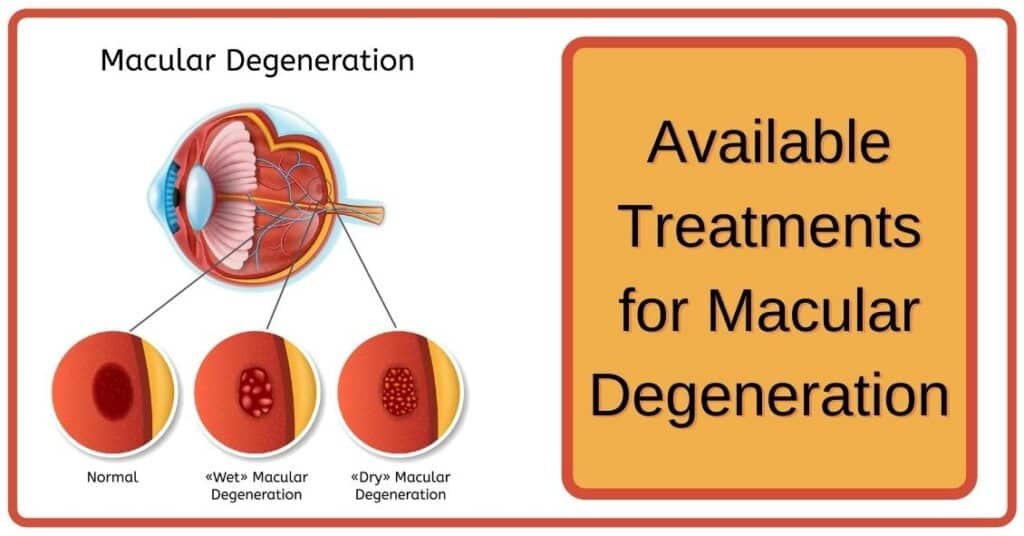
Dry macular degeneration, also known as non-neovascular or atrophic macular degeneration, is the most common form of this condition. It is characterized by the gradual breakdown of the macula, the central part of the retina responsible for sharp, central vision. As dry macular degeneration progresses, small yellow deposits called drusen accumulate in the macula, leading to a gradual loss of vision.
Wet Macular Degeneration
Wet macular degeneration, also known as neovascular macular degeneration, is a more advanced and severe form of the condition. It occurs when abnormal blood vessels grow beneath the retina and leak fluid, causing damage to the macula. Wet macular degeneration can cause rapid and significant vision loss if left untreated.
Causes of Macular Degeneration
Macular degeneration can have several causes and risk factors. While some of these factors cannot be controlled, others can be modified to reduce the risk of developing this condition.
Age
One of the primary risk factors for macular degeneration is age. This condition is more prevalent in individuals over the age of 50, and the risk increases significantly with each passing decade.
Genetics
Family history plays a crucial role in the development of macular degeneration. If you have a close relative, such as a parent or sibling, who has this condition, you may have an increased risk of developing it as well.
Smoking
Smoking has been strongly linked to an increased risk of macular degeneration. The harmful chemicals in cigarettes can damage the blood vessels in the retina, leading to vision loss.
Obesity
Obesity is another risk factor for macular degeneration. Maintaining a healthy weight through regular exercise and a balanced diet can help reduce the risk of developing this condition.
Inflammation
Chronic inflammation in the body, such as that caused by conditions like rheumatoid arthritis, can contribute to the development and progression of macular degeneration.
High Blood Pressure
Uncontrolled high blood pressure can damage the blood vessels in the eyes, including those in the macula, increasing the risk of macular degeneration.
High Cholesterol
Elevated levels of cholesterol in the blood can lead to the deposition of fatty plaques in the blood vessels, including those in the retina. This can contribute to the development of macular degeneration.
Exposure to Sunlight
Prolonged exposure to ultraviolet (UV) radiation from the sun can increase the risk of macular degeneration. Protecting your eyes by wearing sunglasses and a wide-brimmed hat when outdoors can help minimize this risk.
Symptoms of Macular Degeneration
The symptoms of macular degeneration can vary depending on the type and stage of the condition. Some common symptoms include:
Blurred vision
Blurred vision is a common early symptom of macular degeneration. Objects may appear hazy or out of focus, making it difficult to see fine details.
Distorted vision
Another common symptom is distorted vision, where straight lines may appear wavy or bent. This can affect your ability to read, drive, or perform other daily tasks.
Reduced central vision
Macular degeneration primarily affects central vision, which is crucial for activities like reading, recognizing faces, and driving. As the condition progresses, the central vision becomes increasingly blurred or darkened.
Difficulty recognizing faces
People with macular degeneration may find it challenging to recognize faces, even of friends or family members. This can lead to feelings of frustration and social isolation.
Diminished color perception
Macular degeneration can cause a loss of color perception, making colors appear less vibrant or washed out. This can affect the enjoyment of activities such as art, watching movies, or appreciating nature.
Diagnosis and Tests for Macular Degeneration
Early diagnosis is crucial for managing and treating macular degeneration effectively. Several tests and examinations can help ophthalmologists make an accurate diagnosis. Some common diagnostic tools include:
Visual acuity test
A visual acuity test measures how well you can see at various distances. It involves reading an eye chart with progressively smaller letters.
Dilated eye exam
During a dilated eye exam, your eye doctor will use eye drops to dilate the pupils and examine the structures at the back of the eye, including the macula and optic nerve.
Optical coherence tomography (OCT)
OCT uses light waves to create cross-sectional images of the retina, allowing your eye doctor to assess its thickness and detect any abnormalities.
Fluorescein angiography
Fluorescein angiography involves injecting a dye into a vein in your arm, which then travels to the blood vessels in your eyes. This dye helps highlight any leaking or abnormal blood vessels in the retina.
Fundus autofluorescence (FAF)
FAF uses a special camera and filters to produce images of the retina, particularly the retinal pigment epithelium. These images can help in the diagnosis and monitoring of macular degeneration.
Electroretinogram (ERG)
An ERG measures the electrical activity of the retina in response to light stimulation. It can help assess the overall health and function of the retina.
Prevention Strategies for Macular Degeneration
While macular degeneration cannot always be prevented, certain lifestyle modifications and habits can help reduce the risk of developing the condition.
Eat a healthy diet
A diet rich in fruits, vegetables, and omega-3 fatty acids can promote eye health and reduce the risk of macular degeneration. Include foods like leafy greens, fish, nuts, and citrus fruits in your diet.
Quit smoking
If you smoke, quitting is one of the most important steps you can take to protect your eyes and reduce the risk of macular degeneration.
Exercise regularly
Maintaining regular physical activity can contribute to overall health, including eye health. Aim for at least 30 minutes of moderate exercise most days of the week.
Protect your eyes from sunlight
Wearing sunglasses with UV protection and wide-brimmed hats when outdoors can help shield your eyes from harmful UV rays and reduce the risk of macular degeneration.
Maintain a healthy weight
Obesity is a known risk factor for macular degeneration. By maintaining a healthy weight through a balanced diet and regular exercise, you can lower your risk.
Control blood pressure and cholesterol levels
Monitoring and managing your blood pressure and cholesterol levels can help reduce the risk of macular degeneration and promote overall cardiovascular health.
Avoid prolonged use of digital devices
Extended screen time on computers, smartphones, and other digital devices can strain your eyes. Take regular breaks and practice the 20-20-20 rule: every 20 minutes, look at an object 20 feet away for 20 seconds.

Current Treatments for Macular Degeneration
While there is no cure for macular degeneration, several treatment options can help manage the condition and slow its progression.
Anti-VEGF Injections
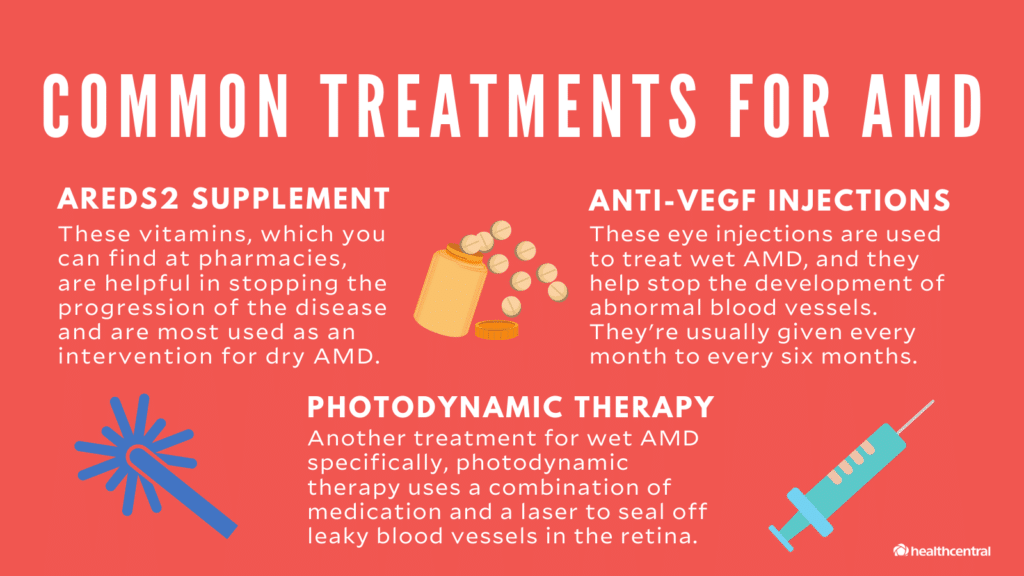
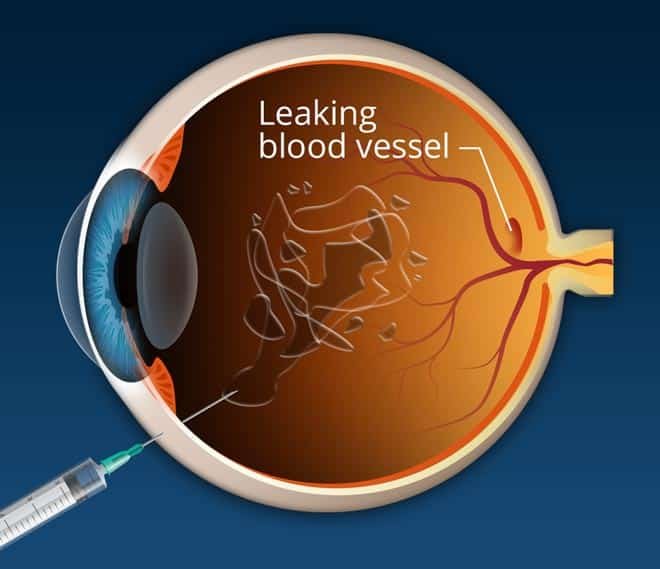
Anti-VEGF (vascular endothelial growth factor) injections are a common treatment for wet macular degeneration. These injections help block abnormal blood vessel growth and reduce leakage, preserving vision.
Photodynamic Therapy
Photodynamic therapy involves the use of a light-sensitive medication that is injected into a vein. Laser light is then directed at the abnormal blood vessels to activate the medication and destroy the vessels.
Laser Photocoagulation
Laser photocoagulation involves the use of a laser to seal off leaky blood vessels in the macula. This treatment is most effective for smaller, well-defined blood vessels.
Retinal Translocation
Retinal translocation is a surgical procedure that involves repositioning the retina to an area with healthier blood vessels, away from the abnormal ones causing damage.
Submacular Surgery
Submacular surgery aims to remove abnormal blood vessels or scar tissue underneath the macula. This procedure is typically reserved for severe cases of wet macular degeneration.
Intravitreal Implants
Intravitreal implants are tiny devices that are surgically implanted into the eye. These implants release medication slowly over time to inhibit the growth of abnormal blood vessels.
Stem Cell Therapy
Stem cell therapy is an emerging area of research for macular degeneration. These therapies aim to replace damaged cells in the retina with healthy stem cells, potentially restoring vision.
Emerging Therapies and Research for Macular Degeneration
Ongoing research is focused on developing innovative therapies to improve the management and treatment of macular degeneration. Some promising areas of research include:
Gene Therapy
Gene therapy involves delivering healthy genes to replace or correct defective genes associated with macular degeneration. This treatment approach has shown promise in preclinical and early clinical trials.
Retinal Transplantation
Retinal transplantation aims to replace damaged retinal cells with healthy cells obtained from donors or generated from stem cells. This therapy holds the potential to restore vision in individuals with macular degeneration.
Artificial Vision
Artificial vision technologies, such as retinal prostheses or “bionic eyes,” are being developed to stimulate the remaining healthy cells in the retina, bypassing the damaged macula and restoring some vision.
Implantable Miniature Telescopes
Implantable miniature telescopes are implanted into the eye to magnify images and improve vision in individuals with advanced macular degeneration.
Drug Delivery Systems
Researchers are exploring advanced drug delivery systems, such as sustained-release implants or eye drops, to improve the effectiveness and convenience of treatment for macular degeneration.
Stem Cell Research
Stem cell research holds promise for the development of regenerative treatments for macular degeneration. Scientists are investigating ways to generate specific retinal cells from stem cells for transplantation.
Managing Macular Degeneration at Home
While macular degeneration may impact daily activities, there are several strategies and devices that can help individuals manage and cope with the condition at home:
Low Vision Aids
Low vision aids, such as magnifiers, reading glasses, or telescopic lenses, can help individuals with macular degeneration enhance their remaining vision and perform everyday tasks.
Assistive Technologies
Various assistive technologies, including audio books, large-print materials, or screen-reading software, can assist individuals with macular degeneration in accessing information or engaging in recreational activities.
Magnifying Devices
Handheld or desktop magnifiers, electronic magnifiers, or magnifying glasses can help individuals with macular degeneration read and view objects more easily.
Specialized Lighting
Using task lighting, adjustable lamps, or lighting filters can improve visibility and reduce glare, helping individuals with macular degeneration perform tasks more comfortably.
Home Modifications
Making simple modifications to the home, such as using contrasting colors, eliminating tripping hazards, and installing grab bars, can enhance safety and independence for individuals with macular degeneration.
Supportive Care for Macular Degeneration Patients
In addition to medical treatments, support and care are essential for individuals coping with macular degeneration. Several resources and programs can provide emotional support, education, and practical assistance:
Counseling and Psychological Support
Professional counseling or therapy sessions can help individuals with macular degeneration cope with the emotional and psychological impact of vision loss.
Low Vision Rehabilitation
Low vision rehabilitation services can assist individuals in maximizing their remaining vision through specialized training and adaptive techniques.
Support Groups
Joining support groups or online communities can provide a sense of belonging and a platform to connect with others who understand the challenges of macular degeneration.
Educational Resources
Educational resources, such as websites, books, or workshops, can provide valuable information about macular degeneration, its management, and available resources.
Assistance Programs
Various organizations and government programs offer financial assistance, transportation services, and other support for individuals with visual impairments.
Future Outlook for Macular Degeneration
While significant progress has been made in the understanding and management of macular degeneration, the focus on research and innovation continues to drive advancements in this field. The future outlook for macular degeneration holds great promise in multiple areas:
Advancements in Treatment
Ongoing research aims to develop novel treatment options that target the underlying mechanisms of macular degeneration more effectively and with fewer side effects.
Earlier Diagnosis Strategies
Improved diagnostic techniques and screening methods may allow for earlier detection of macular degeneration, enabling timely intervention and better outcomes.
Personalized Medicine
Advancements in genetics and biomarkers may enable personalized treatment approaches, tailoring therapies to individual characteristics and optimizing outcomes.
Public Health Initiatives
Public health initiatives and awareness campaigns can help educate the population on the risk factors, preventive measures, and management strategies for macular degeneration.
Global Collaboration
Collaboration between researchers, healthcare providers, and policymakers globally can foster the sharing of knowledge, resources, and expertise, leading to enhanced understanding and improved outcomes for individuals with macular degeneration.
In conclusion, macular degeneration is a complex condition that requires a comprehensive approach to diagnosis, management, and support. By understanding the different types of macular degeneration, its causes, symptoms, available treatments, and ongoing research, individuals can make informed decisions, seek appropriate care, and take steps to reduce their risk. With advancements in treatment, emerging therapies, and supportive resources, the future holds great promise for individuals living with macular degeneration.