
In this article, you will learn about the important topic of prevention and detection of Mad Cow Disease. Mad Cow Disease, also known as Bovine Spongiform Encephalopathy (BSE), is a neurological disorder that affects cattle. With its devastating impact on the livestock industry and potential risks to human health, it is crucial to understand the measures we can take to prevent and detect this disease. Stay informed as we explore the strategies and advancements in this field, ensuring the safety of our food chain and the well-being of our communities.
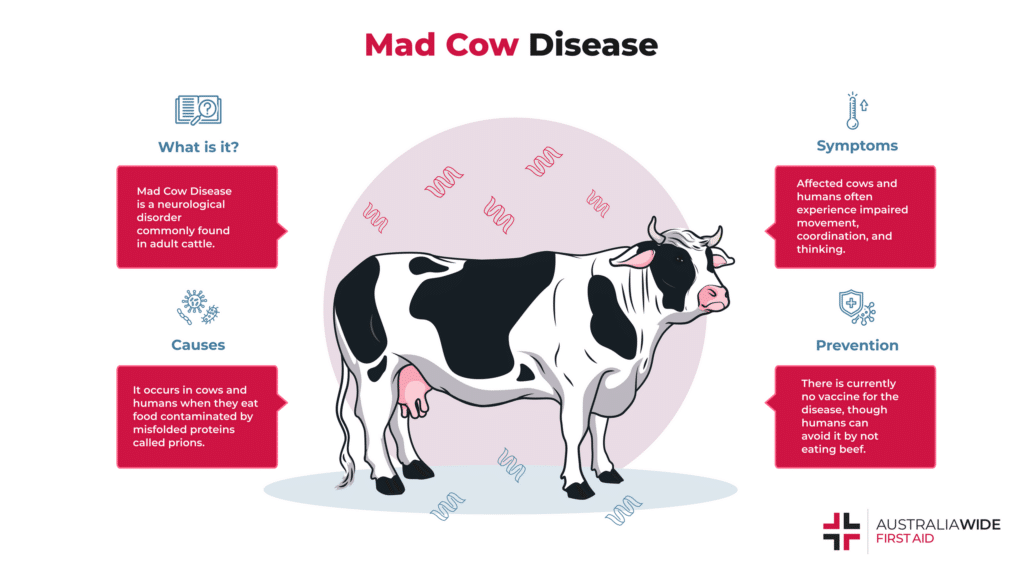
Prevention of Mad Cow Disease
Control Measures in Cattle Farming
To prevent the occurrence and spread of Mad Cow Disease, it is crucial to implement effective control measures in cattle farming. One of the key strategies is the prohibition of feeding ruminant-derived protein supplements to cattle, as this has been identified as a major route of transmission. Additionally, strict regulations must be in place to ensure the exclusion of high-risk materials, such as specified risk materials (SRMs), from the animal feed and food chain.
Cattle farmers should also practice good herd management, including regular veterinary inspections and the prompt isolation and removal of any sick animals. Effective biosecurity measures, such as restricted access to the farm, proper cleaning and disinfection protocols, and the use of dedicated equipment for disease control, should be implemented to minimize the risk of disease transmission.
Testing and Surveillance Programs
Testing and surveillance programs play a crucial role in the prevention of Mad Cow Disease. Regular screening of cattle herds, especially those at high risk, should be conducted to detect infected animals early on. Diagnostic tests, such as the enzyme-linked immunosorbent assay (ELISA) and polymerase chain reaction (PCR), can be used to identify the presence of the disease-causing prions.
In addition to individual testing, monitoring of bulk tank milk samples from dairy herds can provide an indication of the prevalence and spread of the disease within a population. Furthermore, stringent surveillance programs should be established in abattoirs to ensure that only healthy animals are entering the food chain.
International Trade Regulations and Standards
To prevent the global spread of Mad Cow Disease, international trade regulations and standards must be put in place. These regulations should include strict import and export requirements, ensuring that only products from countries with robust control measures are allowed into the market. International cooperation and information sharing between countries are vital to maintain a unified approach in disease prevention and control.
Biosecurity Measures in Slaughterhouses and Processing Facilities
Biosecurity measures in slaughterhouses and processing facilities are essential to prevent contamination and transmission of Mad Cow Disease. Strict protocols for cleaning and disinfection should be followed to ensure that equipment, surfaces, and personnel are free from disease-causing agents. Employees must be adequately trained in biosecurity procedures and provided with appropriate personal protective equipment (PPE) to minimize the risk of infection.
Regular inspections and audits should be conducted to ensure compliance with biosecurity standards. Implementing a traceability system in the food processing industry will enable the identification and recall of potentially contaminated products, effectively preventing further spread of the disease.
Public Education and Awareness Campaigns
Public education and awareness campaigns play a crucial role in preventing Mad Cow Disease. By educating the general public, farmers, and food industry professionals about the risks associated with the disease and the necessary preventive measures, individuals can make informed decisions about cattle farming practices and food choices.
Public awareness campaigns should focus on highlighting the importance of sourcing meat and dairy products from reliable and certified sources. Consumers should be encouraged to look for labels or certifications that indicate compliance with strict safety standards. By empowering individuals with knowledge, we can collectively work towards preventing the occurrence and spread of Mad Cow Disease.
Research and Development for Vaccines and Treatments
Continuous research and development efforts are necessary to advance the prevention and treatment of Mad Cow Disease. Scientists and researchers should focus on developing effective vaccines to protect cattle from the disease-causing prions. These vaccines would help reduce the risk of infection and transmission within cattle populations.
Additionally, research should be conducted to explore potential treatments or interventions to manage Mad Cow Disease in infected animals. This could include the development of therapeutic strategies aimed at inhibiting the replication or accumulation of prions in the central nervous system of affected animals.
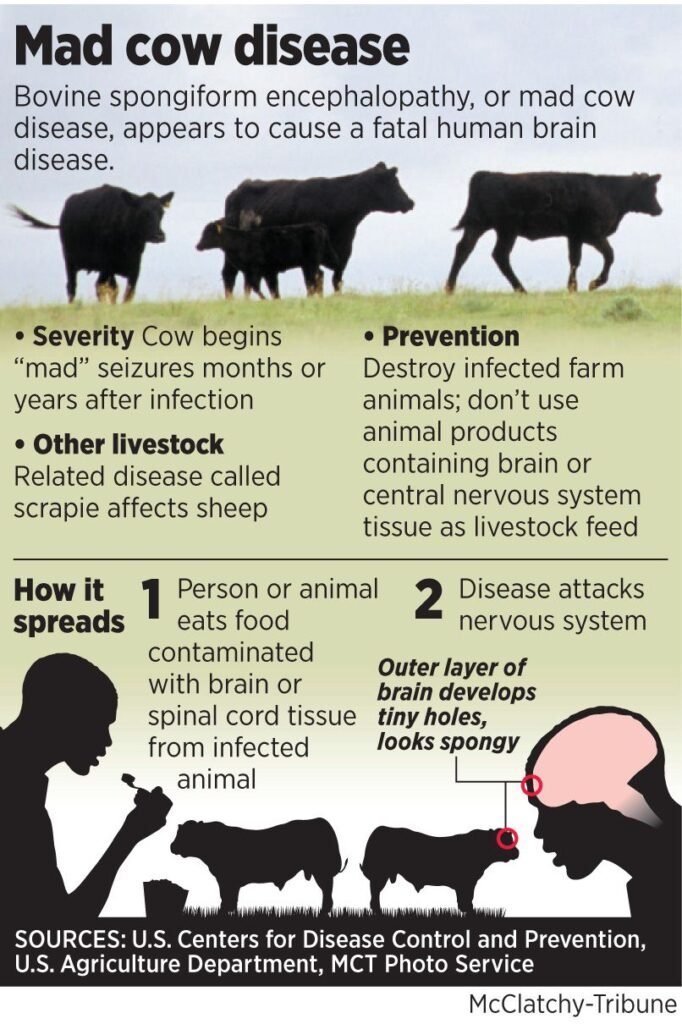
Detection of Mad Cow Disease
Clinical Signs and Symptoms in Cattle
Early detection and diagnosis of Mad Cow Disease in cattle is crucial to prevent its spread within herds and minimize the risk to human health. Farmers and veterinarians should be familiar with the clinical signs and symptoms associated with the disease. These may include changes in behavior, such as aggression or nervousness, difficulty in coordination, weight loss, and abnormal movements.
Observing and monitoring the health status of cattle is an essential component of disease detection. Any suspicious or unusual symptoms should be reported to a veterinarian promptly for further investigation.
Laboratory Testing and Diagnosis
Laboratory testing and diagnosis are essential in confirming cases of Mad Cow Disease. Rapid and accurate diagnostic methods are crucial to prevent the accidental consumption of contaminated meat and dairy products. Diagnostic laboratories should be equipped with state-of-the-art equipment and trained personnel to perform tests for detecting the disease-causing prions.
Laboratory tests, such as ELISA and PCR, can detect the presence of abnormal prions in brain or tissue samples. These tests provide a definitive diagnosis and enable the implementation of appropriate control measures to prevent the spread of the disease.
Screening of High-Risk Animals
As part of proactive disease management, screening programs should be implemented to identify high-risk animals within cattle populations. This includes testing animals that display clinical signs or symptoms of neurological disorders, as well as animals that have had potential exposure to contaminated feed or infected animals.
Screening high-risk animals allows for early detection, targeted surveillance, and strict control measures to be implemented promptly to prevent the spread of Mad Cow Disease.
Surveillance and Monitoring Programs
Surveillance and monitoring programs play a crucial role in the early detection and management of Mad Cow Disease. These programs involve regular testing of cattle herds within a defined area to assess the disease’s prevalence and monitor its spread. By identifying affected herds, authorities can implement appropriate control measures to minimize transmission and protect public health.
Surveillance programs often involve the collection of tissue samples from slaughtered animals or fallen stock for laboratory testing. These programs allow for the timely identification of infected animals and the implementation of control measures to prevent further spread.
Early Warning Systems and Outbreak Detection
Early warning systems and outbreak detection mechanisms are essential components of disease prevention strategies. By continuously monitoring cattle populations and analyzing data, authorities can detect any unusual patterns or increases in disease prevalence, signaling a potential outbreak.
These systems can be complemented by syndromic surveillance, which involves the real-time analysis of data from various sources, such as veterinary diagnostic laboratories, to identify unusual disease patterns. This early detection enables the prompt implementation of control measures, preventing the further spread of Mad Cow Disease.
Research and Innovation in Diagnostic Methods
Continuous research and innovation in diagnostic methods are necessary to improve the efficiency and accuracy of Mad Cow Disease detection. Scientists and researchers should focus on developing advanced diagnostic technologies that can detect the disease at an early stage, even before clinical symptoms manifest.
Innovative techniques, such as the development of advanced biosensors or biomarkers, could enhance the sensitivity and specificity of diagnostic tests. Research in this area can contribute to the improvement of disease surveillance, prevention, and control strategies.
In conclusion, the prevention and detection of Mad Cow Disease rely on a comprehensive approach involving control measures in cattle farming, testing and surveillance programs, international trade regulations, biosecurity measures, public education campaigns, and research and development efforts. By implementing strict preventive measures and early detection strategies, we can minimize the risk of transmission and safeguard both animal and human health. It is imperative for governments, farmers, researchers, and the general public to work together to ensure the effective prevention and detection of Mad Cow Disease.
