
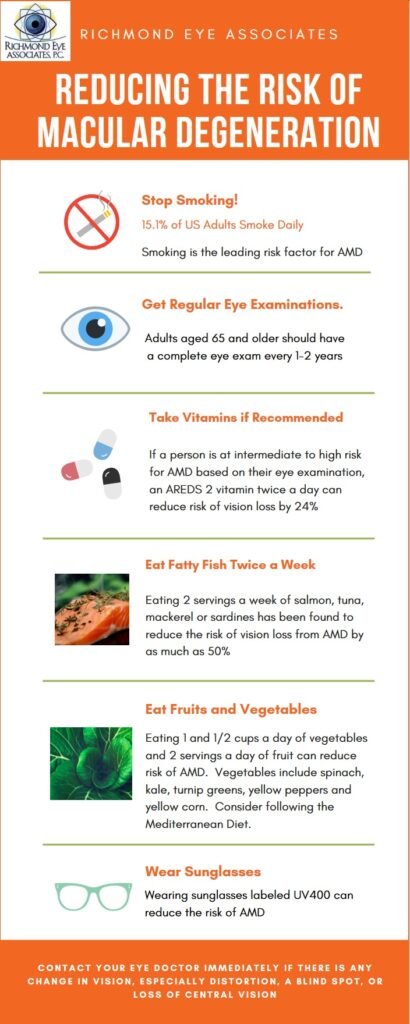
You value the importance of taking care of your eyesight, and understanding how to prevent macular degeneration is essential. Macular degeneration is a common eye condition that affects the central part of your vision, potentially leading to blurred or distorted vision or even vision loss. By incorporating small lifestyle changes such as maintaining a healthy diet, protecting your eyes from harmful UV rays, quitting smoking, and scheduling regular eye exams, you can significantly reduce the risk of developing macular degeneration and maintain clear and crisp vision for years to come.
Understanding Macular Degeneration
Macular Degeneration, also known as age-related macular degeneration (AMD), is a common eye condition that affects millions of people worldwide. It is a progressive disease that mainly affects the central part of the retina, called the macula, which is responsible for sharp and detailed vision. Macular Degeneration can lead to significant vision loss and eventually blindness if not managed properly. It is crucial to understand the definition, types, and risk factors associated with this condition to take proactive measures in preventing its onset.
Definition of Macular Degeneration
Macular Degeneration is a degenerative eye disease that affects the macula, a small part of the retina responsible for central vision. The macula is responsible for sharp and detailed vision, allowing us to read, recognize faces, and perform daily tasks that require fine visual acuity. As Macular Degeneration progresses, central vision becomes blurry or distorted, making it challenging to perform routine activities. Macular Degeneration is a leading cause of visual impairment and blindness in older adults.
Types of Macular Degeneration
There are two main types of Macular Degeneration: dry AMD and wet AMD.
-
Dry AMD: Dry AMD is the most common type, accounting for approximately 85-90% of cases. It occurs when the macula thins and gradually breaks down over time due to the accumulation of small, yellowish deposits called drusen. Dry AMD progresses slowly and typically causes mild to moderate vision loss. In some cases, dry AMD can progress to an advanced stage called geographic atrophy, which leads to severe vision loss.
-
Wet AMD: Wet AMD is less common but more severe than dry AMD. It occurs when abnormal blood vessels grow underneath the macula and leak fluid and blood, causing rapid and significant damage to the macula. Wet AMD can cause sudden and severe central vision loss, and without prompt treatment, it can lead to permanent vision damage. It is essential to detect and treat wet AMD early to mitigate its impact on vision.
Risk Factors for Macular Degeneration
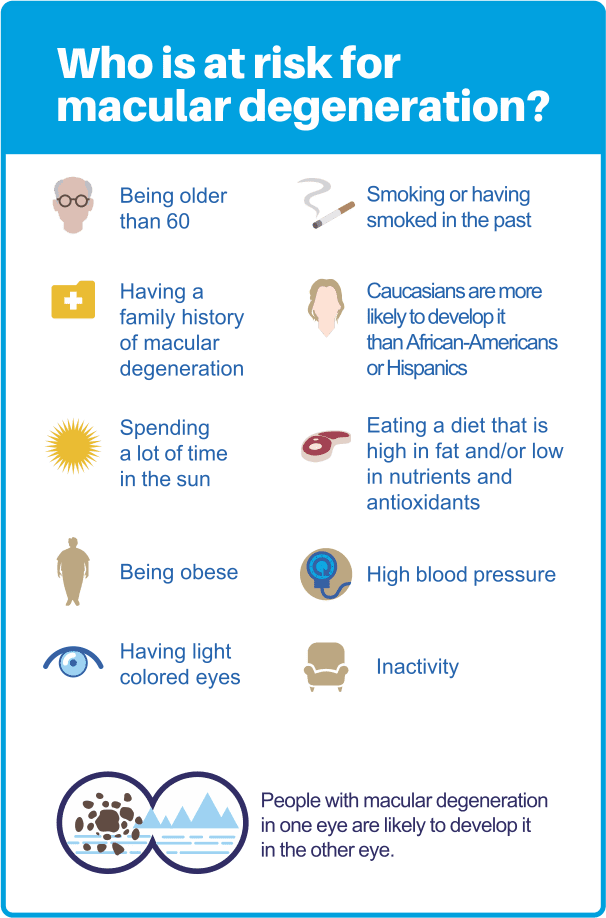
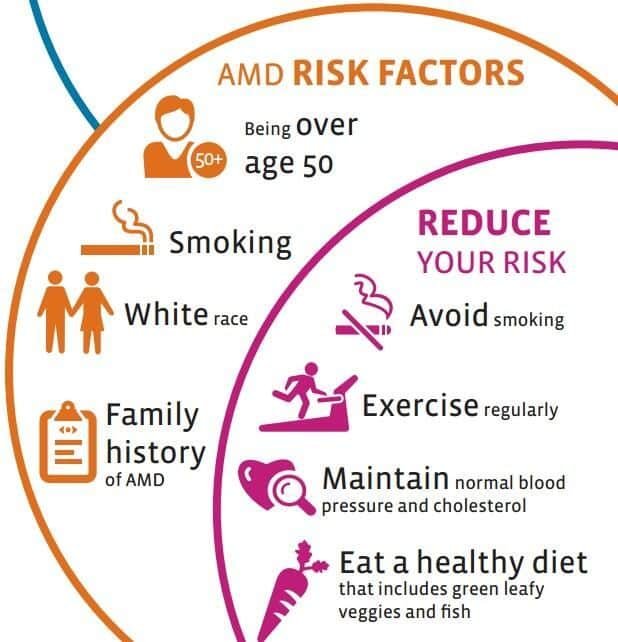
While the exact cause of Macular Degeneration is unknown, several risk factors contribute to its development:
-
Age: Macular Degeneration primarily affects older adults and is most commonly seen in individuals over the age of 50. As we age, the risk of developing Macular Degeneration increases.
-
Family History and Genetics: Genetics play a significant role in Macular Degeneration. If you have a family history of the condition, you have a higher risk of developing it yourself.
-
Smoking: Smoking is a modifiable risk factor that significantly increases the chances of developing Macular Degeneration. Smokers are two to four times more likely to develop the condition compared to non-smokers.
-
Race and Ethnicity: Macular Degeneration is more prevalent among Caucasians, especially those with light-colored eyes. However, it can still affect individuals of all races and ethnicities.
-
High Blood Pressure and Cardiovascular Disease: Conditions like high blood pressure and cardiovascular disease can increase the risk of developing Macular Degeneration.
By understanding these risk factors, you can take proactive steps to reduce your chances of developing Macular Degeneration and prioritize your eye health.
Lifestyle Changes for Preventing Macular Degeneration
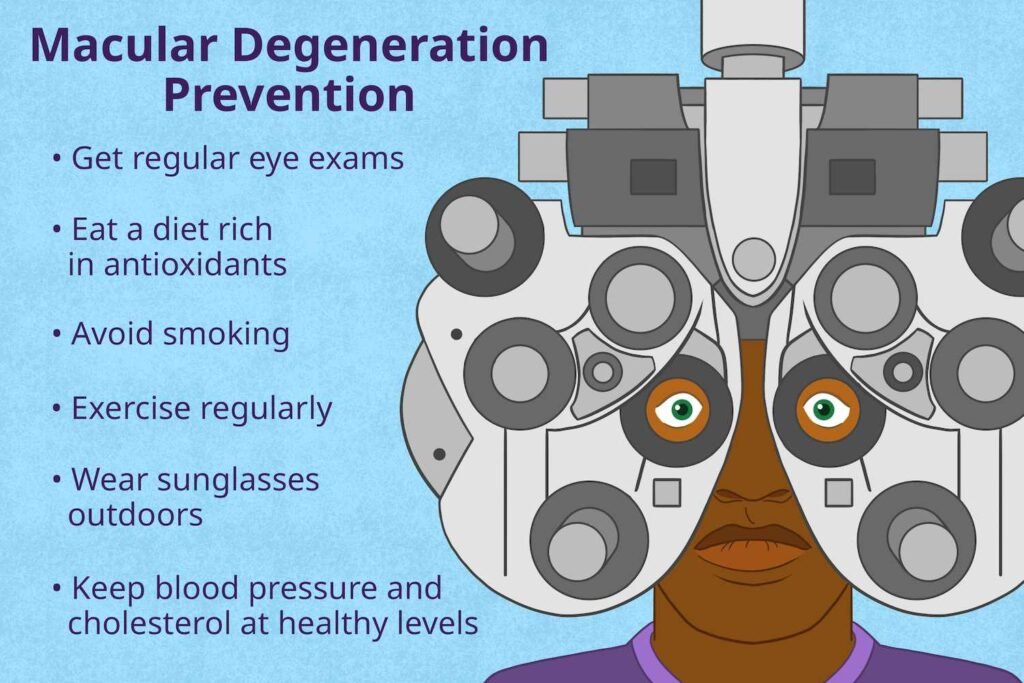
While age and genetics are significant risk factors for Macular Degeneration, making certain lifestyle changes can help reduce the risk and delay its onset. Adopting healthy habits and taking care of your eyes can go a long way in preventing or slowing down the progression of Macular Degeneration.
Maintaining a Healthy Diet
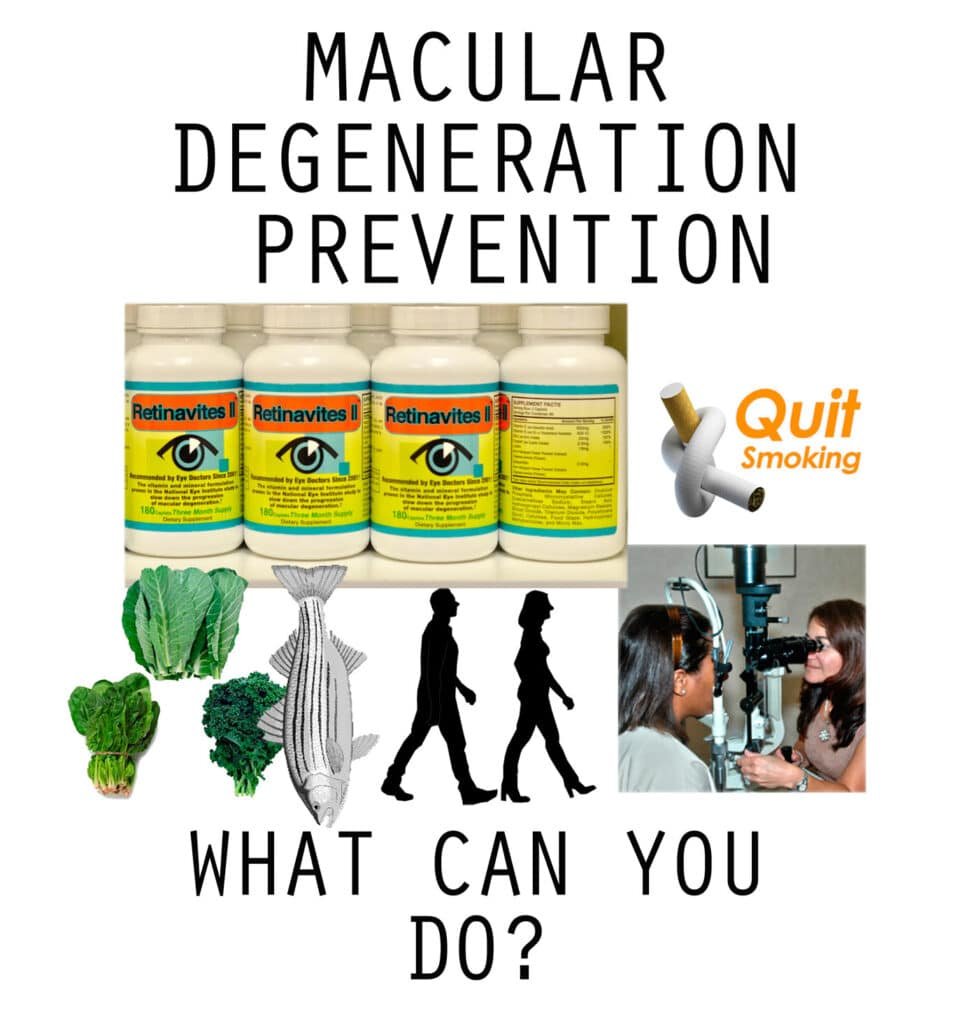
A healthy diet plays a vital role in preserving eye health and reducing the risk of Macular Degeneration. Incorporate the following foods into your diet:
-
Antioxidant-rich Foods: Regularly consume foods that are high in antioxidants, such as dark leafy greens, berries, oranges, and carrots. Antioxidants help protect the eyes from oxidative stress and may reduce the risk of Macular Degeneration.
-
Omega-3 Fatty Acids: Include foods rich in omega-3 fatty acids, such as fatty fish (salmon, mackerel, tuna), walnuts, and flaxseeds. Omega-3 fatty acids have anti-inflammatory properties and may help maintain retinal health.
-
Leafy Green Vegetables: Spinach, kale, and collard greens are excellent sources of lutein and zeaxanthin, two antioxidants that help protect the macula from damage caused by blue light and oxidative stress.
-
Brightly Colored Fruits and Vegetables: Consume a variety of brightly colored fruits and vegetables, such as oranges, tomatoes, bell peppers, and sweet potatoes. These vibrant foods are packed with vitamins and minerals that support overall eye health.
-
Limit High Glycemic Index Foods: High-glycemic index foods, such as refined carbohydrates and sugary snacks, can lead to inflammation and may increase the risk of Macular Degeneration. Opt for whole grains and limit your intake of processed foods.
Regular Exercise
Regular exercise is not only beneficial for overall health but also plays a crucial role in maintaining good eye health. Engaging in physical activity helps support proper blood circulation, reduces the risk of chronic diseases, and promotes overall well-being. When it comes to Macular Degeneration prevention, exercise offers several benefits:
-
Improved Blood Flow: Regular exercise helps improve blood circulation throughout the body, including the eyes. Better blood flow ensures that the retina receives essential nutrients and oxygen for optimal functioning.
-
Weight Management: Excess weight and obesity are risk factors for Macular Degeneration. Engaging in regular exercise can help manage weight and reduce the risk of developing the condition.
-
Lowered Blood Pressure and Cholesterol: Exercise helps lower blood pressure and cholesterol levels, reducing the risk of cardiovascular diseases that can contribute to Macular Degeneration.
Protecting Your Eyes from UV Rays
Excessive exposure to ultraviolet (UV) rays can damage the eyes and increase the risk of Macular Degeneration. Protecting your eyes from UV radiation is crucial in preventing potential harm. Here are some measures you can take:
-
Wearing UV-Protective Sunglasses: Ensure that you wear sunglasses that block 100% of both UVA and UVB rays. Look for sunglasses labeled as “UV400” or “100% UV protection” to ensure maximum protection.
-
Using Wide-Brimmed Hats: Pair your sunglasses with a wide-brimmed hat for added protection from direct sunlight. A hat with a brim that extends all around the head provides shade to your eyes and face.
-
Avoiding Midday Sun Exposure: The sun’s rays are at their strongest between 10 am and 4 pm. Whenever possible, stay indoors or seek shade during these peak hours to minimize UV exposure.
-
Utilizing UV-Blocking Contact Lenses: If you wear contact lenses, consider using UV-blocking lenses that offer an additional layer of protection for your eyes.
Quitting Smoking
Smoking is a significant risk factor for Macular Degeneration and can exacerbate its progression. Quitting smoking is one of the most impactful steps you can take to protect your eyes and reduce the risk of developing Macular Degeneration. Here’s why:
-
Link Between Smoking and Macular Degeneration: Smoking damages blood vessels throughout the body, including those in the eyes. It narrows the blood vessels, restricts blood flow, and reduces oxygen supply to the macula, increasing the risk of Macular Degeneration.
-
Seeking Smoking Cessation Support: Quitting smoking can be challenging, but numerous resources are available to help you succeed. Consider talking to your doctor, joining support groups, or using smoking cessation aids such as nicotine patches or gum.
-
Creating Strategies to Quit Smoking: Find healthier alternatives to cope with stress, such as exercising, deep breathing, or practicing mindfulness. Surround yourself with a supportive network of family and friends who can help you stay motivated on your quit journey.
Dietary Recommendations for Macular Degeneration Prevention
Adopting a nutrient-rich diet can significantly reduce the risk and progression of Macular Degeneration. Certain dietary recommendations have shown promise in preserving eye health and preventing vision loss.
Consuming Antioxidant-rich Foods
Antioxidants play a vital role in protecting the eyes from oxidative stress, a major contributing factor to Macular Degeneration. Including antioxidant-rich foods in your diet can help preserve the health of the macula. Focus on consuming:
-
Vitamin C: Citrus fruits (oranges, grapefruits), strawberries, kiwis, and bell peppers are excellent sources of Vitamin C.
-
Vitamin E: Nuts and seeds (almonds, sunflower seeds), spinach, and broccoli are rich in Vitamin E.
-
Zinc: Oysters, beef, poultry, eggs, and legumes are good sources of zinc.
Eating Foods High in Omega-3 Fatty Acids
Omega-3 fatty acids have anti-inflammatory properties that contribute to overall eye health. Including foods high in omega-3 fatty acids can help reduce inflammation and maintain the integrity of retinal cells. Incorporate the following into your diet:
-
Fatty Fish: Salmon, mackerel, trout, and sardines are excellent sources of omega-3 fatty acids.
-
Walnuts: Snack on a handful of walnuts for a healthy dose of omega-3 fatty acids.
-
Flaxseeds and Chia Seeds: Add ground flaxseeds or chia seeds to smoothies, yogurt, or oatmeal for a nutritional boost.
Incorporating Leafy Green Vegetables
Leafy green vegetables are packed with essential vitamins, minerals, and antioxidants that promote eye health and protect against Macular Degeneration. Make sure to include:
-
Spinach: Enjoy spinach salads, add it to smoothies, or sauté it as a side dish.
-
Kale: Incorporate kale into salads, soups, or stir-fries.
-
Collard Greens: Try steaming or stir-frying collard greens as a tasty side dish.
Including Brightly Colored Fruits and Vegetables
Brightly colored fruits and vegetables are rich in nutrients that support eye health and contain antioxidants that protect the macula. Include a variety of colorful produce such as:
-
Oranges and Berries: Oranges, strawberries, blueberries, and blackberries are bursting with eye-healthy antioxidants.
-
Tomatoes: Add fresh tomatoes to sandwiches, salads, or make a delicious homemade salsa.
-
Bell Peppers: Bell peppers come in various colors and are an excellent source of Vitamin C.
-
Sweet Potatoes: Bake or roast sweet potatoes for a nutritious side dish or make sweet potato fries as a healthier alternative.
Limiting High Glycemic Index Foods
High glycemic index foods can contribute to inflammation, oxidative stress, and insulin resistance, which may increase the risk of Macular Degeneration. Minimize your consumption of:
-
Refined Carbohydrates: White bread, white rice, sugary cereals, and pastries have a high glycemic index.
-
Sugary Snacks: Limit the intake of candies, cookies, cakes, and other sugary treats.
By following these dietary recommendations, you can provide your eyes with the necessary nutrients to maintain their health and reduce the risk of Macular Degeneration.
Exercise and its Role in Macular Degeneration Prevention
Regular exercise is not only essential for maintaining overall health and well-being but has specific benefits for preventing Macular Degeneration. Engaging in a proper exercise regimen can contribute significantly to preserving eye health and warding off the onset of Macular Degeneration.
Benefits of Exercise for Eye Health
Exercise offers several benefits that directly impact eye health and can help prevent or slow the progression of Macular Degeneration:
-
Improved Blood Circulation: Engaging in regular exercise promotes better blood circulation throughout the body, including the eyes. Proper blood flow ensures that the retina, including the macula, receives oxygens and nutrients necessary for optimal function.
-
Weight Management: Exercise helps manage weight and control obesity, which are risk factors for Macular Degeneration. By maintaining a healthy weight, you can reduce the chance of developing the condition.
-
Reduced Risk of Chronic Diseases: Regular physical activity lowers the risk of developing chronic diseases such as high blood pressure, diabetes, and cardiovascular disease. These conditions are associated with an increased risk of Macular Degeneration, making exercise an essential preventive measure.
Recommended Exercise Regimen
Starting and maintaining an exercise routine doesn’t have to be complicated or time-consuming. Even moderate-intensity exercises performed for just 30 minutes a day, five days a week, can make a significant difference in preventing Macular Degeneration. Consider the following exercise options:
-
Brisk Walking: Walking is a simple and effective exercise that can be done almost anywhere. Aim for a brisk pace that elevates your heart rate, and gradually increase the duration and intensity of your walks over time.
-
Cycling or Stationary Biking: Cycling or using a stationary bike provides a low-impact cardiovascular workout. It is gentle on the joints and can be easily incorporated into your daily routine.
-
Swimming: Swimming is an excellent full-body workout that is easy on the joints. The resistance provided by the water helps build strength and endurance.
-
Aerobic Classes: Joining aerobic classes or dance fitness classes adds fun and variety to your exercise routine. These classes often incorporate cardiovascular exercises and help improve coordination and balance.
-
Strength Training: Incorporate strength training exercises at least a couple of days a week. Exercises that target large muscle groups, such as squats, lunges, and push-ups, can help improve overall strength and body composition.
Exercises Specific to Eye Health
In addition to general exercise, certain eye-specific exercises can help maintain and improve visual function. These exercises are designed to strengthen eye muscles, improve focus, and increase blood flow to the eyes. Here are a few exercises you can incorporate into your routine:
-
Near and Far Focus: Alternate your focus between an object held close to your face and an object far away. This exercise helps strengthen the eye muscles responsible for adjusting focus.
-
Eye Rolls: Slowly and without moving your head, look up, then down, and then roll your eyes to the left and right. This exercise helps increase blood flow to the eyes and strengthens eye muscles.
-
Palming: Place your hands over your closed eyes, create a gentle cupping shape with your hands, and relax. Palming helps relieve eye strain and promotes relaxation in the eye muscles.
-
Blinking: Blinking rapidly for a few seconds every few minutes helps lubricate the eyes and reduces eye strain caused by prolonged focusing. It also helps prevent dry eyes.
Remember to consult with your eye care professional or an exercise specialist before starting any new exercise program. They can provide personalized recommendations based on your health status and overall fitness goals.
Protecting Your Eyes from UV Radiation
Excessive exposure to ultraviolet (UV) rays can have detrimental effects on eye health and increase the risk of Macular Degeneration. Taking precautions to protect your eyes from harmful UV radiation is crucial in preventing potential damage and maintaining long-term eye health. Here are some effective ways to shield your eyes from harmful UV rays:
Wearing UV-Protective Sunglasses
Invest in a good pair of sunglasses that provide 100% protection against both UVA and UVB rays. Look for sunglasses labeled as “UV400” or “100% UV protection” to ensure optimal shielding from harmful UV rays. Choose sunglasses that fit well and provide adequate coverage to block the sun’s rays from reaching your eyes.
Using Wide-Brimmed Hats
Pair your sunglasses with a wide-brimmed hat to provide additional shade and protection for your eyes. Wide-brimmed hats shield your eyes and face from direct sunlight, reducing the amount of UV radiation reaching your eyes. Opt for hats with brims that extend all around your head for maximum protection.
Avoiding Midday Sun Exposure
The sun’s rays are at their strongest between 10 am and 4 pm. During these peak hours, it is advisable to stay indoors or seek shade whenever possible. By minimizing exposure to direct sunlight during high-intensity periods, you can significantly reduce the amount of UV radiation your eyes are exposed to.
Utilizing UV-Blocking Contact Lenses
If you wear contact lenses, consider using UV-blocking lenses that offer an additional layer of protection for your eyes. Talk to your eye care professional about contact lenses that specifically block UVA and UVB rays. These lenses can help shield your eyes from harmful UV radiation while providing clear vision.
By incorporating these protective measures into your daily routine, you can effectively reduce UV exposure to your eyes and mitigate the risk of Macular Degeneration and other eye-related complications.
The Importance of Quitting Smoking
Smoking is a prevalent and harmful habit that adversely affects overall health, including eye health. Quitting smoking is a vital step in preventing Macular Degeneration and preserving eye health for the long term. Understanding the link between smoking and Macular Degeneration, seeking professional support, and implementing effective strategies can help you successfully quit smoking.
Understanding the Link Between Smoking and Macular Degeneration
Smoking is a well-established modifiable risk factor for Macular Degeneration. The toxins in cigarette smoke damage blood vessels throughout the body, including those in the eyes. Here’s how smoking increases the risk of developing Macular Degeneration:
-
Narrowed Blood Vessels: Smoking causes a narrowing of blood vessels, reducing blood flow to vital organs, including the eyes. Inadequate blood flow deprives the macula of oxygen and essential nutrients, promoting the development and progression of Macular Degeneration.
-
Increased Oxidative Stress: Smoking increases oxidative stress in the body, leading to inflammation and cellular damage. The macula is particularly susceptible to oxidative stress, increasing the risk of Macular Degeneration.
-
Higher Risk of Wet AMD: Smoking significantly increases the risk of developing the more severe form of Macular Degeneration, known as wet AMD. Wet AMD is characterized by rapid and severe vision loss and requires immediate medical attention.
Seeking Smoking Cessation Support
Quitting smoking can be challenging, but numerous resources are available to help you succeed. Seeking professional support can significantly enhance your chances of quitting successfully and improving your overall health. Here are some avenues you can explore:
-
Consulting Your Doctor: Make an appointment with your healthcare provider to discuss your desire to quit smoking. They can provide guidance, prescribe medications, recommend nicotine replacement therapy, and offer strategies tailored to your needs.
-
Smoking Cessation Programs: Explore smoking cessation programs available in your community or online. These programs often offer group support, counseling, and evidence-based strategies to help individuals quit smoking.
-
Support Groups: Joining support groups, either in-person or online, can provide a supportive network of individuals going through similar challenges. Sharing experiences and receiving encouragement can be instrumental in your journey to quit smoking.
-
Nicotine Replacement Therapy (NRT): Over-the-counter nicotine replacement products, such as patches, gum, lozenges, and nasal sprays, can help alleviate nicotine withdrawal symptoms and increase your chances of successfully quitting smoking.
Creating Strategies to Quit Smoking
Quitting smoking requires dedication, perseverance, and the implementation of strategies to cope with cravings and withdrawal symptoms. Here are some strategies that can help you quit smoking and maintain a smoke-free lifestyle:
-
Set a Quit Date: Choose a specific date to quit smoking and mark it on your calendar. Having a concrete deadline can help you mentally prepare and commit to the quit journey.
-
Identify Triggers: Pay attention to situations, locations, or activities that trigger your urge to smoke. Understanding your triggers allows you to create alternative coping mechanisms to replace smoking.
-
Find Healthy Substitutes: Replace smoking with healthier alternatives to manage stress and cravings. Engage in physical activities, practice deep breathing exercises, or indulge in hobbies that distract you from the urge to smoke.
-
Lean on Support: Inform your family, friends, and coworkers about your decision to quit smoking. Seek their support and understanding throughout your quit journey. Having a support system can make a significant difference in staying motivated and accountable.
-
Reward Milestones: Celebrate your milestones along the way. Set achievable goals, such as going smoke-free for a week or a month, and reward yourself with something meaningful. Recognizing your progress helps reinforce positive behavior and strengthens your commitment to quit smoking.
Remember that quitting smoking is a process, and it may take multiple attempts before achieving long-term success. Be patient and kind to yourself throughout the journey, and don’t hesitate to seek professional help if needed. Quitting smoking is one of the most impactful steps you can take to protect your eyes and overall health.
Screen Time Management and Eye Health
In today’s digital age, screen time has become an integral part of our daily lives. While screens are essential for work, communication, and entertainment, excessive screen time can take a toll on eye health, potentially contributing to the development or progression of Macular Degeneration. Managing screen time and implementing healthy habits can help promote optimal eye health.
Effects of Excessive Screen Time on Eye Health
Excessive screen time can lead to a range of eye-related issues, including eyestrain, dry eyes, blurred vision, and difficulty focusing. While these symptoms are usually temporary, prolonged exposure to screens can increase the risk of developing long-term eye problems, such as Macular Degeneration. Here’s how excessive screen time affects eye health:
-
Digital Eye Strain: Staring at screens for extended periods can cause digital eye strain, also known as computer vision syndrome. Symptoms include dry eyes, headaches, blurred vision, and neck and shoulder pain.
-
Reduced Blinking: When focusing on screens, we tend to blink less frequently, which leads to dry eyes. Insufficient blinking hampers the natural lubrication of the eyes.
-
Increased Blue Light Exposure: Screens emit blue light, which can penetrate the retina and potentially cause damage over time. High levels of blue light exposure are associated with an increased risk of Macular Degeneration.
-
Disrupted Sleep Patterns: The blue light emitted by screens can interfere with melatonin production, a hormone that regulates sleep. Reduced melatonin levels can disrupt sleep patterns, leading to daytime fatigue and potential long-term health consequences.
Managing Screen Time for Optimal Eye Health
While it may be challenging to reduce screen time significantly, adopting healthy screen habits can help minimize the impact on your eyes and reduce the risk of Macular Degeneration. Consider the following strategies:
-
Follow the 20-20-20 Rule: Every 20 minutes, take a 20-second break and look at something 20 feet away. This exercise helps reduce eye strain and refocuses your eyes.
-
Practice Blinking Exercises: Be mindful of blinking regularly while using screens. Blinking helps lubricate the eyes and reduces dryness and discomfort. Set reminders if necessary.
-
Adjust Screen Display Settings: Optimize screen brightness and contrast settings to reduce eye strain. Avoid excessively bright or dim screens that can cause visual fatigue.
-
Maintain Appropriate Screen Distance: Position screens at least an arm’s length away from your face and slightly below eye level. This arrangement reduces eye strain and encourages a more comfortable viewing position.
-
Use the 10-10-10 Method: Every 10 minutes, take a 10-second break and look at an object placed 10 feet away. This method helps relax the focusing muscles and reduces eye fatigue.
-
Consider Blue Light Filters: Invest in blue light filters or protective screen covers for electronic devices. These filters reduce blue light exposure and minimize eye strain.
-
Create a Technology-Free Zone: Designate specific areas or times in your home where screens are prohibited. Establishing screen-free zones promotes healthy boundaries and encourages other activities.
-
Practice Digital Detox: Allocate regular periods of time during the day, evening, and weekends for digital detox. Use this time to engage in other hobbies, spend time with loved ones, or explore the outdoors.
By implementing these strategies, you can balance screen usage with proper eye care, reducing the risk of Macular Degeneration and other screen-related eye issues. Remember, moderation, healthy habits, and conscious screen management are key to maintaining optimal eye health in the digital era.
Regular Eye Exams for Detection and Prevention
Regular eye exams play a significant role in the early detection and prevention of eye conditions, including Macular Degeneration. Routine eye exams allow eye care professionals to monitor the health of your eyes, identify potential issues, and recommend appropriate treatments or preventive measures. Here’s why regular eye exams are crucial for Macular Degeneration prevention:
Importance of Routine Eye Exams
Regular eye exams are essential for maintaining good eye health, irrespective of any specific symptoms or concerns. Eye exams, performed by qualified eye care professionals, provide comprehensive assessments of your visual acuity and eye health. Here’s what routine eye exams offer:
-
Early Detection: Eye exams can detect early signs of Macular Degeneration, enabling timely intervention and treatment. Early detection is vital for maximizing treatment options and minimizing potential vision loss.
-
Identification of Risk Factors: Eye exams help identify and assess risk factors associated with Macular Degeneration, such as family history, age, and lifestyle choices. Understanding your risk profile allows you to proactively adopt preventive measures and manage modifiable risk factors.
-
Prescription Updates: Regular eye exams help determine whether your prescription glasses or contact lenses need to be adjusted. Clear and accurate vision plays a crucial role in mitigating eye strain and maintaining overall eye health.
-
Monitoring Other Eye Conditions: Eye exams allow eye care professionals to screen for and monitor various eye conditions, including cataracts, glaucoma, and diabetic retinopathy. Early detection and treatment of these conditions further support overall eye health and reduce vision complications.
Frequency of Eye Exams
The frequency of eye exams may vary depending on your age, risk factors, and overall eye health. Here are general recommendations for adults:
-
Adults Ages 18-60: Individuals within this age group without any significant risk factors or pre-existing eye conditions should have a comprehensive eye exam every two years or as advised by their eye care professional. However, individuals experiencing vision changes, eye discomfort, or other concerns should seek immediate assessment.
-
Adults Ages 61 and Above: Individuals aged 61 and above, or those with risk factors for Macular Degeneration, should have a comprehensive eye exam annually or as recommended by their eye care professional. As we age, the risk of developing eye conditions increases, warranting more frequent monitoring and preventive measures.
It is essential to consult with your eye care professional to determine the most appropriate exam frequency based on your individual circumstances.
Early Detection and Intervention
Early detection of Macular Degeneration plays a crucial role in the effectiveness of available treatment options. Regular eye exams increase the chance of detecting the condition in its early stages, allowing for timely intervention. Early treatment can help delay the progression of Macular Degeneration and significantly reduce the risk of severe vision loss. Remember, prevention is key, and routine eye exams are a critical component of proactive eye care.
Protective Eyewear for Macular Degeneration Prevention
Protective eyewear can serve as an effective preventive measure against Macular Degeneration. Wearing specialized glasses designed for individuals at risk or diagnosed with Macular Degeneration can help protect the eyes from harmful factors, enhance visual clarity, and improve overall quality of life. Here are some protective eyewear options to consider:
Using Blue Light Filtering Glasses
Excessive blue light exposure can potentially damage the macula and increase the risk of Macular Degeneration. Blue light filtering glasses are designed to block a significant amount of blue light emitted by digital screens and artificial lighting. By wearing these glasses, you can reduce your exposure to blue light, minimizing potential harm to the macula.
Employing Light-Adjusting Sunglasses
Light-adjusting or photochromic sunglasses are a versatile eyewear option that automatically adjusts the lens tint according to the prevailing light conditions. These sunglasses darken when exposed to bright sunlight and lighten indoors or in low-light conditions. Light-adjusting sunglasses provide optimal visual comfort and UV protection during outdoor activities, reducing the potential impact of harmful UV radiation on the eyes.
Considering Low Vision Aids
Low vision aids can significantly enhance the quality of life for individuals with advanced Macular Degeneration. These aids include magnifiers, telescopic lenses, and other assistive devices that help maximize remaining vision and improve functionality. Low vision aids are customized to meet individual needs and can empower individuals with Macular Degeneration to perform daily tasks more independently and comfortably.
If you have been diagnosed with Macular Degeneration or are at high risk, consult with your eye care professional to determine the most suitable protective eyewear options for your specific needs. Protective eyewear, when used appropriately, offers an additional layer of defense against Macular Degeneration and supports long-term eye health.
Promising Research for Macular Degeneration Prevention
Ongoing research in the field of Macular Degeneration prevention has yielded promising findings, paving the way for new possibilities in managing and reducing the risk of this degenerative eye disease. While further studies are needed, the following areas of research show potential in preventing Macular Degeneration:
Advancements in Nutritional Supplements
Several studies explore the use of nutritional supplements in reducing the risk and progression of Macular Degeneration. Certain antioxidant vitamins, minerals, and plant extracts have shown promising results in preserving eye health. Examples include:
-
Vitamin C, E, and Zinc: Antioxidant supplements containing Vitamin C, Vitamin E, and zinc, when consumed as directed under the supervision of a healthcare professional, can support eye health and slow the progression of Macular Degeneration in some individuals.
-
Lutein and Zeaxanthin: These carotenoids are found in high concentrations in the macula and are essential for maintaining the health of the retina. Supplements containing lutein and zeaxanthin may reduce the risk of Macular Degeneration, particularly in individuals with a low dietary intake of these compounds.
It is essential to consult with your healthcare provider or eye care specialist before starting any nutritional supplement regimen. They can determine the appropriateness of supplements based on your specific health needs and recommend the most suitable products.
Stem Cell Therapy
Stem cell therapy holds promise in the treatment and prevention of various degenerative diseases, including Macular Degeneration. Researchers are investigating the use of stem cells to replace damaged retinal cells and restore vision in individuals with Macular Degeneration. While still in the early stages of development, stem cell therapy shows potential in preventing and halting the progression of Macular Degeneration.
Gene Therapy
Advancements in gene therapy offer exciting possibilities for Macular Degeneration prevention. Researchers are exploring gene-based treatments to address genetic risk factors associated with the condition. By targeting specific genes and modifying their expression, gene therapy aims to mitigate the impact of genetic predisposition to Macular Degeneration, potentially reducing the risk in at-risk individuals.
While these areas of research offer hope for Macular Degeneration prevention, it is essential to recognize that they are still in the experimental stage. It is crucial to stay informed about the latest research developments and discuss emerging treatment options with your eye care professional to explore the most suitable approaches for your specific situation.
In conclusion, taking proactive measures to prevent Macular Degeneration is essential in maintaining good eye health and preserving vision. By understanding the definition, types, and risk factors associated with Macular Degeneration, adopting lifestyle changes, including a healthy diet, regular exercise, and protecting your eyes from harmful factors, you can significantly reduce the risk of this degenerative eye disease. Furthermore, engaging in screen time management, quitting smoking, prioritizing regular eye exams, and considering protective eyewear contribute to Macular Degeneration prevention. While ongoing research opens possibilities for novel prevention strategies, it is important to incorporate evidence-based approaches and consult with your eye care professional for personalized guidance. By prioritizing your eye health, you can empower yourself to reduce the risk of Macular Degeneration and maintain optimal visual function throughout your life.