
You’re in for a mosquito-sized adventure! In this article, you will explore the fascinating realm of mosquito-borne diseases. From the buzzing world of transmission to the itchy bites that leave you scratching your head (and skin), this insightful exploration will shed light on how these tiny insects can cause big health concerns. So grab your bug spray and get ready to learn the ins and outs of mosquito-borne diseases. It’s time to become an expert in the battle against these pesky pests!
Understanding Mosquito-borne Diseases
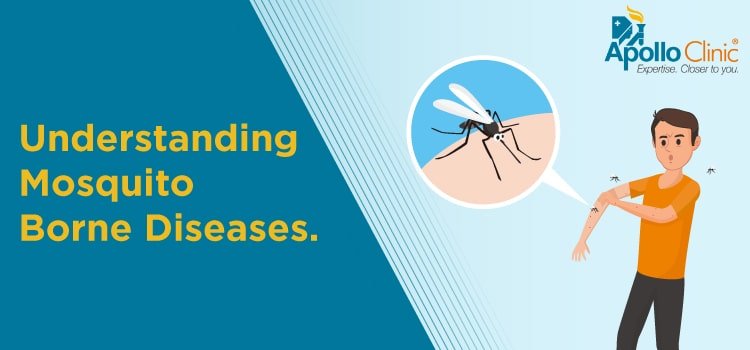
Mosquito-borne diseases are a significant public health concern worldwide. These diseases are transmitted to humans through the bite of infected mosquitoes, which act as vectors for the pathogens. Mosquito-borne diseases can cause a wide range of symptoms, from mild to severe, and some can even be fatal if left untreated. Understanding these diseases is essential for effective prevention, diagnosis, and treatment.

What are Mosquito-borne Diseases?
Mosquito-borne diseases are illnesses caused by pathogens that are transmitted to humans through the bite of infected mosquitoes. These diseases are prevalent in tropical and subtropical regions where mosquitoes thrive. The pathogens responsible for these diseases include viruses, parasites, and bacteria. While different types of mosquitoes can transmit these diseases, certain species are known to be particularly efficient vectors.
Types of Mosquito-borne Diseases
There are several types of mosquito-borne diseases that pose a threat to human health. These diseases can be classified into different categories based on the pathogens involved. The most common types of mosquito-borne diseases include Malaria, Dengue, Zika Virus, Chikungunya, Yellow Fever, West Nile Virus, Japanese Encephalitis, Filariasis, Rift Valley Fever, and Eastern Equine Encephalitis. Each disease has its own unique characteristics, symptoms, and geographical distribution.
Global Impact of Mosquito-borne Diseases
Mosquito-borne diseases have a significant global impact, affecting millions of people every year. These diseases are particularly prevalent in developing countries with limited resources for healthcare and vector control. The burden of mosquito-borne diseases is highest in regions where poverty, inadequate sanitation, and lack of access to healthcare are common. Apart from the human suffering caused by these diseases, they also have a considerable economic and social impact in affected communities.
Life Cycle of Mosquitoes
To understand how mosquitoes transmit diseases, it is important to know about their life cycle. Mosquitoes undergo a complete metamorphosis, consisting of four distinct stages: egg, larva, pupa, and adult. The life cycle begins when a female mosquito lays her eggs in stagnant water. The eggs hatch into larvae, which then develop into pupae. Finally, the adult mosquitoes emerge and are ready to seek a blood meal, during which they can transmit diseases if they are infected.
Mosquito Species that Transmit Diseases
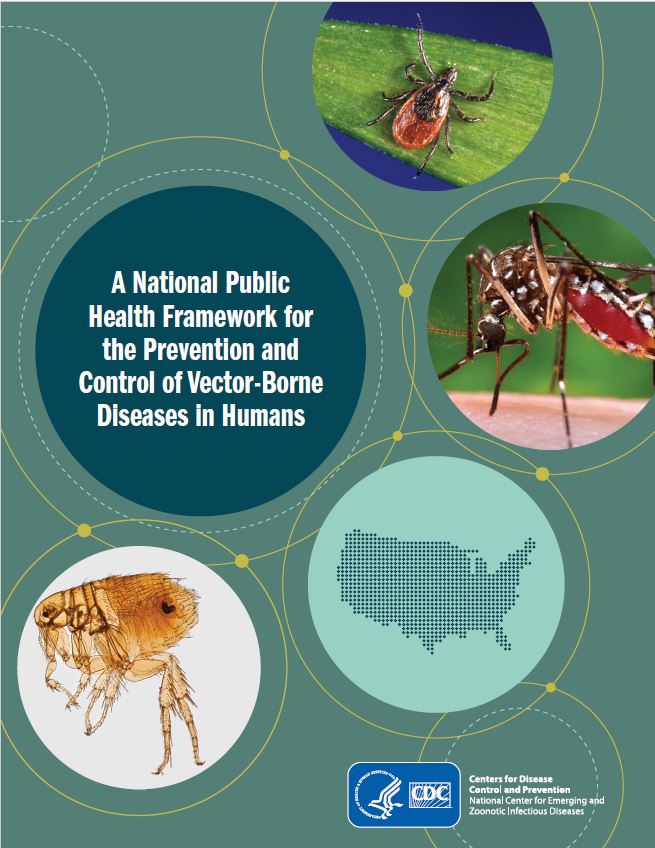
Not all species of mosquitoes transmit diseases. However, certain species have a higher capacity to transmit pathogens to humans. The Aedes, Anopheles, and Culex mosquitoes are the main culprits when it comes to transmitting mosquito-borne diseases. Aedes mosquitoes are responsible for transmitting diseases like Dengue, Zika Virus, and Chikungunya. Anopheles mosquitoes are the primary vectors for Malaria, while Culex mosquitoes are known to transmit diseases such as West Nile Virus and Japanese Encephalitis.
Common Mosquito-borne Diseases
Some mosquito-borne diseases are more prevalent and well-known compared to others. Malaria is one of the most significant mosquito-borne diseases globally, affecting millions of people each year, mainly in Africa. Dengue fever, Zika Virus, Chikungunya, Yellow Fever, West Nile Virus, and Japanese Encephalitis are also common mosquito-borne diseases that can cause outbreaks in different parts of the world. The prevalence and impact of these diseases vary depending on the geographical region and environmental conditions.

Symptoms of Mosquito-borne Diseases
The symptoms of mosquito-borne diseases can vary depending on the specific disease and the individual’s immune response. However, there are some general symptoms that may indicate the presence of a mosquito-borne disease. These include fever, headache, muscle and joint pain, fatigue, rash, and swollen lymph nodes. Disease-specific symptoms may also manifest, such as severe complications in the case of Malaria or neurological symptoms in diseases like West Nile Virus or Japanese Encephalitis.
Diagnosis and Treatment of Mosquito-borne Diseases
The diagnosis of mosquito-borne diseases involves various laboratory tests, depending on the specific disease suspected. These tests can include blood tests, molecular diagnostics, or serological assays to detect the presence of the pathogen or antibodies produced by the immune system. Treatment for mosquito-borne diseases depends on the specific disease and can range from antimalarial drugs for Malaria to supportive care for viral diseases. Early diagnosis and prompt treatment are crucial to prevent complications and improve outcomes.

Prevention and Control of Mosquito-borne Diseases
Preventing mosquito bites is the most effective way to prevent mosquito-borne diseases. This can be achieved through various measures such as using insect repellents, wearing protective clothing, and sleeping under bed nets treated with insecticides. Additionally, eliminating mosquito breeding sites, such as standing water, and implementing vector control strategies, like larviciding and insecticide spraying, can help reduce mosquito populations and the transmission of diseases. Community engagement and education are vital for successful prevention and control efforts.
Impact of Climate Change on Mosquito-borne Diseases
Climate change can have a significant impact on mosquito-borne diseases. Rising temperatures, changes in rainfall patterns, and extreme weather events can affect mosquito habitats and the distribution of mosquito species. As a result, the geographic range of certain diseases may expand, exposing new populations to the risk of infection. Climate change can also influence the transmission dynamics of mosquito-borne diseases, affecting the timing and intensity of outbreaks. Adaptation measures, including improved surveillance and mosquito control strategies, are crucial in mitigating the impact of climate change on these diseases.
In conclusion, understanding mosquito-borne diseases is essential for effective prevention, diagnosis, and treatment. These diseases pose a significant global health burden, impacting millions of people each year. By implementing comprehensive strategies for mosquito control, promoting awareness, and investing in research and development, we can reduce the impact of mosquito-borne diseases and protect the health and well-being of communities worldwide. Stay informed and take the necessary precautions to safeguard yourself and your loved ones from these diseases.