
It’s time to sit down and catch your breath, because there has been a startling development on the horizon. Brace yourself for the breaking news: a new Mpox variant has emerged, causing quite a stir and raising concerns among experts and the general public alike. This mysterious Monkeypox variant has quickly gained attention, leaving everyone on edge and eager for more information. In this article, we will shed light on the latest updates surrounding this unsettling discovery, and delve into the implications it may have on our lives. So, hold onto your seat as we unravel the story behind this emerging threat, and equip you with the knowledge to navigate these uncertain times with caution and awareness.

Background on Monkeypox and its variants
Monkeypox is a viral disease that belongs to the same family as smallpox and chickenpox. It was first identified in 1958 when outbreaks occurred among monkeys kept for research purposes. Later, it was discovered that humans could also become infected, resulting in the transmission of the disease from animals to humans. Monkeypox is primarily found in forested regions of Central and West Africa.
Overview of Monkeypox and its transmission
Monkeypox is primarily transmitted to humans through direct contact with infected animals, such as monkeys, rodents, or other mammals. The virus can be transmitted through various routes, including respiratory droplets, direct contact with bodily fluids, or through contaminated objects. Human-to-human transmission can occur through close contact with infected individuals, such as through respiratory droplets or contact with skin lesions.
Previous variants of Monkeypox
Over the years, various variants of Monkeypox have been identified, each with its own unique characteristics. These variants have demonstrated different levels of transmissibility and severity in infected individuals. Previous variants of Monkeypox include Central African, West African, and Congo Basin variants, each associated with specific regions where the outbreaks have occurred.
Impact and spread of Monkeypox variants
Monkeypox outbreaks have had a significant impact on public health, particularly in areas where the disease is endemic. The affected individuals often experience a range of symptoms, including fever, rash, and swollen lymph nodes. While most cases are self-limiting and resolve within several weeks, severe cases can occur, leading to complications such as pneumonia.
Discovery and identification of the new Mpox variant
Initial reports and suspicions
Recently, reports of a new variant of Monkeypox, named Mpox, emerged, raising concerns within the scientific community. Initial reports highlighted an increase in the number of Monkeypox cases in several regions known for previous outbreaks. Healthcare workers and researchers started noticing some variations in the clinical presentation and transmissibility of the new cases, leading to suspicion of a new variant.
Laboratory testing and confirmation
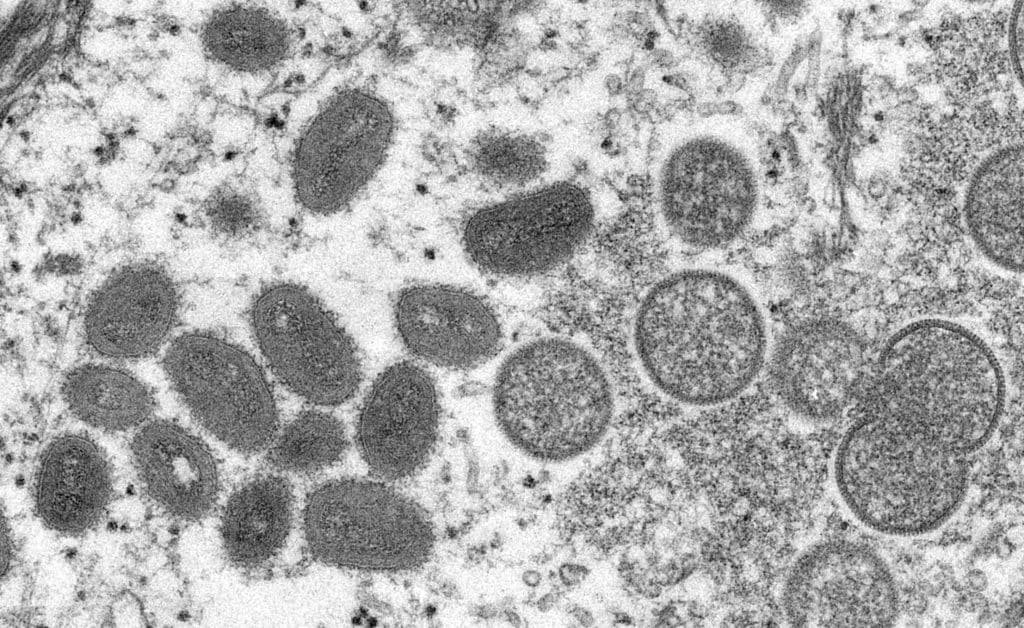
To confirm the existence of a new variant, extensive laboratory testing was conducted on samples collected from patients exhibiting symptoms consistent with Monkeypox. These tests aimed to identify any genetic variations that could differentiate the new variant from previously known variants. Through these rigorous testing procedures, the presence of a distinct variant, later named Mpox, was confirmed.
Genetic analysis of the Mpox variant
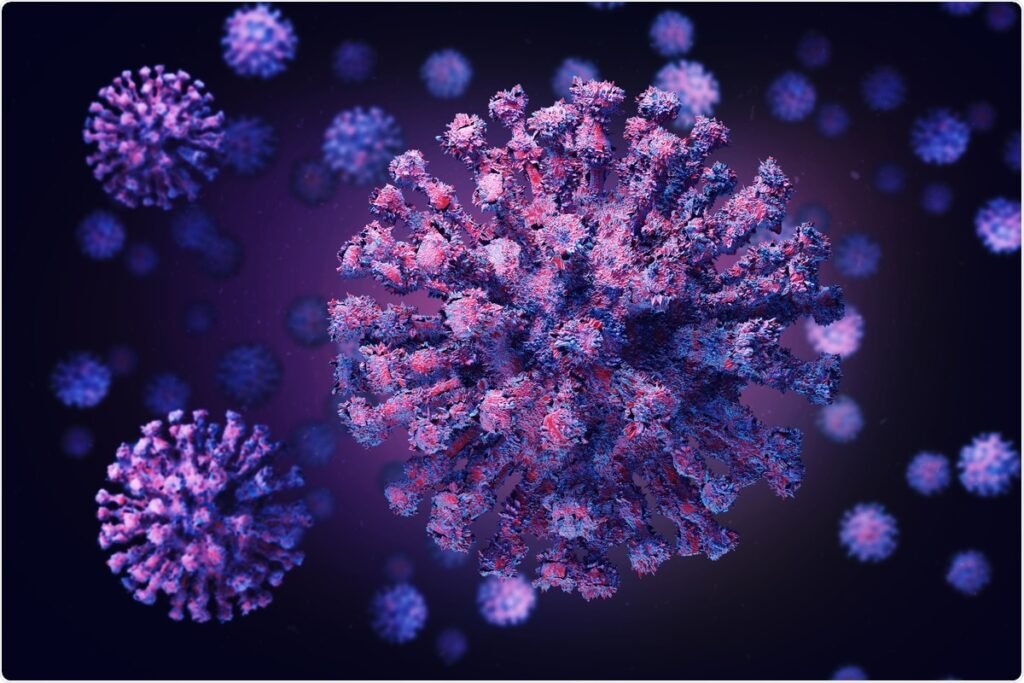
Further analysis of the Mpox variant’s genome revealed several genetic variations that distinguish it from previous Monkeypox variants. These variations are significant in understanding the characteristics and behavior of the virus. Genetic analysis provides crucial insights into how the Mpox variant spreads, its potential impact on public health, and the potential effectiveness of existing preventive measures, such as vaccines.
Characteristics and symptoms of the Mpox variant
Distinctive features of the Mpox variant
The Mpox variant has shown some unique features that differentiate it from previous Monkeypox variants. One distinctive feature is an increased transmissibility, which raises concerns about the potential for wider and more rapid spread among humans. Moreover, early reports suggest that the Mpox variant may have an increased ability to infect individuals who have previously been vaccinated against Monkeypox.
Comparison with previous Monkeypox variants
Comparisons between the Mpox variant and previous Monkeypox variants have revealed significant differences. While Monkeypox outbreaks caused by previous variants have been relatively contained, the emergence of the Mpox variant has raised concerns due to its potential for increased transmissibility and higher rates of severe illness. These differences emphasize the need for heightened surveillance and effective control strategies to mitigate the impact of the Mpox variant.
Common symptoms observed in infected individuals
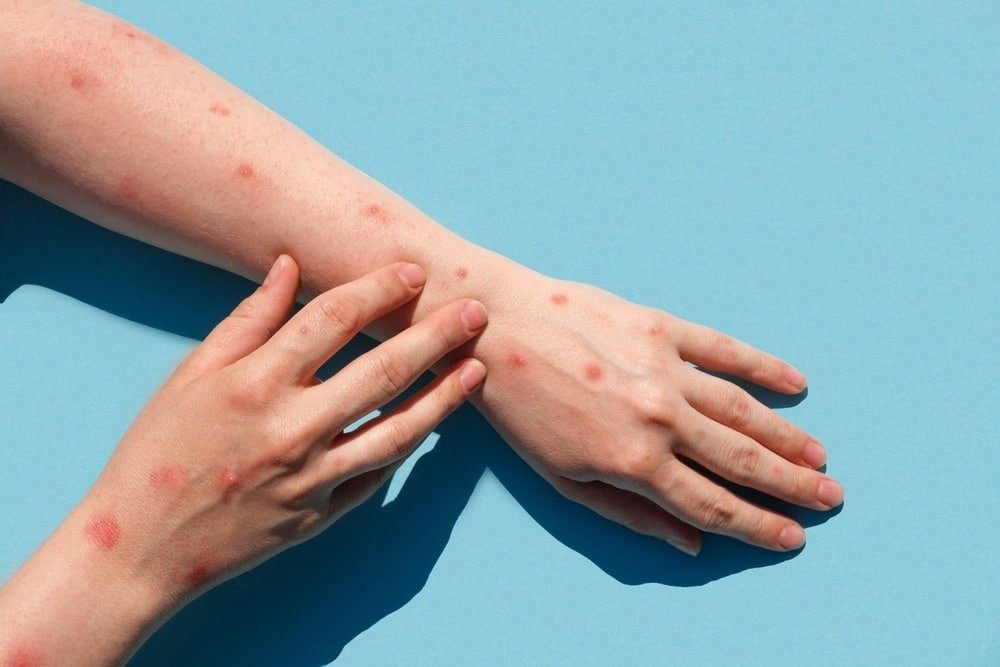
Like previous Monkeypox variants, individuals infected with the Mpox variant may experience symptoms such as fever, headache, muscle aches, and a characteristic rash. However, reports suggest that the illness caused by the Mpox variant may be more severe and have a higher likelihood of complications. This highlights the importance of early detection and prompt medical intervention to ensure the best possible outcomes for affected individuals.
Concerns and challenges posed by the Mpox variant
Increased transmissibility of the Mpox variant
One of the primary concerns associated with the Mpox variant is its increased transmissibility. This heightened transmissibility raises the risk of larger outbreaks and challenges the effectiveness of existing public health measures and strategies. The ability of the Mpox variant to spread more easily among individuals makes it crucial to adopt proactive measures to prevent and control its further transmission.
Potential impact on public health
The potential impact of the Mpox variant on public health is a significant concern. The emergence of a more transmissible and potentially more severe variant of Monkeypox could lead to increased hospitalizations, strain healthcare systems, and pose a significant burden on affected communities. It is essential to recognize and address the potential consequences to ensure effective management and protection of public health.
Current vaccination effectiveness against the Mpox variant
The effectiveness of existing Monkeypox vaccines against the Mpox variant is currently being investigated. Early indications suggest that the Mpox variant might exhibit reduced efficacy of existing vaccines, posing challenges in controlling the spread of the disease. However, ongoing research and development efforts aim to evaluate the effectiveness of alternative vaccination strategies and the potential need for the development of targeted vaccines specifically designed to combat the Mpox variant.
Preventive measures and control strategies
Enhanced surveillance and monitoring
In response to the emergence of the Mpox variant, it is crucial to strengthen surveillance and monitoring efforts. Timely detection and reporting of suspected cases can facilitate early intervention and prevent further transmission. Enhanced surveillance allows for the tracking of the spread and evolution of the Mpox variant, providing valuable insights necessary for implementing targeted control strategies.
Isolation and treatment of infected individuals
Isolating and treating infected individuals is a critical component of controlling the spread of the Mpox variant. Prompt identification, isolation, and appropriate medical care not only prevent further transmission but also improve the outcomes for affected individuals. Healthcare facilities must be adequately prepared to handle potential increases in cases and provide the necessary support and treatment.
Development of targeted vaccines for the Mpox variant
Given the concerns regarding the effectiveness of existing vaccines against the Mpox variant, efforts are underway to develop targeted vaccines specifically tailored to combat this new variant. Research and development efforts focus on understanding the genetic characteristics of the Mpox variant and identifying potential target areas for vaccine development. These tailored vaccines would enhance the effectiveness of control measures and play a crucial role in mitigating the impact of the Mpox variant.
Strategies for public awareness and education
Providing accurate and up-to-date information
Public awareness and education are key components of preventing and controlling the spread of the Mpox variant. It is essential to provide accurate, up-to-date information about the characteristics, symptoms, and preventive measures related to the Mpox variant. Clear and concise communication through various channels, such as television, radio, social media, and community outreach programs, ensures that individuals have access to reliable information.
Promoting hygiene practices and personal protection
Effective hygiene practices and personal protection measures play a vital role in preventing the spread of the Mpox variant. Encouraging individuals to practice regular handwashing, use hand sanitizers, and maintain cleanliness in their surroundings can significantly reduce the risk of transmission. Additionally, promoting the use of personal protective equipment, such as face masks and gloves, can further minimize the risk of exposure to the virus.
Collaboration with healthcare providers and community leaders
Collaboration between healthcare providers, community leaders, and public health agencies is crucial in raising awareness and facilitating preventive measures. Healthcare providers play a central role in disseminating accurate information and addressing concerns within their communities. Community leaders can leverage their influence to promote adherence to public health guidelines and encourage individuals to seek appropriate healthcare when needed.
International response and collaboration
Coordination among global health organizations
In response to the emergence of the Mpox variant, global health organizations, such as the World Health Organization (WHO), are coordinating efforts to address the situation effectively. Collaboration and coordination among these organizations facilitate the exchange of information, sharing of best practices, and the development of standardized guidelines to control the spread of the Mpox variant on an international scale.
Sharing of information and research findings
The sharing of information and research findings among scientists and healthcare professionals is vital in understanding and responding to the Mpox variant. Rapid dissemination of scientific knowledge enables researchers and policymakers to make informed decisions and develop effective strategies. Open communication channels and transparent sharing of data contribute to a more comprehensive understanding of the Mpox variant and enhance international cooperation.
Assistance to affected regions in controlling the Mpox variant
Countries and regions affected by the Mpox variant require support and assistance in developing and implementing strategies to control the spread of the disease. International organizations, together with governments and healthcare agencies, can provide expertise, resources, and financial aid to affected regions. This assistance is crucial in mitigating the impact of the Mpox variant and protecting the health and well-being of affected populations.
Potential future developments and outlook
Possible mutations and evolution of the Mpox variant
Viruses, including the Mpox variant, have the potential to mutate and evolve over time. Ongoing genetic analysis and monitoring of the Mpox variant are necessary to identify any potential mutations that may contribute to changes in transmissibility, severity, or response to existing preventive measures. This active surveillance allows for timely adjustments in control strategies and ensures preparedness for any future developments.
Long-term consequences on global health
The emergence of the Mpox variant raises concerns about the long-term consequences on global health. The potential for increased transmissibility and severity of the Mpox variant may lead to significant impacts on public health systems, economies, and social well-being. Addressing these long-term consequences requires sustained efforts in prevention, research, and collaboration at both national and international levels.
Research and development efforts for improved prevention and control
Research and development efforts are crucial in improving prevention and control strategies for the Mpox variant. Continuous investment in scientific research enables the understanding of the virus’s behavior, transmission patterns, and potential vulnerabilities. These insights drive the development of improved diagnostic tools, vaccines, and treatments, ultimately enhancing the ability to prevent and control future outbreaks of the Mpox variant.
Recommendations for individuals and communities
Importance of vaccination and regular healthcare check-ups
Individuals and communities should recognize the importance of vaccination and regular healthcare check-ups in preventing and controlling the Mpox variant. Adherence to vaccination schedules ensures optimal protection against Monkeypox and reduces the risk of severe illness. Additionally, regular healthcare check-ups enable early detection of any potential symptoms or indicators of infection, facilitating prompt medical intervention.
Adherence to public health guidelines and recommendations
Adherence to public health guidelines and recommendations is crucial in preventing the spread of the Mpox variant. Individuals should maintain good hygiene practices, such as regular handwashing, practicing respiratory etiquette, and wearing appropriate personal protective equipment when necessary. Following guidelines regarding travel restrictions, social distancing, and gathering limitations also contribute to reducing the risk of transmission.
Support and solidarity within communities
Communities affected by the Mpox variant should come together in support and solidarity. By supporting one another, individuals and communities can navigate the challenges posed by the Mpox variant more effectively. Ensuring access to necessary resources, providing emotional support, and fostering a sense of unity contribute to the overall resilience and collective response to the Mpox variant.
Conclusion
The emergence of the Mpox variant of Monkeypox raises significant concerns for public health. The increased transmissibility and potential for more severe illness emphasize the need for proactive measures and international cooperation. Through enhanced surveillance, targeted vaccines, and collaboration among global health organizations, it is possible to control and contain the Mpox variant. With the support of individuals and communities, along with continuous research and development efforts, there is hope for effective prevention and control of the Mpox variant, safeguarding global health and well-being.