
Have you ever experienced that burning sensation in your chest after a meal? You’re not alone. Acid reflux is a common issue many people face, and adjusting your diet can make a huge difference in managing it. In this guide, you’ll find everything you need to know to tailor your eating habits for better digestion.

Understanding Acid Reflux
Acid reflux occurs when stomach acid backs up into your esophagus, leading to symptoms like heartburn, regurgitation, and discomfort. If left unmanaged, chronic acid reflux can lead to more serious health issues, including esophagitis, Barrett’s esophagus, and even esophageal cancer. Luckily, a thoughtful diet can alleviate many of these symptoms.
Symptoms of Acid Reflux
Before you can effectively manage acid reflux through diet, it’s essential to recognize its symptoms:
- Heartburn: A burning sensation in the chest after eating.
- Regurgitation: Sour or bitter-tasting acid backing up into your throat or mouth.
- Dysphagia: Difficulty swallowing.
- Chronic cough: A persistent cough that might worsen at night.
- Sore throat: A feeling of a lump in your throat, which can be uncomfortable.
These symptoms can vary in intensity, but knowing them can help you identify when you’re experiencing acid reflux and what might trigger it.
Best Foods for Acid Reflux
What you eat has a significant impact on your acid reflux symptoms. Here’s a breakdown of some of the best food choices you can make.
Fruits
Bananas: They are low in acidity, which makes them a safe choice. Eating bananas can help coat your stomach and neutralize stomach acid.
Melons: Variety like cantaloupe and honeydew are also less acidic and can help relieve heartburn symptoms.
Apples: Just like bananas, apples are gentle on the stomach and can help balance out acidity.
Table of Fruits to Consume:
| Fruit | Benefits |
|---|---|
| Bananas | Low acidity, coats the stomach |
| Melons | Hydrating and low in acid |
| Apples | Neutralizes acidity |
Vegetables
Leafy Greens: Spinach, kale, and lettuce can help neutralize stomach acid and are rich in vitamins and minerals.
Broccoli: High in fiber, this vegetable also contains compounds that may promote good digestion.
Asparagus and Green Beans: Both are low in acidity and great for adding variety to your meals.
Table of Vegetables to Consume:
| Vegetable | Benefits |
|---|---|
| Leafy Greens | Neutralizes acidity, nutrient-rich |
| Broccoli | High in fiber, supports digestion |
| Asparagus | Low acidity, enhances meal variety |
Grains
Oatmeal: A great breakfast option, oatmeal can absorb stomach acid and reduce symptoms.
Brown Rice: This whole grain is gentle on your stomach and provides essential nutrients without adding acid.
Whole Grain Bread: Making choices like whole wheat or whole grain can lead to better digestion compared to white bread.
Table of Grains to Consume:
| Grain | Benefits |
|---|---|
| Oatmeal | Absorbs acid, reduces symptoms |
| Brown Rice | Gentle on the stomach |
| Whole Grain Bread | Better digestion and nutrient-rich |
Proteins
Lean Meats: Skinless chicken and turkey are excellent low-fat protein options that won’t trigger acid reflux.
Fish: Fatty fish like salmon provide healthy fats and contain omega-3s, which can reduce inflammation.
Eggs: While egg whites are lean and advisable, be cautious with yolks, as they may increase symptoms for some individuals.
Table of Proteins to Consume:
| Protein | Benefits |
|---|---|
| Lean Meats | Low-fat, less likely to trigger reflux |
| Fish | Healthy fats, anti-inflammatory |
| Egg Whites | Low in fat, gentle on stomach |

Foods to Avoid with Acid Reflux
Now that you know what to eat, it’s equally important to understand what to steer clear of. Some foods can exacerbate your symptoms.
Spicy Foods
Chili peppers, hot sauces, and other spicy condiments can irritate the esophagus and worsen reflux. It’s best to avoid these, especially before bed.
Citrus Fruits
Fruits like oranges, grapefruits, and lemons are highly acidic and can aggravate symptoms of acid reflux.
Tomatoes
Tomato-based products, such as sauces, can also be a common trigger due to their acidity.
Table of Foods to Avoid:
| Food | Reason for Avoidance |
|---|---|
| Spicy Foods | Can irritate the esophagus |
| Citrus Fruits | Highly acidic, exacerbates symptoms |
| Tomatoes | High acidity, common reflux trigger |
Meal Timing and Portion Control
What you eat matters, but when and how much you eat can also play a crucial role in managing acid reflux.
Meal Timing
-
Eat Smaller Meals: Opt for smaller, more frequent meals instead of three large ones. This can help prevent excessive pressure on your stomach.
-
Avoid Late Night Snacks: Try to finish eating at least two to three hours before bedtime. This gives your body time to digest before you lie down.
Portion Control
- Mind the Size: Eating large portions can put extra pressure on your stomach. Keep portions reasonable and be mindful of your hunger cues.

Lifestyle Changes to Consider
Food is just one aspect of managing acid reflux. Some lifestyle changes can significantly impact your symptoms as well.
Maintain a Healthy Weight
If you are overweight, losing even a small amount of weight can alleviate pressure on your stomach, reducing symptoms like heartburn.
Stay Upright After Eating
Try to remain in an upright position for at least two to three hours after a meal. This position allows gravity to assist in keeping the stomach acid where it belongs.
Wear Comfortable Clothing
Tight clothing can compress your abdomen, exacerbating acid reflux symptoms. Opt for looser-fitting clothing to stay comfortable throughout the day.
Avoid Tobacco and Alcohol
Both tobacco and alcohol can increase acid production and relax the lower esophageal sphincter, which can lead to heartburn. Cutting these from your diet can offer relief.
Importance of Hydration
Drinking plenty of water can also help dilute stomach acid and aid in digestion. However, it’s best to drink water in moderation during meals rather than chugging large amounts all at once, as this can create pressure in your stomach.
How to Hydrate Effectively
-
Sips Over Gulping: Take small sips throughout the day to keep hydrated without overwhelming your stomach.
-
Infused Water: Try infusing your water with herbs (like mint) or low-acid fruits (like watermelon) for flavor, which can encourage you to drink more.
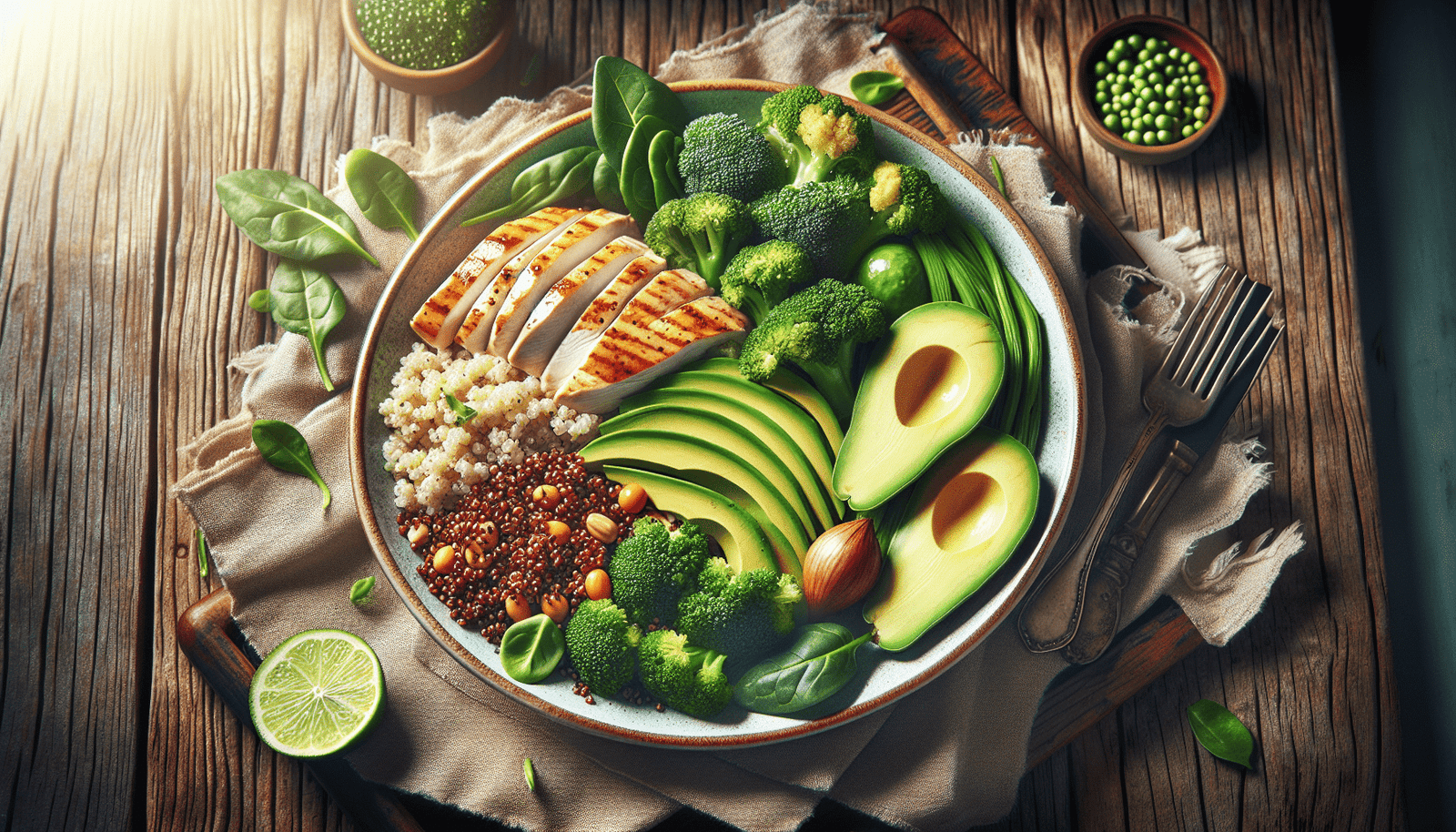
Incorporating Probiotics
Probiotics are beneficial bacteria that can aid in digestion and overall gut health. They can be especially helpful for those experiencing acid reflux symptoms.
Foods Rich in Probiotics
-
Yogurt: Look for non-fat, low-sugar options with live active cultures.
-
Kefir: This fermented dairy product is packed with probiotics and can be a tasty addition to smoothies.
-
Fermented Vegetables: Sauerkraut and kimchi can be beneficial as well, but ensure they are low in acidity.
Benefits of Probiotics
Incorporating probiotics into your diet can help regulate digestion, potentially reducing symptoms related to acid reflux. Keeping gut flora balanced can make a significant difference.
Combining Foods for Acid Reflux Relief
Sometimes, combining foods can enhance their benefits. Here are some pairings you might enjoy.
Oatmeal with Bananas
Start your day with a bowl of oatmeal topped with sliced bananas. This combination is filling, nutritious, and packs a punch against acid reflux.
Green Smoothies
Blend spinach or kale with non-citrus fruits like bananas and berries for a refreshing drink that’s easy on the stomach.
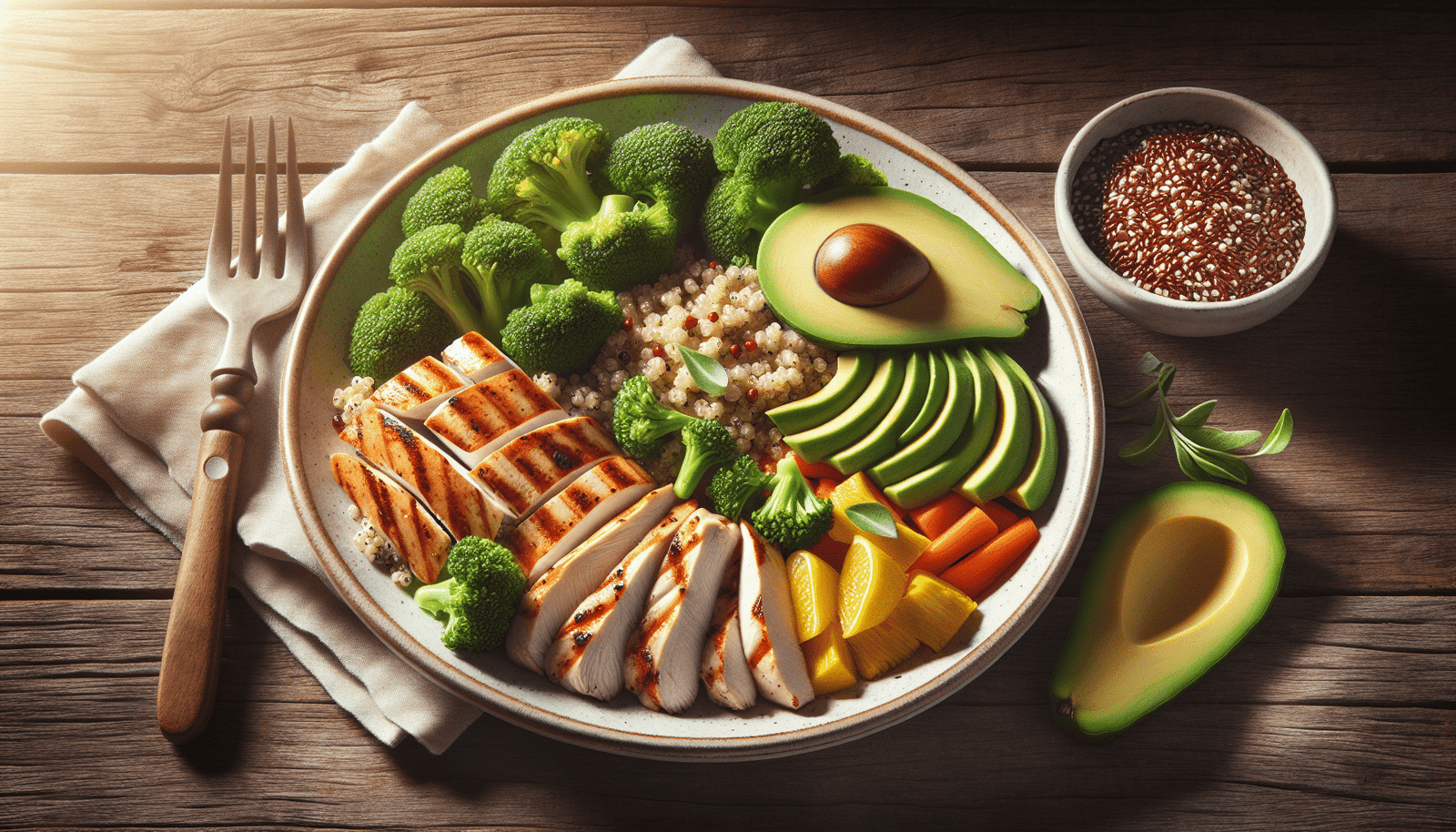
Lean Proteins with Veggies
Pairing lean meats with vegetables not only creates a balanced meal but also keeps you feeling full without aggravating your reflux.
Keeping a Food Diary
One of the best ways to understand your individual triggers is by keeping a food diary. Note what you eat and how you feel afterward. Over time, you’ll likely notice patterns that can inform your dietary choices.
What to Include in Your Diary
-
Meals and Snacks: Record everything you eat, including portion sizes.
-
Symptoms: Take note of any acid reflux symptoms and their intensity.
-
Consider Timing: Document when you eat to see if meal timing plays a role in your symptoms.
Consulting a Healthcare Professional
If your acid reflux symptoms persist despite dietary changes, consulting a healthcare professional is essential. They can provide personalized advice, recommend medication, or investigate underlying conditions contributing to your symptoms.
When to Seek Help
If you experience any of the following, it’s a good idea to consult with a doctor:
- Symptoms that worsen or don’t improve.
- Difficulty swallowing or persistent nausea.
- Unexplained weight loss.
Conclusion
Managing acid reflux through diet doesn’t have to be overwhelming. By choosing the right foods, practicing mindful eating habits, and incorporating some lifestyle changes, you can significantly reduce your symptoms and enjoy a better quality of life. Remember, listening to your body is key; what works for one person may not work for another, so take the time to find what suits you best.