
Have you ever experienced that uncomfortable burning sensation in your chest after eating? If so, you might be dealing with acid reflux, a common issue that many people face. The good news is that your diet can play a significant role in managing your symptoms. Let’s talk about the foods that can help soothe your stomach and keep acid reflux at bay.

Understanding Acid Reflux
Before we get into the foods you should eat, it’s important to understand what acid reflux is. Acid reflux occurs when stomach acid flows back into the esophagus, the tube that connects your mouth to your stomach. This backflow can cause irritation and discomfort, leading to symptoms such as heartburn, regurgitation, and difficulty swallowing.
Common Symptoms
You might be familiar with these symptoms, but let’s quickly summarize them:
- Heartburn: A burning sensation in the chest, usually after meals or when lying down.
- Regurgitation: The sensation of acid backing up into your throat or mouth.
- Dysphagia: Difficulty swallowing, which may feel like food is stuck in your throat.
Knowing these symptoms can help you identify if you are experiencing acid reflux, and understanding them aids in managing your diet better.
Foods That Help Calm Acid Reflux
When it comes to managing acid reflux, certain foods can be your best allies. Let’s explore some of these foods that not only help you feel better but are also tasty and easy to incorporate into your meals.
Vegetables
Vegetables are generally low in fat and sugar, making them a great choice for acid reflux. They are also rich in essential nutrients and fiber, which help with digestion. Here are some vegetables that you might want to add to your plate:
- Leafy Greens: Spinach, kale, and collard greens are all excellent choices. They are alkaline and can neutralize stomach acid.
- Broccoli: High in fiber and nutrients, broccoli is a fantastic addition to any meal.
- Cucumbers: Their high water content makes cucumbers a soothing option for your stomach.
- Asparagus: This veg is not only nutritious but also works well to reduce acidity.
Fruits
Fruits can be tricky, as some are more acidic than others. However, there are plenty of fruits that can help manage your acid reflux.
- Bananas: Naturally low in acid, bananas can coat the stomach lining and help ease discomfort.
- Melons: Watermelon, cantaloupe, and honeydew are all excellent options due to their alkaline properties.
- Apples: Eating fresh apples may help neutralize stomach acid.
- Pears: Like apples, pears are low-acid fruits that can provide relief.
Whole Grains
Whole grains are a good source of fiber, which can assist with digestion and help prevent acid buildup. Consider incorporating these options:
- Oatmeal: Filling and comforting, oatmeal can absorb excess acid in your stomach.
- Brown Rice: This option is gentle on your stomach and serves as a great base for meals.
- Whole Grain Bread: Choose whole grain over white bread to increase your fiber intake.
Lean Proteins
High-fat foods can worsen acid reflux, so opting for lean protein sources can keep your symptoms in check. Here are some lean protein sources to consider:
- Skinless Poultry: Chicken and turkey are low in fat and can be prepared in various ways.
- Fish: Consider baking or steaming fish, especially those that are rich in omega-3 fatty acids.
- Tofu: This soy-based protein is versatile and packs a nutritional punch.
Healthy Fats
While fatty foods can trigger reflux, certain healthy fats can actually benefit you. Incorporating these into your diet in moderation can provide health benefits:
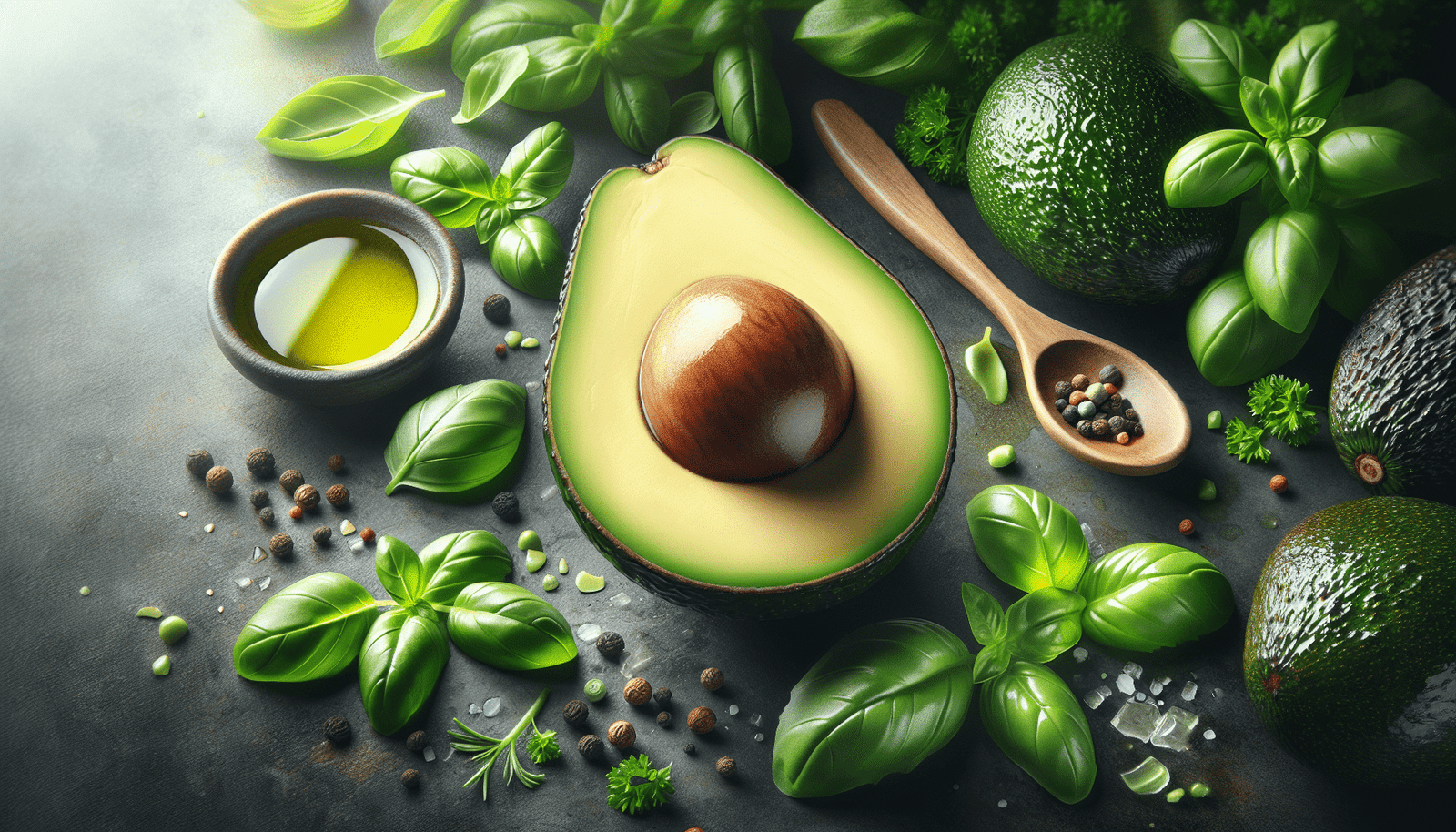
- Avocado: High in healthy monounsaturated fats, avocados can be a great addition to salads or smoothies.
- Nuts and Seeds: Almonds, walnuts, and flaxseeds are nutritious and can provide healthy fats.
- Olive Oil: Use this healthy oil as a dressing or in cooking instead of butter.
Herbal Teas
Herbal teas can be soothing for the digestive tract and are often caffeine-free. Here are a few you might consider:
- Ginger Tea: Known for its anti-inflammatory properties, ginger tea can help ease nausea and stomach upset.
- Chamomile Tea: This calming tea can help reduce stress and anxiety, which are often linked to acid reflux.
- Licorice Root Tea: This can help increase the mucous coating in the stomach.

Foods to Avoid
While it’s important to know what to eat, it can be equally beneficial to understand what to steer clear of. Some foods can worsen your acid reflux symptoms, and avoiding them could make a significant difference in your comfort.
Spicy Foods
Spicy foods, which can include chili peppers and hot sauces, are known irritants for many people with acid reflux. They can lead to increased production of stomach acid, which might exacerbate your symptoms.
Citrus Fruits
While many fruits are beneficial, citrus fruits such as oranges, grapefruits, and lemons are highly acidic and could trigger heartburn. It’s best to limit or avoid these if you notice they cause issues.
Tomatoes
Tomatoes and tomato-based products, including marinara sauce and ketchup, can be acidic. You might want to choose alternatives or consume them in moderation.
Chocolate
Surprise! Chocolate can actually relax the esophageal sphincter, leading to increased acid reflux. If you have a sweet tooth, you might find it helpful to limit your chocolate consumption.
Coffee and Caffeinated Beverages
Caffeine can trigger symptoms in some people. If you love your morning coffee, consider switching to decaf or moderating your intake to see if it helps with your reflux.
Fried Foods
High in fat, fried foods take longer to digest and can lead to increased pressure in your stomach. Opt for baking, steaming, or grilling instead.
Meal Planning Tips
Creating a meal plan that incorporates safe foods for acid reflux can be a game-changer. Here are a few tips to help you organize your meals effectively.
Keep It Balanced
Aim for a balanced meal that includes lean proteins, whole grains, and plenty of vegetables. This will not only keep your symptoms in check but also ensure you’re getting the necessary nutrients.
Portion Control
Overeating can increase the pressure on your stomach, leading to reflux symptoms. Consider eating smaller, more frequent meals throughout the day instead of three large meals.
Stay Hydrated
Drinking plenty of water is vital for digestion. However, try to avoid large quantities during meals, as this can increase pressure and contribute to discomfort.
Mindful Eating
Take your time while eating, chew your food thoroughly, and focus on your meal. Mindful eating can reduce the likelihood of overeating and make your dining experience more enjoyable.

Lifestyle Changes to Consider
Beyond dietary changes, there are several lifestyle adjustments you can make to alleviate acid reflux symptoms.
Maintain a Healthy Weight
Excess weight can put pressure on your abdomen and contribute to acid reflux. If you’re overweight, adopting a healthier lifestyle can help reduce symptoms and improve your overall well-being.
Elevate Your Head While Sleeping
Consider elevating the head of your bed by a few inches or using a wedge pillow. This can help prevent acid from flowing back into your esophagus while you sleep.
Avoid Tight Clothing
Wearing tight-fitting clothes can put additional pressure on your stomach. Opt for loose, comfortable clothing, especially after meals.
Limit Stress
Stress is a common trigger for acid reflux. Find relaxation techniques that work for you, such as yoga, meditation, or deep breathing exercises.
When to Seek Medical Advice
While dietary and lifestyle changes can often help manage acid reflux, there are times when medical intervention may be necessary. Here are some signs that warrant a visit to your healthcare provider:
- Persistent Symptoms: If you find that your symptoms persist despite making changes to your diet and lifestyle, it’s best to consult a doctor.
- Difficulty Swallowing: If swallowing becomes increasingly painful or difficult, this could indicate a more serious condition.
- Frequent Regurgitation: If you regularly experience regurgitation accompanied by a bitter taste, it’s a good idea to seek professional help.
- Unintended Weight Loss: Losing weight unintentionally can be concerning and should be evaluated by a healthcare professional.
Conclusion
Managing acid reflux can be a journey, but there’s hope! By incorporating a variety of soothing foods into your diet and making mindful lifestyle changes, you can significantly reduce your symptoms and improve your quality of life. Remember to be patient with yourself as you experiment with different foods and habits. If you find symptoms persist, don’t hesitate to reach out to your healthcare provider for further guidance.
You have the power to take control of your diet and make choices that work for your body. With the right approach, you can enjoy meals without the worry of acid reflux creeping in and disrupting your day. Happy eating!