
You probably never realized the true extent of malnutrition in developing countries. It is a devastating issue that affects millions of people, especially children, around the world. This article aims to shed light on this pressing problem and explore the various strategies and initiatives being implemented to address malnutrition in developing countries. Together, we can learn about the importance of adequate nutrition and discover the incredible efforts being made to provide a brighter future for those affected by this global challenge.

Overview of Malnutrition
Definition of malnutrition
Malnutrition is a condition that occurs when an individual’s diet lacks the proper nutrients necessary for healthy growth and development. It is characterized by a deficiency or an excess of specific nutrients, such as proteins, vitamins, and minerals, which can have detrimental effects on the body’s overall health.
Types of malnutrition
There are two main forms of malnutrition: undernutrition and overnutrition. Undernutrition occurs when individuals do not receive enough essential nutrients, leading to stunted growth, weakened immune systems, and increased vulnerability to diseases. On the other hand, overnutrition refers to an excessive intake of nutrients, particularly unhealthy choices such as high-calorie and nutrient-poor foods, leading to conditions like obesity and related health issues.
Prevalence of malnutrition in developing countries
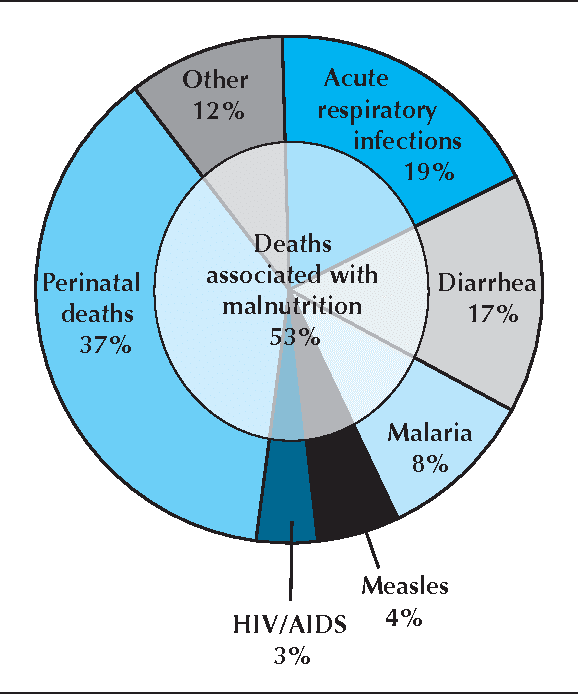
Malnutrition is a significant public health concern, particularly in developing countries where access to adequate food, clean water, and sanitation facilities may be limited. According to the United Nations, approximately 45% of all child deaths worldwide are attributed to undernutrition, with the majority occurring in sub-Saharan Africa and South Asia. Malnutrition also affects adults, especially women in reproductive age, leading to adverse outcomes such as low birth weight and increased maternal mortality rates.
Causes of Malnutrition
Food insecurity and poverty
One of the primary causes of malnutrition in developing countries is the lack of food security and widespread poverty. Many individuals and families in these regions struggle to afford or access nutritious food consistently. Limited financial resources and unstable food supplies result in inadequate nutrition, especially among vulnerable populations such as children and pregnant women.
Lack of access to clean water and sanitation
Inadequate access to clean water and sanitation facilities significantly contributes to malnutrition. Without clean water for drinking and food preparation, individuals are at higher risk of contracting diseases and infections. Waterborne illnesses can lead to reduced nutrient absorption in the body, further exacerbating the malnutrition crisis.
Limited healthcare services
The absence of comprehensive healthcare services, including access to preventive care and treatment for illnesses, hinders efforts to address malnutrition. Lack of healthcare professionals, facilities, and resources in developing countries means that many malnourished individuals do not receive the necessary medical attention and support to overcome their nutritional deficiencies.

Impact of Malnutrition
Physical consequences of malnutrition
Malnutrition has severe physical consequences on individuals of all ages. In children, it can lead to stunted growth and impaired development, making them more susceptible to infections and other diseases. In adults, malnutrition weakens the immune system, resulting in increased morbidity and mortality rates. Additionally, malnourished individuals often experience muscle wasting, fatigue, and a decreased ability to perform daily tasks.
Cognitive and developmental effects
Malnutrition greatly impairs cognitive function and hampers overall development. Children who experience malnutrition often suffer from learning disabilities, delayed language development, and lower IQ scores. The effects are not only limited to childhood; malnutrition in adulthood also affects cognitive abilities, impacting productivity and economic potential.
Socioeconomic implications
The impact of malnutrition extends beyond the individual level, significantly affecting economies and societies as a whole. Malnourished individuals are more likely to miss school or work due to illnesses and reduced energy levels, leading to decreased educational attainment and diminished productivity. As a result, countries with high rates of malnutrition may suffer from reduced economic growth and increased healthcare costs.
Barriers to Addressing Malnutrition
Lack of awareness and understanding
A significant barrier to addressing malnutrition in developing countries is the lack of awareness and understanding of its causes, consequences, and potential solutions. Many communities lack access to accurate and reliable information about nutrition, leading to misconceptions and cultural beliefs that perpetuate harmful practices and dietary choices.
Inadequate funding and resources
Insufficient funding and limited resources pose significant challenges to addressing malnutrition. Governments and organizations often struggle to allocate the necessary financial resources to implement and sustain nutrition programs. Additionally, the lack of infrastructure and healthcare facilities further hampers efforts to deliver essential nutrition interventions and provide adequate care to malnourished individuals.
Political and social challenges
Political instability, conflict, and social inequalities can hinder efforts to combat malnutrition in developing countries. These challenges can disrupt food production and distribution systems, exacerbating food scarcity and further marginalizing vulnerable populations. Additionally, cultural norms and gender inequalities may limit access to nutritious foods and healthcare services, perpetuating the cycle of malnutrition.

Government and Policy Initiatives
National nutrition policies and strategies
Governments play a crucial role in addressing malnutrition through the development and implementation of national nutrition policies and strategies. These policies should prioritize nutrition and incorporate interdisciplinary approaches that encompass agriculture, health, education, and social welfare sectors. By establishing clear objectives and guidelines, governments can improve coordination among various stakeholders and ensure sustainable solutions to malnutrition.
Development of sustainable agriculture
Promoting sustainable agriculture practices is crucial in addressing malnutrition. Governments can support small-scale farmers by providing access to improved seeds, fertilizers, and agricultural technologies. Additionally, investing in irrigation systems and infrastructure can boost agricultural productivity and increase food security, reducing the risk of malnutrition in rural communities.
Promoting breastfeeding and infant nutrition
Breastfeeding is an essential component of optimal infant nutrition and plays a significant role in preventing malnutrition. Governments should implement policies and programs that support and promote exclusive breastfeeding for the first six months of a child’s life. Additionally, they should ensure the availability of nutritious complementary foods and provide education and support to mothers, caregivers, and healthcare providers.
International Aid and Organizations
Role of international aid agencies
International aid agencies play a crucial role in addressing malnutrition in developing countries. These organizations provide financial and technical support to governments and local partners, enabling them to implement effective nutrition interventions. Aid agencies, such as the World Food Programme and UNICEF, work to improve access to nutritious food, clean water, healthcare services, and education.
Partnerships and collaborations
Addressing malnutrition requires collaboration among various stakeholders, including governments, non-governmental organizations (NGOs), academic institutions, and the private sector. Partnerships between these entities facilitate resource-sharing, the exchange of knowledge and best practices, and joint efforts to tackle the root causes of malnutrition. By working together, these collaborations can enhance the effectiveness and sustainability of nutrition interventions.
Funding and resource allocation
Sustained funding and proper resource allocation are essential to address malnutrition effectively. International aid agencies and governments should prioritize allocating adequate resources to nutrition programs, including funding for research, infrastructure development, and capacity-building initiatives. Additionally, transparent and accountable financial management is crucial to ensure that resources are utilized efficiently and reach the most vulnerable populations.

Interventions and Programs
Supplementary feeding programs
Supplementary feeding programs aim to provide additional nutrients to malnourished individuals, particularly children and pregnant women. These programs often distribute ready-to-use therapeutic foods or micronutrient-fortified supplements to prevent and treat malnutrition. By targeting high-risk groups, these interventions can address immediate nutritional needs and help prevent long-term consequences of malnutrition.
Micronutrient supplementation
Micronutrient deficiencies, such as vitamin A, iron, and iodine deficiencies, contribute to malnutrition and its associated health problems. Supplementation programs that provide essential vitamins and minerals can play a crucial role in addressing these deficiencies. Governments and aid agencies should support and promote the distribution of affordable and accessible micronutrient supplements, particularly among vulnerable populations.
Promotion of diverse and nutritious diets
Promoting diverse and nutritious diets is vital in addressing malnutrition in developing countries. Education and awareness campaigns can educate individuals and communities about the importance of consuming a balanced diet that includes a variety of fruits, vegetables, whole grains, and proteins. Additionally, initiatives that promote local food production, such as community gardens and agricultural training programs, can improve access to fresh and nutritious foods.
Community Empowerment and Education
Training and education on nutrition
Empowering individuals and communities through nutrition education is critical in addressing malnutrition. Training programs can teach individuals about healthy eating habits, food preparation, and the importance of breastfeeding and proper infant feeding practices. By equipping people with knowledge and skills, they can make informed choices regarding their nutrition and become advocates for positive change within their communities.
Engaging community leaders
Engaging community leaders, including religious figures, educators, and local authorities, is vital in driving sustainable change and addressing malnutrition effectively. These leaders can serve as role models and advocates for proper nutrition, helping to disseminate information and promote healthy practices within their communities. By mobilizing influential individuals, interventions can gain greater acceptance and reach a larger audience.
Creating sustainable change
Addressing malnutrition requires sustainable solutions that go beyond short-term interventions. Governments and organizations should focus on building the capacity of local communities and institutions. This involves training healthcare workers, strengthening infrastructure, and creating sustainable agricultural practices that can ensure long-term food security. By empowering communities and fostering their resilience, sustainable change can be achieved.
Technological Innovations
Research and development of fortified foods
Technological innovations, such as the research and development of fortified foods, offer promising solutions to malnutrition. Fortified foods are enriched with essential vitamins, minerals, and other nutrients to address specific nutritional deficiencies. By incorporating these fortified products into the food supply chain, countries can effectively reach large populations and improve overall nutritional status.
Use of mobile technology for health monitoring
Mobile technology has the potential to revolutionize health monitoring and surveillance systems, especially in remote and underserved areas. Mobile applications and SMS-based platforms can help track and monitor nutrition-related aspects, such as breastfeeding practices, growth monitoring, and nutritional counseling. These tools enable real-time data collection and analysis, facilitating more targeted interventions and improving the overall effectiveness of nutrition programs.
Biotechnology advancements
Advancements in biotechnology hold promise in addressing specific nutritional challenges. For example, innovative approaches, such as biofortification, involve breeding crops with higher nutrient content to combat micronutrient deficiencies. Using biotechnology, scientists can develop genetically modified crops that enhance nutritional value or improve resistance to pests and diseases. These innovations can significantly contribute to improving food security and nutrition in developing countries.
Success Stories and Case Studies
Effective strategies in specific countries
Numerous success stories and case studies demonstrate effective strategies in addressing malnutrition in developing countries. For instance, Brazil’s Zero Hunger Program implemented a range of interventions, including conditional cash transfers, school feeding programs, and nutrition education, resulting in significant improvements in child nutrition rates. Similarly, Bangladesh’s community-based nutrition program, involving community health workers and women’s groups, successfully reduced malnutrition rates by empowering communities and focusing on local solutions.
Partnerships leading to improved outcomes
Partnerships between governments, NGOs, and the private sector have yielded positive outcomes in addressing malnutrition. The Scaling Up Nutrition (SUN) Movement, a global initiative that brings together various stakeholders, has made significant progress in improving nutrition outcomes by promoting collaboration, policy coherence, and capacity-building efforts. Similarly, the Power of Nutrition, a public-private partnership, has mobilized resources to support nutrition interventions worldwide, demonstrating the power of collective action in tackling malnutrition.
Impact of long-term interventions
Long-term interventions focused on nutrition have demonstrated significant impacts on the reduction of malnutrition. The United Nations Children’s Fund (UNICEF) and World Health Organization’s (WHO) global campaign on breastfeeding has contributed to increased breastfeeding rates worldwide. The campaign has highlighted the importance of exclusive breastfeeding for the first six months of life, leading to improved child health and reduced malnutrition rates. By prioritizing long-term interventions, countries can achieve sustainable improvements in nutrition outcomes.
In conclusion, malnutrition remains a significant challenge in developing countries. Its causes are multifaceted, including poverty, lack of access to clean water and sanitation, and limited healthcare services. The physical, cognitive, and socioeconomic impacts of malnutrition are far-reaching, affecting individuals, communities, and entire nations. Addressing malnutrition requires multi-sectoral efforts, ranging from government policies and international aid to community empowerment and technological innovations. By implementing comprehensive strategies, investing in sustainable solutions, and promoting collaboration, the global community can make significant progress in addressing malnutrition and improving the well-being of millions of people worldwide.