
In the realm of health and well-being, it is crucial to understand the intricate link between malnutrition and chronic diseases. While malnutrition refers to the lack of essential nutrients in one’s diet, chronic diseases encompass a wide range of long-term health conditions. This article aims to shed light on how malnutrition can directly impact the development and progression of chronic diseases, emphasizing the significance of a balanced and nutritious diet in maintaining optimal health. Join us as we explore the profound relationship between malnutrition and chronic diseases, and discover the measures you can take to prevent and combat this detrimental correlation.

Overview of Malnutrition
Malnutrition refers to a state where an individual’s diet lacks essential nutrients, leading to detrimental effects on their health. It can occur due to various factors, including a lack of access to food, insufficient nutrients in the diet, digestive disorders, and metabolic disorders. Understanding the causes, consequences, and specific chronic diseases associated with malnutrition is crucial in order to address this widespread issue effectively.
Definition of Malnutrition
Malnutrition is a condition characterized by an imbalance in the intake of nutrients, resulting in an inadequate supply of essential substances required for growth, development, and maintenance of overall health. It can manifest as undernutrition, where an individual fails to consume sufficient energy and nutrients, or as overnutrition, where excessive intake of unhealthy foods leads to obesity and related health problems.
Types of Malnutrition
Malnutrition can be classified into two main types: protein-energy malnutrition (PEM) and micronutrient deficiency. PEM occurs when there is a lack of both calories and protein in the diet, leading to stunted growth, weakened immune system, and increased susceptibility to diseases. Micronutrient deficiency, on the other hand, refers to a lack of essential vitamins and minerals, such as iron, iodine, and vitamin A, causing specific deficiency disorders like anemia, goiter, and night blindness.
Causes of Malnutrition
Understanding the root causes of malnutrition is crucial in order to develop effective strategies to combat this issue. The causes of malnutrition can vary, and may include the following factors:
Lack of Access to Food
One of the primary causes of malnutrition is the lack of access to sufficient and nutritious food. Poverty, unemployment, and limited availability of affordable and nutritious food options can contribute to inadequate food intake, resulting in malnutrition. People living in food deserts, areas with limited access to grocery stores or fresh produce, are particularly vulnerable to this form of malnutrition.
Lack of Nutrients in Diet
Another common cause of malnutrition is a diet that lacks essential nutrients. This can occur when individuals heavily rely on processed and fast foods that are high in calories but low in essential vitamins, minerals, and fiber. Moreover, restrictive diets, such as those followed for weight loss purposes or due to dietary restrictions, can also lead to nutrient deficiencies if not properly planned and balanced.
Digestive Disorders
Certain digestive disorders, such as Crohn’s disease, celiac disease, and lactose intolerance, can impair the body’s ability to absorb nutrients properly. This can result in malnutrition, even if individuals consume a nutritionally adequate diet. These disorders often require careful management and dietary modifications to ensure optimal nutrient absorption and prevent malnutrition.
Metabolic Disorders
Metabolic disorders, such as diabetes, hyperthyroidism, and kidney disease, can also contribute to malnutrition. These conditions affect the body’s metabolism and nutrient utilization, leading to imbalances in nutrient uptake and utilization. Adequate medical management, including personalized dietary guidelines, is essential to prevent malnutrition in individuals with metabolic disorders.

Consequences of Malnutrition
Malnutrition can have severe consequences on an individual’s health, affecting both their physical well-being and cognitive development. Additionally, malnutrition increases the risks of various infections and can exacerbate the outcomes of chronic diseases.
Physical Health Problems
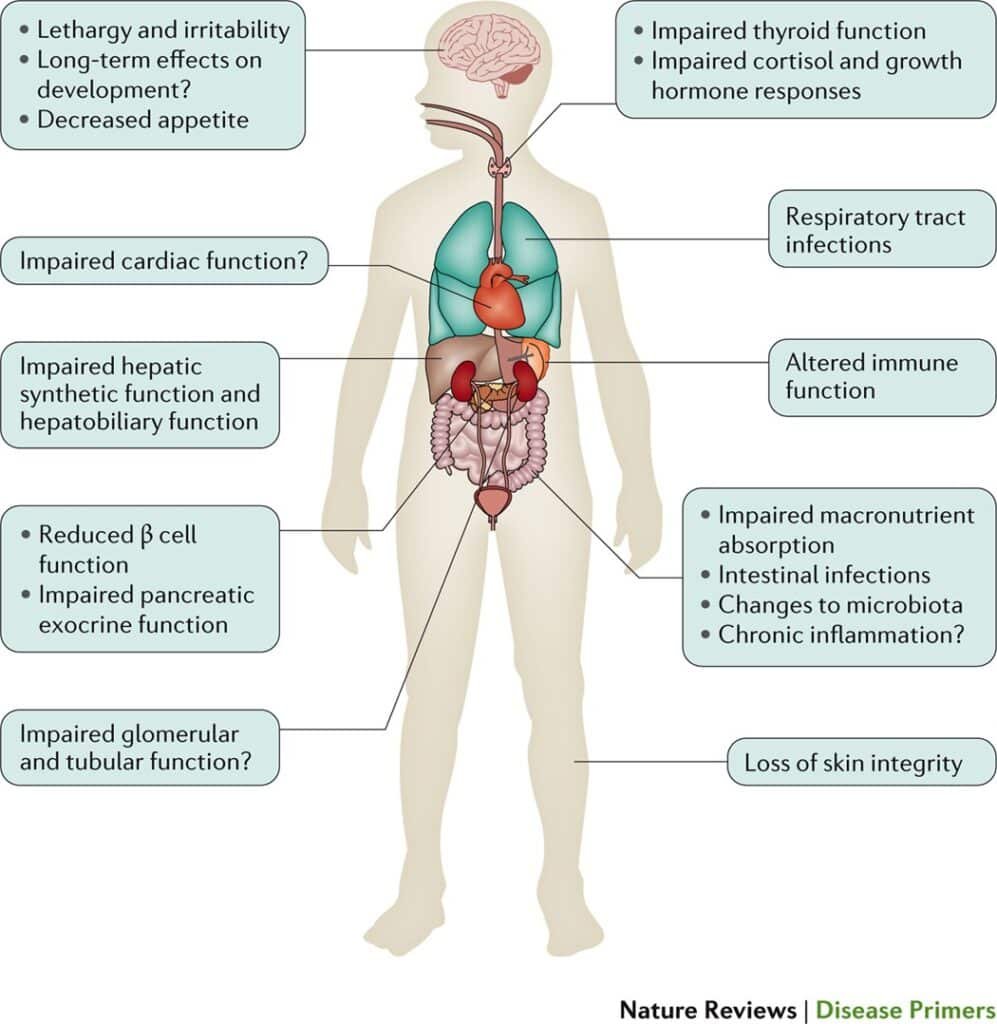
Malnutrition can lead to a range of physical health problems, including weakened immune system, muscle weakness, fatigue, and impaired wound healing. In children, malnutrition can cause growth retardation, delayed development, and increased susceptibility to infections. In adults, malnutrition can lead to weight loss, nutrient deficiencies, and increased risk of experiencing bone fractures and other complications.
Impaired Cognitive Development
Malnutrition during critical periods of growth, such as infancy and early childhood, can have long-lasting effects on cognitive development and intellectual abilities. Insufficient intake of essential nutrients, particularly during the early stages of life, can impair brain development, resulting in cognitive deficits, learning disabilities, and decreased school performance.
Increased Risks of Infections
Malnutrition weakens the immune system, making individuals more susceptible to various infections, including respiratory tract infections, gastrointestinal infections, and skin infections. Additionally, malnourished individuals are more likely to experience prolonged illness, increased severity of symptoms, and slower recovery rates, further exacerbating the risks associated with infections.
Chronic Diseases Associated with Malnutrition
Malnutrition is closely linked to the development, progression, and outcomes of several chronic diseases. The interplay between malnutrition and chronic diseases highlights the importance of addressing this issue comprehensively in order to reduce the burden of these conditions.
Cardiovascular Diseases
Research has shown a clear association between malnutrition and an increased risk of cardiovascular diseases, such as heart disease and stroke. Poor diet, low intake of fruits and vegetables, and high consumption of processed and high-fat foods contribute to the development of risk factors like hypertension, high cholesterol levels, and obesity, which are major contributors to cardiovascular diseases.
Diabetes
Malnutrition, particularly overnutrition and unhealthy dietary habits, plays a significant role in the development and management of diabetes. Consuming a diet high in refined carbohydrates, sugars, and unhealthy fats can lead to weight gain, insulin resistance, and an increased risk of developing type 2 diabetes. Conversely, individuals with diabetes may also experience malnutrition due to poor blood sugar control and dietary restrictions.
Cancer
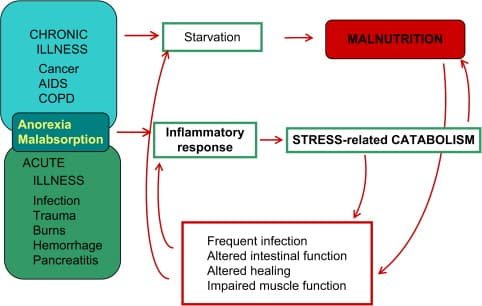
Malnutrition often accompanies cancer, with both the disease and its treatments contributing to a higher risk of malnutrition. Cancer can cause reduced appetite, nausea, and difficulty eating, leading to inadequate nutrient intake. Additionally, treatments like chemotherapy and radiation therapy can have side effects that affect digestion, absorption, and metabolism of nutrients, further exacerbating the risk of malnutrition.
Osteoporosis
Malnutrition can significantly impact bone health and increase the risk of developing conditions like osteoporosis. Insufficient intake of calcium, vitamin D, and other essential nutrients necessary for bone development and maintenance can weaken bones, leading to increased susceptibility to fractures and osteoporosis. Adequate nutrition, particularly during childhood and adolescence, is crucial for optimal bone health.
Malnutrition and Mental Health Disorders
The relationship between malnutrition and mental health is complex and interconnected. Malnutrition can both contribute to the development of mental health disorders and be worsened by existing mental health conditions. Inadequate intake of nutrients, particularly essential amino acids, vitamins, and minerals, can affect brain function, mood regulation, and overall mental well-being.
Malnutrition and Cardiovascular Diseases
Understanding the relationship between malnutrition and cardiovascular diseases is essential in order to promote heart health and prevent the development of these conditions.
Relationship between Malnutrition and Cardiovascular Diseases
Several factors contributing to malnutrition, such as unhealthy dietary habits, excess calorie intake, and nutrient deficiencies, play significant roles in the development of risk factors for cardiovascular diseases. High consumption of saturated fats, trans fats, and processed foods can lead to elevated cholesterol levels, hypertension, obesity, and insulin resistance, all of which increase the risk of heart disease and stroke.
Impact of Malnutrition on Heart Health
Malnutrition, particularly overnutrition, can have detrimental effects on heart health. Consuming an imbalanced diet that is high in unhealthy fats, added sugars, and sodium can lead to the development of atherosclerosis, a condition characterized by the build-up of plaque in the arteries. This can restrict blood flow to the heart, increasing the risk of heart attacks, heart failure, and other cardiovascular complications.
Role of Diet in Preventing Cardiovascular Diseases
A well-balanced, nutritious diet plays a crucial role in preventing cardiovascular diseases. Emphasizing the consumption of whole grains, fruits, vegetables, lean proteins, and healthy fats can help maintain healthy cholesterol levels, blood pressure, and body weight. Additionally, reducing the intake of processed foods, saturated fats, and sodium can further mitigate the risk factors associated with heart disease.
Malnutrition and Diabetes
Understanding the link between malnutrition and diabetes is essential for effective management and prevention of this chronic condition.
Link between Malnutrition and Diabetes
Unhealthy dietary habits, such as consuming excessive amounts of refined carbohydrates, sugars, and unhealthy fats, can contribute to the development of type 2 diabetes. A diet high in sugary beverages, processed snacks, and fast foods can lead to weight gain, insulin resistance, and impaired glucose control, all of which are primary factors in the development of diabetes.
Effects of Malnutrition on Blood Sugar Control
Inadequate nutrient intake and imbalanced diets can negatively impact blood sugar control in individuals with diabetes. Nutrient deficiencies can disrupt insulin production and utilization, leading to erratic blood sugar levels and difficulty in maintaining stable glycemic control. Conversely, individuals with uncontrolled diabetes may also experience malnutrition due to poor appetite, difficulties in adhering to dietary recommendations, and nutrient imbalances.
Importance of Balanced Diet for Diabetes Management
A balanced diet, tailored to meet the specific nutritional needs and blood sugar control goals of individuals with diabetes, is of utmost importance in managing this condition effectively. Emphasizing the consumption of nutrient-dense foods, such as whole grains, lean proteins, fruits, vegetables, and healthy fats, can help regulate blood sugar levels, promote weight management, and reduce the risk of diabetes-related complications.
Malnutrition and Cancer
Understanding the association between malnutrition and cancer is crucial for providing appropriate nutritional support to individuals affected by this disease.
Association between Malnutrition and Cancer
Malnutrition is commonly observed in individuals diagnosed with cancer due to various factors, including reduced appetite, difficulty swallowing or digesting food, and side effects of cancer treatments. Cancer-related malnutrition can result in weight loss, muscle wasting, and nutrient deficiencies, further compromising the overall health and well-being of individuals fighting cancer.
Effects of Malnutrition on Cancer Treatment Outcomes
Malnutrition can significantly impact the outcomes of cancer treatments. Inadequate nutrient intake weakens the immune system, impairs wound healing, and increases the risk of treatment-related complications. Malnourished individuals may experience more severe side effects from treatments like chemotherapy and radiation therapy, leading to treatment delays, reduced treatment efficacy, and lower quality of life.
Nutritional Interventions for Cancer Patients
Providing appropriate nutritional support is essential for improving treatment outcomes and quality of life for individuals with cancer. Multidisciplinary teams, including dietitians, oncologists, and nurses, can develop personalized dietary plans to ensure individuals receive adequate nutrition during and after cancer treatments. This may involve adjustments in the diet, the use of nutritional supplements, and addressing specific dietary concerns related to treatment side effects.
Malnutrition and Osteoporosis
Understanding the correlation between malnutrition and osteoporosis is crucial for preventing and managing this bone-related condition.
Correlation between Malnutrition and Osteoporosis
Malnutrition, particularly inadequate intake of calcium, vitamin D, and protein, can increase the risk of developing osteoporosis. These nutrients play a key role in bone development, maintenance, and overall bone health. Insufficient intake, combined with low physical activity levels and hormonal changes, can result in reduced bone mineral density, weakened bones, and an increased risk of fractures.
Effects of Malnutrition on Bone Health
Poor nutrition, particularly during childhood and adolescence when bones are still developing, can have long-lasting effects on bone health. Inadequate intake of essential nutrients necessary for bone formation, such as calcium and vitamin D, can impair bone growth and increase the risk of osteoporosis later in life. Older adults who experience malnutrition may also be at greater risk of falls and fractures due to weakened bones.
Nutritional Strategies for Preventing Osteoporosis
Adopting a well-balanced diet that includes foods rich in calcium, vitamin D, and other essential bone-healthy nutrients is key to preventing osteoporosis. Dairy products, leafy greens, nuts, seeds, and fortified foods are excellent sources of calcium, while exposure to sunlight and consumption of fatty fish can provide essential vitamin D. Regular weight-bearing exercises and avoiding excessive alcohol and caffeine consumption also contribute to maintaining optimal bone health.

Malnutrition and Mental Health Disorders
Understanding the interplay between malnutrition and mental health is essential for promoting overall mental well-being and preventing the development or worsening of mental health disorders.
Interplay between Malnutrition and Mental Health
Malnutrition can contribute to the development of mental health disorders and be exacerbated by existing mental health conditions. Nutrient deficiencies can impact brain chemistry and neurotransmitter production, affecting mood, cognition, and overall mental well-being. Additionally, mental health disorders like depression, anxiety, and eating disorders may lead to erratic eating patterns, nutrient imbalances, and poor nutrient absorption, further contributing to malnutrition.
Effects of Malnutrition on Mental Well-Being
Inadequate nutrient intake can negatively impact mental health and lead to increased risks of developing or worsening mental health disorders. Nutrients like omega-3 fatty acids, B vitamins, magnesium, zinc, and iron are essential for brain function and neurotransmitter synthesis. Insufficient intake of these nutrients can result in symptoms like irritability, poor concentration, low mood, and increased susceptibility to mental health disorders.
Importance of Nutrition in Mental Health Treatment
Addressing malnutrition is a crucial component of holistic mental health treatment. Combining evidence-based therapeutic interventions with proper nutrition and balanced diets can support overall mental well-being and improve treatment outcomes. Collaborative efforts between mental health professionals, dietitians, and healthcare providers can ensure individuals receive personalized nutritional support that complements their mental health treatment plan.
Preventing Malnutrition-Related Chronic Diseases
Efforts to prevent malnutrition-related chronic diseases should focus on various strategies, including improving access to nutritious food, raising awareness about balanced diets, early detection and intervention, and promoting healthy eating habits.
Improving Access to Nutritious Food
Ensuring access to affordable and nutritious food is essential in preventing malnutrition and related chronic diseases. This requires addressing underlying issues like poverty, food insecurity, and food deserts, where individuals have limited access to fresh and healthy food options. Implementing policies and initiatives that promote local food production, community gardens, and subsidized healthy meal programs can help improve food accessibility for vulnerable populations.
Raising Awareness About Balanced Diets
Education and awareness campaigns play a crucial role in promoting healthy eating habits and preventing malnutrition-related chronic diseases. Providing accurate and easy-to-understand information about the importance of a balanced diet, nutrient-rich food choices, portion sizes, and the impact of unhealthy dietary habits can empower individuals to make informed choices for their health and well-being.
Early Detection and Intervention
Early detection and intervention are crucial in identifying individuals at risk of malnutrition and chronic diseases associated with it. Routine screenings and assessments by healthcare professionals, particularly for vulnerable populations like children, older adults, and individuals with chronic illnesses, can allow for timely interventions and appropriate nutritional support. Regular monitoring of weight, growth, and other relevant markers can help identify and address malnutrition promptly.
Promoting Healthy Eating Habits
Promoting healthy eating habits from an early age can help prevent malnutrition-related chronic diseases. Implementing nutrition education programs in schools, workplaces, and communities can empower individuals to develop healthy relationships with food and make informed choices. Encouraging the consumption of a variety of nutrient-dense foods, limiting the intake of processed foods and sugar-sweetened beverages, and promoting regular physical activity are integral components of healthy eating habits.
In conclusion, malnutrition can significantly impact an individual’s health, potentially leading to various chronic diseases and impairments in physical and cognitive well-being. Understanding the causes, consequences, and specific associations between malnutrition and chronic diseases is crucial in order to develop effective prevention and intervention strategies. By addressing the root causes of malnutrition, promoting balanced diets, and ensuring access to nutritious food, we can work towards reducing the burden of malnutrition-related chronic diseases and ultimately improving the overall health and well-being of individuals across the globe.