
In a world filled with immense wealth and resources, it is disheartening to acknowledge the glaring issue of malnutrition that plagues millions of refugees. This global crisis has reached alarming proportions and demands our immediate attention. As these individuals flee from conflict or persecution in search of safety and hope, their journey is often marked by hunger and deprivation. Caught in a vicious cycle of poverty, displacement, and inadequate food availability, refugees are left vulnerable to the devastating consequences of malnutrition. This article aims to shed light on this pressing issue, explore the causes behind it, and discuss potential solutions to ensure the well-being and nourishment of these resilient individuals. Malnutrition is a widespread and critical issue affecting refugees around the world. In this article, we will explore the causes of malnutrition in refugees, the impact it has on their physical and mental health, the challenges in addressing this issue, global efforts to tackle malnutrition, success stories in combating malnutrition, the role of education, the importance of mental health support, and policy recommendations for addressing malnutrition. It is crucial to address this global crisis with urgency as it has significant long-term impacts on individuals and societies. Collaborative efforts are needed to ensure a global solution.
Causes of Malnutrition in Refugees
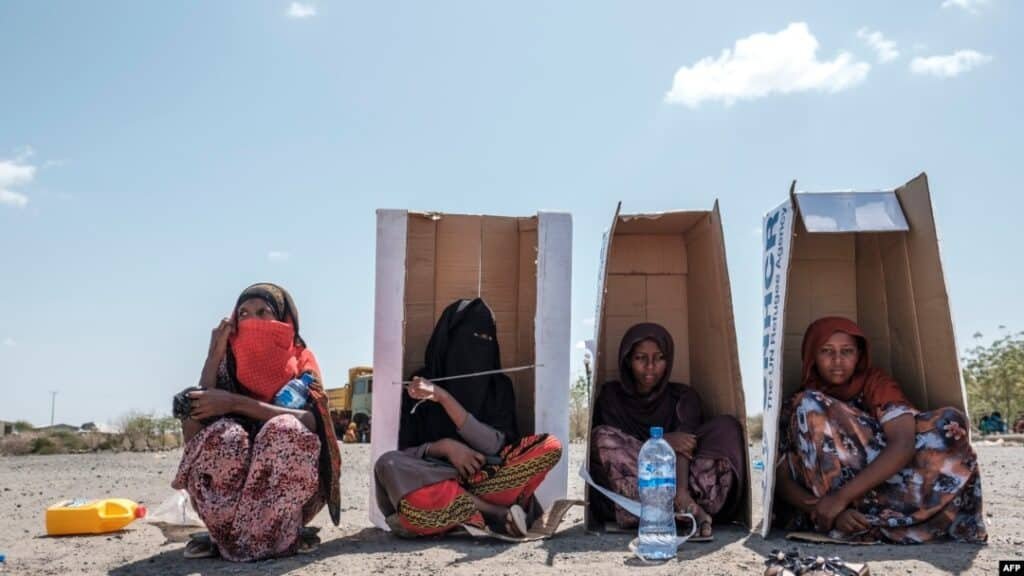
One of the primary causes of malnutrition in refugees is limited access to adequate food. As refugees are forced to leave their homes and flee to unfamiliar territories, they often struggle to secure enough food to meet their nutritional needs. Displacement and lack of resources also contribute to malnutrition, as refugees face challenges in finding sufficient food sources and cooking facilities. Additionally, inadequate healthcare services in refugee settings further exacerbate the problem, as refugees may not receive the necessary medical attention and support to address their nutritional needs.
Impact of Malnutrition on Refugees
Malnutrition has severe physical health implications for refugees. When individuals do not receive enough nutrients, their immune systems weaken, making them more susceptible to infections and diseases. Malnourished refugees may experience vitamin deficiencies, anemia, and stunted growth. These physical health implications can hinder their ability to thrive and recover from the traumas they have experienced.
In addition to physical health, malnutrition also has significant mental health implications. Refugees who suffer from malnutrition often experience increased stress, anxiety, and depression. The harsh realities of their circumstances combined with inadequate nutrition can lead to psychological distress, impacting their overall well-being and ability to cope with their situations effectively.
Moreover, malnutrition can have long-term developmental effects on children. Lack of proper nutrition during crucial stages of growth can result in delayed cognitive development and hinder educational progress. This can create a vicious cycle as malnourished children may have reduced opportunities for education, further impacting their future prospects and perpetuating the cycle of poverty.

Challenges in Addressing Malnutrition in Refugees
Addressing malnutrition in refugees is not without its challenges. One major obstacle is the lack of funding for humanitarian aid. As the number of refugees continues to rise globally, resources for providing adequate food and nutrition to refugees are often stretched thin. Without sufficient funding, it becomes difficult to implement comprehensive and sustainable nutrition programs to address the needs of refugees effectively.
Inadequate infrastructure in refugee camps is another challenge in combating malnutrition. Many refugee camps lack appropriate facilities for food storage, preparation, and distribution. This lack of infrastructure makes it challenging to provide nutritious meals to refugees on a consistent basis. Without proper facilities, the ability to address the nutritional needs of refugees is severely hindered.
Limited access to healthcare and nutrition services is yet another challenge faced in addressing malnutrition in refugees. In some cases, refugees may not have easy access to healthcare facilities, making it difficult for them to receive necessary medical assessments and interventions. The lack of nutrition services, such as counseling and support, further exacerbates the issue as refugees are left without the guidance and knowledge needed to make informed decisions about their nutrition.
Global Efforts to Tackle Malnutrition in Refugees
Despite the challenges, there have been global efforts to tackle malnutrition in refugees. International organizations and initiatives play a significant role in addressing this issue. Organizations such as the World Food Programme (WFP) and UNICEF work tirelessly to provide food and nutrition assistance to refugees. These organizations collaborate with governments and non-governmental organizations (NGOs) to ensure that refugees receive the necessary support.
Collaboration between governments and NGOs is vital in combating malnutrition in refugees. When governments and NGOs work together, they can pool resources, share expertise, and create comprehensive strategies to address malnutrition effectively. This collaboration ensures a more coordinated and holistic approach to addressing the nutritional needs of refugees.
Advocacy and awareness campaigns also play a crucial role in tackling malnutrition in refugees. By raising awareness about the issue and advocating for proper nutrition and healthcare for refugees, these campaigns help to mobilize support and resources. They shed light on the urgent need to address malnutrition in refugee populations and encourage individuals, organizations, and governments to take action.
Success Stories in Combating Malnutrition in Refugees
There have been success stories in combating malnutrition in refugee populations. Nutrition-focused interventions in refugee camps have shown promising results. These interventions involve providing specialized nutrition programs, such as therapeutic feeding programs for severely malnourished individuals. By targeting the nutritional needs of refugees and providing tailored interventions, these programs have helped improve the health and well-being of many individuals.
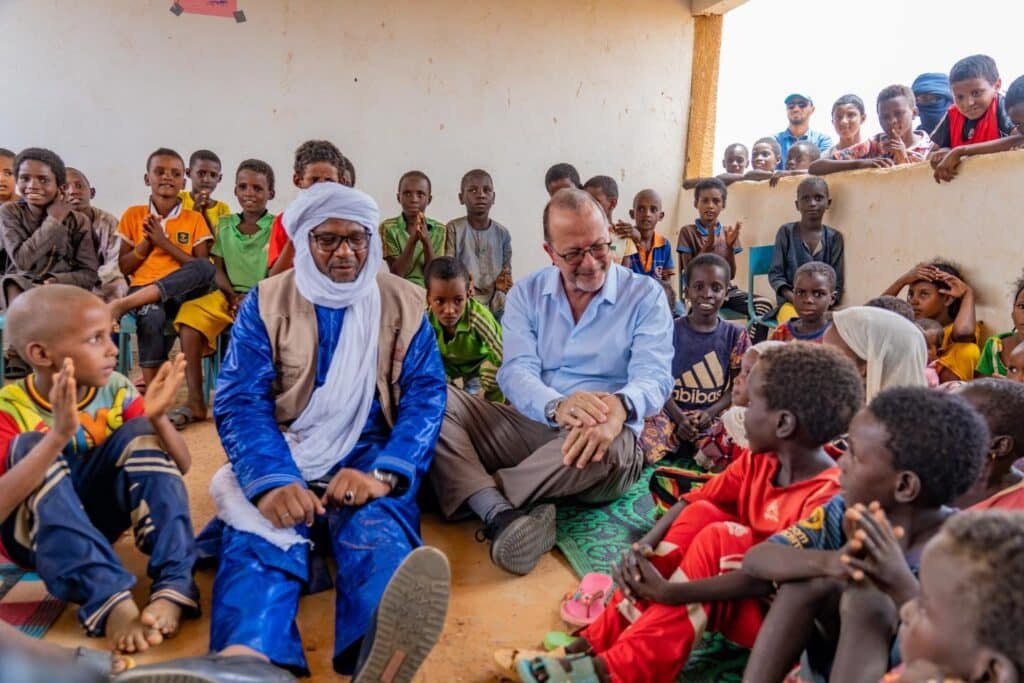
Community-based programs and support have also proven successful in combating malnutrition in refugees. These programs involve engaging the refugee community in the planning, implementation, and monitoring of nutrition initiatives. By empowering the community to take ownership of their nutrition, these programs not only address immediate nutritional needs but also create a sense of belonging and empowerment among the refugee population.
Long-term strategies for sustainable nutrition have also yielded positive outcomes in combating malnutrition. These strategies focus on initiatives such as promoting agricultural practices, providing vocational training in farming and gardening, and creating employment opportunities related to food production. By empowering refugees to become self-reliant in food production, these strategies promote sustainable nutrition and long-term resilience.
The Role of Education in Combating Malnutrition in Refugees
Education plays a critical role in combating malnutrition in refugees. Providing nutrition education and awareness is essential in empowering individuals to make informed decisions about their dietary choices. By educating refugees about the importance of balanced diets, nutrient-rich foods, and safe food handling practices, they can better understand how to meet their nutritional needs within their given circumstances.
Training healthcare professionals in refugee settings is another crucial aspect of addressing malnutrition. By equipping healthcare professionals with the knowledge and skills to identify and address malnutrition, they can play a crucial role in early intervention and prevention. These professionals can provide guidance on nutrition and monitor the health of refugees, ensuring that their nutritional needs are met.
Furthermore, education empowers refugees beyond nutrition. By providing access to quality education, refugees can develop the skills and knowledge needed to improve their lives and contribute positively to society. Education opens doors to economic opportunities, reduces dependency on aid, and increases overall resilience among refugee populations.
The Importance of Mental Health Support in Addressing Malnutrition in Refugees
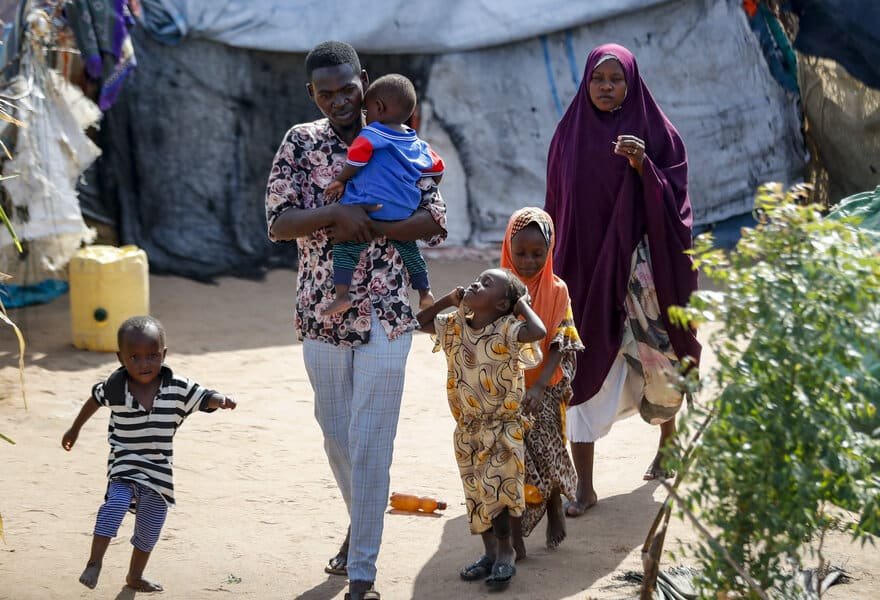
Addressing mental health is crucial in combating malnutrition in refugees. Refugees who have experienced trauma and displacement often suffer from psychological distress, which can impact their ability to access and utilize nutrition services effectively. Providing mental health support helps address these underlying issues and promotes overall well-being.
Incorporating mental health services in nutrition programs is essential. By integrating counseling and therapy for refugees, the multidimensional impact of malnutrition can be addressed. Mental health support not only assists in overcoming traumas but also builds resilience, enhances coping mechanisms, and encourages positive behavioral changes related to nutrition.
Promoting resilience and coping mechanisms is another vital aspect of mental health support. By offering training and support in stress management, emotional regulation, and self-care, refugees can develop the necessary skills to navigate challenging circumstances and maintain their mental well-being. These resilience-building efforts contribute to better overall health outcomes and strengthen the ability to combat malnutrition.
Policy Recommendations for Addressing Malnutrition in Refugees
To effectively address malnutrition in refugee populations, several policy recommendations should be considered. First, improving access to nutritious food in refugee camps is crucial. This includes ensuring a consistent supply of nutrient-rich food, developing proper food storage and distribution systems, and promoting the cultivation of fresh produce within the camps.
Strengthening healthcare systems in host countries is also essential. This involves investing in healthcare infrastructure, training healthcare professionals in refugee settings, and improving access to healthcare services. By providing adequate healthcare support, refugees can receive comprehensive medical assessments and interventions, addressing their nutritional needs effectively.
Prioritizing mental health support in humanitarian aid is another policy recommendation. This includes allocating resources for mental health services, training mental health professionals in refugee settings, and integrating mental health into nutrition programs. By recognizing the importance of mental health in overall well-being, we can ensure that refugees are supported holistically.
Conclusion: Urgency in Addressing Malnutrition in Refugees
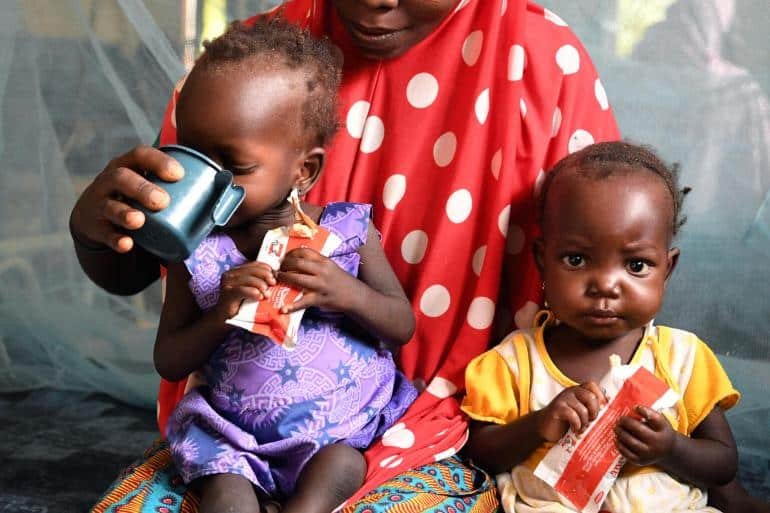
The issue of malnutrition in refugee populations is a global crisis that demands urgent attention. It is both a humanitarian and moral imperative to ensure that refugees have access to adequate nutrition and healthcare. Failing to address this issue has severe long-term impacts on individuals and societies, perpetuating cycles of poverty and hindering development.
It is crucial that collaborative efforts are made to tackle malnutrition in refugees. International organizations, governments, NGOs, and individuals must work together to provide the necessary funding, infrastructure, and support systems to combat this crisis effectively. By investing in nutrition-focused interventions, community-based programs, education, mental health support, and policy changes, we can make significant strides in improving the lives of refugees and ensuring their long-term well-being. Only through these collective efforts can we achieve a global solution to the pressing issue of malnutrition in refugees.