
In this article, you will explore the essential role of proper nutrition education in preventing malnutrition. We will delve into the various ways in which understanding and practicing healthy eating habits can positively impact not only your overall well-being but also the lives of individuals around you. By emphasizing the importance of nutrition education, we aim to empower individuals with the knowledge and tools needed to make informed dietary choices that can combat malnutrition and promote a healthier future. So, let’s embark on this journey together and discover how education can nourish both our bodies and minds.
Understanding Malnutrition
Definition of malnutrition
Malnutrition refers to a condition where an individual’s intake of nutrients, such as proteins, vitamins, and minerals, is insufficient or imbalanced. This can occur due to various factors, including inadequate food consumption, poor nutrient absorption, or excessive nutrient loss. Malnutrition can affect individuals of all ages, from infants to the elderly, and it can have significant implications for their overall health and well-being.
Causes of malnutrition
There are several causes of malnutrition, including economic factors, limited access to nutritious food, improper food storage and preparation, and certain medical conditions. Poverty and lack of resources often contribute to malnutrition, as individuals may be unable to afford a balanced and nutrient-rich diet. Additionally, environmental factors, such as natural disasters or conflict situations, can lead to food scarcity and exacerbate the risk of malnutrition.
Types of malnutrition
Malnutrition can manifest in different forms, each with its own set of characteristics and consequences. The two main types of malnutrition are:
-
Undernutrition: This occurs when an individual’s nutrient intake is insufficient, leading to deficiencies in energy, protein, vitamins, and minerals. Undernutrition can result in stunted growth, delayed development, weakened immune system, and increased susceptibility to infections.
-
Overnutrition: This form of malnutrition is characterized by excessive intake of nutrients, particularly calories, combined with a lack of physical activity. Overnutrition commonly leads to obesity, which in turn increases the risk of chronic diseases such as diabetes, heart disease, and certain types of cancer.
The Importance of Proper Nutrition
Overview of proper nutrition
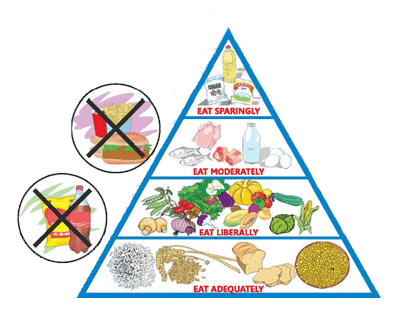
Proper nutrition refers to consuming a well-balanced diet that provides the necessary nutrients for optimal growth, development, and overall health. This includes a variety of foods from different food groups, including fruits, vegetables, whole grains, lean proteins, and healthy fats. Proper nutrition ensures that the body receives the essential vitamins, minerals, and macronutrients it needs to function effectively.
Benefits of proper nutrition
Proper nutrition plays a crucial role in maintaining good health and preventing various health conditions. Some of the key benefits of a balanced diet include:
-
Enhanced immune function: Adequate nutrition helps strengthen the immune system, reducing the risk of infections and other diseases.
-
Improved cognitive function: Proper nutrition supports brain health, promoting better memory, concentration, and overall cognitive performance.
-
Optimal physical growth and development: The essential nutrients provided by a balanced diet ensure proper growth and development in children and adolescents.
-
Increased energy levels: A well-balanced diet fuels the body, providing consistent energy throughout the day and improving overall productivity.
-
Reduced risk of chronic diseases: A diet rich in fruits, vegetables, whole grains, and lean proteins can help prevent chronic conditions such as obesity, diabetes, and cardiovascular diseases.
Effects of malnutrition
On the other hand, malnutrition can have detrimental effects on the body and overall health. Some of the consequences of malnutrition include:
-
Impaired growth and development: Inadequate nutrition can lead to stunted growth in children and delayed development in all age groups.
-
Weakened immune system: Malnutrition compromises the immune system, making individuals more susceptible to infections and illnesses.
-
Muscle wasting and weakness: Lack of proper nutrition can result in muscle wasting and weakness, affecting physical strength and mobility.
-
Increased risk of chronic diseases: Malnutrition, whether through undernutrition or overnutrition, can contribute to the development of chronic conditions such as obesity, diabetes, and cardiovascular diseases.
-
Poor mental health: Insufficient nutrient intake can negatively impact mental health, leading to issues such as depression, anxiety, and impaired cognitive function.

Identifying Malnutrition
Signs and symptoms of malnutrition
It is important to be able to recognize the signs and symptoms of malnutrition, as early detection can lead to timely intervention. Some common indicators of malnutrition include:
-
Unintentional weight loss: Significant and unexplained weight loss can be a sign of malnutrition, particularly if it occurs rapidly.
-
Fatigue and weakness: Malnourished individuals often experience persistent fatigue and a general sense of weakness, which can affect their ability to perform daily tasks.
-
Lack of appetite: A decreased appetite or loss of interest in food can indicate a nutritional deficiency.
-
Poor wound healing: Malnutrition can impede the body’s ability to heal wounds, leading to delayed or incomplete healing.
-
Changes in hair, skin, and nails: Malnutrition can cause hair loss, dry and brittle skin, and weak and brittle nails.
Risk factors for malnutrition
Certain factors increase the risk of malnutrition in individuals. These include:
-
Age: Infants, children, older adults, and pregnant or breastfeeding women are particularly vulnerable to malnutrition due to their increased nutritional needs.
-
Poverty and food insecurity: Limited financial resources can make it difficult for individuals to access and afford nutritious food.
-
Medical conditions: Certain health conditions, such as gastrointestinal disorders, chronic illnesses, and eating disorders, can interfere with nutrient absorption and contribute to malnutrition.
-
Limited mobility: Individuals with limited mobility may struggle to obtain or prepare nutritious meals, increasing their risk of malnutrition.
-
Mental health issues: Conditions such as depression, anxiety, and eating disorders can affect appetite and food intake, potentially leading to malnutrition.
Screening for malnutrition
Screening for malnutrition involves assessing an individual’s nutritional status to identify any deficiencies or imbalances. Healthcare professionals, such as doctors, nurses, and dietitians, can conduct screenings using validated tools and assessments. These screenings may involve evaluating weight and height measurements, analyzing dietary intake, and examining physical signs of malnutrition. Early detection allows for timely intervention and the implementation of appropriate nutrition interventions.
Role of Nutrition Education
What is nutrition education
Nutrition education encompasses a range of activities aimed at promoting proper nutrition and empowering individuals to make healthy food choices. It involves providing information, resources, and support to help individuals develop and maintain a balanced diet. Nutrition education can be delivered in various settings, including schools, community centers, healthcare facilities, and workplaces.
Importance of nutrition education in preventing malnutrition
Nutrition education plays a critical role in preventing malnutrition by equipping individuals with the knowledge and skills necessary for making informed food choices. It helps individuals understand the importance of a balanced diet, teaches them how to identify and select nutritious foods, and encourages healthy eating behaviors. By promoting nutrition education, we can empower individuals to take control of their own health and make choices that contribute to overall well-being.
Components of effective nutrition education
Effective nutrition education programs incorporate various components to maximize their impact. These components include:
-
Current and evidence-based information: Nutrition education should be based on the latest scientific research and guidelines to ensure accuracy and relevance.
-
Practical skills development: Teaching practical skills, such as meal planning, grocery shopping, and food preparation, enables individuals to apply the knowledge they acquire and make sustainable changes to their eating habits.
-
Behavior change strategies: Effective nutrition education programs focus not only on transmitting information but also on guiding individuals towards adopting healthy behaviors. This may involve goal-setting, self-monitoring, and providing ongoing support.
-
Cultural relevance: Recognizing the diversity of individuals’ cultural backgrounds and preferences is crucial in creating nutrition education programs that are inclusive and applicable to all.
-
Collaborative and participatory approaches: Encouraging active participation and interaction within the learning process promotes engagement and enhances the effectiveness of nutrition education programs.

Developing Effective Nutrition Education Programs
Target audience for nutrition education programs
When developing nutrition education programs, it is essential to identify the target audience to tailor the content and delivery methods accordingly. The target audience can vary widely, including children, adolescents, adults, older adults, pregnant women, or specific communities facing unique challenges. Understanding the characteristics and needs of the target audience allows for the development of targeted and relevant nutrition education materials and interventions.
Setting goals and objectives
Setting clear goals and objectives is crucial in designing effective nutrition education programs. These goals should be specific, measurable, achievable, relevant, and time-bound (SMART). Examples of nutrition education goals may include increasing fruit and vegetable consumption, reducing the consumption of sugary drinks, or improving knowledge about portion sizes. Objectives should outline the specific actions or outcomes that will contribute to achieving these goals, such as delivering a certain number of educational sessions or measuring changes in participants’ dietary behaviors.
Choosing appropriate educational materials
Selecting appropriate educational materials is essential in ensuring the effectiveness of nutrition education programs. This can include printed materials, such as brochures, pamphlets, and handouts, as well as digital resources, such as websites, mobile applications, and interactive tools. The materials should be evidence-based, easy to understand, visually appealing, culturally sensitive, and accessible to the target audience. Incorporating a variety of formats and delivery methods can enhance engagement and cater to different learning preferences.
Teaching and Communication Strategies
Effective teaching methods
In order to effectively deliver nutrition education, utilizing a variety of teaching methods can enhance learning and engagement. Some effective teaching methods include:
-
Lectures and presentations: Delivering information through lectures and presentations allows for the dissemination of key concepts and facts in a structured and organized manner.
-
Group discussions: Encouraging group discussions allows participants to actively engage with the material and learn from each other’s perspectives and experiences.
-
Hands-on activities: Incorporating hands-on activities, such as cooking demonstrations, taste tests, and food experiments, enhances learning by providing practical experiences and promoting active participation.
-
Role-playing and simulations: Role-playing and simulations can be used to simulate real-life scenarios and encourage participants to apply their knowledge and skills in a safe and interactive environment.
-
Case studies and problem-solving exercises: Presenting case studies and engaging participants in problem-solving exercises allows them to analyze and apply their knowledge to practical situations, promoting critical thinking and problem-solving skills.
Engaging and interactive learning activities
Engaging and interactive learning activities are vital in capturing participants’ attention and facilitating knowledge retention. Some examples of engaging activities in nutrition education programs include:
-
Interactive quizzes and games: Using interactive quizzes and games, such as trivia competitions or online quizzes, can make the learning process more enjoyable while reinforcing key nutrition concepts.
-
Group challenges and competitions: Organizing group challenges or competitions, such as cooking contests or recipe development challenges, encourages teamwork, creativity, and active participation.
-
Field trips and grocery store tours: Taking participants on field trips or guided grocery store tours provides real-world experiences and practical skills, allowing individuals to apply their nutrition knowledge in a hands-on setting.
-
Food sampling and taste tests: Offering food samples and conducting taste tests provide participants with the opportunity to try new foods and flavors, promoting exploration and expanding their culinary horizons.
-
Guest speakers and expert presentations: Inviting guest speakers, such as nutritionists, chefs, or local farmers, to share their expertise and experiences can provide unique insights and enrich the learning experience.
Using visual aids and multimedia
Visual aids and multimedia tools are effective in conveying information in a visually appealing and memorable manner. Examples of visual aids and multimedia tools that can enhance nutrition education include:
-
Infographics: Infographics present information in a concise and visually appealing format, using images, diagrams, and charts to communicate key messages effectively.
-
Videos and animations: Engaging videos and animations can be used to demonstrate cooking techniques, food preparation, or the impact of nutrition on health, making complex concepts more accessible and understandable.
-
Interactive online modules: Developing interactive online modules allows participants to explore topics at their own pace, providing a self-directed and interactive learning experience.
-
Food models and visual representations: Using food models, portion-size replicas, or visual representations of nutrient composition can help individuals understand serving sizes, nutrient content, and overall dietary balance.
-
Multimedia presentations: Combining visual elements, such as images, graphs, and videos, with spoken explanations in multimedia presentations can enhance understanding and retention of nutritional information.

Creating Nutritious and Balanced Meal Plans
Understanding dietary guidelines
Understanding and incorporating dietary guidelines into meal planning is crucial for creating nutritious and balanced meal plans. Dietary guidelines provide science-based recommendations on the types and amounts of foods that promote health and prevent chronic diseases. These guidelines may vary by country or region, but they generally emphasize the consumption of fruits, vegetables, whole grains, lean proteins, and healthy fats while limiting the intake of added sugars, sodium, and saturated fats.
Planning and preparing balanced meals
When planning and preparing balanced meals, it is important to consider incorporating a variety of food groups and ensuring adequate nutrient intake. Some key principles for creating balanced meals include:
-
Portion control: Maintaining appropriate portion sizes helps regulate calorie intake and ensures a well-balanced meal.
-
Variety: Including a variety of foods from different food groups provides a range of nutrients and flavors, making meals more enjoyable and nutritionally diverse.
-
Colorful and diverse fruits and vegetables: Incorporating a variety of colorful fruits and vegetables ensures a wider range of essential vitamins, minerals, and antioxidants.
-
Lean proteins: Choosing lean protein sources, such as poultry, fish, legumes, and tofu, promotes muscle health and provides important nutrients while minimizing saturated fat intake.
-
Whole grains: Opting for whole grain products, such as whole wheat bread, brown rice, and quinoa, increases dietary fiber intake and provides more nutrients compared to refined grains.
-
Healthy fats: Including sources of healthy fats, such as avocados, nuts, seeds, and olive oil, provides essential fatty acids and contributes to satiety.
Factoring in cultural and socioeconomic influences
When creating nutritious and balanced meal plans, it is essential to consider cultural and socioeconomic influences. Cultural preferences, food traditions, and availability of ingredients can vary greatly across different communities. Understanding and respecting cultural differences allows for the development of meal plans that are culturally sensitive and appealing to individuals from diverse backgrounds. Additionally, socioeconomic factors, such as limited financial resources or limited access to fresh produce, may impact the feasibility and affordability of certain food choices. Taking these factors into account ensures that meal plans are realistic and practical for all individuals.
Promoting Healthy Eating Habits
Teaching portion control and mindful eating
Promoting healthy eating habits involves teaching individuals about portion control and mindful eating. Portion control refers to consuming appropriate serving sizes and avoiding excessive calorie intake. Educating individuals about portion sizes and teaching them practical techniques, such as using visual aids or measuring tools, helps them develop a better understanding of appropriate portion sizes and avoid overeating. Mindful eating involves being fully present and attentive while eating, paying attention to hunger and fullness cues, and savoring the taste and texture of food. Encouraging mindful eating practices, such as eating slowly, chewing thoroughly, and avoiding distractions, promotes a healthier relationship with food and prevents overeating.
Promoting the consumption of fruits and vegetables
Increasing the consumption of fruits and vegetables is a key aspect of promoting healthy eating habits. Fruits and vegetables are rich in essential vitamins, minerals, and antioxidants, and their consumption is associated with a reduced risk of chronic diseases. Strategies to promote the consumption of fruits and vegetables include:
-
Education on the health benefits: Emphasizing the nutritional value and health benefits of fruits and vegetables helps individuals understand the importance of including them in their diet.
-
Encouraging variety: Promoting a wide variety of fruits and vegetables exposes individuals to different flavors, textures, and nutrients, making healthy eating more enjoyable and sustainable.
-
Recipe sharing and cooking demonstrations: Sharing simple and delicious recipes that incorporate fruits and vegetables can inspire individuals to try new dishes and explore different culinary options.
-
School and workplace initiatives: Implementing programs that increase access to fruits and vegetables in schools and workplaces, such as salad bars or fresh produce stands, encourages their consumption in these settings.
-
Community gardening: Community gardening initiatives provide opportunities for individuals to grow their own fruits and vegetables, fostering a sense of ownership, community engagement, and increased consumption of fresh produce.
Encouraging hydration and reducing sugary drinks
Encouraging hydration and reducing the consumption of sugary drinks is another important aspect of promoting healthy eating habits. Staying hydrated is essential for overall health, and water is the best beverage choice. Strategies for promoting hydration and reducing sugary drink intake include:
-
Education on the health impact of sugary drinks: Informing individuals about the negative health effects of sugary drinks, such as increased risk of obesity, diabetes, and tooth decay, can motivate them to make healthier choices.
-
Availability of water: Ensuring access to clean drinking water in schools, workplaces, and public spaces encourages individuals to choose water as their primary beverage.
-
Providing water alternatives: Offering flavored water, unsweetened herbal teas, or infused water with fruits and herbs as alternatives to sugary drinks can make hydration more enjoyable and appealing.
-
Limiting availability and marketing of sugary drinks: Implementing policies that restrict the sale and marketing of sugary drinks in schools, healthcare settings, and public spaces can help reduce their consumption.
-
Role modeling: Role modeling healthy hydration habits, such as drinking water instead of sugary drinks, by influential individuals in the community, such as healthcare professionals or celebrities, can inspire others to make similar choices.

Involving the Community and Families
Importance of community support
Involving the community in nutrition education efforts is crucial for creating a supportive environment that promotes healthy eating habits. Community support can provide individuals with access to resources, knowledge, and social support, making it easier to adopt and maintain healthy behaviors. Engaging community leaders, local organizations, schools, and businesses in nutrition education initiatives can help disseminate information, create supportive policies, and foster a sense of collective responsibility for improving community health.
Involving families in nutrition education
Involving families in nutrition education is highly beneficial, as they play a central role in shaping individuals’ eating habits from an early age. Some ways to involve families in nutrition education include:
-
Parent education programs: Offering educational sessions or workshops specifically designed for parents can provide them with the knowledge and skills to promote healthy eating habits within the family.
-
Family cooking classes: Organizing hands-on cooking classes for families allows them to learn and prepare nutritious meals together, fostering a positive relationship with food and promoting shared responsibility for healthy eating.
-
Take-home resources: Providing families with take-home resources, such as recipe books, meal planning templates, and educational materials, allows them to continue practicing and reinforcing healthy eating habits at home.
-
Family challenges and incentives: Implementing family challenges, where families are encouraged to adopt and sustain healthy eating habits, can foster a supportive and competitive environment that motivates behavior change. Providing incentives, such as small rewards or recognition, can increase engagement and participation.
Collaborating with healthcare professionals
Collaboration with healthcare professionals is vital in promoting nutrition education and ensuring the continuity of care. Healthcare professionals, including doctors, nurses, dietitians, and community health workers, can play an important role in referring individuals to nutrition education programs, providing personalized dietary recommendations, and monitoring progress. Building strong partnerships between nutrition educators and healthcare professionals allows for a comprehensive approach to addressing malnutrition and promoting healthy eating habits.
Evaluating the Effectiveness of Nutrition Education Programs
Establishing evaluation criteria
Evaluating the effectiveness of nutrition education programs is essential to determine their impact and identify areas for improvement. Establishing evaluation criteria helps measure the desired outcomes of the program and assess whether they have been achieved. Some common evaluation criteria for nutrition education programs include changes in dietary behaviors, knowledge gain, improvements in nutritional status, and participant satisfaction.
Collecting and analyzing data
Collecting and analyzing data is a critical step in evaluating the effectiveness of nutrition education programs. This can involve various methods, such as surveys, interviews, dietary assessments, and physical measurements. Surveys and interviews allow participants to provide feedback on their experience, knowledge gained, and changes in dietary behaviors. Dietary assessments, such as food diaries or 24-hour recalls, provide insights into participants’ food consumption patterns and nutritional intake. Physical measurements, such as weight, height, or blood biomarkers, can indicate changes in nutritional status. Analyzing the data collected allows for a comprehensive evaluation of the program’s impact and effectiveness.
Making necessary adjustments
Based on the evaluation findings, it is important to make necessary adjustments and improvements to nutrition education programs. This may involve modifying the content, delivery methods, or duration of the program, addressing gaps in knowledge, or targeting specific challenges identified during the evaluation process. Regular monitoring and feedback from participants, nutrition educators, and other stakeholders can help inform these adjustments and ensure the ongoing effectiveness of nutrition education programs.
In conclusion, understanding malnutrition and the importance of proper nutrition is essential for preventing its negative effects on health and well-being. By identifying malnutrition, providing proper nutrition education, and developing effective nutrition education programs, we can empower individuals to make informed food choices, create balanced meal plans, and adopt healthy eating habits. Through community involvement, collaboration with healthcare professionals, and ongoing evaluation, we can ensure the continuous improvement and effectiveness of nutrition education efforts. By prioritizing proper nutrition education, we have the opportunity to prevent malnutrition and promote optimal health for all individuals.