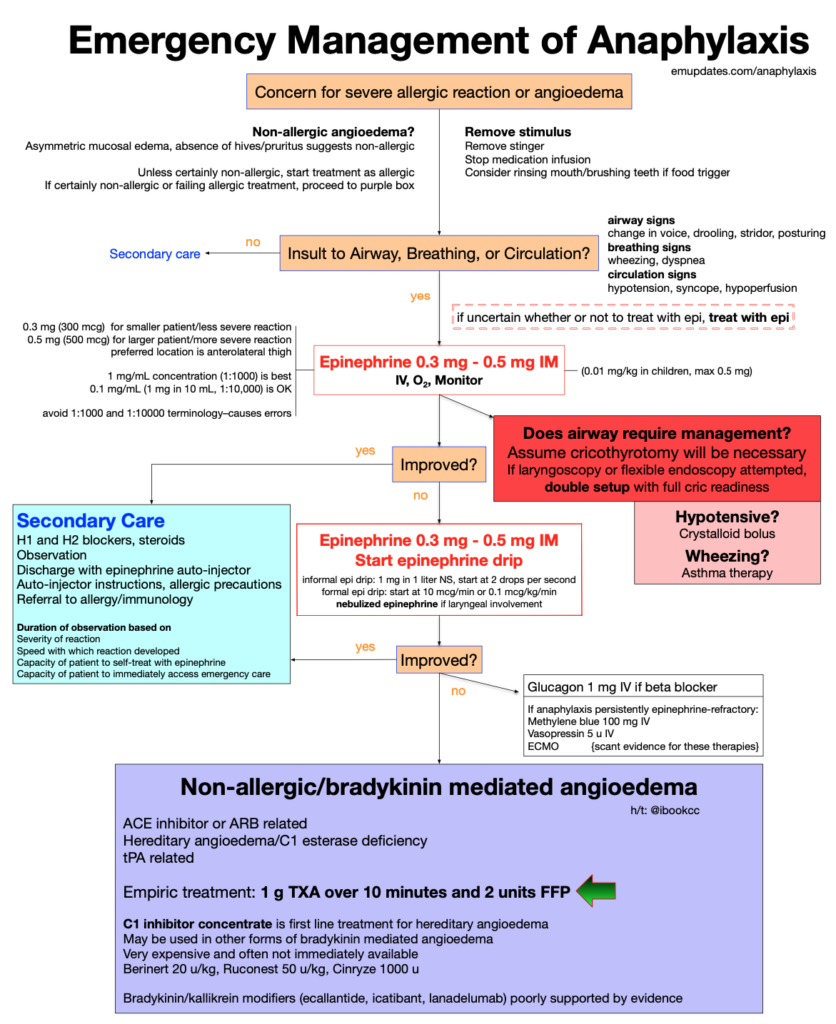
You never know when an anaphylaxis emergency might strike, but it’s always reassuring to be prepared. In this article, we’ll walk you through what an anaphylaxis emergency is and provide essential tips on how to respond when faced with one. From recognizing the symptoms to administering life-saving treatments like epinephrine, we’ve got you covered. So, sit back, relax, and equip yourself with the necessary knowledge to confidently handle an anaphylaxis emergency when it arises.
Recognizing Anaphylaxis Symptoms
Anaphylaxis is a severe and potentially life-threatening allergic reaction that requires immediate medical attention. It occurs when your immune system overreacts to a particular allergen, such as certain foods, medications, insect venom, or latex. Recognizing the symptoms of anaphylaxis is crucial in order to intervene promptly and provide the necessary treatment.
Understanding the Basics of Anaphylaxis
Anaphylaxis is characterized by a rapid and systemic response of the body to the allergen. It affects multiple systems, including the respiratory, cardiovascular, gastrointestinal, and cutaneous systems. The reaction can occur within seconds to minutes after exposure to the allergen and can rapidly progress. Immediate recognition and treatment are vital to prevent serious complications or even death.
Common Signs and Symptoms of Anaphylaxis
Anaphylaxis can manifest in various ways, but some common signs and symptoms include:
- Skin reactions: Itchy hives, flushed or pale skin, and swelling of the face, lips, tongue, or throat are common symptoms of anaphylaxis.
- Respiratory symptoms: Difficulty breathing, wheezing, shortness of breath, or a tightness sensation in the chest are all concerning symptoms.
- Cardiovascular symptoms: A rapid or weak pulse, low blood pressure, dizziness, fainting, or a feeling of impending doom may indicate anaphylaxis.
- Gastrointestinal symptoms: Nausea, vomiting, abdominal pain, or diarrhea can be present during an anaphylactic reaction.
Distinguishing Anaphylaxis from Other Allergic Reactions
It is important to differentiate anaphylaxis from other milder allergic reactions. While milder reactions like allergic rhinitis or urticaria (hives) can cause discomfort, anaphylaxis is a severe and potentially life-threatening condition. Anaphylaxis involves multiple organ systems and can quickly escalate, leading to respiratory distress, shock, or even cardiac arrest. In dubious cases, it is always better to err on the side of caution and seek immediate medical help.
Calling for Emergency Assistance
If you or someone around you is experiencing symptoms of anaphylaxis, it is crucial to call for emergency medical assistance as soon as possible. Promptly contacting Emergency Medical Services (EMS) can save lives.
Contacting Emergency Medical Services (EMS)
In a life-threatening situation like anaphylaxis, dialing the emergency number immediately is the first step to getting the help you need. Be prepared to provide your location, a brief description of the symptoms, and mention that it may be an allergic reaction. The dispatcher will guide you through necessary instructions while help is on the way.
Providing Essential Information to EMS
Time is of the essence during an anaphylaxis emergency, and providing relevant information to EMS can help them respond effectively. Make sure to inform them about any known allergies, the potential trigger allergen, and any previous history of anaphylaxis. This information will aid the medical professionals in providing appropriate treatment upon arrival.
Portal of Entry: Dispatching the Most Appropriate Emergency Responders
Depending on the severity of the anaphylactic reaction, EMS may need to dispatch various responders, such as paramedics, emergency medical technicians (EMTs), or even fire departments if additional assistance is required. It is essential to stay on the line with the emergency dispatcher and follow their instructions until help arrives.

Administering Epinephrine Autoinjector
Epinephrine is a life-saving medication commonly used in the treatment of anaphylaxis. Administering it promptly when anaphylaxis is suspected can help reverse the symptoms and buy valuable time until medical professionals arrive.
Importance of Epinephrine in Anaphylaxis Treatment
Epinephrine is the primary medication used to counteract the effects of anaphylaxis. It works by constricting blood vessels, relaxing airway muscles, and improving the overall body’s response to the allergic reaction. Immediate administration of epinephrine is crucial in preventing the progression of anaphylaxis and stabilizing the individual’s condition.
Knowing When to Use an Epinephrine Autoinjector
If you or someone around you is experiencing signs of anaphylaxis, it is important to be prepared and have access to an epinephrine autoinjector. Injection of epinephrine should be considered if the symptoms involve any combination of breathing difficulties, rapid progression, cardiovascular compromise, or severe manifestations such as facial swelling or loss of consciousness.
Step-by-step Instructions for Administering Epinephrine
Using an epinephrine autoinjector may seem intimidating, but it is essential to be familiar with its proper usage. The basic steps for administering an epinephrine autoinjector include:
- Remove the safety cap from the autoinjector.
- Firmly hold the autoinjector in your dominant hand, with your thumb on one end and two fingers on the other.
- Place the tip of the autoinjector against the outer thigh and press it firmly against the thigh until you hear a click.
- Hold the autoinjector in place for a few seconds to ensure the medication is fully injected.
- Seek immediate medical help even after administering the epinephrine.
Remember to always read and follow the instructions provided with your specific epinephrine autoinjector, as techniques and mechanisms may vary.
Assisting the Individual in an Upright Position
Positioning the individual in an upright position during an anaphylaxis emergency can help alleviate symptoms and improve breathing.
Rationale Behind Upright Positioning
Assisting the individual to sit upright can help open up the airways and enhance their ability to breathe. This position supports proper lung function and minimizes the risk of airway obstruction.
Guidelines for Helping the Individual Sit Upright
When assisting someone in sitting upright during an anaphylaxis emergency, follow these guidelines:
- Help the individual sit on a chair, preferably with a high backrest, or on the ground with their back against a wall.
- Encourage them to lean forward slightly, supporting themselves with their arms.
- If they are wearing tight-fitting clothing, gently loosen any constrictive clothing, such as a tie or collar, to ensure unrestricted breathing.
- Continuously reassess their breathing and comfort level while waiting for medical help.
Ensuring Adequate Airway and Breathing
Positioning the individual upright can help improve airway patency and breathing. Monitor their respiratory status closely and be prepared to perform rescue breathing or CPR if their breathing stops or becomes severely compromised.

Loosening Constrictive Clothing
During an anaphylactic reaction, individuals may experience facial swelling, which can restrict circulation and lead to fainting. Loosening constrictive clothing is essential to prevent complications and maintain blood flow.
Identifying and Removing Constrictive Clothing
Get familiar with common types of constrictive clothing, such as tight collars, neckties, belts, or restrictive jewelry. If the individual is experiencing facial or neck swelling, quickly but gently remove these items to ensure adequate circulation.
Importance of Increasing Circulation and Preventing Fainting
Facial swelling during an anaphylactic reaction can cause blood vessels to constrict and compromise blood flow. By removing constrictive clothing, you can help improve circulation and decrease the risk of fainting.
Considerations for Individuals with Facial Swelling
If an individual is experiencing significant facial swelling, their airway may become compromised. Monitor their breathing closely and be prepared to perform rescue measures, such as the modified jaw thrust maneuver, to maintain a patent airway until medical help arrives.
Offering Reassurance and Emotional Support
Experiencing an anaphylaxis emergency can be incredibly distressing and frightening for the individual involved. Providing them with reassurance and emotional support is crucial in helping them through this challenging time.
Importance of Calming and Reassuring the Individual
Anaphylactic reactions can be emotionally overwhelming. Stay calm and project a reassuring demeanor to help the individual feel supported and comforted during this stressful situation. Offer words of encouragement and remind them that help is on the way.
Promoting a Sense of Safety and Security
Creating a safe and secure environment is essential for the well-being of an individual experiencing anaphylaxis. Ensure that the immediate area is clear of any potential allergens, and reassure them that everything possible is being done to help them.
Possible Psychological Impact of Anaphylaxis
Experiencing anaphylaxis can have a lasting psychological impact on individuals. It may result in anxiety, fear, or even post-traumatic stress disorder (PTSD). Encourage the individual to seek support from mental health professionals if needed and provide information on support resources available to them.

Monitoring Vital Signs
Monitoring vital signs during an anaphylactic reaction is crucial to assess the individual’s overall condition and identify any signs of deterioration.
Understanding the Role of Vital Sign Assessment
Vital signs, including heart rate, blood pressure, and oxygen saturation, provide valuable information about an individual’s cardiovascular and respiratory status. Regularly monitoring these vital signs can help detect any changes that may indicate deterioration or the need for additional interventions.
Monitoring Heart Rate, Blood Pressure, and Oxygen Saturation
Using a portable handheld device, such as a pulse oximeter, can help monitor heart rate and oxygen saturation. It is also important to periodically check blood pressure, especially in individuals who experience a significant drop in blood pressure during anaphylaxis.
Recognizing Warning Signs of Deterioration
Deterioration during an anaphylactic reaction can occur rapidly. Be vigilant and watch for signs of worsening symptoms, including a rapid decrease in blood pressure, a rapid heart rate, changes in mental status, or a decrease in oxygen saturation. Promptly report any concerning changes to the medical professionals upon their arrival.
Having Allergen Information Ready
Knowing the trigger allergen that caused the anaphylactic reaction is vital for appropriate treatment and prevention of future occurrences. Having this information ready can significantly aid healthcare providers in delivering the best care possible.
Identifying the Trigger Allergen
If possible, identify the specific allergen that triggered the anaphylactic reaction. This knowledge will help healthcare providers determine the most appropriate treatment options and prevent future exposure to the trigger allergen.
Sharing Allergen Information with Healthcare Providers
Upon arrival at the medical facility, ensure that you share all the relevant details regarding the trigger allergen with the healthcare providers. This information will assist them in designing an individualized treatment plan and providing appropriate advice for future allergen avoidance.
Educating Others about the Trigger Allergen
Once the trigger allergen is identified, it is important to educate others, including family, friends, and coworkers, about the potential dangers it poses. Inform them about the signs and symptoms of anaphylaxis and the necessary steps to take in case of an emergency. This education can help create a supportive and safe environment for the individual affected by the allergy.

Transporting the Individual to the Nearest Medical Facility
In cases of anaphylaxis, it is crucial to transport the affected individual to the nearest medical facility for further evaluation and treatment.
Considering the Urgency and Distance to the Hospital
The severity of the anaphylactic reaction, as well as the distance to the nearest medical facility, should be considered when determining the urgency of transportation. In cases of severe symptoms, immediate transportation should be prioritized to ensure timely medical intervention.
Safe Transportation Methods for an Anaphylaxis Emergency
If possible, transporting the individual by ambulance is the safest mode of transportation. Ambulance crews are trained to manage medical emergencies, including anaphylaxis, and can provide appropriate interventions and support during transit.
Arriving at the Emergency Department
Upon arrival at the emergency department, the individual will receive further evaluation and treatment. Healthcare providers will conduct a comprehensive assessment, monitor vital signs, and administer any necessary medications to stabilize the individual’s condition.
Follow-up Care and Prevention
After an anaphylactic emergency, follow-up care and prevention strategies are essential to ensure the individual’s long-term well-being and minimize future occurrences.
Post-Emergency Evaluation and Treatment
Following an anaphylactic reaction, it is crucial to schedule a follow-up appointment with an allergist or immunologist. They can help evaluate the individual’s allergic triggers, perform diagnostic tests, and develop a comprehensive management plan tailored to their specific needs.
Importance of Identifying and Addressing Underlying Causes
Identifying the underlying cause of anaphylaxis is crucial for its effective management. Allergists can conduct allergy testing, such as skin prick tests or blood tests, to determine specific allergens responsible for the reaction. Understanding these triggers is vital for ongoing prevention strategies and avoiding future allergic emergencies.
Prevention Strategies and Allergen Avoidance
Prevention is the cornerstone of managing anaphylaxis. Once the trigger allergens are identified, it is important to develop a comprehensive avoidance plan. This plan may include dietary modifications, allergen labeling awareness, carrying emergency medications (such as epinephrine), and knowing how to effectively communicate your allergies to others.
In conclusion, recognizing anaphylaxis symptoms, calling for emergency assistance, administering epinephrine autoinjectors, assisting the individual in an upright position, loosening constrictive clothing, offering reassurance and emotional support, monitoring vital signs, having allergen information ready, transporting the individual to a medical facility, and ensuring follow-up care and prevention strategies are all critical components in managing an anaphylaxis emergency. By being prepared and informed, you can help save lives and provide the necessary support to individuals experiencing anaphylaxis.