You never know when it might happen – that sudden and severe allergic reaction that can put your life at risk. That’s why it’s crucial to know your triggers when it comes to anaphylaxis. Whether it’s peanuts, shellfish, or insect stings, being aware of what can cause your body to go into overdrive is vital for your safety. In this article, we’ll explore common triggers of anaphylaxis, why it’s essential to identify them, and how to effectively manage and prevent these life-threatening reactions. So buckle up and let’s dive into the world of anaphylaxis triggers together!
What is Anaphylaxis
Definition
Anaphylaxis is a severe and potentially life-threatening allergic reaction that occurs rapidly after exposure to an allergen. It is a systemic reaction that affects multiple organ systems in the body and can lead to difficulty breathing, low blood pressure, and loss of consciousness.
Symptoms
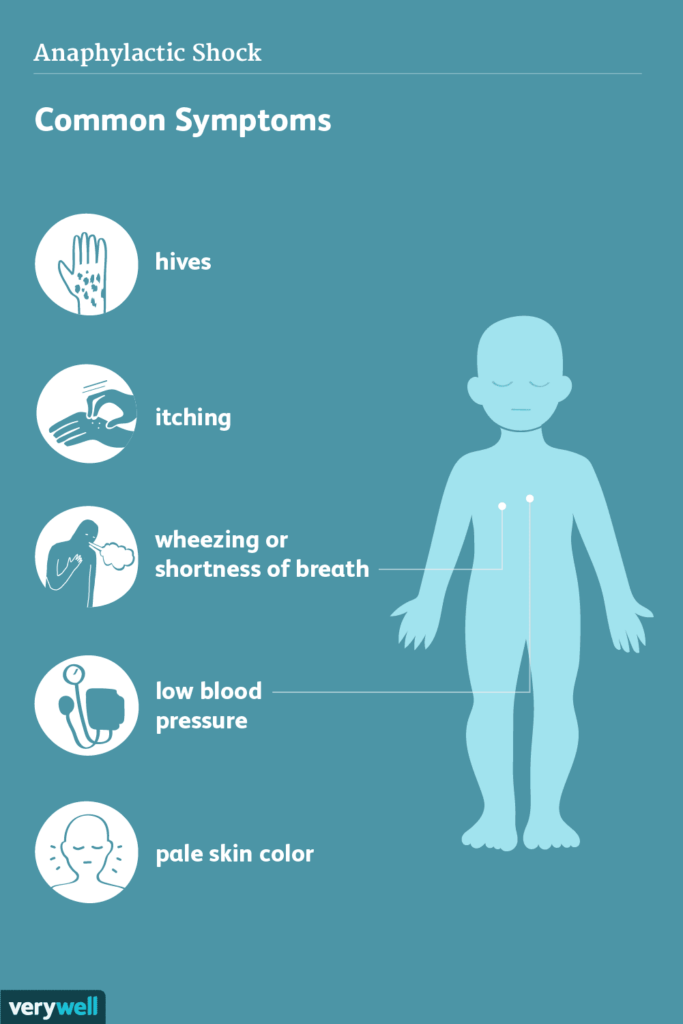
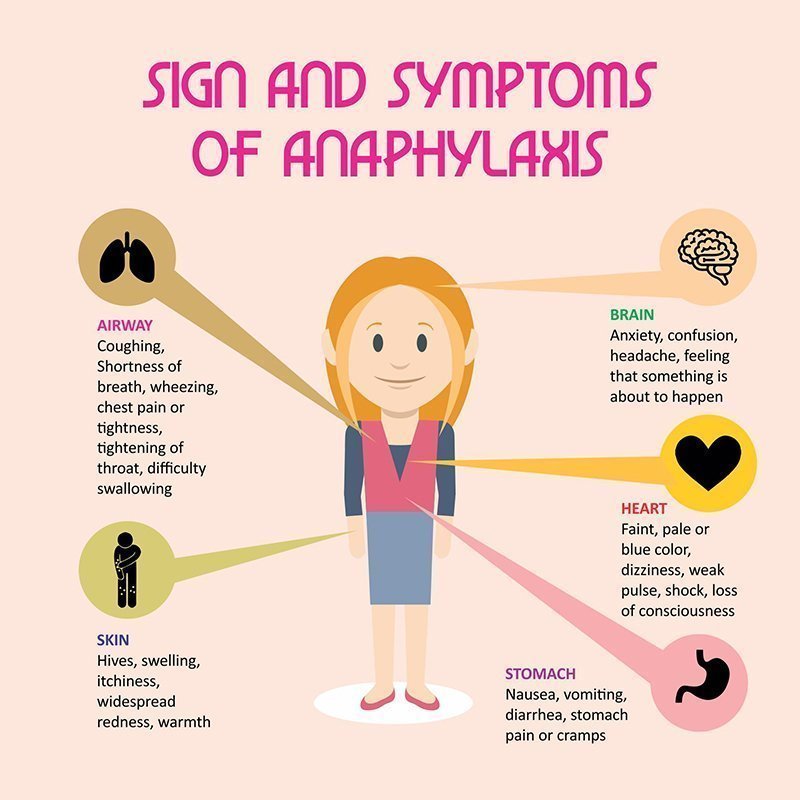
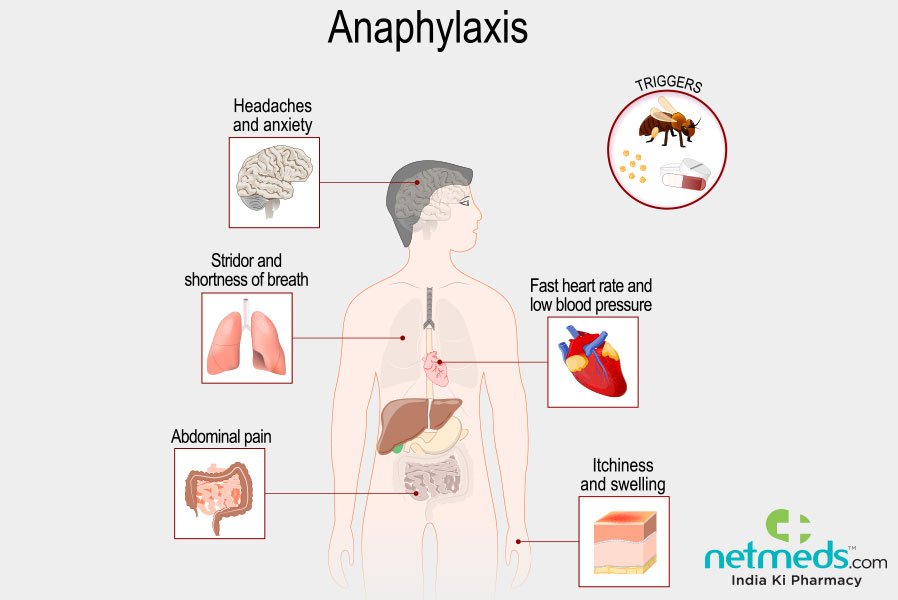
The symptoms of anaphylaxis can vary but typically involve skin reactions such as hives, itching, and flushing. Other common symptoms include swelling of the face, lips, or throat, difficulty breathing or wheezing, abdominal pain, nausea or vomiting, lightheadedness or dizziness, and a rapid or weak pulse. In severe cases, anaphylaxis can cause a sudden drop in blood pressure, resulting in shock and a loss of consciousness.
Common Triggers for Anaphylaxis
Food Allergies
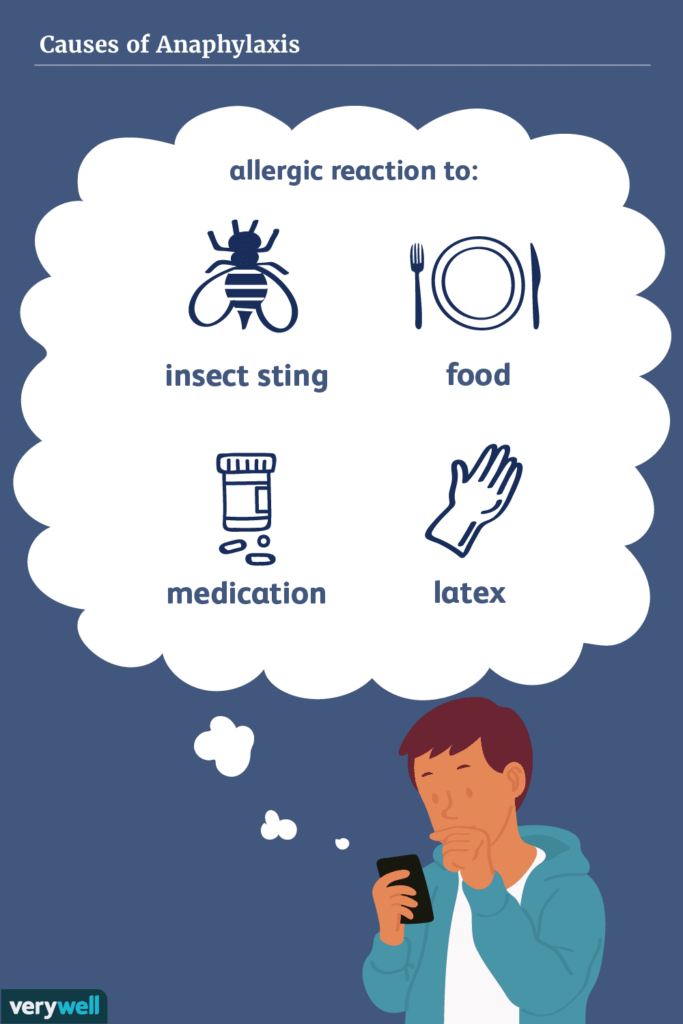
Food allergies are a common trigger for anaphylaxis. Certain foods can cause an immediate and severe allergic reaction in susceptible individuals. Some of the most common food allergens include peanuts, tree nuts, shellfish, fish, eggs, milk, soy, and wheat.
Insect Stings and Bites
Insect stings and bites, particularly from bees, wasps, hornets, yellow jackets, fire ants, and mosquitoes, can also trigger anaphylaxis. For individuals who are allergic to insect venom, even a single sting or bite can lead to a severe reaction.
Medication Reactions
Certain medications can cause anaphylaxis in susceptible individuals. Antibiotics, aspirin and nonsteroidal anti-inflammatory drugs (NSAIDs), opioids, and monoclonal antibodies are among the medications that have been known to trigger allergic reactions.
Latex Allergy
A latex allergy is another potential trigger for anaphylaxis. Exposure to latex products such as gloves, medical devices, or balloons can elicit an allergic response. Additionally, individuals who are allergic to latex may also experience cross-reactions when consuming certain foods like bananas, avocados, and kiwis.
Food Allergies
Peanuts
Peanut allergies are one of the most common and potentially serious food allergies, affecting both children and adults. Even trace amounts of peanuts or peanut products can trigger anaphylaxis in susceptible individuals.
Tree Nuts
Tree nuts, such as almonds, cashews, walnuts, and pistachios, can cause severe allergic reactions in some people. It’s important for individuals with a tree nut allergy to carefully read food labels and avoid cross-contamination.
Shellfish
Shellfish allergies are more commonly seen in adults and can cause severe reactions. Shellfish include a variety of crustaceans like shrimp, lobster, and crab, as well as mollusks such as clams, mussels, and oysters.
Fish
Fish allergies can be particularly problematic as individuals can be allergic to one type of fish but not others. Common allergenic fish include salmon, tuna, and cod. It’s vital to be cautious when dining out or purchasing packaged foods.
Eggs
Egg allergies are primarily seen in children and can cause anaphylactic reactions. This allergy is often outgrown by adulthood, but until then, it’s important to avoid consuming eggs or foods containing eggs.
Milk
Milk allergy is most commonly seen in young children and often outgrown by school age. However, milk and milk products can still trigger anaphylactic reactions in some individuals. Proper label reading and avoidance of milk-containing products is crucial.
Soy
Soy allergies can cause anaphylaxis in susceptible individuals. Soy is a common ingredient in many processed foods, so careful label reading is essential to avoid accidental exposure.
Wheat
Individuals with a wheat allergy can experience anaphylactic reactions upon consuming wheat or wheat-containing products. Wheat is often found in bread, pasta, and various baked goods. Substitutes like rice, corn, or gluten-free alternatives may be necessary.
Insect Stings and Bites
Bees
Bee stings are a common trigger for anaphylaxis, especially in individuals with a bee venom allergy. It’s important for individuals with known bee allergies to carry an epinephrine autoinjector in case of a sting.
Wasps
Similarly, wasp stings can trigger severe allergic reactions. Avoiding areas where wasps are present, wearing protective clothing, and promptly seeking medical attention if stung are essential precautions for those allergic to wasp venom.
Hornets
Hornets are particularly aggressive insects that can deliver highly venomous stings. People with hornet allergies should take extra care while outdoors, especially in areas where hornets are known to nest.
Yellow Jackets
Yellow jackets, which are a type of wasp, are more commonly encountered during warmer months. Individuals allergic to yellow jacket venom should be cautious and informed about their surroundings.
Fire Ants
Fire ant stings can lead to an allergic reaction, including anaphylaxis, in susceptible individuals. Avoiding fire ant mounds and seeking immediate medical attention if stung is important for those with fire ant allergies.
Mosquitoes
While most people experience mild reactions to mosquito bites, individuals with a mosquito allergy can have a severe allergic response. Preventative measures like using insect repellents and wearing protective clothing can help reduce the risk of a bite.
Medication Reactions
Antibiotics
Certain antibiotics, such as penicillin, can trigger allergic reactions in some individuals. It’s important to inform healthcare providers about any known medication allergies to avoid potential anaphylactic reactions.
Aspirin and Nonsteroidal Anti-inflammatory Drugs (NSAIDs)
Aspirin and NSAIDs like ibuprofen and naproxen sodium can induce anaphylaxis in susceptible individuals. It’s necessary to read labels and consult a healthcare professional if there is a known allergy to these medications.
Opioids
Opioid medications, including morphine and codeine, can potentially cause an allergic reaction leading to anaphylaxis. Anyone with a known opioid allergy must inform their healthcare providers to avoid these medications.
Monoclonal Antibodies
Monoclonal antibodies used for various medical conditions may rarely trigger anaphylactic reactions in some individuals. Vigilance, especially during the first few doses, is essential if receiving monoclonal antibody therapy.
Latex Allergy
Medical Products
Exposure to latex gloves, catheters, or other medical devices made from natural rubber latex can induce an allergic reaction. It’s crucial for healthcare professionals and individuals with known latex allergies to use latex-free alternatives.
Contact with Latex Products
Not only medical products but also items like balloons or rubber bands can contain latex, potentially causing anaphylaxis in allergic individuals. Avoiding direct contact with latex-containing products is necessary.
Food Cross-reactions
Individuals with a latex allergy may experience cross-reactivity with certain foods, such as bananas, avocados, and kiwis, due to similarities in proteins. Being aware of these potential cross-reactions is important to prevent anaphylactic responses.

Risk Factors for Anaphylaxis
Personal History of Anaphylaxis
Having previously experienced anaphylaxis puts individuals at a higher risk of future episodes. Strict avoidance of known triggers and carrying an epinephrine autoinjector at all times is crucial in managing this risk.
Previous Allergic Reactions
A history of severe allergic reactions, even if not anaphylactic, can increase the risk of anaphylaxis. Identifying and avoiding triggers, as well as having appropriate emergency medications, can reduce this risk.
Other Allergies
Having multiple allergies, such as asthma or hay fever, can increase the likelihood of anaphylaxis. Close monitoring and proactive management of these allergies are key to preventing severe allergic reactions.
Family History of Allergies
Having a family history of allergies, especially anaphylaxis, can predispose individuals to developing similar allergic reactions. It’s important to be aware of potential triggers and take necessary precautions.
Asthma
Individuals with asthma are at a higher risk of anaphylaxis. Proper management of asthma symptoms and avoiding triggers, along with carrying emergency medications, are vital for these individuals.
Age
Although anaphylaxis can occur at any age, infants and young children are particularly susceptible. Close monitoring of potential allergens and seeking prompt medical care is crucial in managing anaphylaxis in young individuals.
Preventing Anaphylaxis
Avoiding Triggers
The most effective way to prevent anaphylaxis is to avoid exposure to known triggers. This may involve reading food labels carefully, carrying allergy cards, or informing friends and family about specific triggers.
Carrying an Epinephrine Autoinjector
For individuals at risk of anaphylaxis, carrying an epinephrine autoinjector can be life-saving. This device delivers a dose of epinephrine, a medication that helps counteract the allergic reaction, in emergency situations.
Medical ID Bracelet
Wearing a medical ID bracelet that identifies specific allergies or medical conditions can provide vital information to emergency responders in case of an anaphylactic episode.
Allergy Shots (Immunotherapy)
Some individuals may benefit from allergy shots, or immunotherapy, to reduce the severity of allergic reactions over time. This treatment involves administering small amounts of allergens to desensitize the immune system gradually.
Managing Anaphylaxis
Recognizing Symptoms
It’s important to be able to recognize the symptoms of anaphylaxis promptly. Being familiar with the typical signs such as skin reactions, difficulty breathing, and rapid pulse can help initiate appropriate emergency measures.
Administering Epinephrine
If experiencing an anaphylactic reaction, it is crucial to administer epinephrine as soon as possible. Epinephrine helps reverse the symptoms by tightening blood vessels and relaxing muscles in the airways.
Calling Emergency Services
During an anaphylactic reaction, it is essential to call emergency services immediately. Anaphylaxis can escalate rapidly, and prompt medical assistance is crucial for managing the reaction and preventing complications.
Getting Prompt Medical Care
After administering epinephrine and seeking emergency services, it is important to receive prompt medical care. Healthcare professionals can help monitor the individual, provide additional treatments if necessary, and offer guidance on preventing future reactions.
Treatment for Anaphylaxis
Epinephrine
Epinephrine is the first-line treatment for anaphylaxis. It helps relieve symptoms by constricting blood vessels, relaxing airway muscles, and stabilizing blood pressure. Epinephrine should always be carried by individuals at risk of anaphylaxis.
Antihistamines
Histamines are substances released during an allergic reaction that contribute to symptoms like itching and rash. Antihistamines can help relieve these symptoms but may not be sufficient as a standalone treatment for anaphylaxis.
Corticosteroids
Corticosteroids, such as prednisone, are often given to reduce inflammation in the body during an anaphylactic reaction. They are typically administered alongside epinephrine for comprehensive treatment.
Bronchodilators
Bronchodilators are medications that help relax and open up the airways, making it easier to breathe during an anaphylactic reaction. They are often used in combination with other treatments to alleviate respiratory symptoms.
In conclusion, anaphylaxis is a severe allergic reaction that can be triggered by various allergens, including food, insect stings, medications, and latex. It is crucial to recognize the symptoms, avoid triggers, carry emergency medications like epinephrine, and seek prompt medical care in case of an anaphylactic reaction. With proper awareness, prevention, and management, individuals at risk of anaphylaxis can take necessary precautions to stay safe and minimize the risk of life-threatening reactions.