
Imagine being an athlete with dreams of achieving peak performance, only to be hindered by an underlying condition that impacts your ability to excel. This is the harsh reality for many athletes dealing with anemia, specifically iron deficiency. Anemia, a condition characterized by a decrease in red blood cells or hemoglobin levels, can have a profound impact on an athlete’s performance and overall health. In this article, we will explore the effects of anemia on athletes and how iron deficiency plays a crucial role in their ability to reach their full potential.

Introduction
What is anemia?
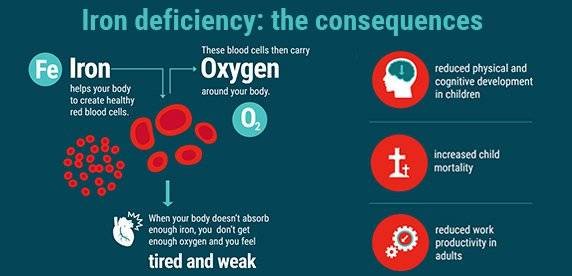
Anemia is a condition characterized by a decrease in the number of red blood cells or a decrease in the amount of hemoglobin in the blood. Hemoglobin is responsible for carrying oxygen from the lungs to the body’s tissues and organs. When the body does not have enough red blood cells or hemoglobin, it does not receive enough oxygen, leading to various symptoms and health complications.
Prevalence of anemia among athletes
Anemia is a common issue among athletes, affecting both professional and recreational athletes alike. According to various studies, the prevalence of anemia among athletes ranges from 15% to 30%, depending on the specific sport and population studied. The demands of intense training and competition can increase the risk of developing anemia, making it crucial for athletes to be aware of its potential impact on their performance.
Causes of Anemia
Iron deficiency
Iron deficiency is the most common cause of anemia in athletes. Intense exercise increases the demand for iron due to its role in producing hemoglobin. When iron intake is insufficient to meet these increased demands, iron stores in the body become depleted, leading to iron deficiency anemia.
Vitamin B12 deficiency
Vitamin B12 is essential for the production of red blood cells. Athletes following plant-based diets or those with gastrointestinal disorders that affect nutrient absorption may be at risk of vitamin B12 deficiency. This deficiency can disrupt red blood cell production and contribute to anemia.
Folate deficiency
Folate, also known as vitamin B9, is another nutrient necessary for red blood cell production. Insufficient folate intake or impaired absorption can lead to folate deficiency anemia. Athletes with poor dietary habits or digestive disorders may be prone to this deficiency.
Chronic diseases
Certain chronic diseases or medical conditions, such as kidney disease or autoimmune disorders, can cause anemia in athletes. These conditions may interfere with the body’s ability to produce or maintain healthy red blood cells.
Impact of Anemia on Athletes
Reduced oxygen-carrying capacity
Anemia significantly reduces the amount of oxygen that can be transported to the muscles during exercise. Oxygen is vital for energy production, and when there is a reduced oxygen-carrying capacity, athletes may experience decreased performance and endurance.
Decreased endurance and stamina
Anemia can lead to decreased endurance and stamina due to insufficient oxygen supply to the muscles. Athletes may feel fatigued quickly, become easily exhausted, and find it challenging to sustain their normal level of performance during training or competition.
Impaired muscle functioning
The muscles rely on oxygen to function optimally. Without an adequate supply of oxygen, muscle function is impaired, leading to reduced strength, coordination, and overall performance.
Increased fatigue and decreased performance
Anemia often presents with symptoms of fatigue, weakness, and lethargy. These physical and mental effects can severely impact an athlete’s performance, preventing them from performing at their best and achieving their goals.
Symptoms of Anemia in Athletes
General fatigue and weakness
One of the most common symptoms of anemia is feeling fatigued and weak, even with adequate rest. Athletes may find it challenging to muster the energy to complete their workouts or may feel constantly drained.
Shortness of breath
Due to the decreased oxygen-carrying capacity of the blood, athletes with anemia may experience shortness of breath even with minimal exertion. This can significantly impact their ability to perform at their usual level.
Decreased athletic performance
Anemia can cause a noticeable decline in athletic performance. Athletes may struggle to maintain their usual pace, power, or agility, and find it difficult to achieve their desired results.
Rapid heart rate and palpitations
In an attempt to compensate for the reduced oxygen supply, the heart may beat faster, leading to a rapid heart rate and palpitations. Athletes may experience an irregular or pounding heartbeat during exercise, further affecting their performance.
Pale skin and nails
Anemia can cause paleness in the skin and nails due to the reduced number of red blood cells. This physical manifestation can serve as a visual indicator for athletes to pay attention to their health and consider the possibility of anemia.
Diagnosis of Anemia
Complete blood count (CBC)
The first step in diagnosing anemia is a complete blood count (CBC) test. This test measures the number of red blood cells, white blood cells, and platelets, as well as hemoglobin and hematocrit levels. Abnormal results can indicate the presence of anemia.
Ferritin levels
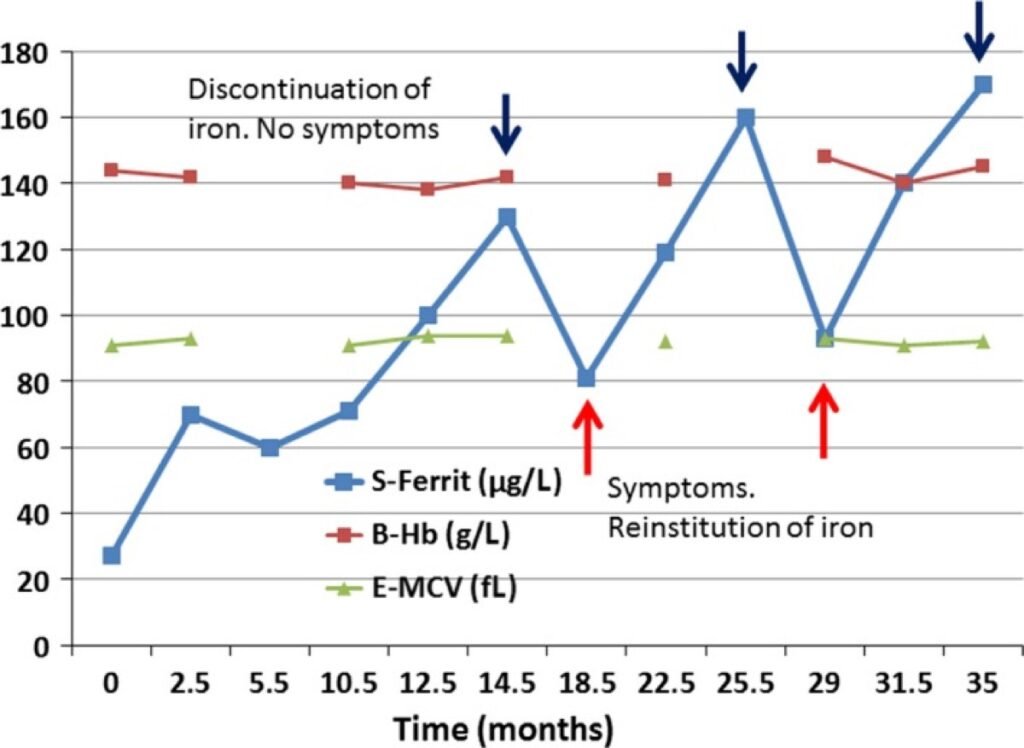
Ferritin, a protein that stores iron, is often measured to evaluate iron levels in the body. Low ferritin levels can indicate iron deficiency, which is a common cause of anemia in athletes.
Specific nutrient deficiency tests
If anemia is suspected, further tests may be conducted to determine the underlying cause. These tests could involve checking vitamin B12 and folate levels, as well as assessing other markers of nutritional deficiencies.
Treating and Managing Anemia
Iron supplementation
Iron supplementation is a common treatment for iron deficiency anemia. Athletes may be prescribed oral iron supplements or, in severe cases, receive intravenous iron therapy. It is essential to consult a healthcare professional to determine the appropriate dosage and duration of supplementation.
Dietary changes
Athletes with anemia can benefit from incorporating iron-rich foods into their diet. Lean meats, poultry, fish, leafy green vegetables, nuts, and seeds are excellent sources of iron. Additionally, foods rich in vitamin B12 and folate, such as eggs, dairy, fortified cereals, and legumes, should also be included.
Blood transfusions
In severe cases of anemia, particularly when there is a rapid need to increase oxygen-carrying capacity, blood transfusions may be necessary. These procedures involve receiving donated blood to replenish red blood cells.
EPO injections (for certain cases)
Erythropoietin (EPO) injections may be considered for athletes with chronic kidney disease or other conditions impacting the body’s production of red blood cells. EPO stimulates the bone marrow to produce more red blood cells, potentially improving an athlete’s performance.
Rest and recovery
Rest and recovery play a crucial role in managing anemia among athletes. Adequate sleep, rest days, and reducing training intensity can help the body recover and rebuild red blood cells. Coaches should work closely with athletes to ensure they have appropriate periods of rest to support their overall health.
Preventing Anemia in Athletes
Proper nutrition and diet
Maintaining a well-balanced diet is essential for preventing anemia among athletes. Adequate intake of iron, vitamin B12, and folate-rich foods should be prioritized. Athletes should aim for a diverse diet that includes lean proteins, whole grains, fruits, vegetables, and nuts.
Regular monitoring of iron levels
Regular monitoring of iron levels through blood tests can help track changes in an athlete’s iron status. This proactive approach allows for early detection and intervention, minimizing the risk of developing anemia.
Supplementation when necessary
Athletes with a higher risk of anemia, such as those with restricted diets or heavy menstrual bleeding, may benefit from supplementation. However, it is important to consult with a healthcare professional to determine the appropriate dosage and duration of supplementation.
Avoiding excessive exercise or overtraining
Excessive exercise and overtraining can contribute to anemia in athletes. It is crucial to prioritize rest days, incorporate recovery periods, and listen to the body’s signals. Balancing intense training with adequate rest can help maintain overall health and reduce the risk of anemia.
Effects of Anemia on Different Sports
Endurance sports (running, cycling)
Endurance sports heavily rely on the body’s oxygen-carrying capacity and energy production. Anemia can significantly impact an athlete’s ability to sustain high-intensity efforts, leading to decreased performance and increased fatigue during endurance events.
Strength and power sports (weightlifting, sprinting)
Anemia can negatively affect strength and power sports by impairing muscle function and reducing the body’s ability to generate explosive power. Athletes may struggle to lift heavy weights or achieve their maximum speed due to the limited oxygen supply to the muscles.
Team sports (soccer, basketball)
In team sports, anemia can hinder an athlete’s overall performance and compromise their ability to contribute effectively to the team. Fatigue, decreased endurance, and decreased power can limit an athlete’s ability to keep up with the demands of the game.
Impact on professional athletes
Anemia can have a significant impact on the performance and career of professional athletes. In highly competitive environments, even a slight decrease in performance due to anemia can result in missed opportunities, lower rankings, and potential setbacks in an athlete’s professional journey.

Case Studies
Anemia prevalence in professional athletes
Studies have shown that anemia is not uncommon among professional athletes. Research conducted on various sports, including swimming, endurance running, and soccer, has highlighted the prevalence of anemia among high-level athletes. These findings emphasize the importance of addressing anemia in professional sports and implementing preventive measures.
Impact on performance in Olympic athletes
The impact of anemia on performance has been observed in Olympic athletes as well. Several studies have indicated that anemia can lead to decreased performance and hinder an athlete’s ability to compete at their best during the Olympic Games. Recognizing and managing anemia in these elite athletes is crucial for optimizing their athletic potential.
Conclusion
Importance of recognizing and addressing anemia among athletes
Anemia is a common condition that can significantly impact an athlete’s physical and mental performance. Recognizing the signs and symptoms of anemia is crucial for early detection and intervention. By addressing anemia promptly, athletes can receive the necessary treatment and support to maintain optimal health and performance.
The role of healthcare professionals and coaches
Healthcare professionals, including physicians, nutritionists, and sports scientists, play a vital role in the prevention, diagnosis, and management of anemia among athletes. Their expertise and guidance can help athletes navigate the challenges of anemia and optimize their performance. Coaches also play a crucial role by recognizing the signs of anemia and collaborating with healthcare professionals to develop appropriate training plans and rest periods for athletes.
By understanding the impact of anemia on athletes and implementing preventive strategies, the athletic community can support the overall well-being and success of athletes in their pursuit of excellence.
