
It’s important to stay informed about the health of your little ones, especially when it comes to common conditions like anemia in children. Anemia, caused by iron deficiency, can have a significant impact on their growth and development. In this article, we’ll explore the signs to watch out for and discuss various treatment options available to help your child regain their vitality and thrive. So, let’s dive into the world of anemia in children and equip ourselves with the knowledge we need to ensure their well-being.
Anemia in Children: Signs and Treatment Options
Anemia is a common condition that affects many children worldwide. It occurs when the body lacks enough healthy red blood cells to carry adequate oxygen to the body’s tissues. In this comprehensive article, we will explore the various aspects of anemia in children, including its definition, prevalence, types, causes, signs and symptoms, diagnosis, treatment options, prevention and lifestyle changes, coping strategies, complications, and when to seek medical help.
1. Overview of Anemia in Children
1.1 Definition of Anemia
Anemia is a condition characterized by a low level of hemoglobin, the protein molecule in red blood cells responsible for carrying oxygen throughout the body. When the body does not have enough hemoglobin, it cannot supply sufficient oxygen to the organs and tissues, resulting in various symptoms and complications.
1.2 Prevalence of Anemia in Children
Anemia is a global health issue, particularly prevalent in developing countries. According to the World Health Organization (WHO), approximately 47% of children under the age of 5 worldwide suffer from anemia. Inadequate nutrition, limited access to healthcare, and parasitic infections contribute significantly to the high prevalence of anemia in children.
1.3 Types of Anemia
There are several types of anemia that can affect children. The most common type is iron deficiency anemia, which occurs when the body lacks enough iron to produce sufficient red blood cells. Other types include sickle cell anemia, hemolytic anemia, vitamin deficiency anemia, and aplastic anemia, each with its own distinct causes and characteristics.
1.4 Causes of Anemia
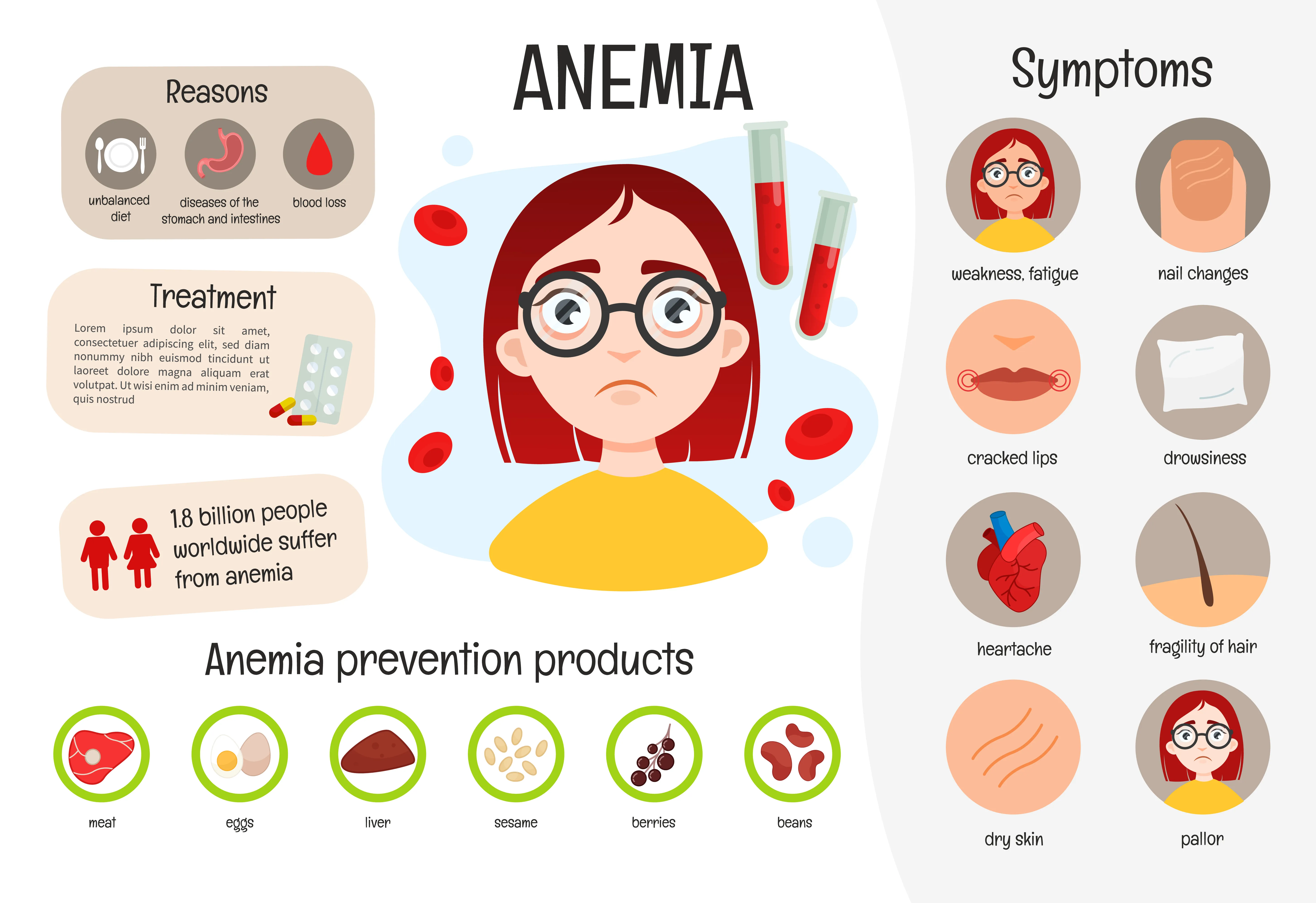
Anemia can develop due to various factors. The primary cause in children is iron deficiency, often resulting from inadequate dietary intake of iron-rich foods. Other causes include blood loss from injury or menstruation, genetic conditions, chronic diseases, vitamin deficiencies, and certain medications. Identifying the underlying cause is crucial for effective treatment.
2. Signs and Symptoms of Anemia in Children
Recognizing the signs and symptoms of anemia in children is essential for early detection and prompt treatment. While symptoms may vary depending on the severity and type of anemia, the following are common indicators:
2.1 Pallor
One of the most noticeable signs of anemia is pallor, which refers to paleness of the skin, lips, and inner lining of the eyelids. This occurs because there is less hemoglobin available to give blood its normal red color.
2.2 Fatigue and Weakness
Children with anemia often experience persistent tiredness and weakness. They may become easily fatigued even with minimal physical activity or exertion.
2.3 Shortness of Breath
Inadequate oxygen supply can lead to shortness of breath, especially during physical activities or even while at rest. Children with anemia may exhibit rapid or shallow breathing.
2.4 Rapid Heartbeat
Anemia can cause the heart to work harder to compensate for the lack of oxygen. As a result, children may experience a rapid or irregular heartbeat, known as tachycardia.
2.5 Poor Appetite and Weight Loss
Anemia can affect a child’s appetite, leading to poor eating habits and weight loss. Children may show a lack of interest in food, have difficulty finishing meals, or exhibit a diminished desire to eat altogether.
2.6 Dizziness and Fainting
In severe cases of anemia, children might experience dizziness or fainting spells. Reduced oxygen flow to the brain can result in lightheadedness and loss of consciousness.
2.7 Delayed Growth and Development
Chronic and untreated anemia can hinder a child’s normal growth and development. It may cause a lag in physical milestones, such as delayed height and weight gain, as well as cognitive and behavioral challenges.
2.8 Behavioral and Cognitive Issues
Children with anemia may display changes in behavior, such as irritability, difficulties with focus and concentration, and impaired learning abilities. These symptoms can significantly impact their academic performance and overall well-being.

3. Diagnosis of Anemia in Children
Accurately diagnosing anemia in children involves a combination of medical history assessment, physical examination, and blood tests. The following methods are commonly utilized by healthcare professionals:
3.1 Medical History and Physical Examination
Medical professionals will gather information about the child’s symptoms, medical history, and dietary habits. They will also conduct a thorough physical examination, checking for signs of anemia, such as pallor, rapid heartbeat, and poor growth.
3.2 Complete Blood Count (CBC)
A complete blood count test is one of the primary tools used to diagnose anemia. It measures various components, including hemoglobin levels, red blood cell count, hematocrit, mean corpuscular volume, and mean corpuscular hemoglobin concentration.
3.3 Additional Blood Tests
In some cases, additional blood tests may be necessary to determine the cause of anemia. These tests can assess factors like iron stores, vitamin levels, and red blood cell indices.
3.4 Iron Studies
Iron studies measure various indicators of iron status in the body, such as serum iron, total iron binding capacity, and transferrin saturation. These tests can help identify iron deficiency anemia and provide valuable information for treatment planning.
3.5 Bone Marrow Examination
In rare cases where the cause of anemia is unclear or suspected to be more complex, a bone marrow examination may be performed. This procedure involves collecting a small sample of bone marrow to evaluate its cellular composition and determine the underlying cause of anemia.
4. Treatment Options for Anemia in Children
The treatment approach for anemia in children depends on its underlying cause, severity, and associated symptoms. The following are common treatment options that healthcare providers may recommend:
4.1 Dietary Changes
In cases of mild anemia caused by a deficiency in iron or other nutrients, dietary modifications are often the first line of treatment. Encouraging a well-balanced diet that includes iron-rich foods, such as lean meats, green leafy vegetables, legumes, and fortified cereals, can help replenish nutrient stores.
4.2 Iron Supplementation
When dietary changes alone are insufficient, iron supplementation may be prescribed. Iron supplements come in various forms, including chewable tablets, liquids, or intravenous formulations, and are tailored to the child’s age and individual needs.
4.3 Blood Transfusion
In severe cases of anemia, particularly when symptoms are life-threatening or if rapid improvement is necessary, a blood transfusion may be required. This procedure involves replacing the child’s deficient red blood cells with healthy donor blood.
4.4 Treatment of Underlying Causes
Addressing the root cause of anemia is crucial for effective and lasting treatment. This may involve treating any underlying conditions, such as chronic infections, gastrointestinal disorders, or genetic abnormalities.
4.5 Management of Complications
If anemia has led to complications such as delayed growth, cognitive impairments, or heart problems, additional interventions may be necessary. These could include hormone therapies, nutritional support, specialized therapies, or surgeries, depending on the specific needs of the child.
5. Prevention and Lifestyle Changes
Preventing anemia in children involves implementing certain lifestyle changes and ensuring optimal nutrition and healthcare. The following strategies can help promote and maintain good health:
5.1 Promoting a Healthy Diet
Providing a well-balanced diet is key to preventing anemia in children. Emphasize the importance of including a variety of foods from different food groups, particularly those high in iron, such as lean meats, poultry, fish, tofu, beans, spinach, and fortified cereals.
5.2 Iron-Rich Foods for Children
Incorporating iron-rich foods into a child’s diet can significantly contribute to their iron stores. Some beneficial food options include red meat, poultry, fish, eggs, fortified grain products, legumes, leafy green vegetables, and dried fruits.
5.3 Breastfeeding and Formula Feeding
Breastfeeding provides essential nutrients, including iron, to infants. Ensuring appropriate breastfeeding practices, such as exclusive breastfeeding until 6 months of age and continued breastfeeding with appropriate complementary foods up to 2 years and beyond, can help prevent iron deficiency anemia. For formula-fed infants, iron-fortified formulas can provide the necessary iron intake.
5.4 Limiting Cow’s Milk Intake
Excessive cow’s milk consumption can lead to iron deficiency anemia, as it is a poor source of iron and can inhibit iron absorption. Limiting cow’s milk intake to no more than 2 cups (16 ounces) per day for children over the age of 1 can help prevent iron deficiency anemia.
5.5 Regular Check-ups and Monitoring
Regular visits to healthcare providers are essential for monitoring a child’s growth, development, and overall health. Physicians can track iron levels through routine blood tests, address any concerns promptly, and provide necessary guidance and support.
6. Coping with Anemia in Children
Diagnosing and managing anemia in children can be challenging for both the child and their caregivers. Here are some strategies to help cope with the condition:
6.1 Supportive Care
Providing emotional support, reassurance, and understanding is crucial for children with anemia. Creating a caring and nurturing environment can help alleviate anxiety, increase confidence, and facilitate their overall well-being.
6.2 Emotional Support
Anemia can significantly impact a child’s emotional state. Foster open communication, listen attentively, and encourage your child to express their feelings. Seeking professional counseling or joining support groups for children with chronic illnesses may also be beneficial.
6.3 Education and Advocacy
Educate yourself and your child about anemia, its causes, symptoms, and treatment options. Empower your child to be actively involved in their healthcare decisions when appropriate. Advocating for your child’s needs and working closely with healthcare providers can lead to better outcomes.
6.4 Creating a Safe Environment
Children with anemia may have certain requirements, such as avoiding infections, managing fatigue, and following dietary restrictions. Ensure their living environment supports these needs by taking necessary precautions, providing restful spaces, and accommodating their dietary requirements.

7. Complications of Anemia in Children
When left untreated or poorly managed, anemia in children can lead to various complications, including:
7.1 Delayed Growth and Development
Chronic anemia can impair a child’s growth and development, resulting in stunted height, weight, and cognitive abilities. Early detection and appropriate treatment are vital to prevent long-term detrimental effects.
7.2 Cognitive and Behavioral Issues
Anemia can affect a child’s cognitive function and behavior. They may experience difficulties with concentration, memory, learning, and exhibit behavioral challenges. Managing anemia effectively can help mitigate these complications.
7.3 Heart Problems
In cases of severe anemia, the heart may need to work harder to compensate for the lack of oxygen in the body. This increased workload can potentially lead to heart problems, including irregular heart rhythms, enlargement, or heart failure if left untreated.
7.4 Weakened Immune System
Anemia weakens the immune system, making children more susceptible to infections. Frequent or recurrent infections, such as respiratory or urinary tract infections, may occur, further impacting their overall health and well-being.
8. When to Seek Medical Help
Knowing when to seek medical help is essential for promptly addressing anemia-related concerns. The following situations warrant immediate medical attention:
8.1 Persistent Symptoms
If a child’s anemia symptoms persist or worsen despite initial treatment measures, it is crucial to consult a healthcare professional. This could indicate an underlying cause that requires further investigation and adjustment of the treatment plan.
8.2 Signs of Severe Anemia
Certain symptoms may indicate severe anemia and require urgent medical evaluation. These include severe fatigue, shortness of breath at rest, rapid or irregular heartbeat, chest pain, or fainting spells.
8.3 Frequent Infections
If a child with anemia experiences recurrent or persistent infections, it is important to seek medical advice. Prompt diagnosis and treatment can help address underlying immune system weaknesses and prevent further complications.
8.4 Lack of Improvement with Treatment
If a child’s anemia does not improve or if symptoms persist despite following the recommended treatment plan, it is crucial to consult with the healthcare provider. Adjustments may be necessary to ensure adequate management and proper resolution.

9. Conclusion
Anemia in children is a widespread condition that can have significant implications for their health and well-being. Recognizing the signs and symptoms, obtaining an accurate diagnosis, and implementing appropriate treatment options are crucial steps in managing the condition effectively. Through preventive measures, lifestyle adjustments, and supportive care, children with anemia can lead fulfilling lives and reach their full potential. If you suspect your child may be experiencing symptoms of anemia, consult a healthcare professional for expert guidance and assistance. Remember, early detection and intervention are key to ensuring their optimal growth and development.