
Feeling exhausted all the time? Wondering why you lack the energy to tackle your daily tasks? Look no further than the connection between anemia and fatigue. Anemia occurs when your body lacks sufficient healthy red blood cells or hemoglobin, leading to a decrease in oxygen transportation throughout your body. This shortage of oxygen can leave you feeling constantly tired, drained, and unable to function at your usual capacity. But fear not, understanding the link between anemia and fatigue is the first step towards reclaiming your vitality and rejuvenating your energy levels.
Causes of Anemia
Anemia is a condition characterized by a low level of red blood cells or hemoglobin in the blood. There are several factors that can lead to the development of anemia, including:
Iron deficiency
One of the most common causes of anemia is iron deficiency. Iron is essential for the production of hemoglobin, which allows red blood cells to carry oxygen throughout the body. When there is insufficient iron available, the body is unable to produce enough hemoglobin, resulting in anemia.
Chronic diseases
Certain chronic conditions, such as kidney disease, can lead to anemia. These diseases can interfere with the production or function of red blood cells, causing a decrease in their number or effectiveness.
Kidney diseases
Kidney diseases, including chronic kidney disease and renal failure, can result in anemia. The kidneys produce a hormone called erythropoietin, which stimulates the production of red blood cells. When the kidneys are unable to function properly, there may be a decrease in erythropoietin production, leading to anemia.
Pregnancy
Pregnancy can cause anemia due to the increased demand for blood and nutrients. The body needs to produce more red blood cells to support both the mother and the developing fetus. If the mother’s iron stores are insufficient, anemia may occur.
Inherited disorders
Some individuals may be born with inherited disorders that affect the production or function of red blood cells. These genetic conditions, such as sickle cell anemia or thalassemia, can lead to chronic anemia throughout a person’s life.
Certain medications
Certain medications, such as chemotherapy drugs, can have a negative impact on the production of red blood cells. Additionally, nonsteroidal anti-inflammatory drugs (NSAIDs) can cause gastrointestinal bleeding, which can result in anemia.
Vitamin deficiencies
Deficiencies in vitamins like B12, folate, or vitamin C can also contribute to the development of anemia. These vitamins are necessary for red blood cell production, and their absence can lead to decreased red blood cell counts.
Bone marrow disorders
Disorders affecting the bone marrow, such as aplastic anemia, can cause anemia. In aplastic anemia, the bone marrow fails to produce a sufficient number of red blood cells, leading to anemia.
Hormonal disorders
Certain hormonal disorders, such as hypothyroidism, can contribute to anemia. These disorders can disrupt the production or function of red blood cells, resulting in anemia.
Aplastic anemia
Aplastic anemia is a rare condition in which the bone marrow fails to produce enough red blood cells, white blood cells, and platelets. It can be caused by autoimmune diseases, exposure to toxins, certain medications, or infections.
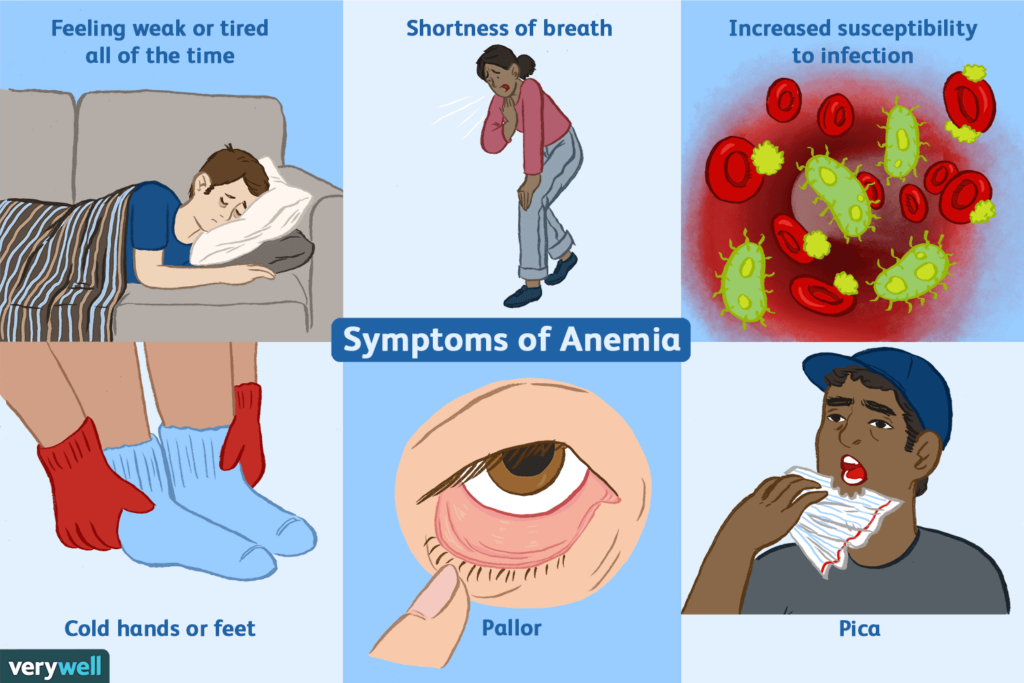
Symptoms of Anemia
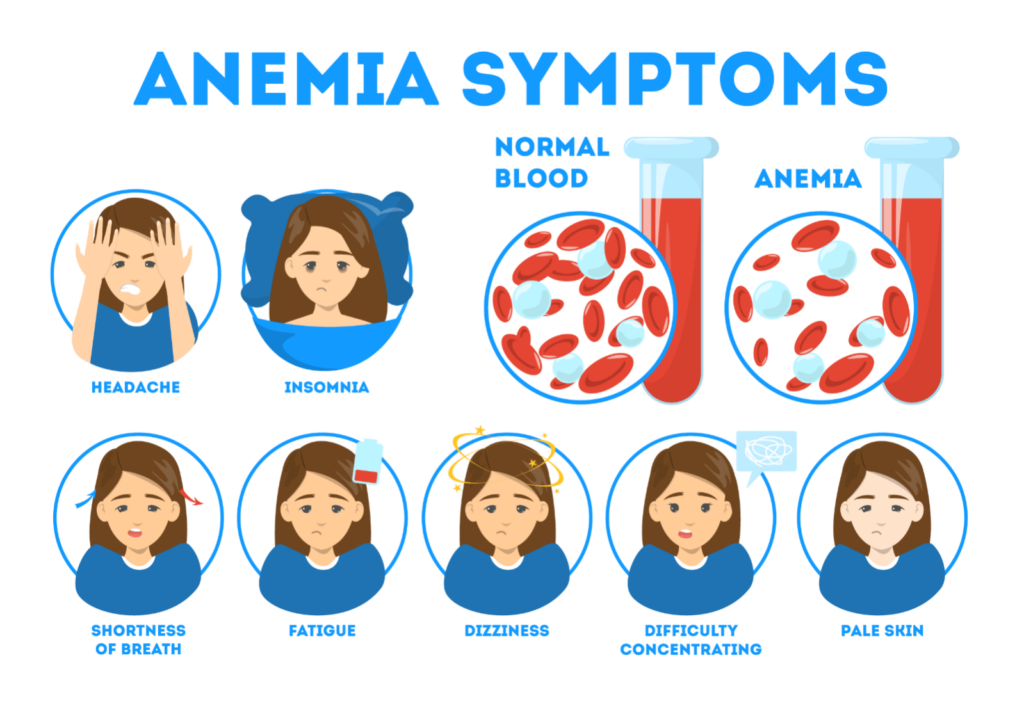
Anemia can cause a variety of symptoms due to the decreased oxygen-carrying capacity of the blood. If you have anemia, you may experience:
Fatigue
Feeling tired or exhausted is a common symptom of anemia. With a lower number of red blood cells to carry oxygen, your body may not be able to function at its optimal level, leading to fatigue.
Weakness
Anemia can result in general weakness throughout the body. Tasks that were once easy may become more difficult due to reduced energy levels.
Pale skin
One visible sign of anemia is pale or yellowish skin. The decreased number of red blood cells can make the skin appear less vibrant or healthy.
Shortness of breath
Low levels of oxygen in the blood can make it difficult to breathe, causing shortness of breath. This symptom may be especially noticeable during physical activity or exertion.
Dizziness
A lack of oxygen-carrying capacity can also lead to dizziness or lightheadedness. You may feel faint or have a sensation of spinning.
Irregular heartbeats
Anemia can affect the heart’s ability to pump blood effectively, leading to irregular heartbeats or palpitations. This can cause feelings of racing, fluttering, or a skipped heartbeat.
Chest pain
In some cases, anemia may cause chest pain or discomfort. This can occur due to the heart working harder to compensate for the decreased oxygen levels.
Cold hands and feet
Reduced blood flow to the extremities can result in cold hands and feet. You may notice that your hands and feet feel colder than usual, even in warm environments.
Headache
Anemia can cause headaches or migraines due to decreased oxygen supply to the brain. These headaches can range from mild to severe and may be accompanied by other symptoms, such as dizziness or fatigue.
Poor concentration
Anemia can affect cognitive function, leading to difficulties with concentration, memory, and overall mental clarity. You may find it challenging to focus on tasks or perform mentally demanding activities.
It’s important to note that the severity and combination of symptoms can vary depending on the underlying cause and individual factors. If you are experiencing any of these symptoms, it is recommended to consult with a healthcare professional for proper diagnosis and treatment.
Types of Anemia
There are various types of anemia, each with its own causes and characteristics. Some common types of anemia include:
Iron-deficiency anemia
Iron-deficiency anemia is the most common type of anemia worldwide. It occurs when the body doesn’t have enough iron to produce sufficient hemoglobin. This can be caused by factors such as inadequate dietary intake of iron, blood loss from menstruation or gastrointestinal bleeding, or decreased iron absorption.
Vitamin deficiency anemia
Vitamin deficiency anemia can occur due to a lack of essential vitamins like B12, folate, or vitamin C. These vitamins are necessary for red blood cell production. Deficiencies can occur due to inadequate dietary intake, poor absorption, or certain medical conditions.
Aplastic anemia
Aplastic anemia is a rare condition characterized by the failure of the bone marrow to produce enough red blood cells, white blood cells, and platelets. This can be caused by factors such as autoimmune diseases, exposure to toxins, certain medications, or infections.
Hemolytic anemia
In hemolytic anemia, red blood cells are destroyed more quickly than they can be produced. This can be caused by inherited conditions, autoimmune disorders, infections, or certain medications.
Sickle cell anemia
Sickle cell anemia is a genetic disorder that affects hemoglobin, causing red blood cells to become abnormally shaped. This can result in decreased oxygen flow to tissues, leading to pain, organ damage, and other complications.
Thalassemia
Thalassemia is an inherited blood disorder that affects the production of hemoglobin. There are different types of thalassemia, with varying degrees of severity. It can cause anemia and other complications, depending on the specific type.
Pernicious anemia
Pernicious anemia is an autoimmune condition that occurs due to a lack of intrinsic factor, a protein needed for vitamin B12 absorption. Without intrinsic factor, the body cannot effectively absorb vitamin B12 from the diet, leading to anemia.
Fanconi anemia
Fanconi anemia is a rare genetic disorder that affects the bone marrow and leads to decreased production of all types of blood cells. It can cause various abnormalities and increase the risk of developing certain types of cancer.
Hemorrhagic anemia
Hemorrhagic anemia occurs when there is excessive blood loss, leading to a decrease in red blood cells. This can be caused by acute or chronic bleeding from sources such as trauma, gastrointestinal ulcers, or certain medical conditions.
Hemolytic uremic syndrome
Hemolytic uremic syndrome is a rare condition that primarily affects children and can result from certain bacterial infections, such as Escherichia coli (E. coli) infection. It causes destruction of red blood cells, low platelet count, and kidney damage.
It’s important to determine the specific type of anemia in order to guide appropriate treatment and management options. Medical professionals will conduct thorough evaluations and tests to diagnose the underlying cause of anemia and tailor treatment accordingly.

Iron Deficiency Anemia
Iron deficiency anemia is the most common type of anemia, affecting millions of people worldwide. It occurs when the body doesn’t have enough iron to produce sufficient hemoglobin, the protein in red blood cells responsible for carrying oxygen.
The most common type
Iron deficiency anemia is widespread, particularly among certain populations such as women of reproductive age, young children, and individuals with poor dietary habits.
Caused by insufficient iron levels
The primary cause of iron deficiency anemia is a lack of iron in the body. Inadequate dietary intake, poor absorption of iron, or increased iron needs due to growth, pregnancy, or blood loss can all contribute to insufficient iron levels.
Risk factors for iron deficiency
Certain factors can increase the risk of developing iron deficiency anemia. These include a diet low in iron-rich foods, frequent blood donation, pregnancy or breastfeeding, gastrointestinal disorders that affect iron absorption, and chronic illnesses such as kidney disease.
Effect on the body’s oxygen-carrying capacity
Iron deficiency anemia leads to a decreased ability of red blood cells to carry oxygen to the tissues. This can result in symptoms such as fatigue, weakness, shortness of breath, and poor concentration.
Contributing dietary factors to iron deficiency
A diet lacking in iron-rich foods is a common factor contributing to iron deficiency anemia. Foods such as red meat, fish, poultry, beans, and leafy green vegetables are good sources of dietary iron. In contrast, a diet high in processed or fast foods may be low in iron.
Prevention and treatment
Preventing and treating iron deficiency anemia involves increasing iron intake through dietary modifications or supplementation. Consuming iron-rich foods, such as lean meats, nuts, and fortified cereals, can help prevent iron deficiency anemia. In some cases, iron supplements may be prescribed by a healthcare professional.
It is crucial to seek medical advice for proper diagnosis and guidance on managing iron deficiency anemia. Medical professionals can determine the underlying cause, evaluate individual needs, and provide appropriate treatment options to restore iron levels and alleviate symptoms.
