
In the world of occupational hazards, one particularly insidious and widely known danger is the exposure to asbestos. Asbestosis, a chronic lung disease caused by inhaling asbestos fibers, can have devastating consequences for those affected. However, there is hope for seeking compensation to assist those who have been exposed to asbestos in the workplace. Through asbestosis lawsuits, individuals can pursue financial restitution to help cover medical expenses and provide support for their families during these difficult times. Let us explore the process and options available for those seeking compensation in asbestosis cases.
1. What is Asbestosis?
Asbestosis is a chronic lung disease that is caused by inhaling asbestos fibers. Asbestos is a group of naturally occurring minerals that were extensively used in various industries, such as construction, manufacturing, and shipbuilding, due to their heat resistance and durability. When asbestos fibers are released into the air and inhaled, they can become lodged in the lungs, leading to inflammation and scarring of the lung tissue. Over time, this can result in symptoms such as shortness of breath, coughing, chest pain, and fatigue.
2. Causes and Risk Factors
2.1 Occupational Exposure
The primary cause of asbestosis is occupational exposure to asbestos. Workers in industries such as mining, construction, insulation manufacturing, shipbuilding, and automotive repair are at a higher risk of developing asbestosis due to the frequent and prolonged exposure to asbestos fibers. These workers may breathe in significant amounts of asbestos dust and fibers on a daily basis, leading to the accumulation of asbestos in their lungs over time.
2.2 Duration and Intensity of Exposure
The duration and intensity of asbestos exposure play a crucial role in the development of asbestosis. Individuals who have been exposed to asbestos for a longer period of time and have had higher levels of exposure are more likely to develop asbestosis. Additionally, those who have worked directly with asbestos-containing materials or in environments with poor ventilation are at an increased risk.
2.3 Other Risk Factors
While occupational exposure is the primary risk factor for asbestosis, other factors may contribute to the development of the disease. Smoking, for example, greatly enhances the risk of developing asbestosis in individuals who have been exposed to asbestos. Smoking weakens the lungs and makes them more susceptible to the harmful effects of asbestos fibers. Age and pre-existing lung conditions may also increase the likelihood of developing asbestosis.
3. Understanding Asbestosis Lawsuits
3.1 Legal Basis for Asbestosis Lawsuits
Asbestosis lawsuits are typically based on the principle of negligence. The injured party (plaintiff) must demonstrate that another party (defendant) had a duty to exercise reasonable care to prevent harm, breached that duty, and caused the plaintiff’s injuries. In the case of asbestosis, defendants are often the manufacturers, contractors, or employers who exposed individuals to asbestos without providing adequate warnings or safety measures.
3.2 Statute of Limitations
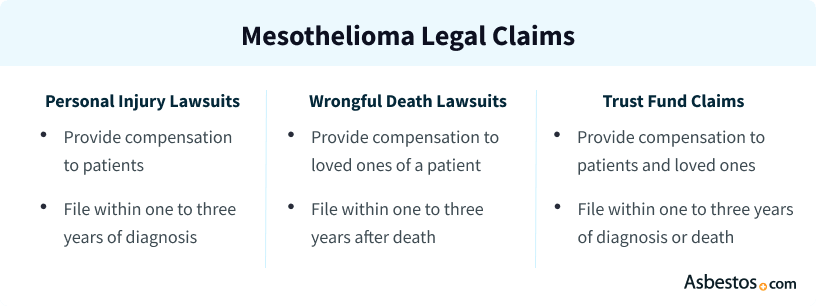
It is important to note that there is a statute of limitations, or a time limit, within which an asbestosis lawsuit must be filed. The timeframe for filing a lawsuit varies from state to state, but it is generally within a few years from the date of diagnosis or discovery of the disease. It is crucial to consult with an attorney promptly to ensure compliance with the statute of limitations and protect your legal rights.
3.3 Elements of a Successful Asbestosis Lawsuit
To have a successful asbestosis lawsuit, you must establish certain elements. These include proving that you have been exposed to asbestos, that the exposure occurred due to the negligence of the defendant, that the exposure caused your asbestosis, and that you have suffered damages as a result. Medical evidence, employment records, and expert testimony are often necessary to support these elements and strengthen your case.
4. Types of Compensation Available
4.1 Medical Expenses
One of the primary forms of compensation available in asbestosis lawsuits is for related medical expenses. This includes the cost of hospital stays, doctor visits, medication, rehabilitation, and any other necessary medical treatments. Asbestosis is a chronic disease that often requires ongoing medical care, and compensation can help alleviate the financial burden associated with treatment.
4.2 Lost Wages and Future Earnings
Asbestosis can have a significant impact on a person’s ability to work. Many individuals with asbestosis experience a decline in lung function, which may limit their capacity to perform certain job tasks or prevent them from working altogether. Compensation may be available for lost wages and future earning capacity to help individuals maintain financial stability despite the impact of the disease on their ability to work.
4.3 Pain and Suffering
Asbestosis can cause considerable physical and emotional pain and suffering. Compensation may be awarded to account for the pain, discomfort, and diminished quality of life experienced by individuals with asbestosis. Although it is difficult to quantify these non-economic damages, they are an essential component of seeking full and fair compensation in asbestosis lawsuits.
4.4 Wrongful Death Compensation
In cases where asbestosis leads to the death of an individual, their surviving family members may be entitled to wrongful death compensation. This can include compensation for funeral expenses, loss of financial support, loss of companionship, and other damages resulting from the loss of a loved one due to asbestosis.
5. Steps to File an Asbestosis Lawsuit
5.1 Consultation with an Attorney
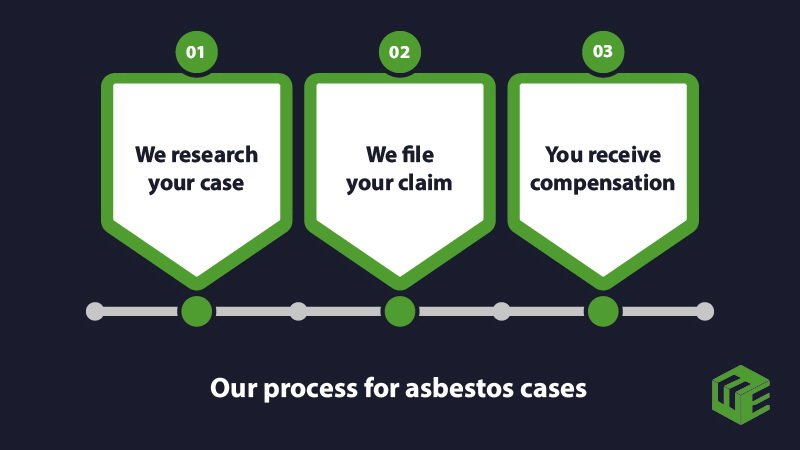
The first step in filing an asbestosis lawsuit is to consult with an experienced attorney who specializes in asbestos-related cases. They can evaluate the details of your situation, assess the strength of your case, explain the legal process, and guide you through each step.
5.2 Gathering Medical and Employment Records
To support your claim, it is crucial to gather all relevant medical records documenting your diagnosis and treatment of asbestosis. Additionally, obtaining employment records that establish your history of asbestos exposure is vital in establishing liability. Your attorney can assist you in obtaining these records and ensuring that you have the necessary documentation.
5.3 Identifying Responsible Parties
Identifying the responsible parties in your case is essential for holding them accountable and seeking compensation. Your attorney will conduct a thorough investigation to determine the parties responsible for your asbestos exposure, which can include manufacturers, contractors, or employers. In some cases, more than one party may be liable.
5.4 Filing the Lawsuit
Once you have gathered the necessary evidence and identified the responsible parties, your attorney will prepare the formal complaint and file the lawsuit on your behalf. This initiates the legal process and puts the defendants on notice that you are seeking compensation for your asbestosis.
5.5 Discovery Process
During the discovery process, both sides will exchange information and evidence relevant to the case. This can include documents, medical records, employment records, and depositions of witnesses. The discovery process allows each party to gather the necessary information to build their case and assess the strengths and weaknesses of the opposing side’s arguments.
5.6 Settlement or Trial
After the discovery process has concluded, there are typically two possible outcomes: settlement or trial. Many asbestosis lawsuits are settled out of court, where the parties reach an agreement on the amount of compensation to be awarded. However, if a fair settlement cannot be reached, the case may proceed to trial, where a judge or jury will determine the outcome based on the presented evidence and arguments.
6. The Role of Expert Witnesses
6.1 Medical Experts
In asbestosis lawsuits, medical experts play a crucial role in establishing the link between asbestos exposure and the development of the disease. They provide valuable testimony to support the diagnosis of asbestosis, explain the progression and impact of the disease on the individual’s health, and assess the need for ongoing medical treatment and care. Medical experts provide objective and scientific evidence that strengthens the plaintiff’s case.
6.2 Occupational Experts
Occupational experts are often consulted to evaluate the extent and nature of an individual’s asbestos exposure in the workplace. They can testify about industry standards, work practices, and the level of asbestos exposure that occurred in a particular occupation or industry. Occupational experts assist in establishing the negligence of defendants and proving that the defendant’s actions or omissions led to the plaintiff’s exposure and subsequent development of asbestosis.
6.3 Economic Experts
Economic experts evaluate the financial impact of asbestosis on the plaintiff’s life. They consider factors such as medical expenses, lost wages, the diminished earning capacity, and the overall financial consequences of the disease. Economic experts provide the court with a comprehensive analysis of the economic losses suffered by the plaintiff due to asbestosis, helping to determine the appropriate compensation to be awarded.
7. Class Action Lawsuits
7.1 Overview of Class Action Lawsuits
In some instances, individuals with asbestosis may choose to join a class action lawsuit. A class action lawsuit combines the claims of multiple individuals who have suffered similar harm from a common defendant. This allows for efficiency in handling numerous claims simultaneously and can provide a stronger position against large companies with significant resources.
7.2 Pros and Cons of Joining a Class Action
Joining a class action lawsuit has its advantages and disadvantages. The primary advantage is that it reduces the time and cost involved in pursuing an individual lawsuit. Moreover, there is strength in numbers as multiple plaintiffs can combine to build a stronger case against a common defendant. However, a potential disadvantage is that any settlement or verdict obtained in a class action is divided among all class members, which may result in lower individual compensation compared to an individual lawsuit.
8. Mesothelioma vs. Asbestosis Lawsuits
8.1 Difference Between Mesothelioma and Asbestosis
While both mesothelioma and asbestosis are asbestos-related diseases, there are distinct differences between the two. Mesothelioma is a rare and aggressive form of cancer that affects the lining of the lungs, chest, abdomen, or heart. Asbestosis, on the other hand, is a non-cancerous lung disease characterized by scarring and inflammation of lung tissue due to asbestos exposure. The treatment options, prognosis, and legal considerations for both diseases differ significantly.
8.2 Types of Compensation Available for Mesothelioma
Individuals diagnosed with mesothelioma may be eligible for similar types of compensation as those with asbestosis, including medical expenses, lost wages, pain and suffering, and wrongful death compensation for their loved ones. However, due to the aggressive nature of mesothelioma and its generally poor prognosis, compensation amounts for mesothelioma cases may be higher to reflect the severity of the disease and the significant impact it can have on the individual and their family.

9. Settlements and Verdicts in Asbestosis Lawsuits
9.1 Notable Asbestosis Lawsuit Settlements
Over the years, there have been several notable settlements in asbestosis lawsuits. These settlements have provided compensation to individuals harmed by asbestos exposure and have served as a means of holding defendants accountable for their negligence. While specific settlement amounts may vary based on the individual circumstances of each case, some settlements have resulted in significant financial relief for those affected by asbestosis.
9.2 High-Profile Asbestosis Lawsuit Verdicts
In addition to settlements, there have also been high-profile verdicts in asbestosis lawsuits that have made headlines. These verdicts have awarded substantial compensation to plaintiffs and have brought attention to the devastating impact of asbestos exposure. Verdicts can vary widely depending on the strength of the evidence presented, the degree of negligence established, and other factors relevant to the specific case.
10. Finding Legal Assistance
10.1 Choosing the Right Asbestosis Attorney
When seeking compensation for asbestosis, it is crucial to choose the right attorney to represent your interests. Look for an attorney with experience in asbestos-related cases who has a track record of successfully litigating such lawsuits. Consider their expertise, reputation, and their willingness to take the time to understand your specific situation. A skilled attorney can guide you through the legal process, protect your rights, and fight for the compensation you deserve.
10.2 Legal Fees and Costs
Many asbestosis attorneys work on a contingency fee basis, which means that they only receive payment if they are successful in securing compensation for you. This arrangement allows individuals with asbestosis to pursue their legal claims without the upfront financial burden of attorney fees. It is important to discuss the fee structure with your attorney during the initial consultation to have a clear understanding of the costs involved and the potential compensation you may receive.
In conclusion, asbestosis is a serious lung disease caused by exposure to asbestos fibers. If you have been diagnosed with asbestosis, it is crucial to understand your rights and the legal options available to seek compensation. By consulting with an experienced asbestosis attorney, you can navigate the legal process, gather the necessary evidence, and pursue a lawsuit to hold the responsible parties accountable for their negligence. Remember to consult an attorney promptly to ensure compliance with the statute of limitations and protect your legal rights. With the right legal assistance, you can seek the compensation you deserve and achieve some measure of financial relief in the face of this debilitating disease.