
Living with Asbestosis: Managing the Symptoms and Enhancing Quality of Life
Imagine facing the challenges of living with Asbestosis – a chronic lung condition caused by exposure to asbestos fibers. The symptoms can be debilitating, ranging from shortness of breath to persistent coughing. Despite the difficulties, there are strategies and lifestyle changes that can be implemented to manage the symptoms and improve your overall quality of life. In this article, we will explore various ways to navigate the everyday challenges of Asbestosis, from medical treatments to self-care practices, empowering you to live a fulfilling and comfortable life.
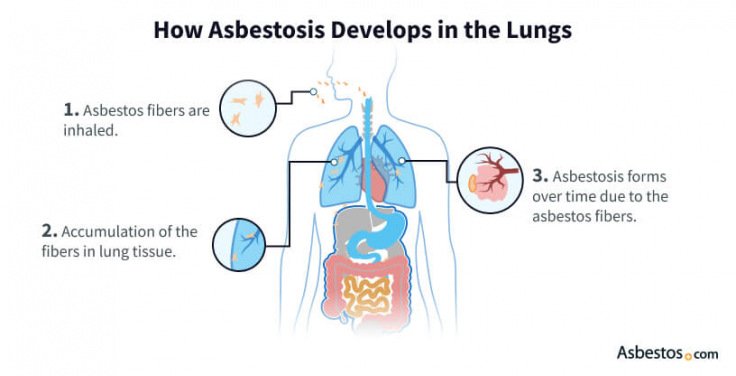
Understanding Asbestosis
Asbestosis is a chronic lung disease that develops as a result of inhaling asbestos fibers. These microscopic fibers can become trapped in the lungs, causing inflammation and scarring over time. This scarring, known as fibrosis, hinders the ability of the lungs to expand and contract properly, leading to breathing difficulties.
What is Asbestosis?
Asbestosis is a type of interstitial lung disease characterized by the progressive scarring of lung tissue. It is primarily caused by long-term exposure to asbestos, a naturally occurring silicate mineral widely used in various industries until its ban due to health concerns. Unlike asbestos-related cancers, which typically develop several decades after exposure, asbestosis can manifest within 10 to 20 years.
Causes of Asbestosis
The main cause of asbestosis is the inhalation and prolonged exposure to asbestos fibers. Occupations such as construction, mining, shipbuilding, and manufacturing have historically involved handling asbestos-containing materials, putting workers at higher risk. Additionally, individuals who lived with asbestos workers or resided near asbestos factories may have also been exposed to the harmful fibers.
Symptoms of Asbestosis
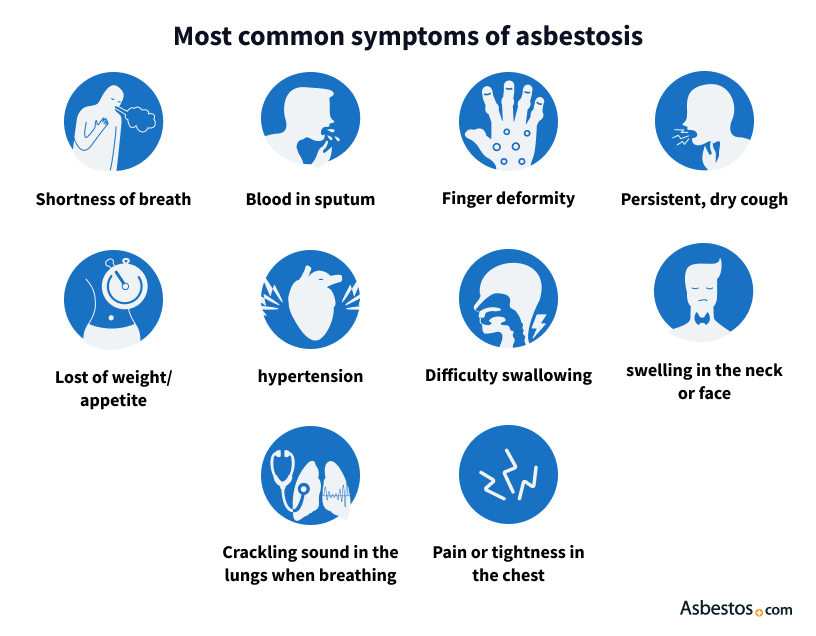
The symptoms of asbestosis can vary in severity, depending on the extent of lung damage. Persistent coughing, shortness of breath, and chest tightness are common early symptoms. As the disease progresses, individuals may experience fatigue, respiratory infections, clubbing of the fingers, and even heart problems. It is essential to seek medical attention if you experience any of these symptoms, especially if you have a history of asbestos exposure.
Diagnosing and Treating Asbestosis
Diagnosing Asbestosis
Diagnosing asbestosis involves a combination of medical history review, physical examination, and diagnostic tests. Your doctor will inquire about your occupational and environmental asbestos exposure, as well as your symptoms. They will also listen to your lungs for abnormal sounds using a stethoscope. However, definitive diagnosis typically requires further testing.
Medical Imaging Tests
Medical imaging tests, such as chest X-rays and high-resolution computed tomography (HRCT) scans, play a vital role in diagnosing asbestosis. These tests can detect characteristic abnormalities in the lungs, including pleural plaques, lung fibrosis, and calcified asbestos bodies. HRCT scans provide more detailed images and can help determine the extent of lung damage.
Pulmonary Function Tests
Pulmonary function tests (PFTs) measure how well your lungs are functioning. These tests assess lung capacity, airway resistance, and gas exchange. By measuring parameters such as forced vital capacity (FVC) and forced expiratory volume in one second (FEV1), PFTs can provide valuable information about breathing limitations and the severity of asbestosis.
Biopsy
In some cases, a lung biopsy may be necessary to confirm a diagnosis of asbestosis. During a biopsy, a small sample of lung tissue is extracted for examination under a microscope. This procedure is typically performed using a bronchoscope or a needle inserted through the chest wall. A biopsy allows for a detailed evaluation of the lung tissue, helping to differentiate asbestosis from other lung conditions.
Treatment Options
While there is no cure for asbestosis, various treatment options aim to manage symptoms, slow disease progression, and improve quality of life. Treatment plans are tailored to each individual’s specific needs and may involve a combination of medications, oxygen therapy, pulmonary rehabilitation, and surgical interventions.
Medications
Medications may be prescribed to alleviate symptoms and reduce inflammation in the lungs. Bronchodilators, which help relax the airway muscles, can improve breathing. Corticosteroids may be prescribed to decrease lung inflammation. Antibiotics may also be prescribed to treat respiratory infections.
Oxygen Therapy
Oxygen therapy may be recommended for individuals with severe breathing difficulties or low oxygen levels. Supplemental oxygen can help ensure an adequate oxygen supply to the body and relieve symptoms such as shortness of breath. Oxygen therapy can be administered through nasal prongs, a mask, or a portable oxygen concentrator.
Pulmonary Rehabilitation
Pulmonary rehabilitation programs are designed to improve lung function, enhance physical endurance, and enhance overall well-being. These programs typically involve a combination of exercise training, breathing exercises, education on lung disease management, and psychological support. Participating in pulmonary rehabilitation can significantly improve quality of life and functional capacity for individuals with asbestosis.
Surgical Intervention
In severe cases of asbestosis with significant lung damage, lung transplantation may be considered as a treatment option. However, this is typically reserved for individuals with advanced disease who meet specific criteria. Lung transplantation carries risks and requires a thorough evaluation by a specialized medical team.

Managing the Symptoms of Asbestosis
Breathing and Air Quality
Maintaining good air quality is crucial for managing asbestosis symptoms. Minimizing exposure to respiratory irritants such as air pollution, dust, and smoke is essential. Using air filters and regularly cleaning your living space can help reduce indoor pollutants. Additionally, avoiding extreme temperature changes and humid environments can help prevent aggravation of breathing difficulties.
Avoiding Triggers
Identifying and avoiding triggers that exacerbate symptoms is important. Certain environmental factors, such as exposure to allergens or irritants, can trigger respiratory distress. It is advisable to stay away from smoke, industrial fumes, and strong chemical odors. Understanding your triggers and taking proactive measures to avoid them can significantly improve your comfort and well-being.
Physical Activity and Exercise
Engaging in physical activity and exercise, under the guidance of healthcare professionals, can benefit individuals with asbestosis. Regular exercise can improve cardiovascular health, build endurance, and enhance overall well-being. Low-impact activities like walking, swimming, and cycling are often recommended. It is essential to start slowly and gradually increase intensity to avoid overexertion.
Breathing Techniques and Respiratory Muscle Training
Learning specific breathing techniques can help manage shortness of breath and improve lung function. Techniques such as pursed-lip breathing and diaphragmatic breathing can enhance oxygen exchange and reduce respiratory distress. Additionally, respiratory muscle training exercises using devices like spirometers or inspiratory muscle trainers may help strengthen the respiratory muscles, leading to improved breathing efficiency.
Psychological Support and Mental Health Care
Living with asbestosis can be emotionally challenging. Seeking psychological support and mental health care is essential to cope with the emotional impact of the disease. Professional counseling or therapy can provide tools to manage anxiety, depression, and stress related to living with a chronic condition. Additionally, joining support groups or connecting with others facing similar challenges can offer valuable emotional support and a sense of community.
Pain Management
Asbestosis can cause chest pain and discomfort. Pain management strategies, including the use of analgesics and non-pharmacological interventions, can help alleviate these symptoms. Nonsteroidal anti-inflammatory drugs (NSAIDs) or acetaminophen may be recommended for mild to moderate pain. Physical therapy, relaxation techniques, and heat or cold therapy can also provide relief.
Enhancing Quality of Life with Asbestosis
Diet and Nutrition
Maintaining a balanced diet and proper nutrition is crucial for overall health and well-being. Consuming a variety of fruits, vegetables, whole grains, lean proteins, and healthy fats can support the immune system and provide necessary nutrients for the body. Adequate hydration is also important to prevent dehydration and maintain optimal lung function.
Hydration
Staying hydrated is especially important for individuals with asbestosis. Drinking enough fluids helps keep the mucous membranes in the airways moist, making it easier to clear mucus and breathe more comfortably. Water, herbal teas, and hydrating foods like fruits and vegetables are excellent choices for hydration.
Sleep and Rest
Getting sufficient sleep and rest is essential for managing asbestosis symptoms and maintaining overall health. Fatigue and shortness of breath can impact sleep quality, so it is important to establish a consistent sleep routine and create a comfortable sleep environment. Elevating the head with pillows may also help alleviate nighttime breathing difficulties.
Supportive Care Services
Supportive care services, such as home healthcare and palliative care, can play a significant role in enhancing quality of life for individuals with asbestosis. These services assist with symptom management, emotional support, and providing guidance to both patients and their caregivers. Supportive care professionals work closely with individuals to develop personalized care plans based on their unique needs and goals.
Assistive Devices and Aids
Assistive devices and aids can provide practical support for individuals with asbestosis. Mobility aids, such as walkers or canes, may be helpful for individuals who experience difficulty walking longer distances. Breathing devices, such as portable oxygen concentrators or nebulizers, can assist with managing respiratory symptoms. It is important to consult healthcare professionals to determine which devices are most appropriate for specific needs.
Lifestyle Modifications
Making certain lifestyle modifications can significantly improve quality of life with asbestosis. Avoiding exposure to potentially harmful substances, such as cigarette smoke and environmental toxins, is crucial. Maintaining a healthy weight, avoiding excessive alcohol consumption, and getting regular vaccinations to prevent respiratory infections are also important considerations.
Advanced Care Planning
Developing an advanced care plan allows individuals with asbestosis to discuss and document their preferences regarding medical treatments, end-of-life care, and other important decisions. Advanced care planning ensures that these preferences are respected and communicated to healthcare providers and caregivers. It provides peace of mind and empowers individuals to have a voice in their care.
Importance of Regular Check-ups
Monitoring Lung Function
Regular check-ups and monitoring lung function are essential in managing asbestosis effectively. Periodic lung function tests, such as spirometry, help healthcare providers assess lung capacity and identify any decline in lung function over time. Tracking changes in lung function allows for timely adjustments to treatment plans and interventions.
Screening for Complications
Individuals with asbestosis have an increased risk of developing complications such as lung infections, pneumonia, and respiratory insufficiency. Regular check-ups allow healthcare providers to screen for these complications, detect them early, and initiate appropriate treatment promptly. Preventive measures, such as vaccinations against pneumococcal infections and influenza, may also be recommended.
Early Detection of Cancer
Asbestosis is associated with a heightened risk of developing lung cancer and mesothelioma. Regular check-ups include screenings, such as chest X-rays and computed tomography (CT) scans, to detect any abnormalities or signs of cancer at an early stage. Timely detection of cancer allows for more effective treatment options and improved outcomes.
Updating Treatment Plans
Regular check-ups provide opportunities to assess the effectiveness of current treatment plans, evaluate symptom management strategies, and make necessary adjustments. As the disease progresses and symptoms change, treatment plans may need to be modified to address specific needs and improve quality of life. Open discussions with healthcare providers during check-ups help ensure that treatment plans remain up-to-date and comprehensive.
Maintaining a Healthy Lifestyle
Avoiding Smoking and Secondhand Smoke
Smoking and exposure to secondhand smoke are detrimental to lung health, particularly for individuals with asbestosis. Quitting smoking or avoiding exposure to smoke is essential to prevent further lung damage and reduce the risk of developing additional respiratory complications. If you smoke, reaching out to healthcare providers or support groups can provide valuable resources and guidance to quit successfully.
Minimizing Exposure to Environmental Toxins
In addition to asbestos, exposure to other environmental toxins can worsen respiratory symptoms and increase respiratory complications. Minimizing exposure to pollutants, such as air pollution, chemical fumes, and industrial toxins, is crucial. Ensuring adequate ventilation in living and work environments and wearing appropriate protective equipment can help reduce exposure.
Managing Other Health Conditions
Managing other health conditions effectively is vital for individuals with asbestosis. Conditions like allergies, asthma, and heart disease can impact respiratory health and worsen asbestosis symptoms. Working closely with healthcare providers to manage these conditions through appropriate medications, lifestyle modifications, and regular check-ups can help minimize their impact on asbestosis.
Exercise and Physical Activity
Engaging in regular exercise and physical activity offers numerous benefits for individuals with asbestosis. Exercise helps improve cardiovascular health, maintain muscle strength, and enhance overall well-being. Prioritizing low-impact activities that do not strain the respiratory system, such as walking, swimming, or tai chi, can help individuals stay active and maintain their functional capacity.
Stress Management
Managing stress is important for individuals living with asbestosis. Stress can exacerbate symptoms and impact overall well-being. Identifying stress triggers, incorporating relaxation techniques, and practicing self-care can help individuals cope with stress more effectively. Techniques such as deep breathing, meditation, and engaging in hobbies or activities that bring joy can be beneficial.
Balancing Work and Rest
Finding a balance between work and rest is crucial for individuals with asbestosis. Some individuals may need to make adjustments to their work schedule or modify their job duties to reduce physical strain. It is important to prioritize rest and ensure adequate time for relaxation and recovery. Open communication with employers and healthcare providers can help individuals create a supportive work environment.

Supportive Care for Patients and Caregivers
Building a Support Network
Building a support network can provide valuable emotional and practical support for individuals with asbestosis and their caregivers. This network may include family, friends, support groups, and healthcare professionals. Engaging with others who understand the challenges of living with asbestosis can foster a sense of belonging and provide opportunities to share experiences and knowledge.
Educating Family and Friends
Educating family and friends about asbestosis can help them understand the disease and its impact on daily life. By sharing information about symptoms, treatment options, and necessary lifestyle modifications, individuals with asbestosis can ensure that their loved ones can provide appropriate support and make necessary accommodations.
Finding Emotional Support
Living with asbestosis can be emotionally challenging for both patients and caregivers. Seeking emotional support through counseling, therapy, or support groups can help individuals navigate the complex emotions associated with the disease. Caregivers may also benefit from support groups or counseling to address the unique challenges they face.
Utilizing Supportive Care Resources
Various resources are available to offer support and assistance to individuals with asbestosis and their caregivers. These resources may include helplines, online communities, informational websites, and local support services. Researching and accessing these resources can provide valuable information, practical tips, and connections to a broader support network.
Respite Care and Caregiver Support
Caregivers play a vital role in supporting individuals with asbestosis. However, caregiver burnout is a common concern. Utilizing respite care services or seeking additional support from family, friends, or professional caregivers can help alleviate some of the caregiving responsibilities and ensure that caregivers also prioritize their own well-being.
Coping with the Emotional Impact
Understanding the Emotional Challenges
Living with asbestosis can evoke a range of emotions, including fear, anxiety, anger, sadness, and frustration. Understanding the emotional challenges associated with the disease is the first step toward effectively managing them. Recognizing that these emotions are normal and seeking support when needed can help individuals cope with the emotional impact of asbestosis.
Seeking Professional Help
If the emotional impact of asbestosis becomes overwhelming, seeking professional help is essential. Mental health professionals, such as counselors, therapists, or psychologists, can provide guidance and support in navigating the emotional challenges associated with chronic illness. They can offer coping strategies and tools to manage stress, anxiety, and depression effectively.
Mindfulness and Relaxation Techniques
Mindfulness and relaxation techniques can help individuals manage stress, reduce anxiety, and improve overall well-being. Practices such as meditation, deep breathing exercises, and progressive muscle relaxation provide opportunities to focus on the present moment, cultivate calmness, and promote self-care. Integrating these techniques into daily routines can contribute to emotional well-being.
Joining Support Groups
Joining support groups specifically for individuals with asbestosis can provide an invaluable source of understanding and support. Connecting with others who share similar experiences can offer a sense of validation and camaraderie. Support groups create safe spaces for individuals to discuss their thoughts, emotions, and challenges openly, fostering a sense of community and empowerment.
Emotional Well-being for Caregivers
Caregivers also bear the emotional burden of supporting individuals with asbestosis. It is essential for caregivers to prioritize their own emotional well-being and seek support when needed. Engaging in self-care activities, reaching out to support networks, and seeking respite care can help caregivers manage the emotional impact of their role more effectively.
Legal and Financial Considerations
Seeking Legal Assistance
If you have been diagnosed with asbestosis as a result of occupational asbestos exposure, seeking legal assistance is important. Legal professionals experienced in asbestos-related cases can help individuals understand their rights, explore potential avenues for compensation, and navigate the legal process involved in holding responsible parties accountable for asbestos exposure.
Filing for Compensation
Individuals with asbestosis may be eligible for compensation through various channels. This could include filing claims with asbestos trust funds established by bankrupt asbestos manufacturers or pursuing legal action against employers or other liable parties. Legal professionals specializing in asbestos litigation can guide individuals through the process of filing for compensation.
Insurance Coverage
Reviewing insurance policies to understand coverage related to asbestosis is crucial. Depending on the policy, individuals may have coverage for medical expenses, home modifications, and adaptive devices. Consulting insurance providers or insurance professionals can help clarify policy language and ensure that individuals receive the necessary coverage as they manage asbestosis.
Financial Planning
Living with asbestosis can bring financial challenges, including increased medical expenses and potential loss of income due to disability. Seeking assistance from financial planners or counselors can help individuals and their families develop strategies to manage finances effectively. Exploring available resources, such as government programs and charitable organizations, may also provide financial support.
Dealing with Medical Expenses
Managing medical expenses associated with asbestosis can be daunting. Understanding insurance coverage, exploring government programs for financial assistance, or negotiating payment plans with healthcare providers can all be helpful strategies. Additionally, seeking assistance from patient advocacy organizations or financial counselors can provide guidance in navigating the complexities of medical billing and expenses.
Conclusion
Living with asbestosis presents numerous challenges, but with the right management strategies and support, individuals can enhance their quality of life. Understanding the disease, seeking early diagnosis, and exploring treatment options are important steps. Making lifestyle modifications, maintaining a healthy lifestyle, and accessing supportive care can significantly impact overall well-being. Additionally, seeking emotional support, addressing legal and financial considerations, and engaging in regular check-ups contribute to long-term well-being. By taking proactive measures and building a strong support network, individuals with asbestosis can navigate the journey with resilience and empowerment.