
Asbestosis is a serious lung disease caused by prolonged exposure to asbestos fibers. To ensure a safe and healthy environment, it is crucial to prevent the inhalation of these harmful particles. In this article, we will explore some practical tips to protect yourself and your loved ones from asbestosis. From understanding the potential sources of asbestos to adopting preventive measures, you will gain valuable insights on how to create a living space that promotes respiratory well-being. Let’s dive in and discover how you can safeguard your health against the dangers of asbestos.
Understanding Asbestosis
What is asbestosis?
Asbestosis is a chronic lung disease that occurs due to prolonged exposure to asbestos fibers. It is a serious and potentially life-threatening condition that affects the respiratory system. Asbestos, a naturally occurring mineral fiber, was widely used in various industries until its health hazards became known. When asbestos fibers are inhaled, they can cause inflammation and scarring of the lung tissues over time, leading to the development of asbestosis.
How does asbestosis occur?
Asbestosis occurs when asbestos fibers are inhaled and become trapped in the lungs. These fibers are sharp and fibrous, which makes it difficult for the body to eliminate them. Over time, the trapped fibers cause chronic inflammation and scarring in the lung tissues. This scarring, known as fibrosis, can progressively impair lung function, making it harder for the affected person to breathe.
Symptoms of asbestosis
The symptoms of asbestosis may not be immediately evident and can take several years or even decades to develop. Common symptoms include persistent cough, shortness of breath, chest tightness or pain, fatigue, and unexplained weight loss. As the disease progresses, the symptoms can become more severe, leading to respiratory failure and complications such as lung cancer and mesothelioma.
Identifying Asbestos Exposure
Where can asbestos be found?
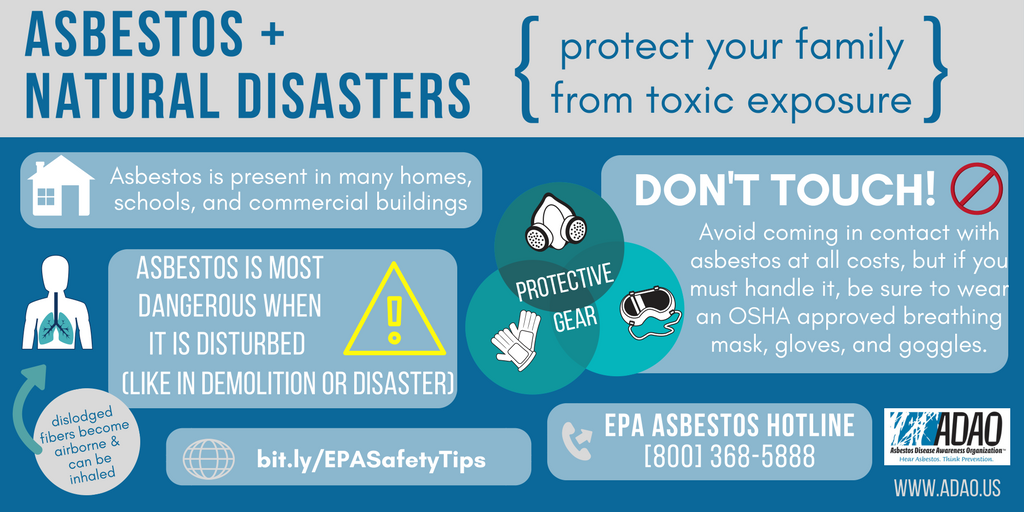
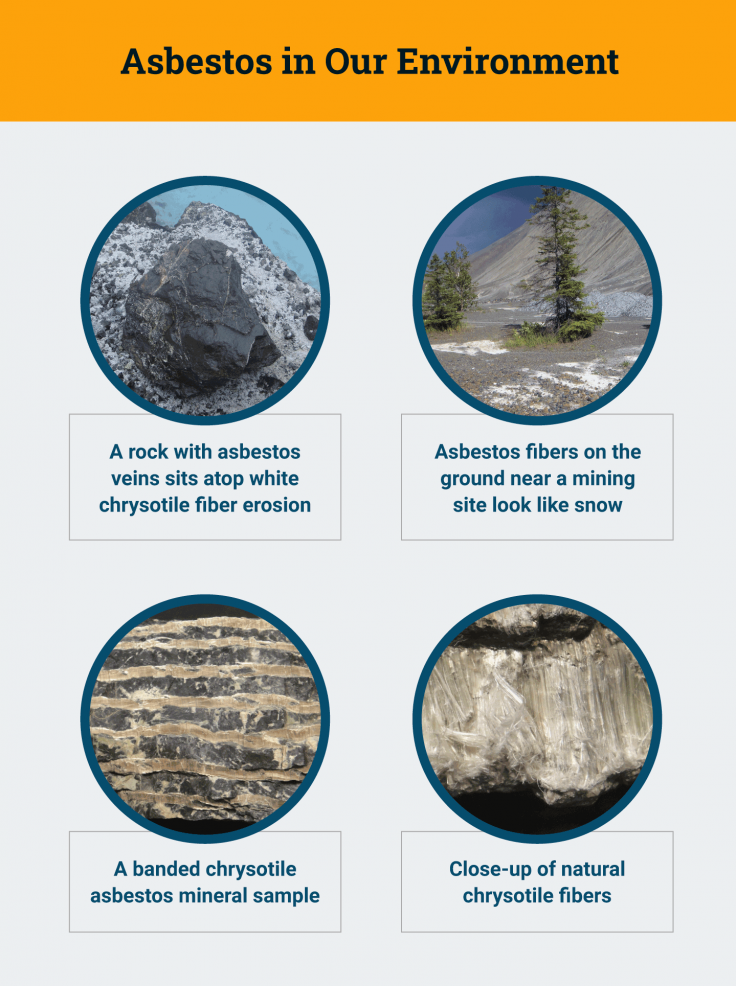
Asbestos can be found in a wide range of building materials, products, and machinery that were commonly used in the past. Some common sources of asbestos include insulation materials, roofing and siding shingles, floor tiles, cement pipes, automotive parts, and even some household appliances. It is important to note that asbestos is not always easily identifiable, as it may be mixed with other materials or concealed within structures.
Occupations at risk of asbestos exposure
Certain occupations carry a higher risk of asbestos exposure due to the nature of the work involved. These include construction workers, insulation installers, plumbers, electricians, shipyard workers, firefighters, and mechanics. Workers in these industries often come into contact with asbestos-containing materials during their daily tasks, putting them at a higher risk of inhaling asbestos fibers.
Signs of asbestos-containing materials
Identifying potential asbestos-containing materials can be challenging, as asbestos fibers are not visible to the naked eye. However, there are some signs that can indicate the presence of asbestos, such as the age of the building or product, as asbestos was commonly used before the 1980s. Additionally, certain materials may have distinguishing characteristics, such as a fibrous texture or a grayish color. If you suspect the presence of asbestos, it is best to consult a professional asbestos inspector or abatement contractor to assess the situation.

Preventing Asbestos Exposure
Awareness and education
Raising awareness about the dangers of asbestos exposure is crucial in preventing asbestosis and other related diseases. By providing education and information about the risks associated with asbestos, individuals can make informed decisions to protect themselves and their loved ones. Educational campaigns should focus on the identification of asbestos-containing materials, safe handling practices, and the importance of seeking professional help when dealing with potential asbestos hazards.
Safe handling and removal
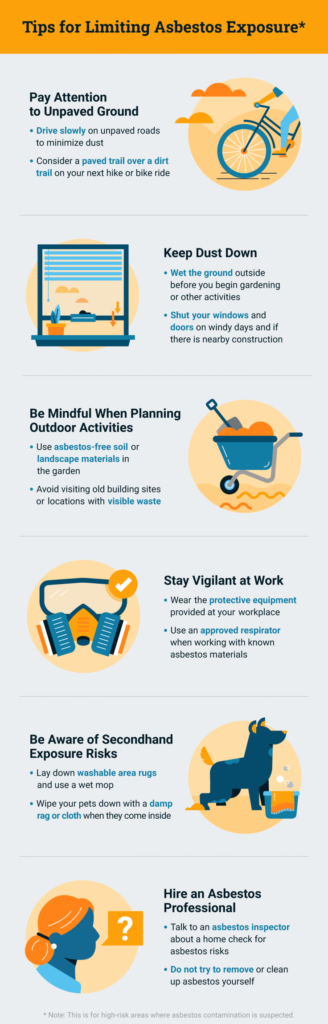
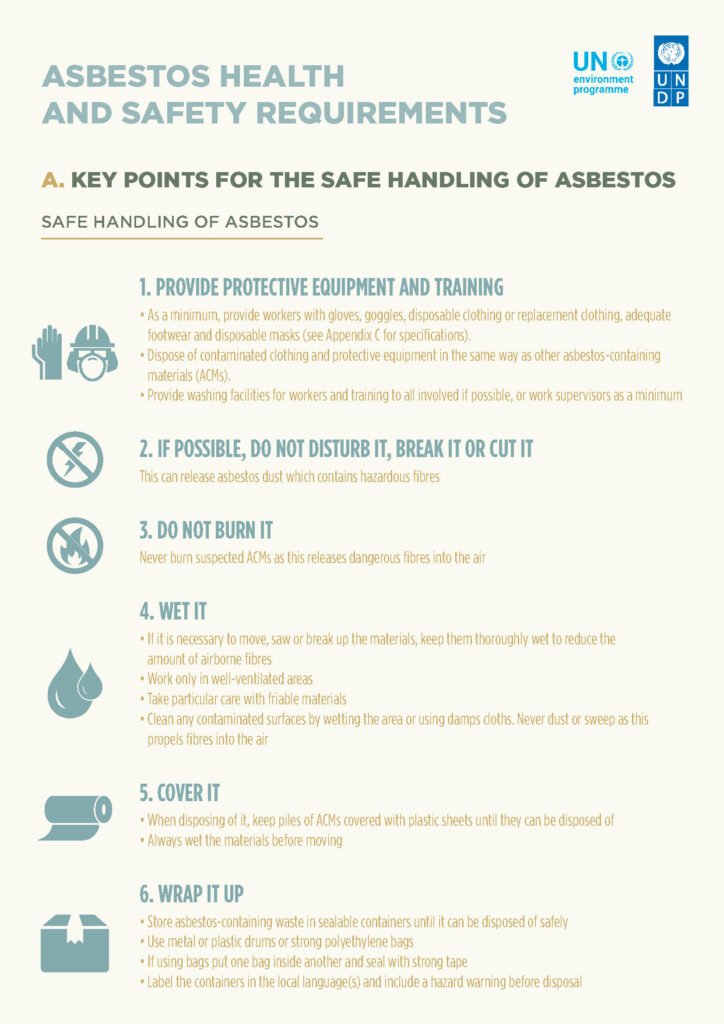
When dealing with asbestos-containing materials, it is essential to follow safe handling practices to minimize the release of fibers into the air. Avoid damaging or disturbing asbestos-containing materials, as this can lead to the release of fibers. If any repairs or renovations are planned in an older building, it is crucial to determine if asbestos is present and engage a licensed asbestos abatement professional to safely remove or encapsulate the materials.
Personal protective equipment
For individuals who work in occupations at risk of asbestos exposure, the use of personal protective equipment (PPE) is vital. PPE, such as respirators and protective clothing, can help prevent the inhalation or direct contact with asbestos fibers. It is important to ensure that the PPE is of high quality, properly fitted, and regularly maintained. Training on the correct use of PPE should also be provided to workers to ensure their safety.
Maintaining a Safe and Healthy Environment
Regular inspection and monitoring
Regular inspections should be conducted in buildings and structures that may contain asbestos-containing materials. These inspections can help identify areas of concern and ensure that any damaged or deteriorating materials are promptly addressed. In addition to visual inspections, air monitoring can be performed to detect the presence of asbestos fibers in the air. Monitoring can help identify potential sources of asbestos exposure and guide remediation efforts.
Proper cleaning and maintenance
Proper cleaning and maintenance practices can help minimize the risk of asbestos exposure. Regular cleaning should be performed using methods that minimize the disturbance of asbestos-containing materials. Dry sweeping or vacuuming should be avoided, as these can release fibers into the air. Instead, wet wiping or vacuuming with HEPA-filtered vacuums should be used. Proper disposal of asbestos-containing debris is also crucial to prevent further exposure.
Improving ventilation
Proper ventilation plays a significant role in maintaining a safe and healthy environment. Well-ventilated spaces help dilute and disperse any airborne fibers, reducing the concentration and potential exposure. Regularly inspecting and maintaining ventilation systems, such as air conditioning and heating units, can ensure their proper functioning and minimize the spread of asbestos fibers. Additionally, the use of air purifiers with HEPA filters can help further improve indoor air quality.
Creating Asbestos-Free Spaces
Removing and replacing asbestos-containing materials
The removal and replacement of asbestos-containing materials in buildings is a critical step in creating asbestos-free spaces. This process should only be performed by trained and licensed asbestos abatement professionals to ensure proper handling and disposal. Asbestos-containing materials should be carefully removed, following strict safety protocols to prevent fiber release. Once removed, these materials should be replaced with asbestos-free alternatives to eliminate the risk of future asbestos exposure.
Importance of professional abatement
Professional asbestos abatement services are essential for the safe and effective removal of asbestos-containing materials. These professionals have the necessary training, experience, and equipment to handle asbestos safely, minimizing the risk to themselves and others. Hiring a licensed abatement contractor ensures compliance with regulations and ensures that the removal process is carried out in accordance with best practices.
Legal requirements and regulations
Various laws and regulations govern the handling, removal, and disposal of asbestos-containing materials. It is essential to be familiar with these legal requirements to ensure compliance and protect the health and safety of individuals. Failure to comply with these regulations can result in fines and penalties. Additionally, understanding legal obligations can help individuals make informed decisions when it comes to asbestos-related activities.
Promoting Respiratory Health
Quitting smoking
Smoking significantly increases the risk of developing asbestosis and other respiratory diseases when combined with asbestos exposure. If you are a smoker and have been exposed to asbestos, quitting smoking is highly recommended. Smoking damages lung tissues and weakens the respiratory system, making it more susceptible to the harmful effects of asbestos fibers. Quitting smoking can improve overall lung health and reduce the risk of developing complications from asbestos exposure.
Regular exercise and healthy diet
Maintaining a healthy lifestyle can have a positive impact on respiratory health. Regular exercise helps improve lung capacity and strengthens the respiratory muscles. Incorporating a balanced diet rich in fruits, vegetables, and whole grains provides essential nutrients that support lung health. It is also important to stay hydrated to keep the respiratory system functioning optimally.
Seeking medical attention
Early detection and medical intervention are crucial in managing asbestosis and mitigating its effects. If you have a history of asbestos exposure or experience symptoms related to respiratory issues, it is important to seek medical attention promptly. A healthcare professional can perform diagnostic tests, evaluate your lung function, and provide appropriate treatment and support. Regular check-ups and screenings can help monitor your respiratory health and detect any potential complications early on.
Supporting Asbestosis Patients
Emotional support and counseling
Living with asbestosis can be emotionally challenging, as it is a chronic condition that may have significant impacts on daily life. Providing emotional support and access to counseling services is crucial for patients and their families. Counseling can help individuals cope with the emotional and psychological challenges of living with asbestosis, offering strategies to manage stress, anxiety, and depression.
Access to medical care and resources
Ensuring access to medical care and resources is essential for asbestosis patients. This includes providing information about healthcare providers specializing in asbestos-related conditions, as well as connecting patients with support groups and resources. Accessible healthcare services and educational materials can help patients better understand their condition and the available treatment options.
Advocacy and awareness campaigns
Advocacy and awareness campaigns play a vital role in fostering support for asbestosis patients and driving change in policies and regulations. These campaigns aim to raise public awareness about the dangers of asbestos exposure, promote patient rights, and advocate for improved resources and healthcare services. By mobilizing communities and working together, advocacy efforts can help bring about positive change for asbestosis patients.
Legislation and Occupational Safety
Government regulations and controls
Government regulations and controls play a crucial role in minimizing asbestos exposure and protecting workers and the general public. These regulations may include restrictions on the use of asbestos, guidelines for safe handling and removal, and requirements for asbestos-related activities. Compliance with these regulations is vital to prevent asbestosis and mitigate the health risks associated with asbestos exposure.
Worker rights and protection
Workers have the right to a safe and healthy work environment, free from hazards such as asbestos. Occupational safety regulations enforce this right, requiring employers to provide training, proper protective equipment, and safe work practices to prevent asbestos exposure. Establishing effective communication channels and empowering workers to report potential asbestos hazards are essential in maintaining workplace safety and protecting worker health.
Risk management and prevention
Implementing comprehensive risk management strategies is essential in minimizing asbestos exposure and preventing asbestosis. This includes conducting thorough risk assessments to identify potential asbestos hazards, establishing control measures to reduce exposure, and implementing proper monitoring and maintenance procedures. Regular training and education for employees are also crucial in promoting risk awareness and safe work practices.
Raising Awareness about Asbestosis
Educational campaigns and programs
Educational campaigns and programs are powerful tools in raising awareness about asbestosis and its health risks. These initiatives can target various audiences, including workers in high-risk occupations, homeowners, contractors, and the general public. Educational materials should provide detailed information on the health effects of asbestos, identification of asbestos-containing materials, and guidance on safe handling and proper procedures for dealing with potential asbestos hazards.
Media and public outreach
The media plays a significant role in disseminating information and creating public awareness about asbestosis. Engaging with the media through press releases, news articles, interviews, and television programs can help reach a broader audience and generate public interest in the issue. Public outreach events, such as workshops, seminars, and community forums, can also provide opportunities to educate and raise awareness about asbestosis.
Collaboration with organizations and agencies
Collaboration with relevant organizations, agencies, and institutions can amplify efforts to raise awareness about asbestosis. Partnering with healthcare providers, occupational safety agencies, advocacy groups, and community organizations allows for a multidisciplinary approach to tackling the issue. Together, these partnerships can contribute to the development of comprehensive strategies for prevention, education, and support for individuals affected by asbestosis.
Conclusion
Understanding asbestosis and taking proactive measures to prevent asbestos exposure is crucial in safeguarding respiratory health and preventing the development of this chronic lung disease. By raising awareness, implementing proper safety measures, and providing support for those affected, we can work towards creating asbestos-free environments and improving the overall well-being of individuals and communities. Remember, your health is in your hands, and taking steps to protect yourself and others from asbestos exposure can make a significant difference in the fight against asbestosis.