
Imagine a world where the melodious chirp of birds is replaced by the ominous silence of empty skies. A world where the fluttering wings that once brought joy now hold the potential for a global catastrophe. This is the reality we face with the global threat of Bird Flu. With its relentless spread and devastating impact on both avian and human populations, Bird Flu has emerged as one of the most pressing concerns of our time. This article takes a closer look at the alarming rise of Bird Flu, its potential consequences, and the urgent need for effective preventive measures.
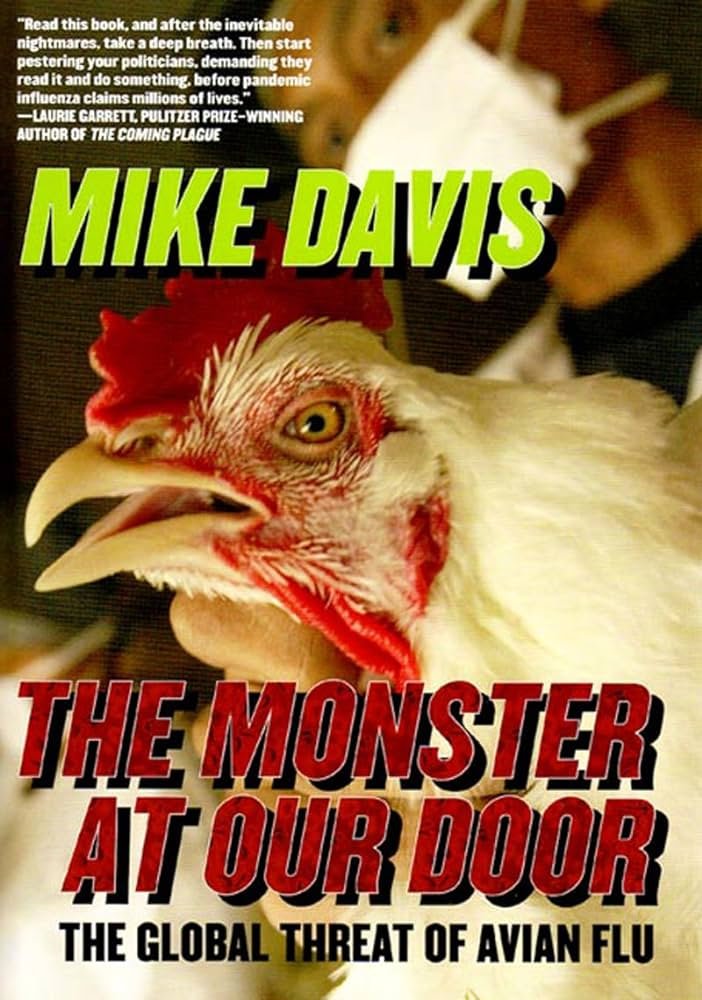
Global Spread of Bird Flu
Bird flu, also known as avian influenza, is a contagious viral disease that primarily affects birds. However, in some cases, it can spread to humans and cause severe illness or even death. Over the years, bird flu has become a global concern due to its potential to cause pandemics and its impact on the economy and public health.
Origins of Bird Flu
The origins of bird flu can be traced back to wild aquatic birds, such as ducks and geese, which are natural reservoirs for influenza A viruses. These viruses are usually harmless to birds but can be highly pathogenic when transmitted to domestic poultry, such as chickens and turkeys. The close proximity between wild and domestic birds, especially in overcrowded farming systems, provides an opportunity for the virus to spread rapidly and mutate.
Spread to Human Population
While bird flu primarily affects birds, certain strains of the virus can infect humans. The first documented case of human infection with bird flu occurred in Hong Kong in 1997, when the H5N1 strain caused severe respiratory illness and death in six individuals. Since then, sporadic cases of bird flu in humans have been reported worldwide, mainly through direct contact with infected birds or contaminated environments.
Global Distribution of Bird Flu
Bird flu is a global problem, with outbreaks occurring in various parts of the world. It has been reported in Asia, Europe, Africa, and the Americas. The specific strains of the virus vary by region, with H5N1 and H7N9 being the most common and well-known subtypes. The global distribution of bird flu is influenced by several factors, including migratory bird patterns, poultry trade, and human travel.
Types of Bird Flu
There are two main types of bird flu: Highly Pathogenic Avian Influenza (HPAI) and Low Pathogenic Avian Influenza (LPAI).
Highly Pathogenic Avian Influenza (HPAI)
HPAI is the more severe form of bird flu and typically causes high mortality rates in affected poultry populations. It is characterized by rapid spread, severe illness, and high viral loads. HPAI strains, such as H5N1 and H7N9, pose a significant risk to both animal and human health.
Low Pathogenic Avian Influenza (LPAI)
LPAI, on the other hand, is a milder form of bird flu that generally causes only mild or no symptoms in infected birds. It is usually identified through routine surveillance programs and is less likely to cause large-scale outbreaks or pose a significant threat to human health. However, LPAI viruses can mutate into more virulent forms, leading to HPAI.
Subtypes of Bird Flu
Bird flu is caused by various subtypes of the influenza A virus, classified based on the variations in their surface proteins: hemagglutinin (H) and neuraminidase (N). There are 18 known H subtypes and 11 known N subtypes. The combination of these two proteins determines the specific subtype, such as H5N1 or H7N9. Certain subtypes, like H5N1, have been associated with severe disease and higher mortality rates in humans.

Symptoms and Effects of Bird Flu
The symptoms of bird flu can vary depending on the virus subtype and the species affected. It is important to distinguish between symptoms in birds and symptoms in humans.
Symptoms in Birds
In infected birds, the symptoms of bird flu may include sudden death, loss of appetite, respiratory distress, decreased egg production, and changes in behavior. The severity of symptoms can vary, with HPAI strains causing more severe illness and higher mortality rates compared to LPAI strains.
Symptoms in Humans
When bird flu infects humans, the symptoms can range from mild to severe respiratory illness. Common symptoms include cough, fever, sore throat, muscle aches, fatigue, and difficulty breathing. In severe cases, complications such as pneumonia, respiratory failure, and organ failure can occur. The mortality rate of bird flu in humans is relatively high, with certain strains having reported fatality rates exceeding 50%.
Complications and Mortality Rates
Bird flu can lead to severe complications and even death in both birds and humans. In poultry, HPAI strains can cause large-scale outbreaks, resulting in significant economic losses for the poultry industry. In humans, severe respiratory illness and complications can lead to prolonged hospitalization, intensive care, and even death. It is crucial to detect and respond to bird flu outbreaks promptly to mitigate the impact on both animal and human health.
Transmission and Prevention
Understanding the modes of transmission of bird flu is crucial for preventing its spread and reducing the risk to both birds and humans.
Transmission from Birds to Humans
The primary mode of transmission of bird flu from birds to humans is through direct contact with infected birds or their droppings, saliva, or respiratory secretions. People who work closely with live poultry, such as farmers, veterinarians, and poultry workers, are at a higher risk of exposure. Additionally, consumption of undercooked or contaminated poultry products can also pose a risk for human infection.
Human-to-Human Transmission
Although rare, human-to-human transmission of bird flu has been reported, mainly in close contacts of infected individuals. This type of transmission is more likely to occur when the virus undergoes genetic changes that enable it to efficiently infect and spread among humans. Sustained human-to-human transmission could potentially lead to a pandemic.
Preventing Bird Flu Outbreaks
Preventing bird flu outbreaks requires a multi-faceted approach that includes surveillance, early detection, biosecurity measures, and public health interventions. Surveillance systems can help monitor the spread of bird flu in both bird and human populations, enabling timely intervention. Strict biosecurity measures, such as controlling the movement of birds, quarantining affected flocks, and implementing hygienic practices, can reduce the risk of transmission. Vaccination of poultry and antiviral medications for humans are other preventive measures that can be employed.
Global Economic Impact
Bird flu outbreaks have significant economic consequences, particularly in the poultry industry, while also impacting global trade and food security.
Losses in Poultry Industry
Bird flu outbreaks can result in massive losses in the poultry industry. Infected birds need to be culled to prevent the further spread of the virus, leading to the loss of livestock and reduced production. The closure of farms and restrictions on poultry movements to control the outbreaks can disrupt the supply chain, causing financial losses for farmers, processors, and distributors.
Impact on Trade and Food Security
Bird flu outbreaks can affect international trade in poultry products. Many countries impose restrictions on imports from regions with reported outbreaks to prevent the introduction of the virus into their own poultry populations. These trade restrictions can disrupt global supply and demand, leading to price fluctuations and potentially impacting food security, especially in regions heavily reliant on poultry as a protein source.
Financial Costs of Outbreaks
The financial costs of bird flu outbreaks are substantial, encompassing not only the direct losses incurred by the poultry industry but also the expenses associated with disease control and public health measures. Governments and organizations invest significant resources in surveillance, culling, compensation, and containment efforts. Additionally, the costs of healthcare services, treatment, and pandemic preparedness further contribute to the economic burden of bird flu outbreaks.
Global Strategies and Response
Addressing the global threat of bird flu requires international cooperation, effective strategies, and a coordinated response from various organizations and stakeholders.
World Health Organization (WHO) Role
The World Health Organization (WHO) plays a central role in monitoring and responding to bird flu outbreaks. It provides guidance and technical support to countries, facilitates information sharing, and assists in coordinating the global response. The WHO collaborates closely with other agencies, such as the Food and Agriculture Organization (FAO) and the World Organisation for Animal Health (OIE), to ensure a multi-sectoral approach to bird flu control.
International Cooperation and Information Sharing
International cooperation and information sharing are crucial for early detection and timely response to bird flu outbreaks. Countries exchange data on virus surveillance, share best practices and lessons learned, and collaborate on research and development of vaccines and antiviral drugs. Global networks and platforms, such as the WHO Global Influenza Surveillance and Response System, facilitate this collaboration and enable the rapid exchange of information.
Vaccination and Antiviral Drugs
Vaccination of poultry and the development of antiviral drugs for humans are essential components of bird flu control strategies. Vaccinating domestic birds can help reduce the spread and impact of the virus on poultry populations. In humans, antiviral drugs can be used for treatment, especially in high-risk individuals, and prophylaxis in outbreak situations. The development of effective vaccines and antiviral drugs is an ongoing process, guided by scientific research and surveillance data.
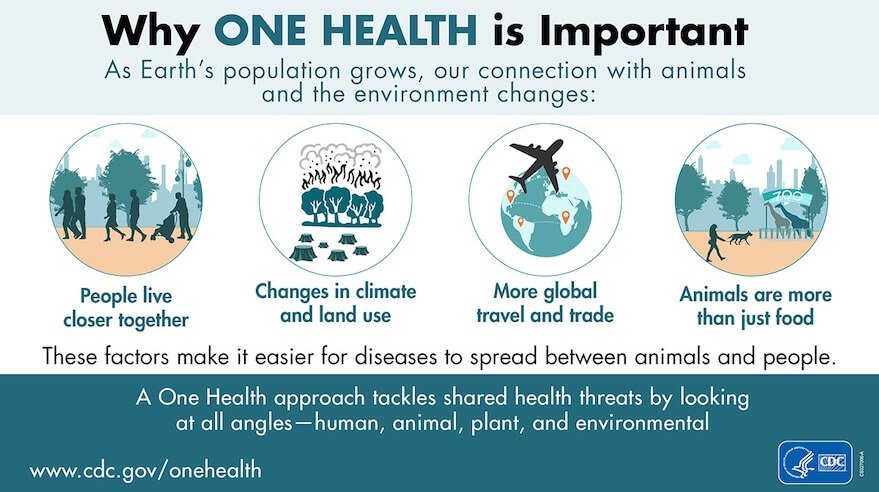
Challenges in Controlling Bird Flu
Despite global efforts to control bird flu, several challenges persist, posing obstacles to effective prevention and control strategies.
Mutations and Evolving Strains
Bird flu viruses have the ability to mutate and evolve rapidly, leading to the emergence of new strains with different characteristics. These genetic changes can affect the transmissibility, pathogenicity, and antigenicity of the virus, making it challenging to develop effective vaccines and antiviral drugs. Continual surveillance and monitoring efforts are crucial to detect and respond to these mutations and evolving strains.
Vaccine Development and Distribution
Vaccine development for bird flu is a complex process that involves identifying the circulating strains, selecting appropriate antigens, and conducting rigorous testing. The production and distribution of vaccines on a global scale pose logistical challenges, especially during outbreaks when there is a surge in demand. The availability and accessibility of vaccines, particularly in resource-limited settings, remain major obstacles in controlling bird flu.
Surveillance and Monitoring Efforts
Surveillance and monitoring play a vital role in detecting and tracking the spread of bird flu. However, surveillance systems vary in their capacity and coverage across different regions, making it challenging to obtain accurate and timely data. Strengthening surveillance efforts, enhancing laboratory capacities, and ensuring timely reporting and information sharing are essential for effective disease control measures.
H5N1 Bird Flu Outbreaks
H5N1 is one of the most well-known and concerning subtypes of bird flu, responsible for multiple outbreaks and human cases.
History of H5N1 Outbreaks
The H5N1 subtype of bird flu was first identified in Scotland in 1959, and subsequent outbreaks occurred in various parts of the world. The large-scale outbreak in Hong Kong in 1997, with human cases and high mortality rates, raised global awareness about the potential threat of H5N1. Since then, sporadic outbreaks and human cases of H5N1 have been reported in multiple countries.
Impact and Spread of H5N1
H5N1 has had a significant impact on both public health and the poultry industry. It has caused severe illness and high mortality rates in infected poultry populations, leading to large-scale culling. In humans, H5N1 infections have been associated with severe respiratory illness and a high fatality rate. The spread of H5N1 is primarily driven by both domestic and wild bird populations, with migratory birds playing a crucial role in the global dispersion of the virus.
Investigation and Control Measures
When H5N1 outbreaks occur, rapid investigation and control measures are crucial to minimize the spread and impact of the virus. These measures include culling infected poultry, disinfection, quarantine, and enhanced biosecurity. Public health interventions, such as surveillance, contact tracing, and isolation of human cases, are also essential to prevent human-to-human transmission. Diagnostic testing and research help in understanding the virus and developing effective control strategies.
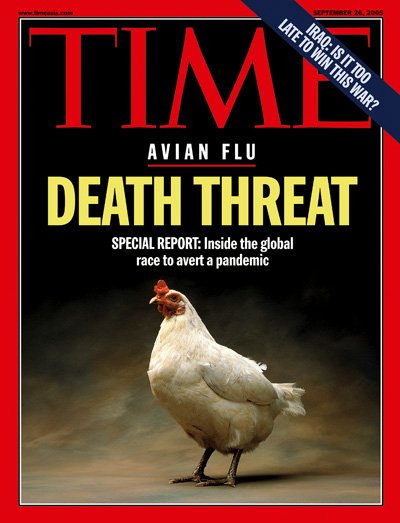
H7N9 Bird Flu Outbreaks
H7N9 is another subtype of bird flu that emerged in China in 2013, causing concerns due to its high mortality rate and pandemic potential.
Emergence of H7N9 Outbreaks
H7N9 was first identified in humans in China in 2013, with most cases reported in the eastern part of the country. Unlike other subtypes, H7N9 predominantly infects humans without causing significant illness in birds, making it difficult to detect and control. The virus has evolved over time, with new genetic variants emerging and spreading to different regions within China.
Human Cases and Mortality
H7N9 infections in humans have been characterized by severe respiratory illness and a high mortality rate. The majority of human cases have been linked to exposure to live poultry markets or contact with infected birds. Close monitoring of human cases, timely diagnosis, and the implementation of infection control measures are critical to reducing the impact of H7N9 outbreaks on public health.
Control Measures and Surveillance
Controlling H7N9 outbreaks requires a combination of interventions, including culling infected poultry, market closures, improved biosecurity, and public awareness campaigns. Surveillance efforts have been strengthened, focusing on early detection, rapid response, and monitoring genetic changes in the virus. The development of candidate vaccines and antiviral drugs specific to H7N9 has been a priority in pandemic preparedness.
Lessons Learned and Future Preparedness
The global experience with bird flu outbreaks has provided valuable lessons and insights into improving global readiness and response to future pandemics.
Lessons from Previous Outbreaks
Previous outbreaks of bird flu have highlighted the need for international cooperation, early detection, and rapid response. Prompt and transparent reporting of outbreaks, sharing of surveillance data, and effective communication between different sectors are critical in containing the spread of the virus. Enhancing research efforts, vaccine development, and preparedness planning based on lessons learned from previous outbreaks can help mitigate the impact of future pandemics.
Improving Global Readiness and Response
To improve global readiness and response to bird flu outbreaks, investments in surveillance systems, laboratory capacities, and veterinary and public health infrastructure are essential. Strengthening collaboration between government agencies, international organizations, and the private sector is crucial for a coordinated and effective response. Building capacity in at-risk countries, particularly in resource-limited settings, is vital to ensure a comprehensive and equitable approach to bird flu control.
Research and Surveillance Advancements
Advancements in research and surveillance technologies are instrumental in understanding the behavior of bird flu viruses and developing preventive measures. Ongoing surveillance efforts, such as monitoring migratory bird populations and identifying high-risk areas, can help predict and prepare for the emergence of new strains. Research on antiviral drugs, vaccines, and alternative control strategies, such as genetic modification of poultry, can contribute to improved prevention and control measures in the future.
In conclusion, the global spread of bird flu poses significant risks to both animal and human health. Understanding the origins, types, symptoms, transmission, and economic impact of bird flu is crucial for effective prevention, control, and preparedness. International cooperation, surveillance, research advancements, and improving global readiness are essential components in mitigating the threats posed by bird flu outbreaks. By learning from previous experiences and strengthening collaboration, we can work towards a safer and more resilient future in the face of this global threat.