
You are about to discover effective ways to prevent the spread of Bird Flu. With the increasing threat of this highly contagious illness, it is crucial to stay informed and take necessary precautions to protect yourself and your loved ones. From practicing proper hygiene to avoiding close contact with infected birds, this article will provide you with valuable insights and practical tips on how to stay safe and contribute to stopping the spread of Bird Flu.

Understanding Bird Flu
What is Bird Flu?
Bird flu, also known as avian influenza, is a viral infection that primarily affects birds. It is caused by influenza A viruses. While most bird flu viruses do not infect humans, some strains can cause severe illness and even death in humans. It is important to understand the types of bird flu, their transmission, and the signs and symptoms in order to effectively prevent its spread and protect ourselves and our avian friends.
Types of Bird Flu
There are various types of bird flu viruses, classified based on their surface proteins, namely hemagglutinin (H) and neuraminidase (N). The H and N proteins play a crucial role in viral attachment and entry into host cells. The most common subtypes of bird flu virus that have caused infections in humans include H5, H7, and H9. These specific subtypes have the potential to cause severe illness and pose a significant public health risk.
Transmission of Bird Flu
Avian Influenza A (H5N1) Virus
One particular strain of bird flu that has garnered attention is the Avian Influenza A (H5N1) virus. This strain has caused numerous outbreaks in birds and sporadic cases of human infections since its emergence in 1997. The Avian Influenza A (H5N1) virus is highly pathogenic in birds, and when it infects humans, it can cause severe respiratory illness, organ failure, and even death.
How does Bird Flu spread?
The transmission of bird flu can occur through direct contact with infected birds, their bodily fluids, or contaminated surfaces. The virus can be present in the respiratory secretions, feces, and feathers of infected birds. The consumption of contaminated poultry products, such as undercooked chicken or eggs, can also lead to infection in humans. It is important to note that human-to-human transmission of bird flu viruses is rare, and sustained person-to-person spread has not been observed for most bird flu viruses.
High-Risk Areas for Bird Flu Transmission
Bird flu is more prevalent in areas where there is close proximity between humans and infected birds, such as live bird markets, poultry farms, and areas with poor biosecurity measures. Additionally, migratory birds play a significant role in the spread of bird flu viruses over long distances. It is crucial to identify high-risk areas and implement appropriate measures to prevent the transmission of bird flu.

Signs and Symptoms of Bird Flu
In Birds
Infection with bird flu viruses can cause a range of symptoms in birds, depending on the species and the specific virus involved. In domestic poultry, signs may include sudden death, coughing, sneezing, respiratory distress, reduced egg production, and a decrease in appetite. Additionally, infected birds may exhibit neurological signs such as head tremors, paralysis, and circling behavior. It is essential for poultry farmers and bird owners to be vigilant and report any unusual signs of illness in their flocks to prevent the spread of the virus.
In Humans
Bird flu infection in humans can present with flu-like symptoms. These symptoms may include high fever, cough, sore throat, muscle aches, fatigue, and difficulty breathing. In severe cases, complications such as pneumonia and respiratory failure may occur. Prompt medical attention should be sought if you have been exposed to infected birds or have flu-like symptoms, especially if you have recently traveled to an area with known bird flu outbreaks.
Preventing Bird Flu in Humans
Preventing bird flu in humans requires a multifaceted approach that focuses on personal hygiene, avoiding contact with infected birds, and taking necessary precautions.
1. Practice Good Hygiene
Practicing good hygiene is essential in preventing the spread of bird flu. This includes regular handwashing with soap and water, especially after handling birds or their droppings. It is also important to cover your mouth and nose with a tissue or your elbow when coughing or sneezing to prevent the spread of respiratory droplets.
2. Avoid Contact with Infected Birds
To minimize the risk of bird flu transmission, it is crucial to avoid direct contact with infected birds or their droppings. This includes avoiding live bird markets and poultry farms where there is a higher likelihood of exposure to the virus. It is also advisable to avoid touching sick or dead birds without wearing appropriate personal protective equipment.
3. Cook Chicken and Eggs Thoroughly
Proper cooking of chicken meat and eggs is essential to kill any potential bird flu viruses. Ensure that poultry products are cooked thoroughly, reaching an internal temperature of at least 165°F (74°C). This eliminates the risk of consuming the virus and reduces the chances of infection.
4. Use Proper Personal Protective Equipment
Individuals who work closely with birds or are involved in poultry production should wear proper personal protective equipment (PPE) to minimize the risk of exposure to bird flu viruses. This may include gloves, masks, goggles, and coveralls. Proper disposal of PPE after use is crucial to prevent contamination and viral spread.
5. Get Vaccinated
Vaccination plays a crucial role in preventing bird flu infection in humans. While currently there is no widely available vaccine for all strains of bird flu, research and development efforts are underway to develop effective vaccines. It is recommended to stay updated with the latest vaccination recommendations provided by health authorities.
6. Maintain Distance from Individuals with Flu-like Symptoms
If someone around you exhibits flu-like symptoms, maintain a safe distance to reduce the risk of transmission. Encourage them to seek medical attention promptly and follow the necessary precautions, such as wearing masks and practicing good respiratory hygiene.
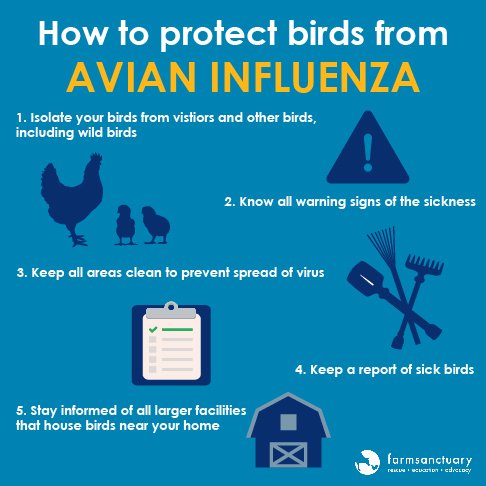
Preventing Bird Flu Outbreaks in Poultry
Preventing bird flu outbreaks in poultry involves implementing robust biosecurity measures and following good hygiene and cleaning protocols.
1. Implement Biosecurity Measures
Biosecurity measures are crucial in preventing the introduction and spread of bird flu viruses in poultry farms. This includes restricting access to the farm, maintaining a clean and controlled environment, and preventing contact between wild birds and domestic poultry. Regular disinfection of facilities, vehicles, and equipment can help minimize the risk of introduction of the virus.
2. Practice Good Hygiene and Cleaning Protocols
Proper hygiene practices and cleaning protocols are essential in preventing bird flu outbreaks in poultry. Regular cleaning and disinfection of poultry houses, feed and water sources, and equipment are necessary to minimize the survival and spread of the virus. Proper waste management and disposal of dead birds are also crucial to prevent contamination.
3. Control Movement of Birds and People
Strict control of bird movement and restricting access to the farm can prevent the introduction and spread of the virus among poultry. Measures such as quarantining new additions to the flock, implementing zoning and compartmentalization strategies, and minimizing human traffic in high-risk areas can significantly reduce the risk of bird flu outbreaks.
4. Establish Monitoring and Surveillance Programs
Monitoring and surveillance programs are essential in early detection and timely response to bird flu outbreaks. Regular testing of poultry flocks for the presence of the virus, along with reporting any unusual signs of illness, can help contain the spread and prevent widespread outbreaks.
5. Train Poultry Workers on Disease Prevention
Providing proper training to poultry workers on disease prevention measures is crucial in preventing bird flu outbreaks. Education on the importance of biosecurity, good hygiene practices, and early recognition of signs of avian influenza can ensure that workers are equipped with the knowledge and skills necessary to prevent and respond to outbreaks effectively.
Avian Influenza Vaccines
Why are Vaccines Important?
Vaccines play a crucial role in preventing and controlling the spread of avian influenza viruses in poultry. By vaccinating birds, the severity of illness and the impact on poultry production can be significantly reduced. Vaccination also contributes to reducing the risk of transmission from birds to humans, thereby protecting public health.
Types of Avian Influenza Vaccines
Currently, there are different types of avian influenza vaccines available for poultry. These include inactivated vaccines, live attenuated vaccines, and vector-based vaccines. Each type has its own advantages and limitations, and the choice of vaccine depends on various factors, including the specific strain of bird flu virus, the poultry species, and the intended purpose of vaccination.

Public Health Preparedness
To effectively address the threat of bird flu, public health preparedness measures need to be in place.
1. Early Detection and Rapid Response
Early detection of bird flu cases, both in birds and humans, is crucial to prevent the spread of the virus. Robust surveillance systems need to be established to quickly identify and report suspected cases. Timely response measures, such as implementing quarantine, culling infected birds, and providing appropriate medical care to infected individuals, can help contain the virus and minimize its impact.
2. Stockpiling Antiviral Medications and Medical Supplies
Having an adequate supply of antiviral medications and medical supplies is essential in managing bird flu outbreaks. Stockpiling these resources in advance ensures their availability during emergency situations, facilitating prompt treatment and prevention measures.
3. Educating the Public about Bird Flu
Public education and awareness campaigns play a vital role in preventing the spread of bird flu. Providing accurate information about the disease, its transmission, prevention measures, and the importance of timely reporting of suspected cases can empower individuals and communities to take necessary precautions and seek medical attention when required.
4. Building International Cooperation and Communication Channels
Given the global nature of bird flu, building international cooperation and effective communication channels among countries is essential. Sharing information, best practices, and research findings can contribute to a coordinated response and the prevention of cross-border transmission. International organizations play an instrumental role in facilitating this collaboration and ensuring that resources and expertise are readily available where needed.
Global Efforts to Prevent Bird Flu Spread
Preventing the spread of bird flu requires collaborative efforts on a global scale.
1. International Organizations
International organizations such as the World Health Organization (WHO), Food and Agriculture Organization of the United Nations (FAO), and World Organisation for Animal Health (OIE) work together to monitor, control, and prevent the spread of bird flu. These organizations provide guidance, conduct research, and facilitate the sharing of information and resources to address the threat of avian influenza.
2. Country-Specific Measures
Countries around the world have implemented various measures to prevent the spread of bird flu. These measures include surveillance and monitoring of bird populations, culling infected birds, implementing biosecurity measures in poultry farms, and controlling the movement of birds and poultry products. Strict regulations and collaboration among government agencies, poultry farmers, and the public are crucial in implementing and maintaining these preventive measures.

Lessons Learned from Past Bird Flu Outbreaks
Past bird flu outbreaks have provided valuable insights that guide our efforts in preventing and managing future outbreaks.
1. Importance of Surveillance and Monitoring
Early detection through surveillance and monitoring systems is paramount in preventing the spread of bird flu. Regular testing of birds, heightened vigilance, and reporting of unusual signs of illness enable prompt response measures to be implemented, increasing the chances of containment.
2. Prompt Response and Control Measures
Timely response and control measures are essential to prevent widespread outbreaks. Swift action, such as quarantining infected areas, culling affected birds, and implementing strict biosecurity protocols, can help contain the virus and minimize its impact on both bird populations and public health.
3. Strengthening Veterinary Services and Infrastructure
Investing in robust veterinary services and infrastructure is crucial in preventing and managing bird flu outbreaks effectively. This includes improving laboratory capabilities, training veterinary personnel, and establishing effective communication channels within the veterinary and public health sectors. Strengthening these areas enhances our preparedness and response capabilities, ensuring a coordinated and effective approach in addressing the threat of bird flu.
Conclusion
Understanding bird flu, its transmission, and effective preventive measures is essential in minimizing the risk of outbreaks and protecting both humans and birds. By practicing good hygiene, avoiding contact with infected birds, and implementing robust biosecurity measures in poultry farms, we can significantly reduce the spread of bird flu. Vaccination, early detection, and prompt response measures play crucial roles in preventing and managing outbreaks. International cooperation, public education, and continuous efforts to strengthen veterinary services further contribute to our ability to prevent the spread of bird flu and protect global health.