
So, you’ve been dealing with bursitis lately and wondering how it may affect your exercise routine? Well, fret not, because we’ve got you covered! In this article, we’ll explore the dos and don’ts of exercising with bursitis, helping you stay active and achieve your fitness goals while managing this pesky condition. Whether you’re a weekend warrior or a seasoned athlete, understanding the right approach to exercise with bursitis can make all the difference in your recovery and overall well-being. So, let’s jump right in and discover how you can keep moving without aggravating bursitis symptoms.
Understanding Bursitis
Bursitis is a common condition that affects many individuals. It occurs when the bursae, small fluid-filled sacs located throughout the body near joints, become inflamed. These sacs act as cushions between bones and tendons, reducing friction and allowing smooth movement. However, repetitive motion, overuse, trauma, or infection can cause the bursae to become irritated and inflamed, leading to bursitis.
Common symptoms of bursitis include pain, tenderness, swelling, and limited range of motion in the affected joint. The pain is often described as sharp or dull, and it may worsen with movement or pressure. Bursitis commonly occurs in joints such as the shoulder, hip, knee, and elbow, but it can potentially affect any joint in the body.
Diagnosing Bursitis
To diagnose bursitis, a healthcare professional will typically begin by taking your medical history and conducting a physical examination. They will ask about your symptoms and any potential contributing factors, such as recent trauma or repetitive activities. During the physical examination, they may gently press on the affected area, checking for tenderness and swelling.
In some cases, imaging tests such as X-rays, ultrasound, or MRI may be ordered to further evaluate the joint and surrounding structures. These tests can help confirm the diagnosis, rule out other conditions, and assess the severity of the bursitis.
General Exercise Guidelines
Exercise plays a crucial role in managing and preventing bursitis. While it may seem counterintuitive to engage in physical activity when experiencing joint pain, specific exercises can actually help reduce inflammation, strengthen muscles, and improve joint mobility. However, it is essential to consult with a healthcare professional before starting any exercise regimen, as they can provide personalized guidance based on your specific condition and medical history.
Choosing the right exercises is important to prevent further aggravation of the inflamed bursae. Low-impact aerobic exercises, such as swimming or cycling, are generally well-tolerated and recommended for individuals with bursitis. These exercises provide cardiovascular benefits without placing excessive stress on the joints.
Strength training exercises can also be beneficial in supporting and stabilizing the affected joint. It is important to focus on strengthening the muscles surrounding the joint to reduce the load on the bursae. Flexibility exercises, such as stretching or yoga, can help improve joint range of motion and prevent stiffness.
Additionally, incorporating balance and stability exercises into your routine can help improve joint stability and reduce the risk of falls or further injury. It is important to warm up before exercising and cool down afterward to prepare the muscles and joints for activity and promote optimal recovery.
Proper form and technique are crucial when performing exercises to minimize the risk of injury. It is important to listen to your body and avoid pushing through pain or discomfort. If an exercise causes significant pain or discomfort, it is best to modify or avoid it.
Don’ts for Bursitis and Exercise
To avoid worsening the symptoms of bursitis, certain activities should be avoided and precautions should be taken. High-impact activities, such as running or jumping, can place excessive stress on the joints and exacerbate inflammation. It is best to choose low-impact alternatives that provide similar cardiovascular benefits without overstressing the affected area.
Overtraining and placing excessive stress on the joints can also worsen bursitis symptoms. It is important to give your body adequate time to rest and recover between workouts. Pushing through pain signals or ignoring them altogether can lead to further injury and delay the healing process. If an exercise causes significant pain, it is crucial to modify or avoid it until the symptoms improve.
Neglecting rest and recovery is another common mistake that can hinder the management of bursitis. Giving your body time to rest and heal is essential for the recovery process. Incorporating rest days into your exercise routine allows your body to repair and rebuild tissues, reducing the risk of further inflammation and injury.

Specific Exercise Recommendations
The specific exercises recommended for bursitis may vary depending on the affected joint. Here are some exercises commonly recommended for different types of bursitis:
-
Shoulder Bursitis: Pendulum swings, wall push-ups, and shoulder blade squeezes can help strengthen the muscles around the shoulder joint and improve range of motion.
-
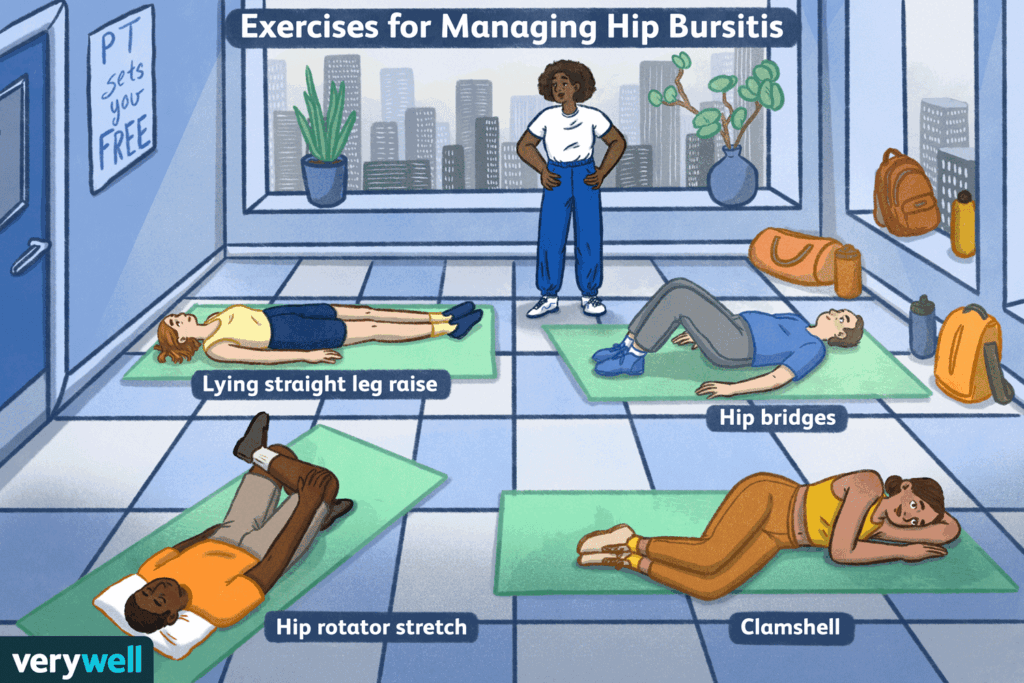
Hip Bursitis: Hip abduction exercises, clamshells, and hip bridges can strengthen the muscles in the hips and buttocks, providing stability and support to the affected joint.
-
Knee Bursitis: Straight leg raises, hamstring curls, and seated leg extensions can help strengthen the muscles around the knee joint, reducing strain on the bursae.
-
Elbow Bursitis: Wrist curls, forearm pronation/supination, and tricep extensions can help strengthen the muscles supporting the elbow joint, promoting stability and reducing symptoms.
Preventing Bursitis
While bursitis can be managed with exercise and proper care, preventing its occurrence is equally important. Here are some preventive measures individuals can take:
Proper warm-up and stretching before exercising can prepare the muscles and joints for activity and minimize the risk of bursitis. Gradually increasing the intensity and duration of exercise can help prevent sudden strain on the joints.
Avoiding repetitive motions or taking frequent breaks during activities that require repetitive movements can help prevent bursitis. If your work or hobbies involve repetitive motions, it is important to incorporate regular stretching and rest breaks.
Using protective gear, such as knee pads, elbow pads, or ergonomic equipment, can help protect the joints from trauma and reduce the risk of developing bursitis.

When to Seek Medical Assistance
While many cases of bursitis can be managed with exercise and self-care, there are certain situations where it is important to seek medical assistance:
-
Persistent or worsening symptoms: If your symptoms persist despite conservative management or if they worsen over time, it is important to consult a healthcare professional for further evaluation and guidance.
-
Inability to perform daily activities: If bursitis symptoms severely limit your ability to perform daily activities or significantly impact your quality of life, medical intervention may be necessary to alleviate symptoms and promote recovery.
-
Signs of infection or redness: If the affected joint becomes red, warm to the touch, swollen, or if you notice signs of infection such as fever or chills, it is crucial to seek medical assistance as these may indicate an infection.
-
Other complications or concerns: If you have other underlying medical conditions, such as rheumatoid arthritis or diabetes, or if you have concerns about your bursitis, it is important to discuss them with a healthcare professional who can provide appropriate guidance and management.
Modifying Exercise Routine
Individuals with bursitis can still stay active by modifying their exercise routine to accommodate their condition. Here are some recommendations for adapting exercises for individuals with bursitis:
-
Adapting exercises: It is important to modify exercises to reduce stress on the affected joint. For example, individuals with knee bursitis can opt for low-impact exercises like swimming instead of running.
-
Alternative exercise options: If certain exercises are too painful or exacerbate symptoms, it is crucial to find suitable alternatives that target the same muscle groups without placing excessive stress on the joint. This may involve consulting with a physical therapist or exercise specialist who can guide you in finding appropriate alternatives.
-
Incorporating rest and recovery days: Rest and recovery are essential for managing bursitis. It is important to listen to your body and incorporate rest days into your exercise routine to allow for optimal healing and minimize the risk of further inflammation.

Conclusion
In conclusion, exercise is an essential component in the management and prevention of bursitis. However, it is crucial to approach exercise with caution and consult with a healthcare professional to ensure a safe and effective exercise routine. Balancing exercise with rest and recovery, choosing the right exercises, and avoiding activities that exacerbate symptoms are key to managing bursitis effectively. With a commitment to long-term management and regular consultation with a healthcare professional, individuals with bursitis can strive for improved joint health and overall well-being.