
In this informative article, you will explore the world of bursitis – a condition that can cause discomfort and pain in various parts of your body. We will delve into the causes, symptoms, and possible treatment options for this condition, offering you a comprehensive understanding of what it entails. Whether you have experienced bursitis yourself or are simply curious to learn more about it, this article will provide you with valuable insights and guidance to help you navigate through this common ailment. So sit back, relax, and let’s dive into the world of bursitis together!

Definition of Bursitis
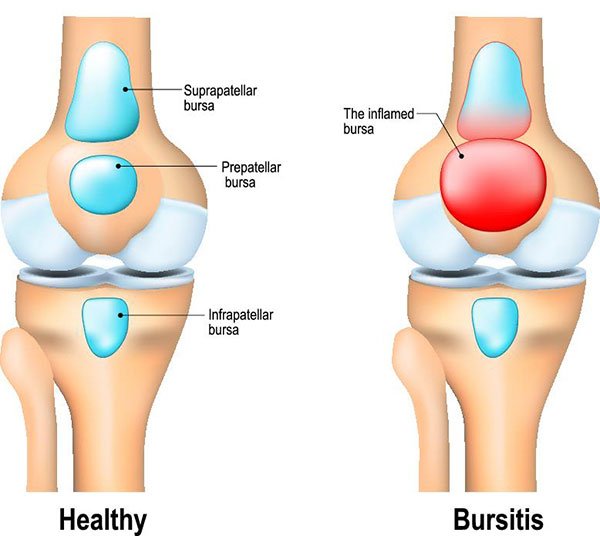
Bursitis is a condition characterized by the inflammation or irritation of the bursae, which are small fluid-filled sacs that act as cushions between bones, tendons, muscles, and other tissues. These sacs help to reduce friction and allow for smooth movement of the joints. When the bursae become inflamed, it can cause pain, swelling, and limited range of motion.
Overview
Bursitis typically occurs in the joints that are frequently used for repetitive motions, such as the shoulder, elbow, hip, or knee. It can also be caused by injury, trauma, age-related degeneration, infection, or certain medical conditions. The symptoms of bursitis can range from mild discomfort to severe pain, and they may worsen with movement or pressure on the affected area. With proper diagnosis and treatment, most cases of bursitis can be effectively managed and the symptoms can be relieved.
Types
There are several types of bursitis, each affecting different joints in the body. Some common types of bursitis include:
-
Shoulder bursitis: Also known as subacromial bursitis, this type affects the bursa located between the rotator cuff tendon and the acromion, which is a part of the scapula or shoulder blade.
-
Elbow bursitis: Elbow bursitis, also known as olecranon bursitis, affects the bursa located at the tip of the elbow, called the olecranon.
-
Hip bursitis: This type of bursitis affects the bursa located over the greater trochanter, a bony prominence on the outer side of the hip.
-
Knee bursitis: Also known as prepatellar or infrapatellar bursitis, this type affects the bursae located in front of or below the kneecap.
-
Ankle bursitis: Ankle bursitis affects the bursae located at the back of the ankle, between the Achilles tendon and the skin.
Each type of bursitis has similar symptoms and treatment options, but the underlying causes may differ.
Causes of Bursitis
Bursitis can develop due to various causes, including:
Repetitive motions
Engaging in repetitive motions or activities that involve constant pressure on a specific joint can increase the risk of developing bursitis. For example, professions that require frequent kneeling, such as carpet installers or gardeners, may be at a higher risk of developing knee bursitis.
Injury or trauma
Direct injury or trauma to a joint can lead to bursitis. This can occur due to a fall, accident, or excessive pressure on a specific joint. For instance, a sudden blow to the elbow can cause elbow bursitis.
Age-related degeneration
As we age, the bursae may degenerate, become less elastic, and lose their ability to withstand friction. This can make the joints more susceptible to bursitis, especially in individuals who engage in repetitive activities or have certain medical conditions.
Infection
In some cases, bursitis can be caused by an infection in the bursa. This is known as septic bursitis and can occur when bacteria or other pathogens enter the bursa through a puncture wound or during surgery. Septic bursitis can cause severe symptoms and requires immediate medical attention.
Medical conditions
Certain medical conditions can increase the risk of developing bursitis. Conditions such as rheumatoid arthritis, gout, diabetes, and thyroid disorders can contribute to inflammation in the joints and bursae, leading to bursitis.
It is important to note that while these causes can increase the likelihood of developing bursitis, not everyone who experiences these risk factors will develop the condition. Factors such as individual anatomy, overall health, and lifestyle choices also play a role.

Risk Factors for Bursitis
Bursitis can affect anyone, but there are certain factors that can increase the risk of developing this condition. Some common risk factors include:
Occupation and physical activities
Jobs or activities that involve repetitive movements or prolonged pressure on a particular joint can increase the risk of developing bursitis. People who perform tasks such as painting, carpentry, cleaning, or gardening may be more prone to developing bursitis due to the repetitive motions involved.
Age
As mentioned earlier, age-related degeneration of the bursae can make the joints more susceptible to bursitis. Older individuals may have a higher risk of developing bursitis due to the natural wear and tear on the joints.
Certain medical conditions
Certain underlying medical conditions, such as rheumatoid arthritis, gout, diabetes, and thyroid disorders, can increase the risk of developing bursitis. These conditions often involve inflammation in the joints, which can subsequently lead to bursitis.
Previous joint injuries
Individuals who have previously experienced joint injuries or trauma are more likely to develop bursitis. The previous injury may have caused damage to the bursae or altered the joint mechanics, making it more vulnerable to inflammation.
Obesity
Excess weight puts additional stress on the joints and bursae, increasing the risk of developing bursitis. Obesity can also contribute to inflammation in the body, which may further contribute to the development of bursitis.
It is important to be aware of these risk factors and take necessary precautions or measures to reduce the likelihood of developing bursitis.
Symptoms of Bursitis
The symptoms of bursitis can vary depending on the location of the inflamed bursa and the severity of the condition. However, there are some common symptoms to look out for:
Localized pain
Pain is typically the most prominent symptom of bursitis. The pain is often localized around the affected joint and may worsen with movement or pressure on the area. The intensity of the pain can range from mild discomfort to severe and debilitating.
Swelling
Inflamed bursae can result in swelling around the affected joint. The swelling may be visible and palpable, causing the joint to appear larger or puffy.
Warmth and redness
The affected area may feel warm to the touch and appear red or inflamed. This is a result of the increased blood flow and inflammation associated with bursitis.
Restricted movement
Bursitis can limit the range of motion in the affected joint. You may experience difficulty fully extending or flexing the joint, and this limitation can impact your ability to perform certain activities or movements.
It is important to pay attention to these symptoms and seek medical attention if they persist or worsen.
Diagnosis of Bursitis
To diagnose bursitis, your healthcare provider will typically perform a thorough examination and consider your medical history. They may also order certain tests to confirm the diagnosis and rule out other potential causes of your symptoms.
Physical examination
During a physical examination, the healthcare provider will assess the affected joint, looking for signs of inflammation, tenderness, and swelling. They may also evaluate your range of motion and ask you to perform certain movements to assess the function of the joint.
Medical history
Providing your healthcare provider with your complete medical history is crucial for an accurate diagnosis. They will ask about your symptoms, the onset and duration of the symptoms, any previous injuries or trauma to the affected joint, and any underlying medical conditions.
Imaging tests
In some cases, imaging tests such as X-rays, ultrasound, or MRI scans may be ordered to obtain a clearer view of the affected joint and rule out other possible causes of the symptoms. These tests can help to identify any structural abnormalities or signs of inflammation in the bursa.
Lab tests
If there is a suspicion of septic bursitis, a sample of the fluid from the inflamed bursa may be taken for laboratory analysis. This can help determine if there is an infection present and guide the appropriate treatment.
Proper diagnosis is essential to determine the most appropriate treatment plan for your specific condition.
Treatment of Bursitis
The treatment for bursitis will depend on the severity of your symptoms and the underlying cause of the inflammation. In most cases, a combination of conservative measures and medical interventions is used to manage the condition effectively.
Self-care measures
Self-care measures can be effective in relieving mild to moderate symptoms of bursitis. These measures may include resting the affected joint, applying ice packs to reduce inflammation, using over-the-counter pain medications, and modifying activities or motions that exacerbate the symptoms.
Medications
Nonsteroidal anti-inflammatory drugs (NSAIDs), such as ibuprofen or naproxen, may be recommended to reduce pain and inflammation. In some cases, your healthcare provider may prescribe stronger pain medications or corticosteroids to help manage severe symptoms.
Physical therapy
Physical therapy can play a crucial role in the treatment of bursitis. A skilled physical therapist can guide you through specific exercises and stretches to improve joint mobility, strengthen the surrounding muscles, and reduce pain. They may also use modalities such as ultrasound or electrical stimulation to provide pain relief.
Corticosteroid injections
For severe or persistent symptoms, corticosteroid injections may be administered directly into the affected bursa. These injections help to reduce inflammation and provide relief from pain. However, repeated or excessive use of corticosteroid injections can have side effects, so they are typically used judiciously.
Assistive devices
In some cases, assistive devices such as crutches, braces, or splints may be recommended to support the affected joint and reduce stress on the inflamed bursa. These devices can help with pain relief and promote healing.
Surgery
Surgical intervention is rarely necessary for the treatment of bursitis. However, if conservative measures fail to provide relief, and the symptoms persist or worsen, your healthcare provider may consider surgical removal of the inflamed bursa. This procedure, known as bursectomy, can be performed arthroscopically or through traditional open surgery.
It is important to discuss the treatment options with your healthcare provider to determine the most appropriate approach for your specific situation.

Prevention of Bursitis
While it may not be possible to completely prevent bursitis, there are several strategies that can help reduce the risk of developing this condition:
Avoiding repetitive motions
If your job or daily activities involve repetitive motions, it is essential to take regular breaks or alternate activities to reduce the strain on your joints. It is also important to maintain proper posture and body mechanics during these activities to avoid unnecessary stress on the bursae.
Using correct body mechanics
Using proper body mechanics when lifting or performing tasks can help to minimize the risk of joint injuries and inflammation. Learning the correct techniques and employing them consistently can greatly reduce the strain on your joints and protect the bursae.
Taking breaks and rest periods
Allowing your body to rest and recover is crucial for maintaining joint health and preventing inflammation. Taking frequent breaks and incorporating rest periods into your daily routine can help minimize the risk of bursitis.
Maintaining a healthy weight
Excess weight puts additional stress on the joints and increases the risk of developing bursitis. Maintaining a healthy weight through proper nutrition and regular exercise can help reduce the strain on the bursae and decrease the likelihood of developing inflammation.
Strengthening muscles around the joints
Strong muscles help to support the joints and distribute the load more evenly, reducing the strain on the bursae. Incorporating strength training exercises into your fitness routine, specifically targeting the muscles surrounding your joints, can help protect against bursitis.
By following these preventive measures, individuals can significantly reduce their risk of developing bursitis and maintain healthier joints.
Complications of Bursitis
In some cases, complications may arise if bursitis is left untreated or poorly managed. Some potential complications include:
Chronic bursitis
If bursitis is not effectively treated and the underlying cause is not addressed, it can become a chronic condition. Chronic bursitis can cause persistent pain, swelling, and limited mobility, which can significantly affect daily activities and quality of life.
Frozen shoulder or loss of joint motion
In certain cases of shoulder bursitis, the inflammation can lead to the development of adhesive capsulitis, commonly known as frozen shoulder. This condition causes severe stiffness and loss of motion in the shoulder joint, making it difficult or impossible to move the arm properly.
Septic bursitis
In cases where bursitis is caused by an infection, there is a risk of the infection spreading and causing septic bursitis. This is a serious condition that requires immediate medical attention, as it can lead to systemic infection and potentially life-threatening complications.
Abscess formation
In rare instances, bursitis can progress to the development of an abscess, which is a painful collection of pus. Abscess formation requires medical intervention, often involving surgical drainage and treatment with antibiotics.
It is important to seek medical attention if you suspect bursitis or are experiencing persistent or worsening symptoms to prevent complications and ensure appropriate treatment.

When to Seek Medical Help
While many cases of bursitis can be managed with self-care measures, there are situations where it is important to seek medical help. Some indicators that you should consult a healthcare provider include:
Persistent pain and swelling
If your symptoms persist for more than a few days despite rest and self-care measures, it is recommended to seek medical attention. Persistent pain and swelling may indicate an underlying issue that requires further evaluation and treatment.
Difficulty performing daily activities
Bursitis can significantly impact your ability to perform routine activities or tasks that involve the affected joint. If the pain and limited mobility hinder your daily life, it is important to consult a healthcare provider for appropriate management.
Signs of infection
If you notice signs of infection, such as increased redness, warmth, tenderness, or the presence of pus or drainage from the affected area, it is crucial to seek immediate medical attention. These signs may indicate septic bursitis, which requires prompt treatment with antibiotics.
Remember, early intervention and proper treatment can help prevent complications and promote faster recovery.
Conclusion
Understanding and managing bursitis is crucial for individuals experiencing joint pain, inflammation, and limited range of motion. By recognizing the symptoms, understanding the causes and risk factors, and seeking appropriate medical attention, individuals can effectively manage and alleviate the symptoms of bursitis. Incorporating preventive measures and following the recommended treatment options can also help reduce the likelihood of developing bursitis in the future. Remember to consult a healthcare provider if you have concerns or questions about your joint health or experience persistent or worsening symptoms. With proper care and management, individuals can lead an active and comfortable lifestyle, free from the limitations imposed by bursitis.