
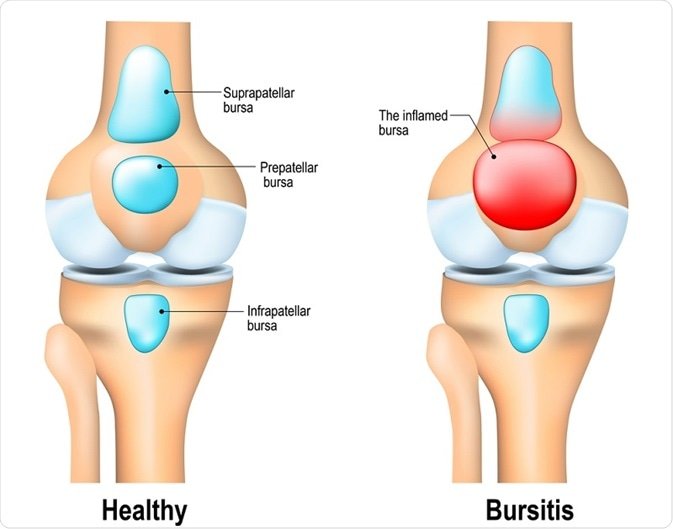
If you’re dealing with the discomfort and inflammation caused by bursitis, you’re in luck! In this article, we’ll be sharing some effective home remedies that can help relieve pain and promote healing. From simple lifestyle changes to natural remedies, we’ve got you covered. So sit back, relax, and get ready to discover some easy and accessible solutions to alleviate your bursitis symptoms. Bursitis is a painful condition that occurs when the bursae, small fluid-filled sacs that cushion joints and reduce friction, become inflamed. This inflammation can cause tenderness, swelling, and pain, making it difficult to perform everyday activities. While medical treatment may be necessary in some cases, there are several home remedies that can help relieve the pain associated with bursitis. In this article, we will explore 10 effective home remedies for relieving bursitis pain.

1. Cold Compresses
1.1 Ice Packs
Ice packs are a simple and effective way to reduce inflammation and relieve pain from bursitis. To use an ice pack, wrap it in a thin towel and apply it to the affected area for 15-20 minutes at a time. Repeat this several times a day, especially after activities that may aggravate the bursitis. The cold temperature helps to numb the area and reduce swelling, providing much-needed relief.
1.2 Cold Water Soak
Another option for cold therapy is a cold water soak. Fill a basin or bucket with cold water and immerse the affected joint for 10-15 minutes. This can be done multiple times a day, as needed. The cold water helps to constrict blood vessels and reduce inflammation, providing temporary relief from bursitis pain.
2. Warm Compresses
2.1 Heating Pads
Warm compresses are often recommended for bursitis pain as they help to improve blood flow to the affected area and promote healing. Heating pads can be used to apply consistent heat to the joint. Place the heating pad on a low to medium setting and wrap it in a towel before applying it to the affected area. Leave it on for 15-20 minutes at a time, several times a day.
2.2 Warm Water Soak
In addition to heating pads, a warm water soak can also help alleviate bursitis pain. Fill a basin with warm water (not hot) and soak the affected joint for 15-20 minutes. This can be repeated multiple times a day for relief. The warmth of the water helps to relax the muscles and increase circulation, which can ease discomfort and reduce inflammation.

3. Rest and Immobilization
3.1 Avoiding Aggravating Activities
Rest is crucial for allowing the inflamed bursae to heal. Avoid activities that worsen the pain and put unnecessary strain on the affected joint. This may include repetitive motions, lifting heavy objects, or participating in high-impact exercises. By giving the joint time to rest, you can prevent further irritation and promote healing.
3.2 Use of Splints or Braces
In some cases, using a splint or brace may provide additional support and stability to the affected joint. This can help alleviate pain by reducing movement and protecting the bursae from further irritation. Consult with a healthcare provider to determine if a splint or brace is appropriate for your specific condition and to ensure correct usage.
4. Over-the-counter Medications
4.1 Nonsteroidal Anti-inflammatory Drugs (NSAIDs)
Nonsteroidal anti-inflammatory drugs (NSAIDs) are commonly used to reduce pain and inflammation associated with bursitis. These medications, such as ibuprofen or naproxen, can be obtained over-the-counter and provide temporary relief. Follow the package instructions and consult with a healthcare professional for proper dosage and duration of use.
4.2 Topical Pain Relievers
Topical pain relievers, such as creams or gels, can be applied directly to the affected area to provide localized pain relief. These products often contain ingredients like menthol or capsaicin, which provide a cooling or warming sensation that can distract from the bursitis pain. Apply according to the product instructions and avoid using on broken or irritated skin.

5. Gentle Exercises and Stretches
5.1 Range of Motion Exercises
Gentle range of motion exercises can help maintain joint flexibility and prevent stiffness associated with bursitis. These exercises should be done within a pain-free range and should not aggravate the condition. For example, if you have bursitis in your shoulder, gentle arm swings or pendulum exercises can help keep the joint mobile without causing further discomfort. Consult with a healthcare professional or physical therapist for appropriate exercises for your specific condition.
5.2 Strengthening Exercises
Strengthening exercises can help improve muscle support around the affected joint, reducing the strain on the bursae. These exercises should be done under the guidance of a healthcare professional or physical therapist to ensure proper form and prevent injury. Strengthening exercises may include resistance band exercises, light weights, or bodyweight exercises that target the muscles surrounding the affected joint.
6. Massage Therapy
6.1 Self-Massage Techniques
Self-massage can help alleviate muscle tension and reduce pain associated with bursitis. Using gentle pressure, massage the surrounding muscles of the affected joint in circular motions or long strokes. You can use your fingers, a massage ball, or a foam roller to perform self-massage. This can help improve blood circulation, reduce inflammation, and provide temporary relief from bursitis pain.
6.2 Professional Massage
If self-massage techniques are not providing sufficient relief, you may consider seeking the assistance of a professional massage therapist. Massage therapy can help relax tight muscles, improve circulation, and reduce pain. A qualified massage therapist can target the specific muscles and areas affected by bursitis, providing targeted relief and promoting overall healing.
7. Essential Oils
7.1 Lavender Oil
Lavender oil is often used for its calming and soothing properties. It can also help relieve pain and reduce inflammation associated with bursitis. To use lavender oil, mix a few drops with a carrier oil, such as coconut oil or almond oil, and gently massage it into the affected area. Alternatively, you can add a few drops to a warm bath or use a diffuser to experience its calming effects.
7.2 Peppermint Oil
Peppermint oil has analgesic and anti-inflammatory properties, making it a popular choice for relieving bursitis pain. It provides a cooling sensation and helps reduce muscle tension. To use peppermint oil, dilute a few drops with a carrier oil and apply it to the affected area. Avoid applying directly to broken or irritated skin.
8. Turmeric
8.1 Turmeric Capsules
Turmeric contains a compound called curcumin, which has powerful anti-inflammatory properties. Taking turmeric capsules as a daily supplement can help reduce inflammation and alleviate bursitis pain. Follow the package instructions for proper dosage and consult with a healthcare professional before starting any new supplement regimen, especially if you have any underlying health conditions.
8.2 Turmeric Tea
Another way to incorporate turmeric into your routine is by drinking turmeric tea. You can make your own turmeric tea by boiling water and adding a teaspoon of ground turmeric. Let it steep for a few minutes, then strain and drink. Turmeric tea can help reduce inflammation from within and provide overall pain relief.
9. Epsom Salt
9.1 Epsom Salt Bath
Epsom salt baths are a popular home remedy for relieving pain and inflammation. The magnesium sulfate in Epsom salt can help relax muscles and reduce swelling. Simply add a cup or two of Epsom salt to warm bathwater and soak in it for 15-20 minutes. This can be done a few times a week for relief from bursitis pain.
9.2 Epsom Salt Compress
If a full bath is not feasible, you can also create a compress using Epsom salt. Dissolve a tablespoon of Epsom salt in a cup of warm water. Soak a clean cloth in the solution, wring out the excess, and apply it to the affected area. Leave it on for 15-20 minutes. The Epsom salt compress can help reduce inflammation and provide temporary pain relief.
10. Lifestyle Modifications
10.1 Weight Management
Maintaining a healthy weight is essential for managing bursitis pain, particularly in weight-bearing joints. Excess weight can put added stress on the affected joint, worsening symptoms. By adopting a balanced diet and engaging in regular physical activity, you can help reduce the strain on your joints and alleviate bursitis pain.
10.2 Correcting Posture
Poor posture can contribute to the development and exacerbation of bursitis. By correcting your posture and ensuring proper alignment of your spine and joints, you can relieve pressure on the affected area and reduce pain. Practice good ergonomics, both at home and at work, and consider using supportive pillows or cushions to maintain optimal posture.
In conclusion, bursitis pain can be debilitating, but there are several effective home remedies that can help alleviate the discomfort associated with this condition. From cold compresses to gentle exercises, essential oils to lifestyle modifications, each remedy offers its unique benefits in relieving and managing bursitis pain. However, it is important to consult with a healthcare professional for an accurate diagnosis and personalized treatment plan. By incorporating these home remedies into your routine and taking steps to prevent further irritation, you can find relief and resume your daily activities with ease.