Are you experiencing sudden and severe abdominal pain? It could be a sign of appendicitis, a condition that requires immediate medical attention. In this article, we will explore the key signs and indicators of appendicitis, helping you understand when to seek medical help and potentially save yourself from complications. From localized pain in the lower right abdomen to loss of appetite and fever, keep reading to learn more about these crucial symptoms that should not be ignored.

Key Signs of Appendicitis
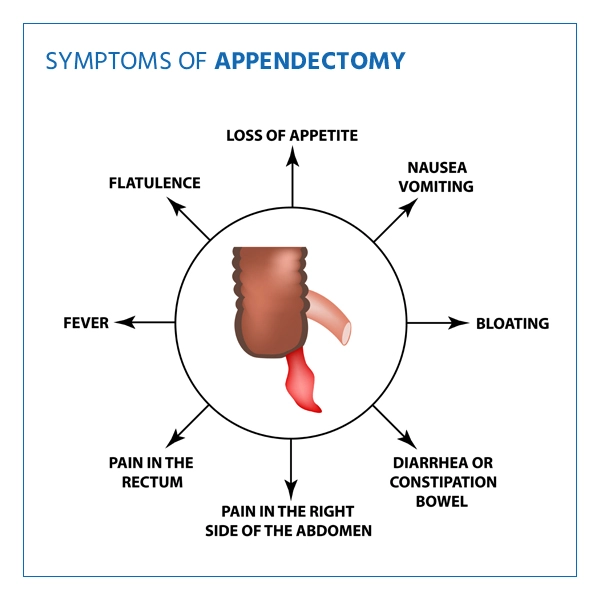
When it comes to identifying appendicitis, there are several key signs that you should be aware of. The most common sign is abdominal pain, which usually starts around the belly button and then moves to the lower right side of the abdomen. This pain may start off as a dull ache and gradually intensify over time.
Another sign to look out for is a loss of appetite. If you find yourself suddenly having no interest in food, it could be a symptom of appendicitis. This loss of appetite is often accompanied by nausea and vomiting.
Fever is another key sign of appendicitis. If you have a temperature above 100.4 degrees Fahrenheit, it could be an indication of an inflamed appendix. In addition to fever, constipation or diarrhea can also occur as a result of appendicitis.
Physical Examination for Appendicitis
When you suspect appendicitis, a physical examination is crucial to confirm the diagnosis. There are several specific signs that a healthcare professional will look for during this examination.
One of these signs is localized tenderness. This means that when the doctor presses on certain areas of your abdomen, you will experience pain only in the lower right side. Another sign is rebound tenderness, which is when the pain worsens upon the release of pressure.
The healthcare provider may also perform the Psoas sign, which involves extending your right leg while lying on your left side. If this causes pain in the lower right abdomen, it is a positive indicator for appendicitis. The Obturator sign is another maneuver that can be done, where the doctor rotates your right hip. If this elicits abdominal pain, it suggests inflammation of the appendix. Finally, Rovsing’s sign involves pressing on the left lower abdomen, which can cause pain in the right lower abdomen if the appendix is inflamed.
Laboratory Tests for Appendicitis
In addition to physical examination, laboratory tests play a significant role in confirming the diagnosis of appendicitis. The first test that is often conducted is a complete blood count (CBC). An elevated white blood cell count is a strong indicator of infection and inflammation in the body, which can suggest appendicitis.
Urinalysis is also commonly performed. This test helps rule out other conditions that may cause similar symptoms, such as urinary tract infections. A positive urinalysis result, along with the presence of abdominal pain, can further support the diagnosis of appendicitis.
C-reactive protein (CRP) is a blood test that measures the presence of inflammation in the body. An elevated CRP level can be indicative of appendicitis. Additionally, amylase and lipase levels can be measured to rule out other conditions, such as pancreatitis, which may present similar symptoms.
Imaging Tests for Appendicitis
Imaging tests are often required to confirm the diagnosis of appendicitis and to assess the severity of the condition. Ultrasound is one of the most preferred initial imaging tests for appendicitis. It uses sound waves to create images of the appendix, helping the healthcare professional identify any signs of inflammation or blockage.
A CT scan may also be used to diagnose appendicitis. It provides detailed cross-sectional images of the internal organs, allowing for a more accurate evaluation. CT scans are particularly useful in cases where the diagnosis is uncertain or if complications, such as an abscess or peritonitis, are suspected.
In some instances, an MRI may be ordered. While less commonly used than ultrasound or CT scan, an MRI can provide detailed images of the appendix and surrounding tissues without exposure to ionizing radiation.

Differential Diagnosis for Appendicitis
When diagnosing appendicitis, it is important to consider other conditions that may present with similar symptoms. Gastroenteritis, or inflammation of the stomach and intestines, can cause abdominal pain, nausea, and vomiting. Urinary tract infections can also produce similar symptoms, such as abdominal pain and fever. Kidney stones can lead to sharp abdominal pain, as can ovarian cysts in females.
Differentiating appendicitis from these conditions requires a thorough evaluation, including the aforementioned physical examination and laboratory tests. Obtaining a detailed medical history can also aid in identifying any underlying factors that may contribute to the symptoms.
Appendicitis in Children
Appendicitis can present differently in children compared to adults. It is important to be aware of age-specific symptoms that may indicate the presence of appendicitis. Children may have difficulty expressing their pain, so it is essential to be attentive to any changes in behavior, such as irritability or decreased activity.
Pediatric evaluation for appendicitis typically involves a thorough physical examination and consideration of a child’s history and symptoms. In children, imaging tests such as ultrasound or CT scan may be performed to aid in the diagnosis. Special considerations, such as the potential radiation risks in pediatric patients, are taken into account when deciding on appropriate imaging modalities.
Appendicitis in Pregnancy
Pregnancy can complicate the diagnosis of appendicitis since the anatomical and physiological changes during pregnancy can alter the symptoms experienced by expectant mothers. The location of the appendix can shift due to the growing uterus, resulting in atypical pain patterns.
Diagnostic challenges arise due to concerns about exposing the fetus to ionizing radiation from imaging tests. Healthcare providers must carefully weigh the risks and benefits when considering imaging modalities such as ultrasound, CT scan, or MRI. Communication between the healthcare team and the pregnant individual is crucial to ensure the best possible outcome for both mother and child.
Complications of Appendicitis
If left untreated, appendicitis can lead to serious complications. One such complication is an appendiceal abscess, which occurs when pus accumulates around the infected appendix. This can cause severe pain and may require drainage or surgical intervention.
Another potential complication is peritonitis, which is the inflammation of the lining of the abdominal cavity. Peritonitis can occur if the appendix ruptures, releasing bacteria and other infectious materials into the abdomen. This condition is a medical emergency and requires immediate surgical treatment.
Intestinal obstruction is another complication that can arise from appendicitis. Inflammation and swelling of the appendix can lead to a blockage in the intestinal tract, causing severe abdominal pain, difficulty passing gas, and constipation.

Surgical Intervention for Appendicitis
Surgical intervention is typically the primary treatment for appendicitis. The most common procedure performed is an appendectomy, which involves the removal of the inflamed appendix. This can be done through traditional open surgery or laparoscopic surgery.
During an open appendectomy, a small incision is made in the lower right side of the abdomen, and the appendix is removed. In a laparoscopic appendectomy, several small incisions are made, allowing the surgeon to insert a camera and specialized instruments for the removal of the appendix. This minimally invasive approach often results in reduced postoperative pain and faster recovery times.
The choice between an open or laparoscopic appendectomy depends on various factors, including the surgeon’s expertise, the severity of the inflammation, and the presence of any complications.
Non-Surgical Treatment Options for Appendicitis
In some cases, non-surgical treatment options may be considered for appendicitis. Antibiotic therapy can be used to treat uncomplicated appendicitis, especially in cases where surgery is not immediately available or if a patient is not fit for surgery. This approach aims to reduce the inflammation and infection in the appendix, allowing it to heal without surgical removal.
Observation and monitoring may also be employed in certain situations. If there is uncertainty in the diagnosis or the symptoms are mild, the healthcare provider may choose to monitor the patient’s condition closely. This involves regular physical examinations, laboratory tests, and imaging studies to ensure that the appendix does not worsen and that the patient’s condition improves.
In conclusion, appendicitis is a serious condition that requires prompt medical attention. Recognizing the key signs and symptoms, undergoing a thorough physical examination and appropriate laboratory tests, and considering imaging studies are all important steps in accurately diagnosing appendicitis. Treatment options, such as surgical intervention or non-surgical approaches, should be carefully considered based on the individual’s condition and medical history. If you suspect you or someone you know may have appendicitis, it is essential to seek medical assistance as soon as possible.