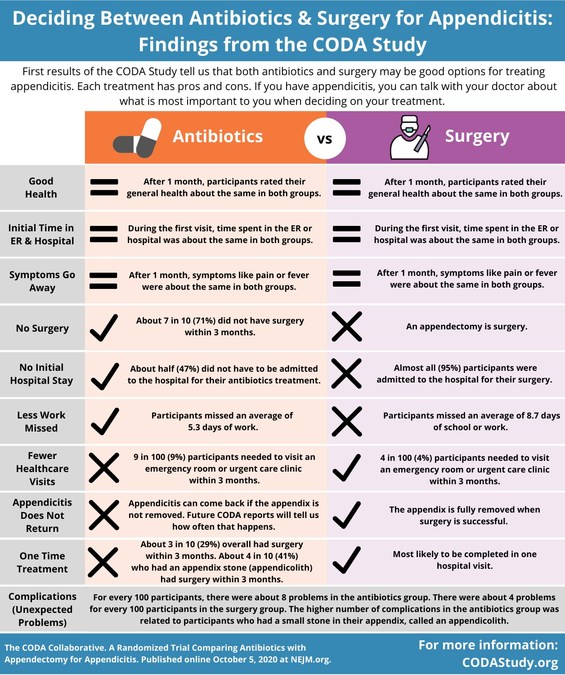
Hey there! You’re in for a treat today as we explore the world of surgical options for treating appendicitis. When it comes to this pesky inflammation of the appendix, it’s crucial to know your options. In this article, we’ll take a look at some of the surgical methods that doctors use to effectively manage and treat the condition. So sit back, relax, and let’s dive into the fascinating world of appendicitis treatment!
Surgical Options for Appendicitis Treatment
1. Introduction to Appendicitis
Appendicitis is a medical condition characterized by inflammation of the appendix, a small organ located in the lower right abdomen. It is one of the most common surgical emergencies and often requires immediate treatment. If left untreated, the inflamed appendix can potentially rupture, leading to severe complications and even death.
2. Diagnosis of Appendicitis
Diagnosing appendicitis can be challenging as the symptoms can mimic other conditions. However, there are specific signs and symptoms that healthcare professionals look for, including abdominal pain, nausea, vomiting, loss of appetite, and fever. Additionally, physical examination findings such as rebound tenderness and a positive McBurney’s point (tenderness in the lower right abdomen) can help confirm the diagnosis. In some cases, imaging tests such as ultrasound or computed tomography (CT) scan may be performed to aid in the diagnosis.
3. Indications for Surgical Treatment
Surgical intervention is the primary treatment for appendicitis. The decision to proceed with surgery is based on several factors, including the severity of the symptoms, the presence of complications, and the patient’s overall health condition. Generally, surgery is recommended for all cases of acute appendicitis to prevent potential complications like abscess formation or peritonitis.
4. Preoperative Considerations
Before undergoing appendectomy (surgical removal of the appendix), certain preoperative considerations need to be addressed. These include assessing the patient’s medical history, performing routine blood tests, and evaluating any potential risk factors that may affect the surgical outcome. It is important to inform your healthcare provider about any allergies, medications, or previous surgeries you have undergone to ensure a safe and successful procedure.
5. Surgical Techniques
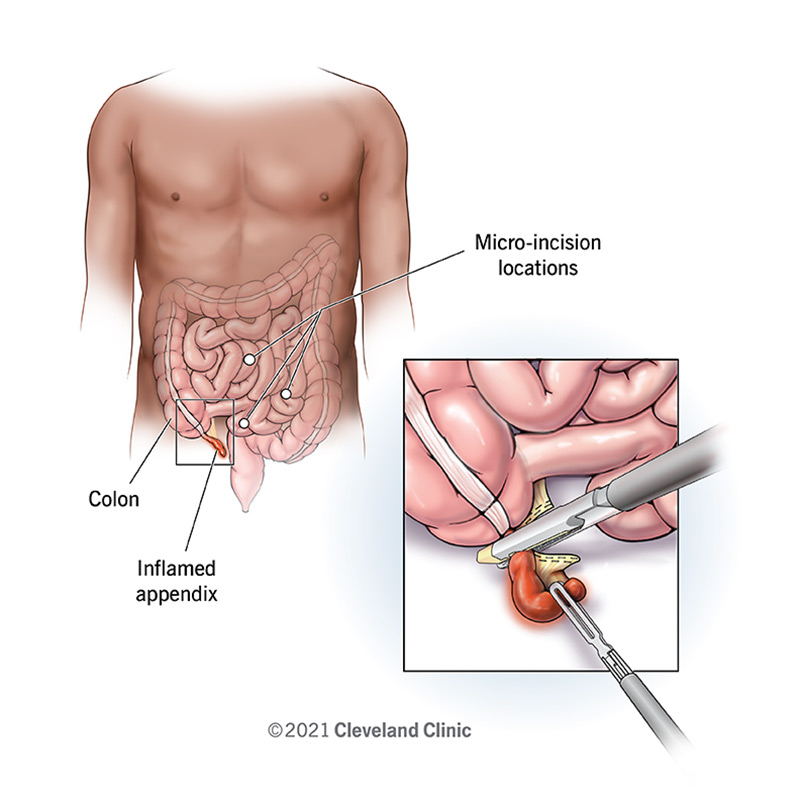
There are three main surgical techniques utilized in the treatment of appendicitis: laparoscopic appendectomy, open appendectomy, and single-incision appendectomy. The choice of technique depends on various factors such as the surgeon’s expertise, patient characteristics, and the severity of the appendicitis. All three techniques aim to remove the inflamed appendix and prevent further complications.
6. Laparoscopic Appendectomy
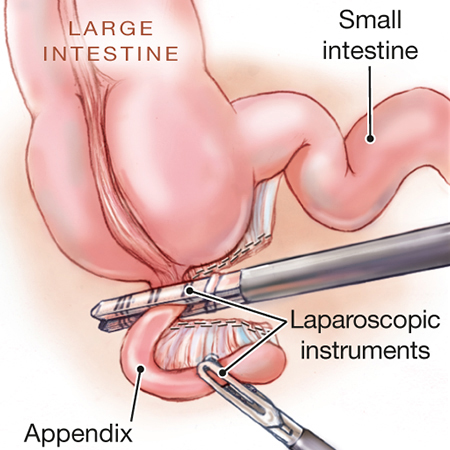
Laparoscopic appendectomy is a minimally invasive procedure that involves making small incisions in the abdomen to insert a laparoscope and surgical instruments. The laparoscope provides a clear view of the appendix, allowing the surgeon to remove it with precision. This technique offers several advantages, including reduced postoperative pain, shorter hospital stays, and quicker recovery compared to traditional open surgery.

7. Open Appendectomy
Open appendectomy is the conventional surgical approach, where a larger incision is made in the lower right abdomen to access the appendix directly. The appendix is then removed, and the incision is closed with sutures. While this technique may be associated with more postoperative pain and a longer recovery period, it remains a suitable option for cases where laparoscopic surgery is not feasible, such as in the presence of extensive inflammation or adhesions.
8. Single-Incision Appendectomy
Single-incision appendectomy is a relatively newer technique that aims to further minimize the cosmetic impact of surgery. As the name suggests, this approach involves making only a single incision, typically in the umbilicus. Through this incision, specialized instruments are used to remove the appendix. Single-incision appendectomy offers the advantage of improved cosmesis, potentially leaving patients with a smaller, less noticeable scar.

9. Postoperative Care
Following appendectomy, proper postoperative care is essential to ensure a smooth recovery process. This may include pain management, monitoring the surgical site for signs of infection, and providing appropriate antibiotics. It is crucial to follow your healthcare provider’s instructions regarding wound care, physical activity, and diet to promote healing and prevent complications.
10. Complications of Surgical Treatment
While surgical treatment for appendicitis is generally safe and effective, there are potential complications that can occur. These may include wound infections, bleeding, injury to surrounding organs, and the formation of abscesses. It is important to promptly report any unusual symptoms or concerns to your healthcare provider following surgery. With proper medical care and adherence to postoperative instructions, the risk of complications can be minimized.
In conclusion, surgical intervention is the gold standard treatment for appendicitis. Laparoscopic appendectomy, open appendectomy, and single-incision appendectomy are the three main surgical techniques used to remove the inflamed appendix. Each technique has its advantages and may be chosen based on the patient’s specific circumstances. Following surgery, proper postoperative care and close monitoring are vital for a full recovery. As with any surgical procedure, there are potential complications, but with prompt medical attention and adherence to medical advice, the outlook for patients undergoing surgery for appendicitis is generally favorable.