
Have you ever experienced the excruciating pain of appendicitis? If so, you know just how important it is to prevent this condition before it strikes. In this article, we will explore some helpful tips and recommendations to keep appendicitis at bay. From maintaining a healthy diet to recognizing early warning signs, you will discover practical strategies that can potentially save you from a trip to the operating room. So, let’s dive into the world of appendix care and take proactive measures to protect our well-being.
Overview of Appendicitis
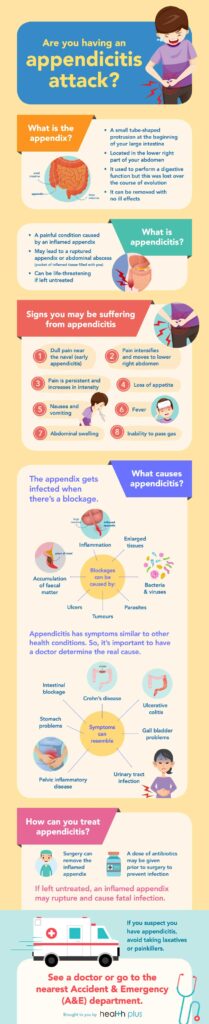
Appendicitis is a medical condition characterized by the inflammation of the appendix, a small pouch-like structure located in the lower right side of the abdomen. The appendix is connected to the large intestine and its function is still not fully understood. However, when it becomes blocked, it can lead to infection and swelling, causing appendicitis.
Definition of Appendicitis
Appendicitis refers to the inflammation of the appendix, resulting from blockage, usually by a fecalith (a hard piece of stool), a foreign object, or enlargement of the lymph nodes in the intestines. This blockage leads to the accumulation of bacteria and mucus in the appendix, resulting in swelling, infection, and inflammation.

Causes of Appendicitis
The exact cause of appendicitis is still unknown. However, it is believed that various factors contribute to its development. These factors include blockage of the appendix, such as by a fecalith or a foreign object, enlarged lymph nodes, or infections in the gastrointestinal tract.
Symptoms of Appendicitis
Recognizing the symptoms of appendicitis is crucial for early detection and prompt medical attention. The most common symptoms include severe abdominal pain, localized in the lower right side, loss of appetite, nausea, vomiting, and changes in bowel movements. It is important to note that the presence of these symptoms may vary from person to person, and the severity of symptoms can differ as well.

Preventive Measures
While appendicitis cannot always be prevented, adopting certain lifestyle habits can reduce the risk of developing this condition. By following a healthy diet, engaging in regular exercise, and practicing good hygiene, you can take preventive measures to protect yourself from the inflammation of the appendix.
Maintaining a Healthy Diet
Eating a healthy diet is essential for overall well-being, and it can also help reduce the risk of developing appendicitis. Incorporating the following dietary habits can contribute to good digestive health and prevent complications:
Fiber-rich foods
Include fiber-rich foods, such as fruits, vegetables, whole grains, and legumes, in your diet. Fiber aids in proper digestion, prevents constipation, and reduces the chances of blockage in the appendix.
Avoiding processed foods
Limit the consumption of processed foods, as they are often low in fiber and high in unhealthy fats and additives. These foods can disrupt the digestive system and contribute to gastrointestinal issues that may increase the risk of appendicitis.
Including probiotics
Probiotics are beneficial bacteria that promote a healthy gut. Incorporating probiotic-rich foods, such as yogurt, kefir, and fermented vegetables, can help maintain a balanced gut flora and support proper digestion.
Drinking enough water
Staying hydrated is essential for overall health, including a healthy digestive system. Make sure to drink an adequate amount of water throughout the day to maintain proper hydration and support smooth bowel movements.

Regular Exercise
Engaging in regular physical activity offers numerous benefits for your overall health and can also contribute to the prevention of appendicitis. Incorporate the following types of exercise into your routine:
Benefits of exercise
Regular exercise improves blood circulation, strengthens the immune system, promotes healthy digestion, and helps maintain a healthy weight – all of which can reduce the risk of developing appendicitis.
Exercises to strengthen abdominal muscles
Incorporating exercises that target the abdominal muscles can help strengthen the core, supporting proper digestion and reducing the risk of complications that may lead to appendicitis.
Cardiovascular exercises
Engage in cardiovascular exercises, such as walking, running, swimming, or cycling, to improve blood flow and promote a healthy digestive system.
Stretching exercises
Performing stretching exercises, such as yoga or Pilates, helps maintain flexibility and supports proper digestion by avoiding unnecessary strain on the abdominal area.
Hygiene Practices
Maintaining good hygiene is essential for preventing infections and minimizing the risk of appendicitis. Here are some hygiene practices to incorporate into your daily routine:
Proper handwashing
Wash your hands thoroughly with soap and water, especially before preparing or consuming food, after using the restroom, and after coming into contact with potentially contaminated objects. Proper handwashing helps minimize the risk of bacterial infections that might affect the appendix.
Avoiding contact with contaminated objects
Be mindful of objects that may be contaminated with bacteria. Avoid touching doorknobs, handles, or surfaces that are potentially unclean, especially in public places. If unavoidable, sanitize your hands promptly after contact.
Maintaining cleanliness in the kitchen
Ensure cleanliness and food safety in your kitchen by regularly cleaning countertops, cutting boards, and utensils. Always wash fruits and vegetables before consumption, and store food properly to prevent bacterial contamination.

Recognizing Early Symptoms
Recognizing the early symptoms of appendicitis is crucial to seek timely medical attention. If you experience any of the following symptoms, consult a healthcare professional:
Abdominal pain
The most prominent symptom of appendicitis is severe abdominal pain, typically starting around the belly button and migrating to the lower right side. The pain may worsen with movement, coughing, or pressing on the affected area.
Loss of appetite
A sudden decrease in appetite can be an early sign of appendicitis. If you notice a significant decrease in your desire to eat, especially accompanied by other symptoms, it is important to consult a healthcare professional.
Nausea and vomiting
Experiencing nausea and vomiting, particularly in combination with other symptoms, can be indicative of appendicitis. If you find yourself frequently nauseous and vomiting without an apparent cause, it is essential to seek medical advice.
Changes in bowel movements
Changes in bowel habits, such as diarrhea or constipation, can also be an early indication of appendicitis. If you experience unusual or prolonged changes in your bowel movements, it’s important to consult a healthcare professional.
Seeking Prompt Medical Attention
Early diagnosis and prompt medical attention are crucial in the case of appendicitis. If you suspect you may have appendicitis, it is essential to contact a healthcare professional immediately. Delaying treatment can lead to complications and worsen the condition.
Importance of early diagnosis
Early diagnosis helps prevent complications associated with appendicitis, such as abscess formation, peritonitis (inflammation of the abdominal lining), and intestinal obstruction. Timely intervention can greatly reduce the risk of severe complications.
Consulting a healthcare professional
Consult a healthcare professional, such as a doctor or surgeon, if you experience symptoms of appendicitis. They will evaluate your symptoms, perform a physical examination, and order additional tests if necessary to determine the cause of your symptoms.
Diagnostic tests for appendicitis
To confirm the diagnosis of appendicitis, healthcare professionals may utilize various diagnostic tests. These tests can include blood tests, imaging studies, such as ultrasound or CT scans, and physical examination findings. The results of these tests will help determine the most appropriate course of treatment.
Treatment Options
The treatment of appendicitis typically involves surgical removal of the appendix (appendectomy). However, in certain cases, non-surgical approaches or antibiotics may be used.
Surgical removal of the appendix (appendectomy)
Appendectomy is the most common treatment for appendicitis. It involves the surgical removal of the inflamed appendix to prevent further complications. Appendectomy can be performed through traditional open surgery or minimally invasive laparoscopic techniques, depending on the severity of the condition.
Non-surgical approaches
In some cases, non-surgical approaches, such as the administration of antibiotics or drainage of abscesses, may be considered for uncomplicated appendicitis. However, surgical removal of the appendix remains the standard treatment for most cases.
Antibiotics for uncomplicated appendicitis
For some patients with uncomplicated appendicitis, antibiotics can be used to reduce inflammation and infection. However, it is important to consult a healthcare professional to determine the most suitable treatment approach for your specific condition.
Post-Appendectomy Care
After undergoing an appendectomy, proper post-operative care is crucial to support a smooth recovery process and minimize the risk of complications. Here are some important considerations:
Recovery process after surgery
The recovery period following an appendectomy can vary from person to person. It is important to follow your healthcare professional’s instructions regarding pain management, physical activity restrictions, and wound care. Give yourself ample time to rest and allow your body to heal.
Dietary considerations
During the recovery phase, you may be advised to follow a specific diet to facilitate healing and prevent any undue strain on your digestive system. Your healthcare professional will provide guidance on dietary restrictions or modifications during this period.
Follow-up appointments
Attend all scheduled follow-up appointments with your healthcare professional to monitor your recovery progress. These appointments allow your healthcare provider to assess your healing and address any concerns or complications that may arise.
Potential Complications
While uncommon, appendicitis can lead to various complications if left untreated or in severe cases. It is important to be aware of these potential complications to seek timely medical attention:
Abscess formation
If the appendix ruptures, it can lead to the development of an abscess, which is a localized collection of pus. Abscesses require immediate medical attention and often necessitate drainage or surgical intervention.
Peritonitis
A ruptured appendix can cause peritonitis, which is the inflammation of the abdominal lining. Peritonitis is a serious medical emergency that requires immediate surgical intervention and treatment with antibiotics.
Intestinal obstruction
In rare cases, the inflammation and scarring caused by appendicitis can lead to a partial or complete obstruction of the intestines. Prompt surgical intervention may be required to clear the obstruction and restore proper intestinal function.
In conclusion, appendicitis is a condition characterized by the inflammation of the appendix, often requiring surgical intervention. While it can be a serious medical emergency, adopting preventive measures such as maintaining a healthy diet, engaging in regular exercise, practicing good hygiene, and recognizing early symptoms can help reduce the risk of developing appendicitis and its potential complications. If appendicitis is suspected, seeking prompt medical attention and following the recommended treatment options and post-operative care are vital for a successful recovery. Stay proactive in taking care of your health and consult a healthcare professional for further guidance.